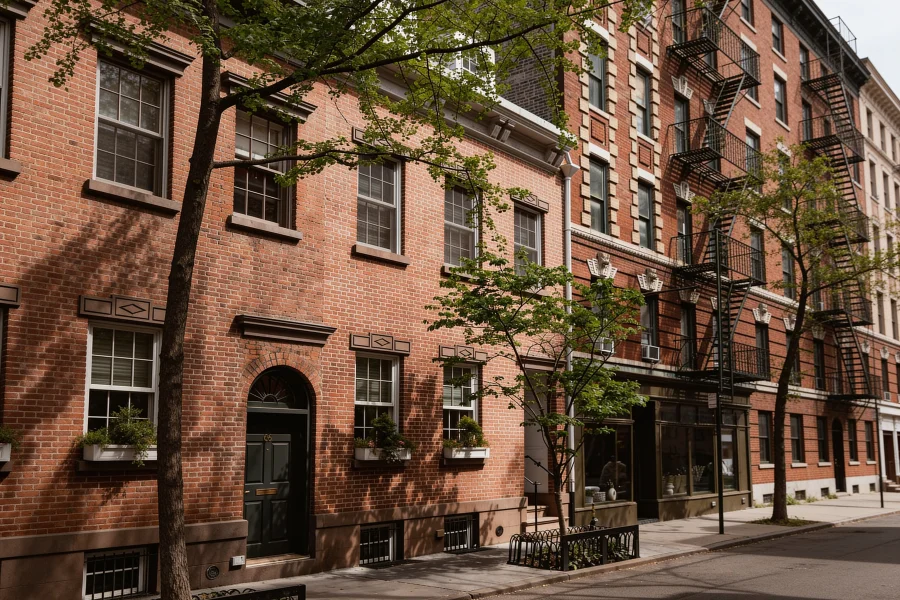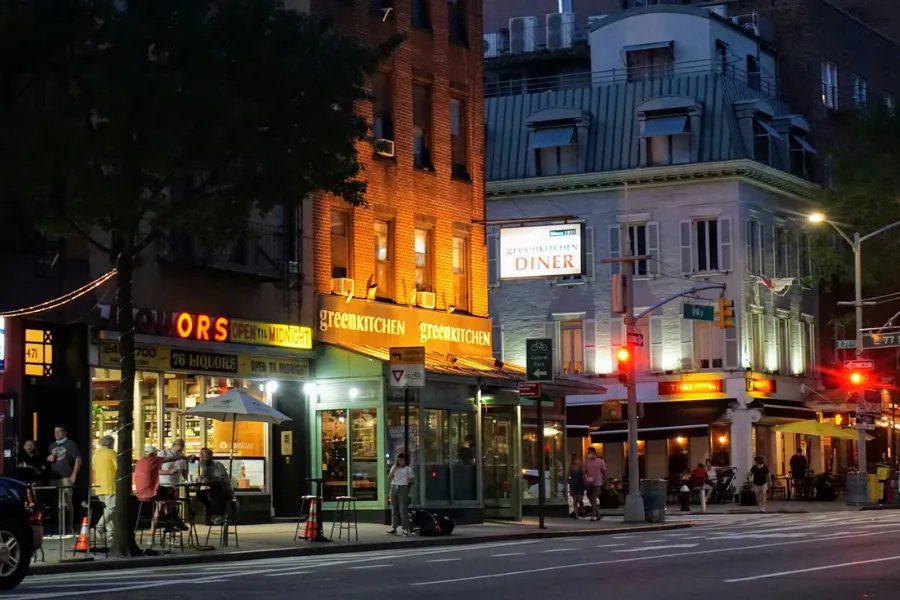

Kips Bay has a reputation that its real estate market has completely outgrown. Buyers who arrive expecting an afterthought neighborhood find something else entirely: genuine architectural heritage, a food scene that rivals anywhere in Manhattan, East River access, and a condo and co-op market that has been quietly delivering some of the strongest value in the borough for years. The first-time buyers who figure this out early tend to look back on the decision as a smart investment choice they made. Here is what buying in Kips Bay actually looks like in 2026.
Why First-Time Buyers Are Looking at Kips Bay Seriously

The median condo price in Kips Bay as of early 2026 sits at approximately $959,000, with an average sale price around $1.1 million. That positions the neighborhood as one of the most accessible entry points into genuine Manhattan condo ownership, in a location that puts buyers within walking distance of Midtown, steps from the 6 train, and minutes from some of the most interesting dining corridors in the city.
What has changed in recent years is the ceiling. Seven new condo developments have opened in Kips Bay over the past five years, introducing product with floor-to-ceiling windows, contemporary amenity packages, and finishes that compete with new construction anywhere in Manhattan. New condos in the neighborhood are now trading at a 47.5 percent premium over resale condos, compared to a 26.2 percent premium citywide. That gap reflects a genuine quality difference between the new product and the older inventory, and it tells first-time buyers something important: this is a neighborhood where the product is actively getting better, not standing still.
The SPARC Kips Bay development, a large-scale science and academic campus being built on a full city block, is expected to bring significant institutional investment and activity to the neighborhood in the coming years. Infrastructure investment of this scale tends to support and accelerate residential appreciation in the surrounding area, and buyers entering the market now are doing so ahead of that development rather than after it.
Understanding the Building Landscape
Kips Bay’s residential inventory spans several distinct categories, and knowing the difference helps first-time buyers identify where their priorities and budget align most naturally.
The I.M. Pei-designed Kips Bay Towers complex, comprising four interconnected buildings along First Avenue between 30th and 33rd Streets, remains the neighborhood’s most architecturally significant address. The complex is a genuine condominium with 1,118 units across two 21-story towers set within a private three-acre garden. The garden is not a courtyard or a token outdoor space. It is a full park-like environment with lawns, walking paths, a basketball court, and the kind of privacy that is genuinely rare for Manhattan. Units here feature large windows, generous layouts by any era’s standards, and access to 24-hour doormen, concierge services, a fitness center, and on-site parking. For first-time buyers who want architectural provenance, private outdoor space, and full building services at a price point that reflects the building’s postwar rather than new construction status, Kips Bay Towers represents a category of its own.
The newer condo buildings that have entered the market over the past five years represent a fundamentally different product. Eastlight at 501 Third Avenue, a 143-unit building developed by New Empire Corp, has been specifically designed to maximize natural light and views even on lower floors, with corner living rooms and floor-to-ceiling windows that wrap around the building’s edges. VU at 368 Third Avenue offers a majority of units with views in multiple directions, taking advantage of the surrounding low-rise residential zoning that keeps sightlines open in ways that are not possible in denser parts of Manhattan. Hendrix House brings a design-forward sensibility to the neighborhood with residences specifically conceived around flexible live-work layouts.
The co-op inventory in Kips Bay, primarily concentrated in the postwar elevator buildings along Second and First Avenues, offers first-time buyers entry into Manhattan homeownership at price points that remain below comparable condo product. The co-op buildings here operate with financial requirements that are generally more accessible than Upper East Side boards, and the approval process, while present, is manageable for buyers who are prepared.
Co-op vs. Condo: The Kips Bay Decision

The choice between a co-op and a condo in Kips Bay comes down to a specific set of trade-offs that first-time buyers should understand before they start touring.
Co-ops in Kips Bay offer a genuine pricing advantage relative to comparable condo product in the same neighborhood. For first-time buyers who have straightforward financial profiles, plan to owner-occupy long-term, and want to maximize what their budget gets them in terms of space and building quality, the co-op market deserves serious consideration. The board approval process requires preparation but is not the obstacle that the Upper East Side’s most selective boards can be. Most Kips Bay co-ops move efficiently for well-prepared buyers.
Condos offer the flexibility that some first-time buyers specifically need. No board approval, financing up to standard bank thresholds, the ability to sublet the apartment in the future, and clean resale optionality without the restrictions that co-op ownership carries. For buyers who are uncertain about their long-term plans, who have financial profiles that might complicate a co-op application, or who specifically want the option to generate rental income from the apartment down the road, the condo market is the right choice.
The new development condos in Kips Bay add a third consideration. Buying into a newly completed building means contemporary systems, warranty coverage, and the quality gap that the 47.5 percent premium over resale reflects. It also means higher purchase prices and the standard new development considerations around offering plan review and projected common charges. For first-time buyers who want the newest product and are comfortable with the new development process, Kips Bay has genuine options that were not available even five years ago.
What to Look for in Any Kips Bay Building
Regardless of which product type a first-time buyer pursues, the building evaluation framework should be consistent.
Reserve fund health is the most important financial indicator beyond the apartment itself. A building with well-funded reserves can address capital needs, elevator modernization, facade repairs, mechanical system replacements, without special assessments that arrive unexpectedly and change the monthly cost picture. The building’s audited financials are disclosed during the purchase process and should be reviewed carefully, ideally with a real estate attorney experienced in Manhattan co-op and condo transactions.
Common charge history over the past three to five years tells you whether the building has been managing its finances consistently or playing catch-up. Buildings where common charges have increased significantly above inflation in recent years without corresponding capital improvements may have underlying financial issues that are not immediately visible. Buildings with steady, modest increases reflecting normal operating cost growth are a healthier sign.
Management quality shows itself in the physical condition of the building throughout, not just the lobby. Hallways, laundry facilities, mechanical rooms, and service areas that are consistently well-maintained indicate management and ownership that share a standard. Buildings where only the public-facing spaces receive attention are sending a different message.
The Buying Process in Kips Bay

The practical steps of buying in Kips Bay follow the standard Manhattan purchase process with a few neighborhood-specific considerations worth knowing.
Getting pre-qualified or pre-approved for a share loan or condo mortgage before beginning your search is essential in this market. Sellers in Kips Bay, as across Manhattan, expect buyers to have financing confirmed before they will seriously engage with an offer. For co-op purchases, identifying a lender with an active share loan program early in the process is particularly important since not all mortgage lenders offer share loan products.
Working with a buyer’s broker who knows this specific neighborhood’s building inventory is one of the most valuable decisions a first-time buyer can make. The difference between buildings in Kips Bay is wide enough that building-specific knowledge matters significantly. A buyer’s broker who has transacted in the buildings you are considering can provide perspective on management quality, reserve fund health, board culture, and how specific units have performed at resale that is simply not available from listing descriptions or public data.
The contract, board application, and closing process for a Kips Bay co-op purchase typically runs 60 to 90 days from accepted offer for a prepared buyer. Condo purchases, including new development, can vary from 60 days to considerably longer depending on building completion status and the developer’s timeline. Building time expectations into your planning before making an offer prevents unnecessary stress during the process.
Seller Strategy in Kips Bay

Sellers in Kips Bay are operating in a market where the product gap between new development and older inventory is more visible than in most Manhattan neighborhoods. Sellers of resale units need to be precise about their competitive positioning and should price against genuine comparable transactions rather than aspirational benchmarks set by new development product that offers meaningfully different finishes and amenities.
The spring market and early fall consistently produce the most active buyer pools in Kips Bay. Sellers who bring well-presented apartments to market at accurate prices during these windows, with a clear understanding of what distinguishes their specific building and unit, consistently achieve the strongest outcomes this market supports.
Kips Bay is a neighborhood whose market has moved faster than its reputation. Sellers who understand that and price accordingly tend to be rewarded. Sellers who price against an outdated perception of what the neighborhood commands tend to sit longer and correct more than the initial discipline would have cost them.Buying in Kips Bay for the first time is one of the more interesting decisions available in the Manhattan market right now. The neighborhood is genuinely in motion, the product has gotten substantially better, and the buyers getting in now are doing so into continued development and institutional investment rather than into a static market. If you want to talk through where your profile fits, which buildings make sense for your situation, and how to approach the process in a way that gives you the best possible outcome, reach out directly atTheNewYorkCityBroker.com/contactme and we can work through it together.
FAQs
2026 is a strong time to buy in Kips Bay for buyers who are financially prepared and clear about what they are looking for. The neighborhood has seven new condo developments that have opened in the past five years, institutional investment in the form of the SPARC Kips Bay academic campus coming in the near term, and a median condo price around $959,000 that represents genuine value relative to comparable Manhattan neighborhoods. Buyers entering now are ahead of development activity that historically supports appreciation rather than behind it.
As of early 2026, one-bedroom condos in Kips Bay range broadly from the upper $600,000s in older postwar buildings to $1.6 million and above in newer developments with premium finishes and views. The median overall condo price in the neighborhood sits at approximately $959,000, with the average sale price around $1.1 million. Co-op one-bedrooms in older buildings tend to come in below comparable condo pricing, reflecting the co-op pricing advantage that exists across Manhattan’s ownership market.
Buying a co-op in Kips Bay follows the standard Manhattan co-op purchase process. You make an offer, negotiate and sign a contract of sale, assemble a board application package including tax returns, bank statements, a personal financial statement, and reference letters, submit the package for board review, complete a board interview if requested, and close. Kips Bay co-op boards are generally more accessible than Upper East Side boards, with reasonable financial requirements and efficient timelines for prepared buyers. Working with an experienced real estate attorney throughout the process is essential. Tips for navigating Kips Bay coops include understanding the nuances of the application process and being prepared to demonstrate your financial stability. It’s also beneficial to familiarize yourself with the specific requirements of different buildings, as they can vary significantly. Engaging with local real estate experts can provide valuable insights and help streamline your search for the perfect home.
Yes, and the luxury condo market in Kips Bay has expanded meaningfully with new development activity over the past five years. Buildings like Hendrix House, Eastlight at 501 Third Avenue, and VU at 368 Third Avenue have introduced full-service amenity packages, high-end finishes, and in some cases East River views that place them squarely in the luxury tier. New development condos in the neighborhood now trade at a 47.5 percent premium over resale condos, reflecting a genuine quality difference that buyers at the luxury end are responding to actively.
Kips Bay’s real estate market in 2026 is characterized by continued new development activity, a meaningful quality gap between new and resale product, and median pricing that remains competitive relative to neighboring Manhattan markets. Seven new condo projects have opened in the past five years. A major academic campus development is underway that will bring institutional investment and activity to the neighborhood. The median condo price sits around $959,000 and the average sale price is approximately $1.1 million, with new development units commanding a premium reflecting their superior finishes and amenities.
Buying a co-op in Kips Bay means purchasing shares in a cooperative corporation rather than real property, going through a board approval process, and accepting restrictions around financing limits, subletting, and resale that do not apply to condo ownership. The benefit is a consistent pricing advantage relative to comparable condos. Buying a condo means purchasing real property directly with no board approval required, full financing flexibility, and generally more liberal sublet and resale rights. The right choice depends on the buyer’s financial profile, flexibility needs, and long-term plans for the apartment.
Kips Bay has the ingredients that support real estate investment: ongoing neighborhood development, improving product quality driven by new construction, institutional investment arriving in the form of the SPARC campus, and pricing that remains below comparable Manhattan neighborhoods on a per-square-foot basis. New condos in the neighborhood have demonstrated strong buyer demand and premium pricing. For buyers with a medium to long-term hold horizon who approach the market with building-specific due diligence, Kips Bay represents one of the more interesting investment opportunities currently available in Manhattan