Best Blocks to Live in Financial District NYC
Financial District ranked number one on StreetEasy’s most searched neighborhoods for 2026, but the buyers flooding into this market are about to discover something that


Financial District ranked number one on StreetEasy’s most searched neighborhoods for 2026, but the buyers flooding into this market are about to discover something that
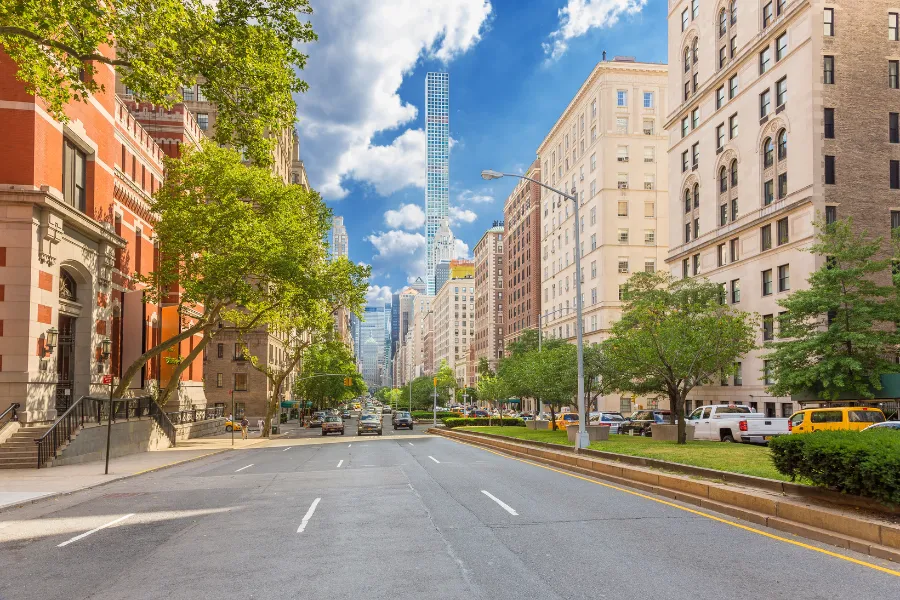
You already know the Upper East Side is one of the most layered residential neighborhoods in the world. What you also know is that the

Most Manhattan buyers spend months thinking about the purchase price. The number that actually catches them off guard arrives at the closing table, and by

Financial District ranked number one on StreetEasy’s most searched neighborhoods for 2026, median condo prices are up 28 percent year over year, and there are

Kips Bay prices are up 29.6 percent year over year, seven new condo buildings have opened in five years, a 14-story tower just broke ground,
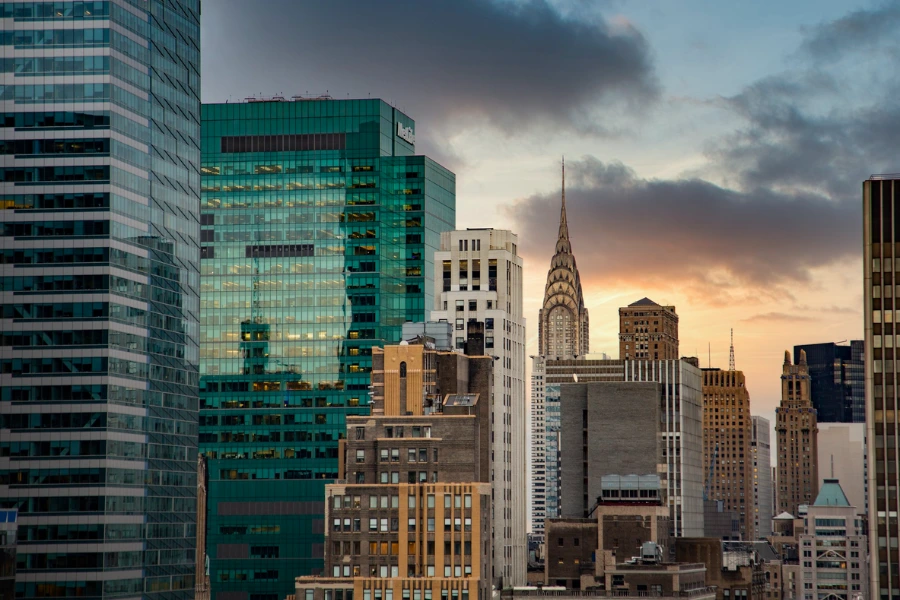
Financial District just posted a 46.7 percent surge in buyer searches, a 28 percent jump in median prices, and the number one spot on StreetEasy’s
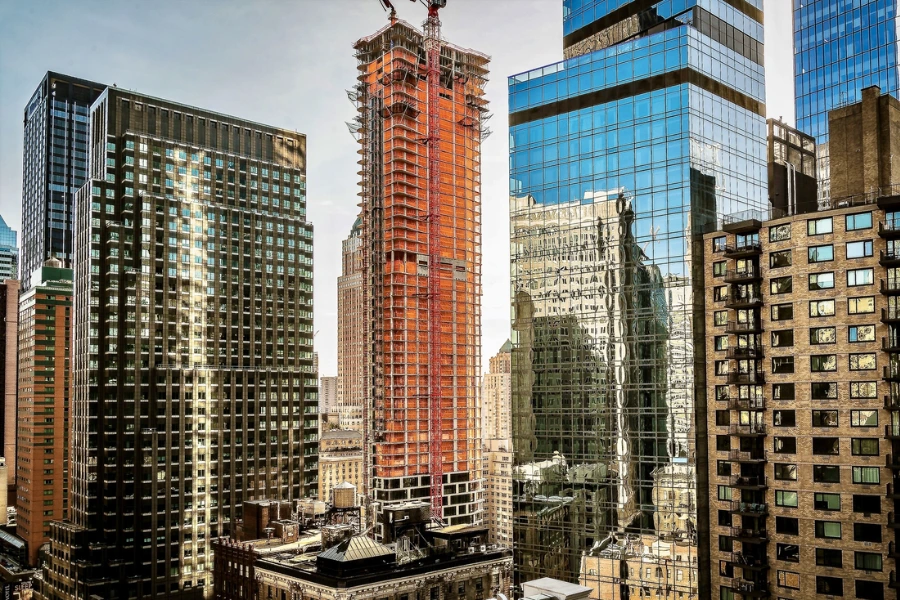
Upper East Side new development is selling out before it ever hits the public market, and most buyers have no idea. The Upper East Side
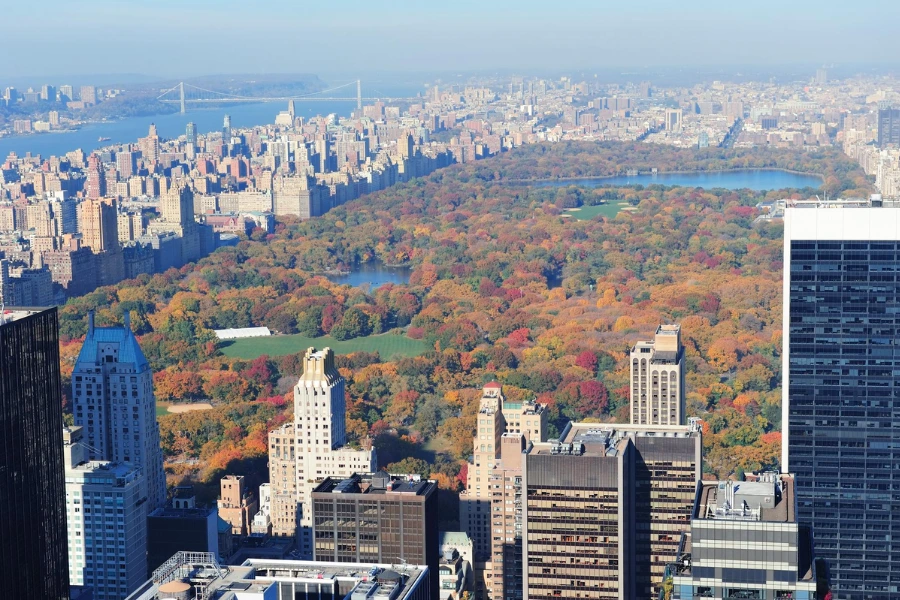
Seven new condo buildings in five years, a 47.5 percent new development premium, and a major research campus under construction, and Murray Hill is sitting
You have made it to the point where you are choosing between two of the most iconic addresses in Manhattan. That is not a small