
The NYC Mansion Tax is a surprise to Manhattan buyers after they have already chosen the apartment that they love.
Mansion Tax in NYC One of the most misunderstood real estate costs in New York City is . It is often misunderstood by buyers who hear it casually. They assume that it’s a fixed amount or only applies to ultra luxury purchases. It can have a significant impact on the amount of cash needed to close a Manhattan transaction.
You need to know the NYC Mansion Tax, its application, calculation, and Who pays it in reality.
Break it down.
What is the NYC Mansion Tax?
The NYC Mansion Tax is an imposed transfer tax by New York State on residential real estate transactions above a certain threshold.
This cost is distinct from other Manhattan closing costs.
Initially, the mansion taxes were simple. It is now a multi-tiered tax that has a much greater impact.
When is the mansion tax applicable?
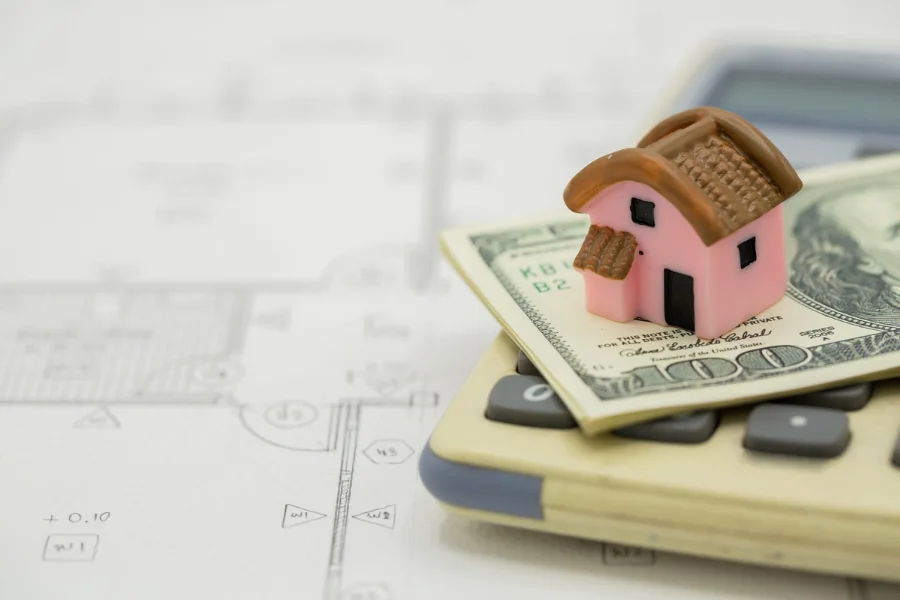
The mansion threshold is applicable when the purchase price exceeds $1,000,000.
This includes:
- Condos
- Co-ops
- Townhouses
- New development units
The tax is applied if the purchase price exceeds the threshold by even just one dollar.
There is a no exception for first-time purchasers .
Today’s mansion tax calculation

NYC mansion taxes are no longer flat rates. It’s now Progressive. This means that the rate increases with the increase in the purchase price.
How it works is:
- From $1,000,000 to $1.999.99: 1 %
- 2,000,000 to 2,999,999 dollars: 2.
- From $3,000,000 to $4.999.99: 3 %
- From $5,000,000 to $9.999,999: 3%
- From $10,000,000 to $14,999,999: 4.25 percent
- From $15,000,000 to $29,999.999: 5 %
- From $20,000,000 to $25,999,999: 5.5%
- For amounts above $25,000,000: 5.5%
The tax is based on the total purchase price and not just the amount over the threshold.
A simple example
You can buy an apartment in Manhattan for 1,500,000.
- Mansion tax rate = 1%
- Total NYC mansion tax = $15,000
You can buy $2.500,000.
- Mansion tax rate = 2%
- Total mansion tax = $50,000
The cash received at the closing.
Who pays the Mansion Tax?
By default, the buyer pays mansion tax .
In Manhattan, this is a standard practice and is written into many real estate contracts.
The market can alter the way this is implemented in practice.
Sellers end up paying a part of the Mansion Tax

As a concession, in certain market conditions, the seller may agree to pay all or part of the mansion taxes.
It can occur when:
- Stock is high
- Interest rates are high
- The apartment is on the market since a long time
- The seller is motivated
In this case, the tax remains the responsibility of the buyer, but it is offset by the seller through a price adjustment or credit.
It is not guaranteed .
Mansion tax and negotiations
NYC Mansion Tax is often a psychological barrier for buyers.
Buyers tend to think in rounds. Even if it is a small difference, crossing the $1,000,000 line makes you feel differently.
The following can have an impact on:
- Offer strategies
- Negotiation leverage
- Willingness to Stretch Price
Smart pricing strategies can sometimes deliberately land below mansion taxes in order to attract a larger buyer pool.
Condos vs co-ops and the mansion tax

The mansion taxes in NYC apply to both co-ops as well as condos but can have a different impact.
Mansion tax is often added to the purchase price of condominiums by buyers .
- Mortgage Recording Tax
- Title Insurance
The mansion tax is the biggest additional tax for co op buyers at closing.
This can affect whether a buyer selects a certain type of property over another.
What effect does the mansion tax have on total cash required?
The NYC Mansion Tax must be paid at the closing in cash, which increases the liquidity requirement.
Plan for the following:
- Paying in advance
- Closing costs
- Mansion tax
- After-closing liquid (especially for co-ops).
It is because of this that buyers can be surprised at the end of the process, if they did not plan properly.
Can I deduct the cost of a mansion?
In general, the NYC Mansion Tax is not deductible in property taxes.
The tax treatment is dependent on the individual’s circumstances and any future changes to the tax laws. Tax professionals should be consulted by buyers.
Do not assume that you are eligible for a deduction without confirmation.
New developments and Mansion Tax
New development purchases
- The Mansion Tax still applies
- is not usually negotiable
- Buyers are often charged additional fees by sponsors
Budgeting is especially important for new development buyers.
What sellers need to know about the mansion tax
Mansion tax affects sellers even though they don’t usually pay it.
You can:
- Limiting the pool of buyers at certain price points
- Influence Offer Behavior
- Slow Negotiations
Understanding how buyers view this cost can help sellers set prices more strategically.
Mansion tax: The biggest mistake that buyers make
Most people make the mistake of looking for an apartment and then figuring out NYC mansion taxes.
This is the point:
- Budgets are stretched
- Expectations have been set
- Negotiations can become emotional
Before they begin seriously shopping, buyers who are serious about buying plan ahead for the mansion tax .
How to plan intelligently around the mansion taxes
Smart planning includes the following:
- Early integration of cash models into your business model
- Understanding threshold psychology
- Evaluating co-op versus condo tradeoffs
- When concessions are realistic
Deals that are prepared will not fall apart at the last minute.
Takeaway:
The NYC Mansion Tax is more than just a tax. Manhattan real estate is affected by this tax.
It is manageable when understood early. It becomes painful if ignored.
Understanding how the system works will help buyers and sellers make more informed decisions.
If you want help factoring mansion tax into your buying or pricing strategy, you can reach me through my website or message me on Instagram @TheNewYorkCityBroker. I’m happy to assist you in thinking through the numbers, before they come as a shock.