
How To Prepare Yourself and Your Apartment For Sale In NYC
Selling your apartment in NYC can be a long and grueling process, and if you are not in the right mindset, it’s easy to make


Selling your apartment in NYC can be a long and grueling process, and if you are not in the right mindset, it’s easy to make

Home buyer’s remorse comes in several different forms, and it may strike before or after the closing: “Why did I buy a home?” This may

It’s possible to get a bank/financial institution to finance (part of) your real estate investment, but the process is different from financing your primary residence.
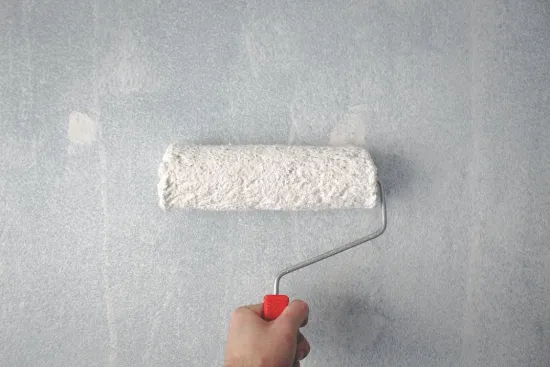
For many cosmetic renovations that do not require you to change the plumbing, electrical system, or structural layout of your NYC home, you may not

Your lifestyle choices reflect your care for the environment just as strongly (if not more) as your statements and arguments. These choices can permeate every
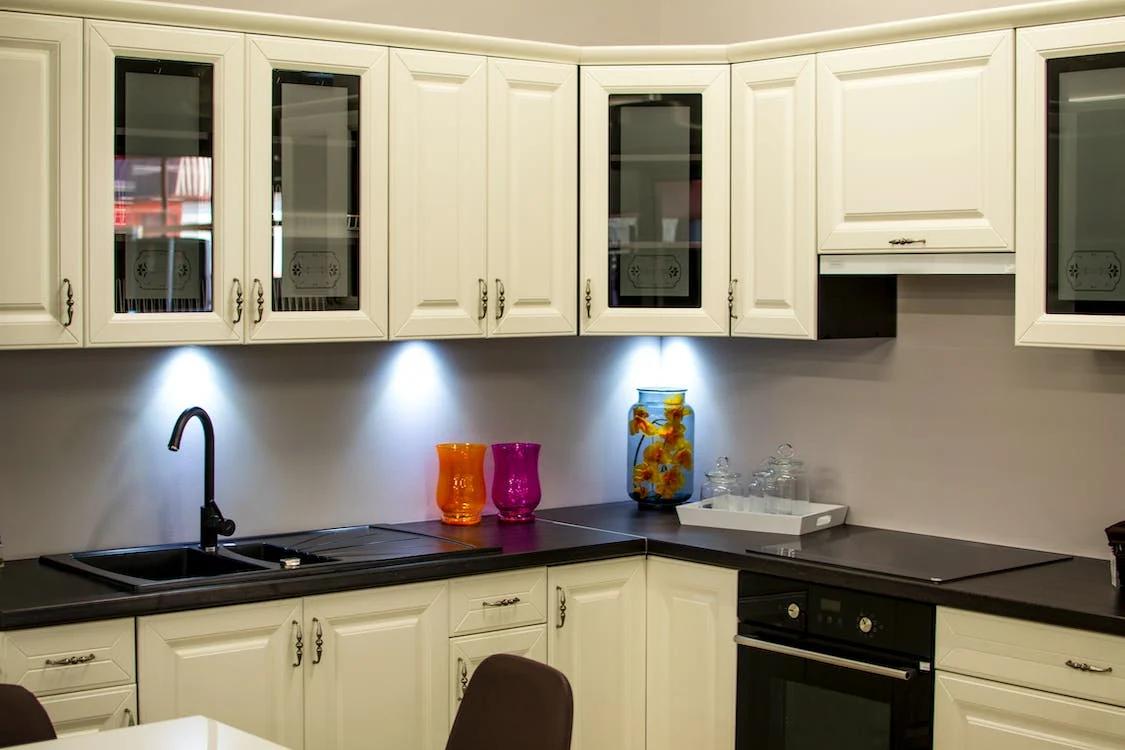
Planning A Kitchen Renovation in New York The first step in every kitchen renovation is planning. A clear idea of what kind of renovations you

The NYC co-op boards do not have to share the reasons for rejecting buyers and cannot be challenged on their decision unless you can prove

Bidding wars are common in a seller’s market when there are fewer properties and a lot of buyers. A bidding war is in the seller’s

REBNY stands for Real Estate Board of New York. It’s a trade association that has been around for over a century. REBNY represents the interests

