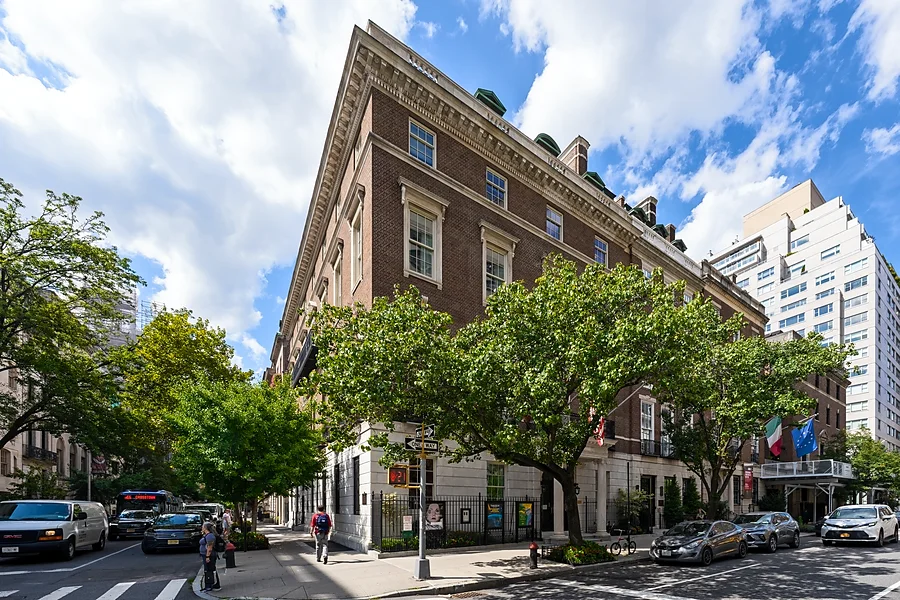

If you assume buying an apartment in Manhattan is a quick, linear process, you are almost guaranteed to feel frustrated along the way. Understanding how to budget for manhattan housing is crucial to navigating this complex market. A realistic budget will help you account for various costs, including maintenance fees, property taxes, and the overall cost of living in the city. Taking the time to break down these expenses can make a significant difference in your search for the perfect home.
Buyers constantly ask how long it takes to buy an apartment in Manhattan, hoping for a clean, predictable timeline. Manhattan does not work that way. Buying here is layered, relationship-driven, document-heavy, and heavily influenced by building rules, financing, and board approvals.
Some purchases move quickly. Others take months longer than expected. The key is understanding why timelines vary and where delays actually happen.
This guide breaks down the real Manhattan home buying timeline, stage by stage, so you can plan realistically instead of optimistically. As you navigate through each phase, it’s crucial to stay informed about the real estate prospects for Manhattan. Understanding market trends will help you make more strategic decisions. Additionally, keeping an eye on neighborhood developments and local property trends can offer insight into future property values.
Why Manhattan timelines are different from other cities

Manhattan real estate is unique because:
- Co-ops dominate the market
- Boards approve buyers
- Attorneys negotiate contracts extensively
- Buildings impose their own rules and timelines
In many cities, once an offer is accepted, closing follows quickly. In Manhattan, acceptance opens up new horizons in acceptance.
Phase 1: The search phase
How long the search usually takes
Most buyers spend two to four months actively searching.
Some buyers find something in weeks. Many take longer, especially if they are:
- First-time buyers
- Searching in competitive price points
- Focused on specific buildings or neighborhoods
Buyers often underestimate how much time it takes to see enough inventory to feel confident.
Why buyers take longer than expected to find “the one”
Common reasons include:
- Apartments blur together
- Priorities evolve during the search
- New listings reset expectations
- Emotional fatigue sets in
Manhattan buyers often need to see multiple versions of the same idea before clarity forms. This is normal, not failure.
Phase 2: Making and negotiating an offer

Typical timeline
Once a buyer finds the right apartment, this phase usually takes a few days to two weeks.
This includes:
- Submitting an offer
- Negotiating price and terms
- Reaching a verbal agreement
In competitive situations, offers can be accepted quickly. In slower markets, negotiations may drag on.
What slows negotiations down
Delays often occur when:
- Buyers hesitate to commit
- Sellers counter repeatedly
- Financing terms are unclear
- Attorneys are not yet involved
Clear communication and preparedness speed this phase up dramatically.
Phase 3: Contract negotiation and signing
This is where Manhattan slows down
Contract negotiation typically takes two to four weeks, sometimes longer.
Why it takes time:
- Attorneys review building documents
- Contracts are negotiated line by line
- Due diligence questions arise
- Building specific issues need clarification
Unlike other markets, Manhattan contracts are not standardized.
Why buyers should not rush contract review

Rushing this phase can create problems later.
Attorneys are protecting buyers from:
- Restrictive building rules
- Unexpected assessments
- Alteration limitations
- Transfer complications
Time spent here reduces risk later.
Phase 4: Board package preparation (Co-ops)
This applies primarily to co-op purchases.
Typical timeline
Preparing a board package often takes two to four weeks.
This includes:
- Gathering financial documents
- Writing personal and professional reference letters
- Completing detailed applications
This phase feels tedious, but accuracy matters.
Why board packages slow buyers down
Buyers underestimate:
- How detailed packages are
- How much documentation is required
- How long it takes to gather everything
Incomplete packages lead to delays or rejection. Preparation is key.
Phase 5: Board review and interview (Co-ops)
The most unpredictable phase
Board review timelines vary widely.
Some boards:
- Respond within three to four weeks
Others:
- Take six to eight weeks or more
Interviews are usually scheduled after the board reviews the application.
What boards are evaluating
Boards focus on:
- Financial stability
- Employment history
- Liquidity after closing
- Fit with building culture
They are not judging personality. They are assessing risk.
Phase 6: Final closing
Once board approval is granted:
- Closings usually occur within one to three weeks
This depends on:
- Lender readiness
- Building requirements
- Scheduling availability
This is often the smoothest phase assuming everything earlier was handled correctly.
How condo timelines differ
Condos usually move faster because:
- There is no board approval
- Fewer documents are required
- Contracts are simpler
A condo purchase in Manhattan can close in 45 to 75 days, assuming financing is smooth.
Co-ops usually take longer.
A realistic total timeline

Condo purchase
- Search: 2 to 4 months
- Contract to close: 1.5 to 2.5 months
- Total: approximately 3.5 to 6.5 months
Co-op purchase
- Search: 2 to 4 months
- Contract to close: 2.5 to 4 months
- Total: approximately 4.5 to 8 months
These are realistic timelines not worst-case scenarios.
Why some deals take much longer
Extended timelines usually result from:
- Financing issues
- Incomplete board packages
- Renovation approvals
- Seller delays
- Unexpected building requirements
None of these are rare in Manhattan.
How buyers can speed the process up
Buyers who move efficiently:
- Get pre-approved early
- Organize financial documents in advance
- Work with experienced attorneys
- Understand co-op requirements upfront
- Stay responsive
Preparation saves weeks.
Why rushing is often counterproductive

Trying to force speed can:
- Lead to mistakes
- Increase stress
- Create negotiation issues
- Trigger board concerns
Manhattan rewards patience paired with preparation.
How sellers affect timelines
Sellers who are prepared:
- Provide documents quickly
- Respond promptly to attorneys
- Have clear expectations
Unprepared sellers slow everything down.
The emotional reality of long timelines
Long timelines wear buyers down.
Fatigue can lead to:
- Second guessing
- Emotional decisions
- Unnecessary stress
Understanding the timeline upfront helps buyers stay grounded.
The biggest misconception buyers have
The most common misconception is assuming:
“Once my offer is accepted, I’m basically done.”
In Manhattan, acceptance means you are entering the most detailed part of the process.
How to plan your life around a Manhattan purchase

Buyers should:
- Avoid locking in move dates too early
- Build flexibility into leases
- Prepare emotionally for delays
- Expect the unexpected
Planning conservatively reduces frustration.
Final takeaway
Buying an apartment in Manhattan takes time because the process is designed to reduce risk not maximize speed. Buyers who understand the timeline feel more in control and make better decisions along the way. The goal is not to rush. The goal is to close cleanly. If you want help planning a realistic buying timeline from day one, you can reach me through my website or send me a message on Instagram @TheNewYorkCityBroker. I’m always happy to help buyers plan realistically instead of guessing. Navigating the complexities of financial planning for New York apartments is crucial for prospective buyers. By establishing a clear budget and understanding the costs associated with purchasing in this competitive market, you can set yourself up for success. Additionally, it’s important to consider your financial planning goals and how your new apartment fits into that vision.