

A floor plan is a two-dimensional drawing that will define your three-dimensional daily life for as long as you own the apartment. The kitchen layout determines whether cooking is a pleasure or a frustration. The relationship between the primary bedroom and the living area determines whether the apartment feels spacious or cramped. The window placement determines the light quality in every room. The proximity to the elevator core determines how much hallway noise you hear on a Tuesday night.
Most buyers looking at new development floor plans in Manhattan spend too much time on the finishes shown in the rendering and not enough time understanding what the floor plan itself will actually deliver as a living environment. Sales galleries are designed to sell the dream, and they are very good at it. The floor plan analysis is the work the buyer must do independently. Understanding the complexities of negotiating tactics for Manhattan buyers can significantly impact the purchasing process. Many buyers lack the necessary insights into market trends and pricing strategies that could enhance their negotiating position. Educating themselves on these tactics can empower buyers to make informed decisions and secure better deals.
This article covers the most important elements of floor plan evaluation for Manhattan new development, the common problems buyers discover after closing that a careful pre-purchase floor plan analysis would have caught, and the specific features that distinguish well-designed floor plans from poorly designed ones in this market.
For context on other evaluation areas, see our Common Mistakes Buyers Make With New Development in Manhattan. Common pitfalls in Manhattan real estate can often lead to significant financial loss. Understanding the market dynamics and legal requirements is crucial for making informed decisions. Additionally, working with experienced professionals can help buyers navigate these challenges more effectively. Choosing the right developer in Manhattan is essential to ensure a smooth purchasing process. Engaging with reputable firms can provide buyers with additional insights into the property landscape. Furthermore, establishing a clear line of communication with the developer can facilitate transparency and trust throughout the transaction.
The Most Important Thing to Evaluate First: Window Placement
In Manhattan new development, natural light is the single most important quality-of-life variable that floor plan analysis can assess. Everything else, finishes, ceilings, appliances, can be improved. Natural light is determined by the building’s orientation, the unit’s position within the floor plate, and the window placement, none of which can be changed after you close.
Before evaluating anything else about a floor plan, establish how many windows the unit has, which direction they face, and what those windows currently look out at. A unit with windows facing a light well or an adjacent building’s facade at close range is fundamentally different from a unit with windows facing the street or a setback. A unit with a single exposure is fundamentally different from a corner unit with two exposures.
The direction a window faces determines the quality of light throughout the day. South-facing windows deliver consistent natural light from morning through afternoon. East-facing windows deliver morning light and lose it by early afternoon. West-facing windows deliver afternoon and evening light, which is often the most valued by buyers who are home after work. North-facing windows deliver the most consistent, diffuse light but the least direct sun.
For new development buyers, corner units with two exposures almost always justify their premium over comparable interior units because the additional light direction and the cross-ventilation are daily quality-of-life improvements that no amount of interior design can replicate in a single-exposure unit.
Ceiling Height and Its Effect on Proportions

Ceiling height in Manhattan new development typically runs 9 to 10 feet for standard floors and 11 to 14 feet for penthouse levels. The standard 9-foot ceiling is meaningfully better than the 8-foot standard in older buildings, and 10-foot ceilings are noticeably more spacious than 9-foot even in smaller square footage.
What buyers often miss is that ceiling height interacts with room width in determining how spacious a space actually feels. A 9-foot ceiling in a room that is 16 feet wide feels different from a 9-foot ceiling in a room that is 12 feet wide. When evaluating floor plans, buyers should assess not just the ceiling height but the width-to-height ratio of the principal rooms. A narrow room with high ceilings can still feel like a tunnel. A properly proportioned room at 9 feet can feel generous and livable.
Also evaluate where the ceiling height is greatest. Some floor plans step the ceiling height across the unit, with the entry and hallways at standard height and the living area at an elevated ceiling. Others carry the full ceiling height throughout. The floor plan dimensions and the section drawings, if available, will show these distinctions.
Kitchen Layout: The Functionality Test
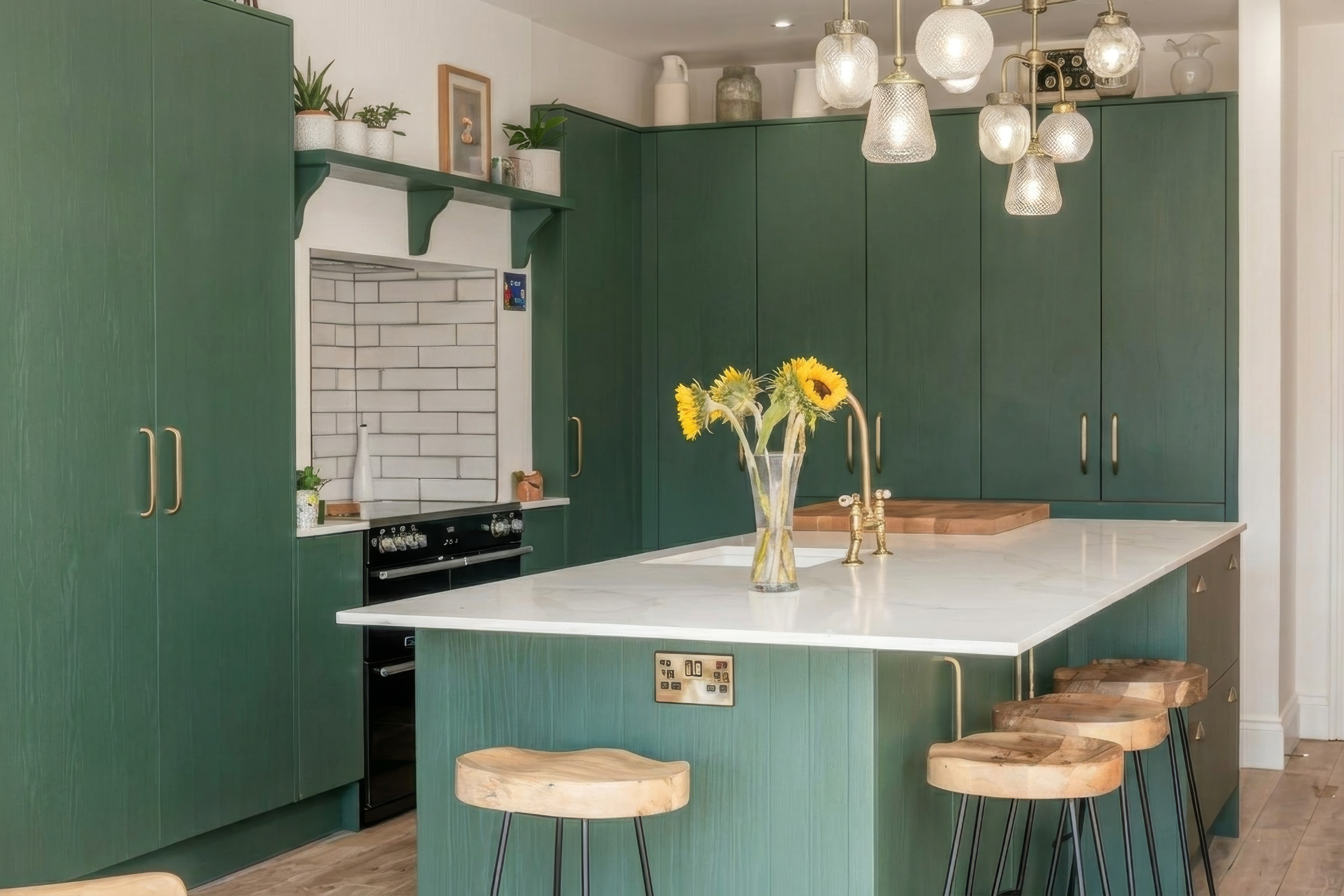
The kitchen layout in Manhattan new development has evolved considerably over the past decade. Open-concept kitchens integrated with the living and dining area have become standard because they work well for both everyday living and entertaining. But open-concept does not guarantee functional. The specific layout of the kitchen within that open concept determines whether it actually works.
The work triangle, the relationship between the sink, refrigerator, and cooktop, is the fundamental kitchen functionality assessment. These three elements should be positioned in a compact triangle that allows efficient movement between them. A kitchen where the refrigerator is at one end of a long galley and the sink is at the other end, with the cooktop in between but far from the counter prep space, will be frustrating to use every day regardless of how beautiful the marble backsplash is.
Counter prep space is the second critical kitchen assessment. In Manhattan new development, counter space is frequently sacrificed for visual appeal. An island that looks spectacular in the rendering but provides only 18 inches of usable prep surface on either side is not functional for actual cooking. Measure the counter dimensions on the floor plan before you fall in love with the kitchen’s visual.
Storage is the third kitchen assessment. Cabinetry depth, pantry provisions, and the layout of upper and lower cabinet space determine whether the kitchen is practical as a cooking space or merely decorative. In smaller units, the kitchen’s storage capacity directly affects the livability of the entire apartment.
Bedroom Placement and Privacy

In any apartment, the relationship between the bedroom and the living areas determines the acoustic and visual privacy the sleeping space provides. In Manhattan new development, there are several common bedroom placement patterns that have meaningfully different privacy implications.
The split-bedroom layout, where the primary and secondary bedrooms are on opposite ends of the unit with the living area between them, provides the most acoustic isolation between bedrooms and is generally the most desirable configuration for buyers who share the apartment with partners, family members, or roommates.
The side-by-side bedroom layout, where both bedrooms share a wall, provides less acoustic isolation and is generally less desirable, particularly for buyers who value primary bedroom privacy.
The alcove or semi-separated bedroom, where the bedroom is partitioned from the living area by a partial wall or corridor but without a full door separation, provides the weakest acoustic and visual privacy and can feel cramped. Some buyers find these layouts work as home office configurations, but they are the weakest bedroom privacy option.
Also evaluate the primary bedroom’s relationship to the bathroom. An en suite primary bath that is accessible only from within the bedroom provides better privacy than a bathroom accessible from both the bedroom and a hallway. On a floor plan, confirm that the bathroom door opens in a direction that does not create awkward traffic flow or privacy issues.
The Elevator Core and Mechanical Proximity
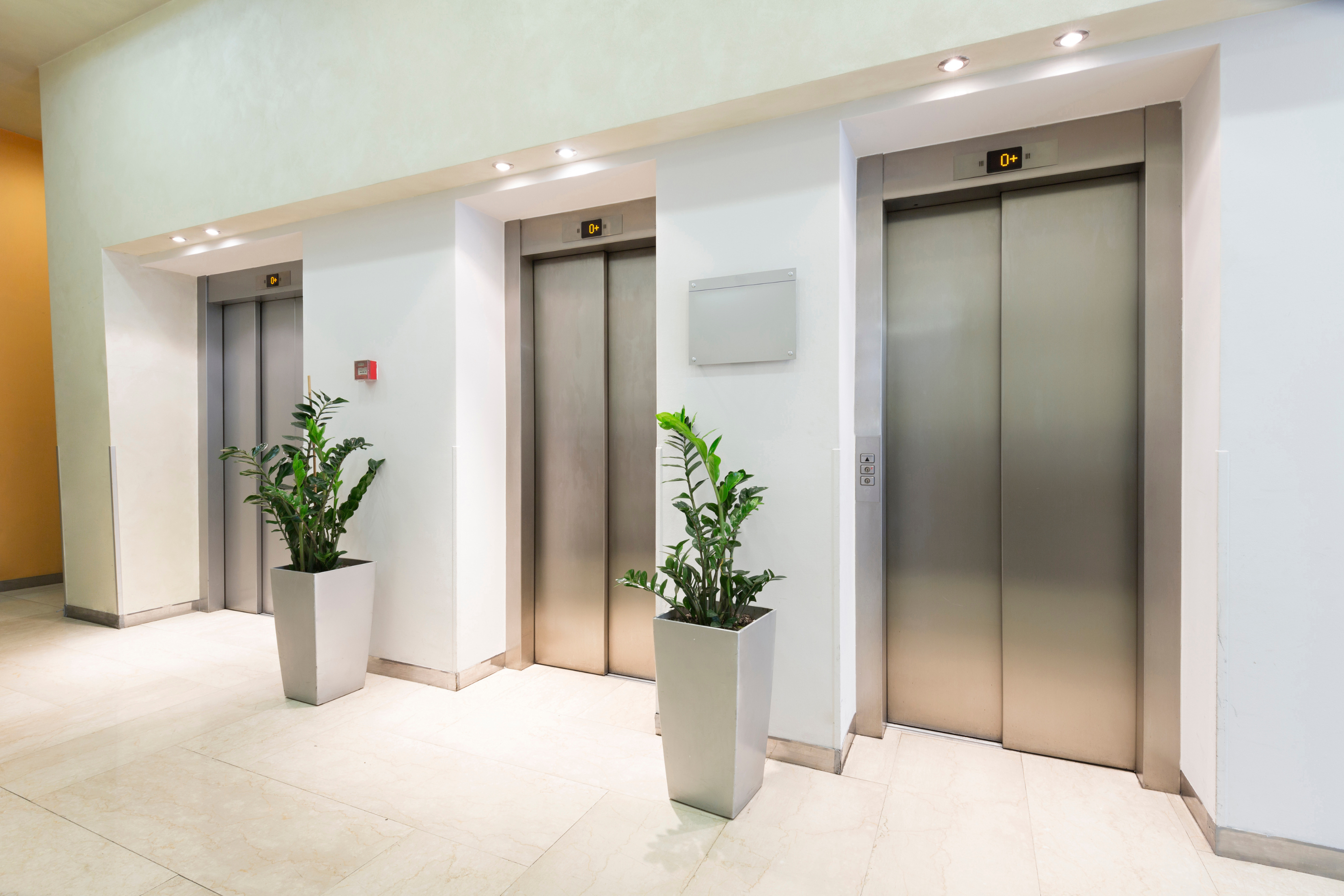
Every floor plan has a position relative to the elevator core and the building’s mechanical spaces. Units adjacent to the elevator core are exposed to more hallway noise and potential elevator mechanical noise than units at the far end of a corridor. Units above or adjacent to mechanical rooms, compressor areas, or loading docks are exposed to noise and vibration that significantly affects quality of life.
On a new development floor plan, identify where the building’s elevator bank is, where the mechanical rooms are indicated, and how far your specific unit is from each. Units in the farthest corner from the elevator core are typically the quietest. Units directly adjacent to the elevator vestibule or across from a mechanical space will experience noise that is difficult to mitigate.
This factor is particularly important in high-rise buildings where the mechanical systems are more complex and the distance to elevator banks varies significantly by unit position.
Storage and Closet Space

Manhattan new development often provides impressive primary bedroom closets in the marketing images while being significantly less generous with total apartment storage. Evaluate the floor plan for the total linear footage of closet and storage space across all rooms, not just the primary bedroom walk-in that the sales team will highlight.
Entry closets or coat storage near the front door are often omitted entirely in floor plans that maximize living space, forcing residents to use bedroom closets for outerwear. Linen closets are frequently absent. Utility closets for cleaning supplies and household equipment are uncommon in compact Manhattan new development.
When reviewing a floor plan, count the doors and identify what is behind each one. A floor plan that shows a generous square footage but allocates much of it to corridors, foyers, and bathroom spaces rather than closet and storage may deliver less practical storage than a smaller unit with better-planned storage distribution.
Bathroom Count and Configuration
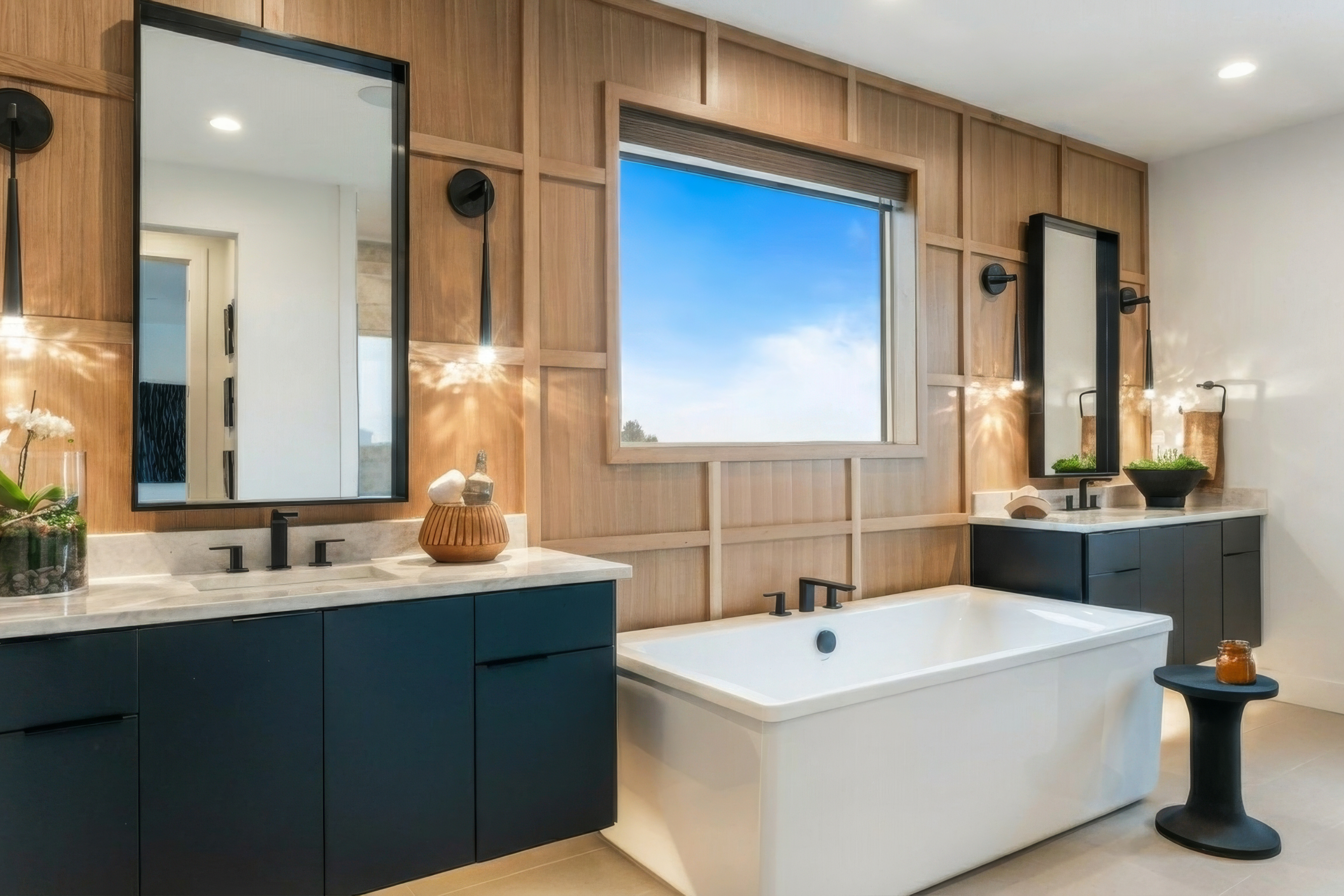
In Manhattan new development, the relationship between bedroom count and bathroom count significantly affects both livability and resale value. A two-bedroom unit with one bathroom is meaningfully less desirable at resale than a two-bedroom with two bathrooms, even at the same total square footage. A two-bedroom with two full baths is more desirable than a two-bedroom with one full and one half bath for most buyer configurations.
Also evaluate bathroom configuration. A bathroom where the door opens directly into the living area rather than through a foyer or corridor reduces acoustic and visual privacy. A primary bathroom that lacks sufficient counter space for two people using it simultaneously is a daily friction point in couples’ apartments. These are details that appear in floor plan analysis and that no amount of beautiful tile can fix after closing.
Seller Perspective
For sellers in Manhattan new development buildings in 2026, floor plan quality is one of the strongest differentiators in resale positioning. Units with corner exposure, functional kitchen layouts, split-bedroom configurations, and generous storage consistently command premiums over comparable-sized units with less desirable floor plan characteristics. Marketing that specifically highlights the floor plan’s quality, including the direction of windows, the kitchen work triangle, and the bedroom privacy configuration, will attract more qualified buyers than generic square footage and amenity marketing.
Considering a new development in Manhattan? Speak with our team to review the developer, building history, and investment potential before signing a contract.
Frequently Asked Questions
The most important elements to evaluate in a Manhattan new development floor plan include key Manhattan development features such as window placement and orientation, including the number of exposures, which directions the windows face, and what they look out at; ceiling height and its relationship to room width; kitchen layout functionality assessed through the work triangle between sink, refrigerator, and cooktop; bedroom placement and privacy configuration, particularly whether it is a split-bedroom or adjacent-bedroom layout; proximity to the elevator core and mechanical spaces; total storage and closet space distributed across the entire apartment; and bathroom count and configuration relative to bedroom count.
Yes, in most cases. Corner units in Manhattan new development provide two window exposures instead of one, delivering cross-light that significantly improves the natural light quality of the apartment. They also typically provide better cross-ventilation than single-exposure units. The corner position usually means the unit is farther from the elevator core, which reduces hallway noise. For new development buyers, the corner unit premium, typically 10 to 20 percent above a comparable interior unit at the same floor and building, reflects a daily quality-of-life improvement in natural light and acoustic privacy that most buyers who have lived in both configurations find well worth paying for.
A split-bedroom floor plan places the primary and secondary bedrooms on opposite ends of the apartment with the living area between them. This configuration provides acoustic isolation between the two bedrooms, which is particularly valuable for buyers who share the apartment with a partner, family member, or roommate. Split-bedroom layouts are generally the most desirable bedroom configuration in two-bedroom Manhattan apartments for both quality of life and resale value. The alternative, where bedrooms share a wall or are positioned side by side, provides less acoustic privacy and is generally considered less desirable, particularly in situations where the two bedrooms are occupied simultaneously by different people.
To evaluate natural light in a Manhattan new development apartment, identify how many windows the unit has and which cardinal directions they face. South-facing windows deliver consistent sunlight throughout the day. East-facing windows deliver morning sun and lose it by afternoon. West-facing windows provide the most valued afternoon and evening light for buyers who are home after work. North-facing windows deliver consistent diffuse light without direct sun. Beyond direction, assess what the windows currently face, whether an open street or setback, a light well, or an adjacent building’s facade, and research the development rights on adjacent parcels to evaluate view and light permanence. Corner units with two exposures typically deliver the best natural light at any given floor height.