
Upper East Side new development is selling out before it ever hits the public market, and most buyers have no idea. The Upper East Side real estate market does not make dramatic headlines. It does not need to. This is a neighborhood that has delivered consistent, reliable value across multiple market cycles precisely because its fundamentals, architectural scarcity, established demand, and the structural limitation of its supply, have remained intact regardless of what the broader market has done around it. In 2026, those fundamentals are producing a market that rewards prepared buyers and informed sellers more visibly than in recent years. Understanding what is actually happening in the UES market in 2026 requires separating the co-op and condo stories, which have diverged meaningfully, and understanding the new development sector that is moving faster than most buyers following this market realize.
The Numbers: Where the Market Stands in Early 2026
Upper East Side home prices as of February 2026 are up 2.9 percent year over year, with a median price of approximately $1.4 million across all property types. Homes are selling after a median of 88 days on market, up from 73 days the prior year, which reflects a market where buyer selectivity has increased rather than demand diminished. The most accurate read of this data is that buyers are being disciplined and the market is rewarding accurate pricing rather than aspirational positioning.
The UES condo market has been the stronger performer of the two primary property types. Condo prices are up meaningfully year over year, with the median condo price in the mid-to-upper $1 million range depending on the segment and sub-neighborhood. Luxury condos in prime locations, Park and Fifth Avenue addresses and the best Carnegie Hill buildings, have seen demand from buyers seeking the combination of architectural prestige and ownership flexibility that the UES condo market specifically provides.
The co-op market presents a more nuanced picture. Manhattan-wide co-op contracts declined 15 percent year over year in early 2026, and the UES co-op market reflects that broader trend in the buildings and price points most affected. However, the UES’s most prestigious co-op buildings along Park and Fifth Avenues represent a category that operates with its own logic. Trophy co-op apartments in the neighborhood’s landmark buildings have seen consistent demand from buyers for whom these addresses represent a specific and irreplaceable type of ownership. The broader co-op slowdown is most visible in the older buildings with higher carrying costs and more demanding financial requirements, not in the neighborhood’s most established and sought-after addresses.
The New Development Story

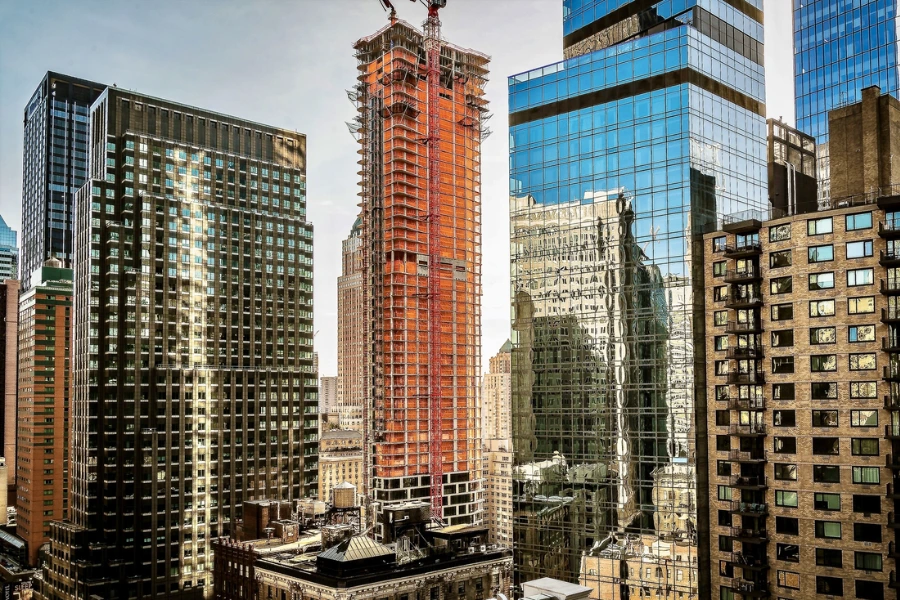
The UES new development market is moving faster than the broader market conversation acknowledges. Multiple boutique conversion projects in Carnegie Hill and Yorkville, the two sub-neighborhoods with the most active new development pipeline, have sold out before reaching the general market. The product driving this activity is specific. Developers have targeted the UES’s zoning and historic district environment with boutique conversion projects that preserve the neighborhood’s architectural character while delivering the contemporary interiors, modern systems, and amenity packages that buyers in this market now expect. These are not the massive glass towers that define new development in Hudson Yards or along 57th Street. They are smaller-scale projects, typically under 50 units, in buildings that carry the neighborhood’s visual language while providing everything that new construction buyers are paying for.
For buyers evaluating UES new development, the most important insight is timing. Buildings that sell out before reaching the broader market are accessible primarily through brokers with relationships in the development community. Buyers who wait for new development to appear on public listing sites in this neighborhood are often finding the best product already under contract.
Sub-Neighborhood Breakdown
The UES is large enough that sub-neighborhood dynamics matter for buyers and sellers making specific decisions. The core UES, roughly Fifth to Park Avenue from the mid-60s through the mid-80s, represents the most prestigious and consistently priced segment of the neighborhood. Pricing here is supported by scarcity, architectural quality, and the specific buyer profile that these addresses attract. Days on market for well-priced product in this corridor are among the shortest in the neighborhood. Carnegie Hill, roughly 86th to 96th Street, has developed its own identity as a more intimate and community-oriented address within the broader UES. The real estate market here benefits from the same structural supply constraints as the core UES but with a slightly more accessible entry point in certain building types. New development activity in Carnegie Hill has been the most concentrated in the neighborhood, and the boutique conversion projects that have absorbed quickly are disproportionately located here.
Yorkville, east of Third Avenue from the 70s through the mid-90s, provides the most accessible entry point into UES ownership. The sub-neighborhood has seen substantial commercial activity in recent years and the residential market has followed, with pricing that is 10 to 15 percent below comparable product in the core UES on a per-square-foot basis. Buyers who want the UES address and access to the neighborhood’s broader character at a more accessible price point consistently find Yorkville the most productive area to focus on.
What Buyers Should Know in 2026

The UES market in 2026 rewards buyers who are specific, prepared, and understand the building-level distinctions that drive real pricing differences. Co-op buildings on the UES range from white-glove landmark addresses with demanding approval processes to more accessible buildings with reasonable financial requirements. Buyers who eliminate all co-ops from consideration are working with a significantly constrained inventory. Buyers who understand the co-op landscape and can identify the buildings where their profile aligns well are finding genuine value, particularly in a broader co-op market where selectivity has increased.
Condo buyers on the UES have a more limited inventory to work with but find the product that exists consistently strong. New development condos, when available, are absorbing quickly and buyers who can move decisively when the right building appears consistently achieve better outcomes than those who wait for more options to emerge. Pre-approval is not optional in this market. Sellers in the UES’s established buildings expect buyers to arrive with financing confirmed, and in the co-op segment specifically, the board application process requires extensive financial documentation that should be assembled in advance rather than scrambled together after an offer is accepted.
What Sellers Should Know in 2026
The UES seller market is one of the most informed and data-rich in Manhattan. Buyers targeting this neighborhood arrive with detailed knowledge of comparable sales, building-specific transaction histories, and a clear picture of the competitive set. Accurate pricing from the first day of listing is more important here than in most Manhattan neighborhoods. The spring market, from February through May, consistently produces the most active buyer pool. Sellers who time their listings for this window with accurate pricing and professional presentation consistently achieve the strongest outcomes.
For co-op sellers specifically, the current market dynamic of increased buyer selectivity means that well-maintained apartments in buildings with strong financials, reasonable board processes, and appropriate carrying costs are receiving active attention while overpriced listings in buildings with higher carrying costs or more demanding processes are sitting longer. The co-op market rewards honest positioning more visibly than it has in recent years.The UES is one of the best long-term residential investment decisions available in Manhattan real estate, and that has not changed in 2026. If you are navigating a purchase or a sale in this neighborhood and want to discuss specific buildings, pricing strategy, or timing, reach out directly at TheNewYorkCityBroker.com/contact-me.
Frequently Asked Questions
What is the median home price on the Upper East Side in 2026?
As of February 2026, the Upper East Side median home price is approximately $1.4 million across all property types. The median condo price is higher, sitting in the mid-to-upper $1 million range, while co-ops provide more accessible entry points in older buildings. Home values are up approximately 2.9 percent year over year, reflecting steady appreciation in a market where pricing accuracy has become more important than in previous years.
Is the Upper East Side a good investment in 2026?
Yes, and the case is well-supported by the data. The UES has delivered consistent long-term value across multiple market cycles. Forecasters broadly project 2 to 4 percent appreciation for 2026, supported by structural supply constraints, consistent buyer demand from domestic and international purchasers, and the architectural scarcity of the neighborhood’s most prestigious addresses. The new development sector is moving quickly, with multiple projects selling out before reaching the public market. For buyers with a medium-to-long hold horizon, the UES remains among Manhattan’s most reliable residential investments.
Where is the Upper East Side real estate market headed in 2026?
The consensus forecast points toward continued modest appreciation in the 2 to 4 percent range, with the luxury and new development segments likely to outperform the broader market. Inventory remains tight, with boutique new development absorbing quickly and the prestige co-op segment maintaining consistent demand. The spring 2026 market is shaping up as a seller-leaning environment in well-positioned buildings, while buyer selectivity is increasing in the broader co-op segment. The most significant trend to watch is the continued acceleration of new development absorption in Carnegie Hill and Yorkville.
What types of properties are available on the Upper East Side?
The UES offers Manhattan’s broadest range of residential property types within a single neighborhood. Prewar cooperative buildings, concentrated along Fifth and Park Avenues and in Carnegie Hill, represent the neighborhood’s most architecturally prestigious inventory. Contemporary and newer condominium buildings provide ownership flexibility and modern systems. Boutique conversion new development projects are increasingly available in Carnegie Hill and Yorkville. Townhouses and brownstones, primarily on the side streets of the core UES, trade at multimillion-dollar levels and rarely come to market. This product diversity allows buyers across a range of budgets and ownership preferences to find appropriate options within the same neighborhood.
How does the Upper East Side co-op market look in 2026?
The UES co-op market is bifurcated in 2026. The most prestigious buildings along Fifth and Park Avenues maintain consistent demand and pricing from buyers who specifically seek these addresses. The broader co-op market reflects the Manhattan-wide trend of increased buyer selectivity, with contracts down year over year and days on market increasing. Buildings with strong financial positions, reasonable carrying costs, and accessible board processes are performing better than those with higher costs or more demanding requirements. Buyers who can navigate the co-op process with a well-prepared application are finding genuine value in a segment where competition has meaningfully decreased.
Is now a good time to sell on the Upper East Side?
For sellers with accurately priced, well-presented properties in buildings with strong fundamentals, the spring 2026 market is a strong window. Inventory remains tight, buyer activity is building into the spring season, and the narrative around the UES, particularly the new development activity and the continued demand for the neighborhood’s prestige addresses, supports seller confidence. The sellers who achieve the strongest outcomes are those who price against current closed comparables rather than aspirational benchmarks, list during the spring window, and present their properties professionally from day one.