

A Clear, Friendly, No-Fluff Guide for First-Time Home Buyers in Manhattan
If you’re a first-time buyer in Manhattan and feel like you’re walking into a test that everyone else studied for except you, take a breath every buyer starts exactly where you are right now. Buying your first Manhattan apartment isn’t just a real estate decision. It’s a lifestyle shift, an identity moment, and honestly, a badge of honor. But it only feels overwhelming when you don’t know what actually matters.
The good news? Once you understand the real criteria that matter in Manhattan real estate not the HGTV stuff, but the local, NYC-specific stuff everything becomes much clearer.
Let’s break it all down simply, clearly, and without fluff.
Start by Knowing What “Good” Looks Like in Manhattan
This city is unpredictable, glamorous, historic, chaotic, and beautiful all at once. And because of that, the quality of Manhattan apartments varies wildly. You’re not just buying four walls you’re buying light, air, layout, neighborhood culture, building reputation, and a lifestyle that only Manhattan can offer.
Here’s the truth:
Two apartments with the same square footage and similar amenities can have completely different values. That’s why your first focus shouldn’t be the décor; it should be the fundamentals.
Let’s talk about those fundamentals.
1. Layout Matters More Than Anything Else

People underestimate the importance of a good apartment layout. Don’t.
A bad layout drains joy out of daily living. A great layout makes even a smaller apartment feel bigger, brighter, and more livable.
Look for:
- A logical flow from entry to living space
- Bedrooms that aren’t squeezed into corners
- A kitchen that doesn’t block traffic
- Hallways that don’t waste square footage
- A living room you can actually furnish
- Windows that open up the space
In Manhattan, a great layout beats a renovation ten times out of ten. You can update finishes — you can’t move walls in a prewar co-op with a board that acts like the FBI.
2. Light and Exposure Are Non-Negotiable
Natural light is not a luxury in Manhattan it’s mental health.
Pay attention to:
- Exposure (north, south, east, west)
- Whether you face a courtyard, street, or brick wall
- Surrounding building heights
- Light at different times of day
- Possible future construction
Light equals value and it equals happiness. Bright homes resell better, rent better, and feel better.
3. Understand the Co-op vs Condo Divide
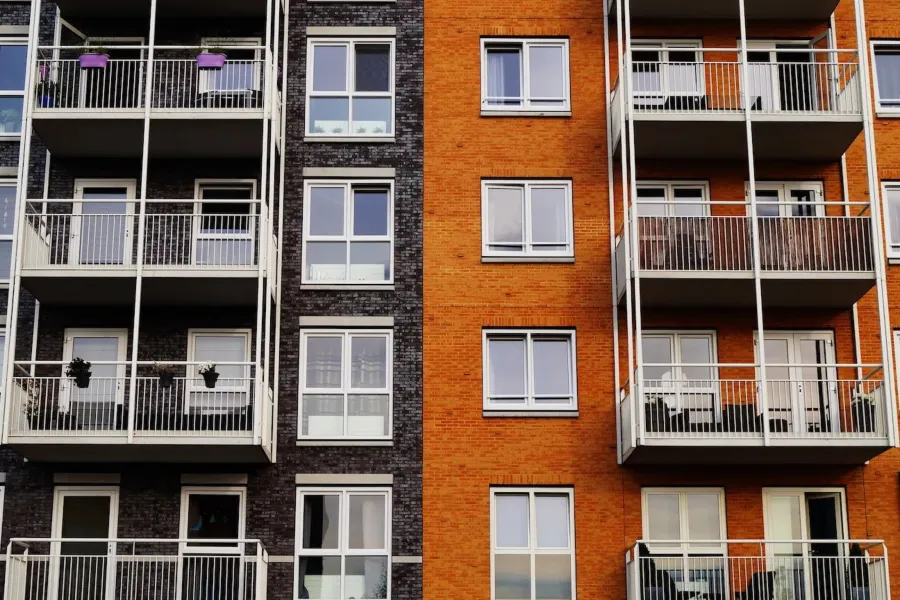
You can’t seriously shop for Manhattan real estate without understanding this difference.
Condos:
- More flexible
- Higher price
- Higher closing costs
- Easier to rent out
- Fewer rules
Co-ops:
- Lower purchase price
- Lower closing costs
- Stricter rules
- Financial reviews and board approval
- Often in beautiful prewar buildings
The question isn’t “Which is better?”
It’s Which fits the lifestyle you want?
(For financing decisions, always consult a licensed financial professional.)
4. Building Financials: The Invisible Factor Everyone Forgets
A stunning apartment in a poorly run building is a disaster waiting to happen.
Key items to check:
- Reserve funds
- Planned assessments
- History of maintenance increases
- Delinquency rates
- Age of major systems (boiler, roof, elevators)
Strong building financials = stable monthly costs and strong resale value.
Weak financials = surprise expenses and regret.
5. The Block Matters as Much as the Building

In Manhattan, local real estate insights reveal that the market is hyper-local. It’s not “location, location, location.”
It’s block, block, block.
Consider:
- Noise levels
- Restaurants and bars
- Proximity to hospitals or fire stations
- Sunlight on the street
- Long-term scaffolding
- Overall vibe
The neighborhood sets your lifestyle.
The block sets your daily environment.
The building sets long-term value.
The apartment sets your comfort.
You want all four aligned.
6. Look for Red Flags During Showings
First-time buyers often miss what agents see immediately.
Watch out for:
- Musty smells
- Furniture hiding flaws
- Low ceilings
- Excessive street noise
- Outdated lobby
- Slow or shaky elevators
- Old radiators
Not always deal-breakers — but always worth noting.
7. Pay Close Attention to Monthly Costs
Many first-time buyers focus on purchase price but forget monthly expenses.
Monthly costs affect:
- Affordability
- Loan approval
- Monthly comfort
- Long-term planning
Always evaluate the full financial picture. (Consult licensed professionals for exact financial advice.)
8. Understand Resale Value Before You Buy
Smart buyers think ahead.
Consider:
- Is the layout universally appealing?
- Does the building have a strong sales history?
- Are maintenance fees reasonable?
- Are there neighborhood changes coming?
A smart first purchase sets you up for your next move.
9. The Board Package Process Is Real
If you’re buying a Manhattan co-op, prepare for:
- A thorough board package
- A formal interview
- Financial review
- Personal references
It’s not scary — it’s just strict.
This process keeps co-ops stable during economic ups and downs.
10. Choose an Agent Who Specializes in Manhattan
This city is not the place for a generalist.
A Manhattan real estate agent helps you:
- Avoid overpriced units
- Understand building financials
- Compare micro-markets
- Identify red flags
- Navigate co-op boards
- Negotiate effectively
- Build long-term strategy
A great agent protects you from painful, expensive mistakes.
Final Thoughts: You’re Not Just Buying a Home – You’re Buying Manhattan
Buying a first apartment in Manhattan is a huge milestone.
And if you focus on what truly matters, not the staging, not the buzzwords you’ll make a decision you feel great about for years.
If you want guidance, a second opinion, or a sanity check before a showing, reach out anytime. Every buyer’s situation is unique, and I’m happy to help you navigate yours.