
Two apartments can have the same price, the same square footage, and be on the same block yet feel completely different because of when the building was constructed.
In Manhattan, the difference between pre-war and post-war buildings in Manhattan is more than architectural trivia. It affects how apartments look, how they function, how they are maintained, and how buyers experience living in them day to day.
Buyers often develop strong opinions about pre-war vs post-war early in their search, sometimes without fully understanding what those labels actually mean. This guide breaks down the real differences, the tradeoffs, and how to decide which building type fits your lifestyle and priorities.
First, what does “pre-war” and “post-war” actually mean?
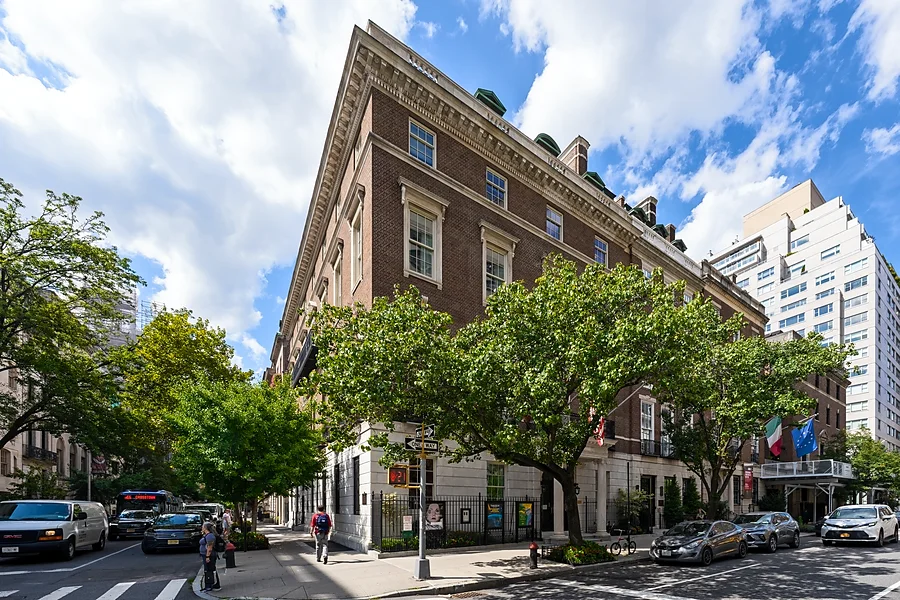
In Manhattan, pre-war buildings in Manhattan generally refers to buildings constructed before World War II, typically before 1945. Post-war buildings in Manhattan refers to buildings constructed after World War II, generally from the late 1940s onward.
These labels are not just about age. They reflect different building philosophies, construction methods, and design priorities. Within luxury living environments, doorman services in luxury buildings play a crucial role in enhancing the overall resident experience. These services not only provide security but also create a welcoming atmosphere that reflects the elegance of the property. Such attentive amenities contribute to the perceived value and prestige associated with high-end residences.
The defining characteristics of pre-war buildings in Manhattan

Pre-war buildings are often associated with classic Manhattan charm, but that charm comes with specific features and considerations.
Common pre-war features
- Thicker walls
- Higher ceilings, often 9 feet or more
- Detailed moldings and architectural character
- Smaller windows but deeper window wells
- Separate dining rooms in many layouts
Many buyers are drawn to the sense of solidity and craftsmanship that pre-war buildings offer.
Layouts in pre-war apartments
Pre-war layouts tend to be more compartmentalized.
You will often see:
- Defined rooms
- Formal dining areas
- Galley kitchens
- Fewer open-concept spaces
Some buyers love this separation. Others find it limiting, especially if they prefer modern, open living.
Storage and proportions in pre-war buildings
Pre-war apartments often have:
- More closets
- Better storage distribution
- Bedrooms that feel more substantial
However, kitchens and bathrooms are sometimes smaller than what modern buyers expect unless they have been renovated.
The reality of living in a pre-war building
Pre-war buildings can feel incredibly solid and quiet due to thicker construction. Many buyers notice less noise transfer between units.
At the same time, older systems can mean:
- More maintenance
- Older plumbing or electrical systems
- Occasional building-wide projects
Well-managed pre-war buildings plan for this proactively, but buyers should review financials carefully.
The defining characteristics of post-war buildings in Manhattan

Post-war buildings were built during a period of rapid development and changing priorities.
Common post-war features
- More efficient layouts
- Larger windows
- Simpler finishes
- More uniform apartment sizes
- Often elevators and doormen, depending on era
Post-war does not automatically mean modern. There is a wide range within this category.
Layouts in post-war apartments
Post-war layouts are often more flexible.
You may see:
- Larger living rooms
- More open kitchen possibilities
- Better flow for entertaining
- More consistent room sizes
This appeals to buyers who value functionality over formality.
Ceiling height and light differences
Post-war buildings often have:
- Slightly lower ceilings
- Larger windows
- More natural light overall
While ceiling height matters, light often has a bigger impact on how an apartment feels day to day.
Noise and construction considerations
Post-war construction can vary significantly.
Some buildings have:
- Thinner walls
- More sound transmission
Others, especially higher quality post-war buildings, perform very well acoustically.
Buyers should evaluate building quality individually rather than assuming based on era alone.
Maintenance and building systems
Post-war buildings often benefit from:
- Updated plumbing and electrical systems
- More standardized maintenance
- Fewer legacy issues
This can translate to:
- Fewer surprise repairs
- More predictable expenses
However, this depends heavily on management and reserves.
Amenities and services
Post-war buildings are more likely to include:
- Full-time doormen
- Elevators in smaller buildings
- Centralized systems
- On-site management
Pre-war buildings can have these as well, but it is more common in post-war stock.
How co-ops and condos factor into the equation

Many pre-war co-ops dominate the Manhattan market, while post-war buildings include a mix of co-ops and post-war condos.
This matters because:
- Co-op rules affect flexibility
- Condo ownership offers more freedom
The building era and ownership structure should be evaluated together, not separately.
Renovation considerations
Renovating in a pre-war building often involves:
- Board approvals
- Structural limitations
- Landmark restrictions in some cases
Renovations can be incredibly rewarding but require patience.
Post-war buildings often allow:
- More flexibility
- Easier mechanical upgrades
- Fewer architectural constraints
Buyers planning renovations should factor this in early.
How resale value differs
Both pre-war and post-war apartments can appreciate, but buyer pools differ.
Pre-war apartments often appeal to:
- Buyers seeking character
- Long-term owners
- Neighborhood loyalists
Post-war apartments often appeal to:
- First-time buyers
- Buyers prioritizing ease
- Investors, depending on building rules
Liquidity depends on location, condition, and price not just era.
Neighborhood patterns in Manhattan
Certain neighborhoods skew heavily toward one type.
Examples:
- Upper East Side: many pre-war co-ops
- Upper West Side: strong pre-war presence
- Midtown East: mix of pre-war and post-war
- Downtown Manhattan: more post-war and newer buildings
Sometimes the neighborhood determines the choice more than personal preference.
Common myths buyers believe
Myth: Pre-war is always better
Not true. Some pre-war buildings are poorly managed or outdated.
Myth: Post-war means cheap construction
Also not true. Many post-war buildings are extremely well built.
Each building must be evaluated on its own merits.
What buyers should prioritize instead of labels
Instead of focusing only on pre-war vs post-war, buyers should ask:
- How is the building managed?
- Are the financials strong?
- Does the layout fit my life?
- Is light adequate?
- Are future costs predictable?
These factors matter more than construction date alone.
The biggest mistake buyers make
The most common mistake is ruling out one category entirely too early.
Buyers who say “only pre-war” or “never post-war” sometimes miss apartments that would have been perfect for them.
Flexibility often leads to better outcomes.
How to decide what is right for you

Ask yourself:
- Do I value character or efficiency more?
- Do I plan to renovate?
- How important is light versus ceiling height?
- Do I want classic layouts or open flow?
- How much maintenance am I comfortable with?
There is no right answer, only the right fit.
Final perspective
Pre-war and post-war buildings each offer distinct advantages and tradeoffs. Understanding the difference between pre-war and post-war buildings in Manhattan helps buyers make confident decisions instead of emotional ones.When you know what you are choosing and why, the process becomes clearer and far less stressful.
If you want help evaluating buildings instead of relying on labels, you can reach me through my website or send me a message on Instagram @TheNewYorkCityBroker. I’m always happy to help buyers look beyond the label and focus on what truly matters.