

Choosing a neighborhood in Manhattan can feel like choosing a personality. Every area has its own energy, pace, culture, and quirks. Some neighborhoods feel relaxed. Others feel electric. Some feel refined. Others feel creative. And almost all of them have small differences block to block that completely change the experience of living there.
So how do you choose the right neighborhood without getting overwhelmed?
Here’s a clear, friendly guide to help you understand the deciding factors for living in Manhattan and what genuinely matters when making your choice.
Start With This: There Is No “Perfect” Neighborhood Only the Right Fit
You don’t choose a neighborhood based on reputation alone.
You choose based on your lifestyle.
The goal isn’t to find the “best neighborhood in Manhattan.” It’s to find the best neighborhood for you.
Let’s walk through how to make that decision thoughtfully and confidently.
1. Consider Your Daily Rhythm

Your day-to-day routines should guide your decision more than anything.
Ask yourself:
- Do you want quiet mornings?
- Do you like being near restaurants and nightlife?
- Do you prefer tree-lined streets?
- Do you want strong walkability?
- Do you need quick subway access?
- Do you want a neighborhood that feels social or private?
Your rhythm = your lifestyle=your long-term happiness.
2. Think About the Types of Buildings You Prefer
Different neighborhoods offer different building styles.
Ask yourself whether you prefer:
- Prewar co-ops
- Modern luxury condos
- Loft buildings
- Boutique walk-ups
- Brownstones
- New development towers
Your building preference can instantly narrow down which Manhattan neighborhoods will feel right for you.
3. Evaluate the Block Not Just the Neighborhood
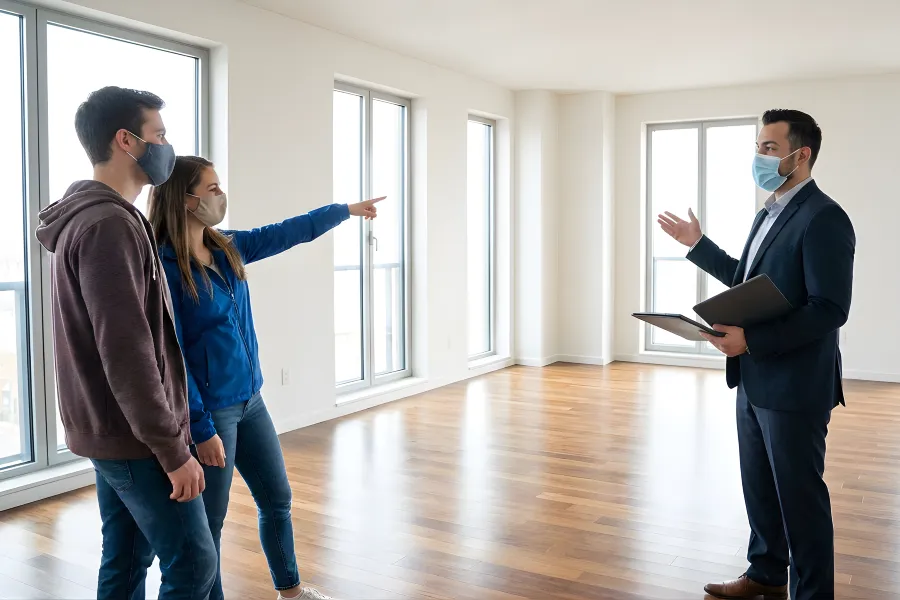
In Manhattan, the block matters as much (and sometimes more) than the neighborhood.
Two blocks apart can feel like two different worlds.
Pay attention to:
- Noise
- Light
- Foot traffic
- Street width
- Scaffolding
- Access to major avenues
- Restaurants or bars nearby
- Trees and greenery
- Parking and loading patterns
Visit at different times of day to get the true feel.
4. Understand Commute and Transportation Convenience
Even if you work from home, transportation matters because it impacts:
- Resale value
- Daily errands
- Social life
- Guests and visitors
Neighborhoods with strong subway access generally have higher long-term demand.
5. Consider the Type of Community You Want
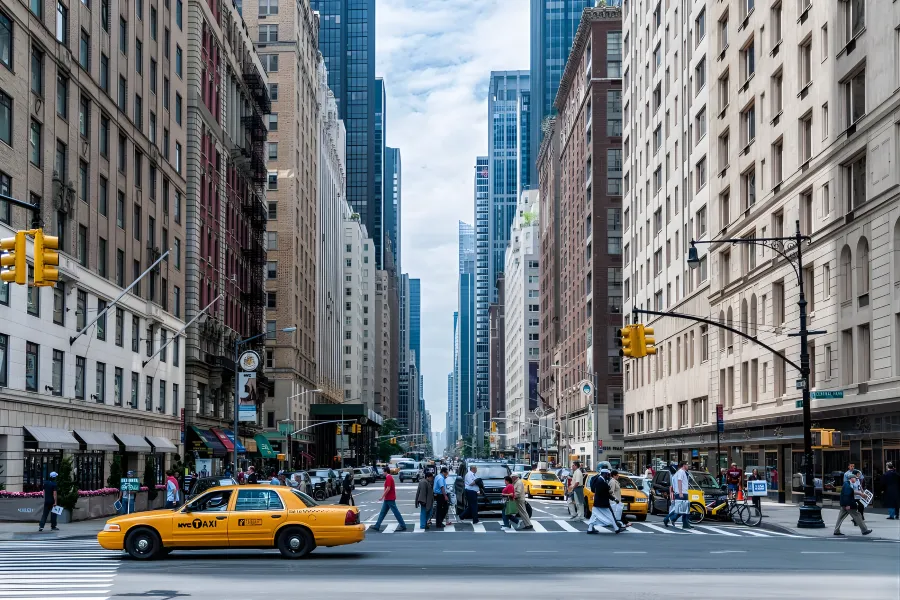
Every Manhattan neighborhood has its own personality. Here’s a simple breakdown:
If you prefer relaxed & residential:
- Upper West Side
- Upper East Side
- Battery Park City
If you prefer lively & social:
- East Village
- Lower East Side
- Hell’s Kitchen
If you prefer polished & upscale:
- Tribeca
- Flatiron
- SoHo
- West Village
If you prefer artsy & creative:
- Chelsea
- Nolita
- NoHo
If you prefer modern & amenity-rich:
- Hudson Yards
- Midtown West
- Financial District
These are general tendencies Manhattan always has surprises.
6. Think About Your Budget and What It Buys You in Each Area
Your budget stretches very differently depending on the neighborhood.
For example, a $1.3M apartment may look:
- Spacious on the Upper East Side
- Cozy in the West Village
- Modern in Midtown West
- Historic in Soho
Look at real examples so you understand what your money actually buys.
7. Test Each Neighborhood in Real Life

This is one of the most overlooked steps and one of the most important.
Spend time in each area:
- Walk around
- Try a café
- Sit in a park
- Visit at night
- Run errands
- Observe the people and pace
Neighborhood chemistry is real. You’ll feel it.
8. Think Long-Term, Not Just Immediate Emotion
Ask yourself:
- Can I see myself here in three years?
- Does this neighborhood support the lifestyle I want?
- Will this block still feel right once the novelty fades?
- Can I grow into this area?
Buying in Manhattan is not just about excitement it’s about comfort and sustainability.
9. Consider Resale Value and Future Demand

Even if you plan to stay long-term, resale value matters.
Look at:
- Inventory levels
- Neighborhood price trends
- New developments
- Local amenities
- Walkability
- Access to trains and parks
Choose a neighborhood that fits your life and supports long-term market strength.
10. Talk to Someone Who Knows Manhattan Block by Block
Manhattan is complex. The best decisions often come from speaking with someone who understands:
- Building culture
- Block-by-block dynamics
- Market patterns
- Pricing trends
- Neighborhood personalities
Good guidance can save you time, money, and stress.
Final Thoughts
Choosing the right Manhattan neighborhood is one of the most personal and most important parts of the buying process. When you know what to look for, you make decisions with clarity instead of confusion. You end up in a neighborhood and a block that genuinely feel like home.
If you ever want guidance or a neighborhood breakdown based on your lifestyle, I’m always happy to help.