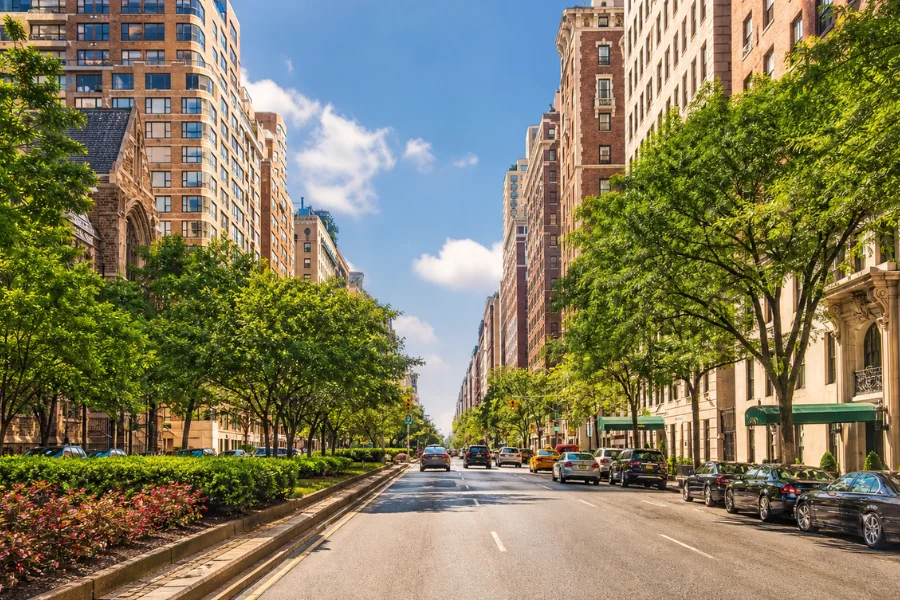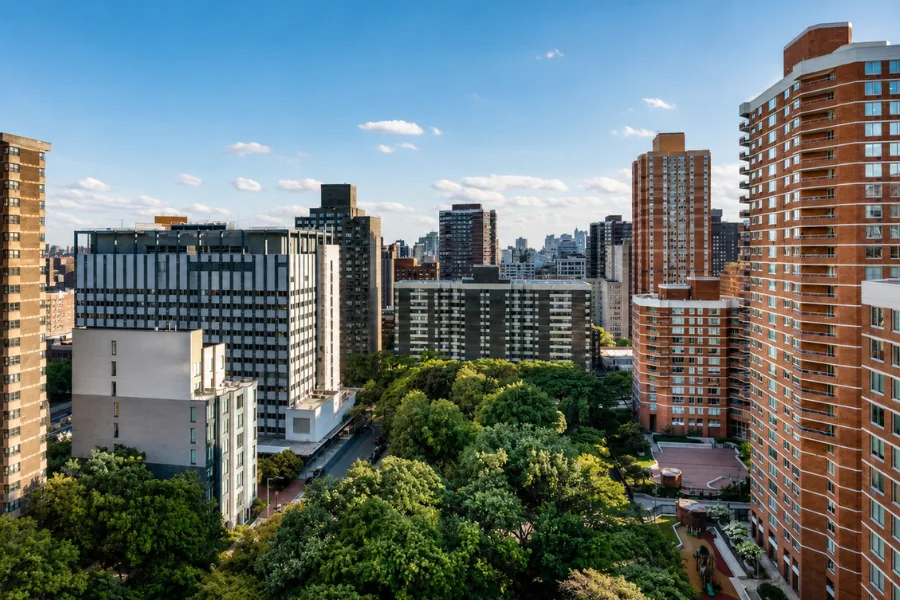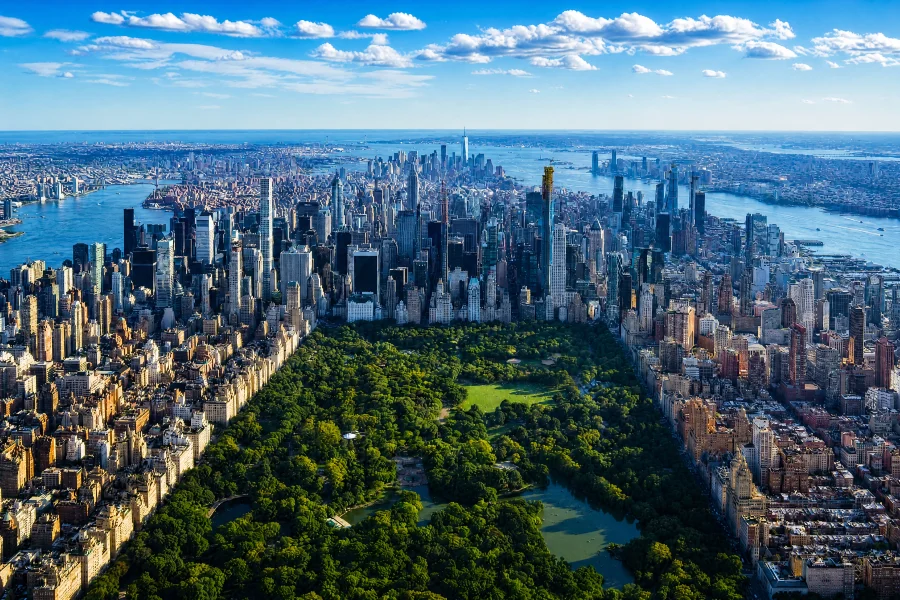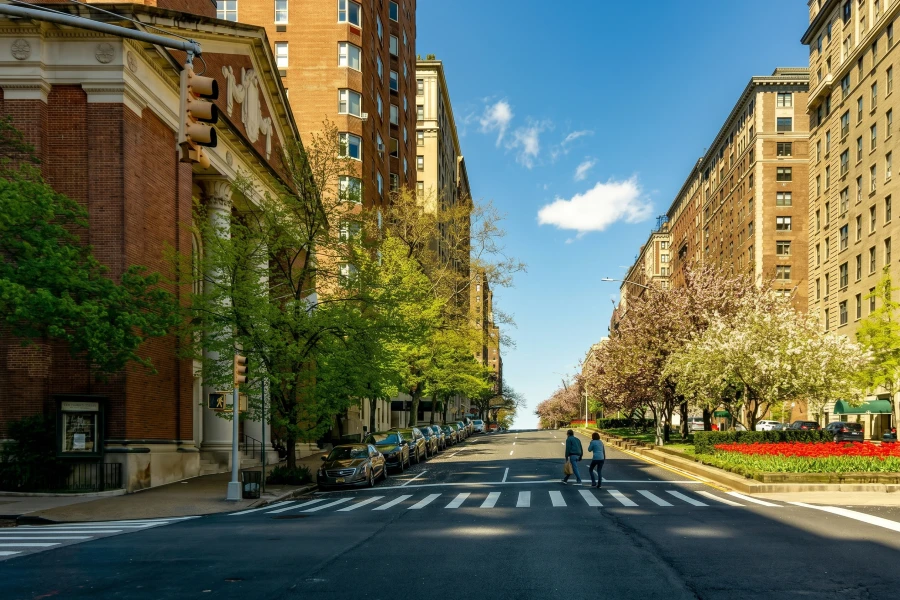

For most of the last century, the Upper East Side was co-op country. The legendary Rosario Candela buildings along Park and Fifth Avenues set the standard for Manhattan residential living and new construction simply could not compete with them. Buyers who wanted the UES bought co-ops. That was the deal.
Something shifted. The Second Avenue Subway opened in 2017 and transformed the eastern blocks of the neighborhood practically overnight. Transit access that had made Yorkville feel remote from the rest of the city was suddenly direct and fast. Developers noticed. So did buyers. In the years since, the Upper East Side has seen a wave of new condominium development concentrated primarily along the Third Avenue corridor and the eastern blocks from the 60s through the 90s, producing buildings that combine the neighborhood’s architectural language with contemporary finishes, modern mechanical systems, and amenity packages that rival anything in Manhattan.
In 2026, the UES new development market is more active and more architecturally ambitious than it has been in decades. Multiple buildings are under construction, several are actively selling, and one of the most anticipated new addresses in New York City history is moving toward delivery on Fifth Avenue. Buyers who understand this pipeline, and understand what distinguishes the best product from the rest, are making some of the most informed moves in the borough right now.
For the full market context behind what is driving UES real estate in 2026, see our Upper East Side Real Estate Market Trends 2026.
Why New Development Has Surged on the Upper East Side
The Second Avenue Subway is the structural story behind the UES new development wave. Before the Q train arrived at 72nd, 86th, and 96th Streets, the eastern blocks of the neighborhood were served primarily by buses and required a longer walk to the Lexington Avenue 4, 5, and 6 trains. For buyers and renters prioritizing transit, that friction pushed demand toward the western blocks and other neighborhoods entirely.
The Q train eliminated that friction. Third Avenue and the surrounding blocks became genuinely accessible to the rest of Manhattan in a way they had not been before. Land values on the eastern UES responded accordingly, and developers who had been watching the neighborhood moved quickly to assemble sites and file plans.
The result is a Third Avenue corridor that has become the spine of UES new development, with towers rising between the 60s and 90s that are producing the most significant additions to the neighborhood’s residential skyline in a generation. These buildings are not glass boxes. The developers and architects who have chosen to build here have largely embraced the neighborhood’s architectural traditions, working in limestone, brick, and classical details that create a visual continuity with the prewar buildings that define the neighborhood’s identity.
The Active Buildings: What Is Selling Now
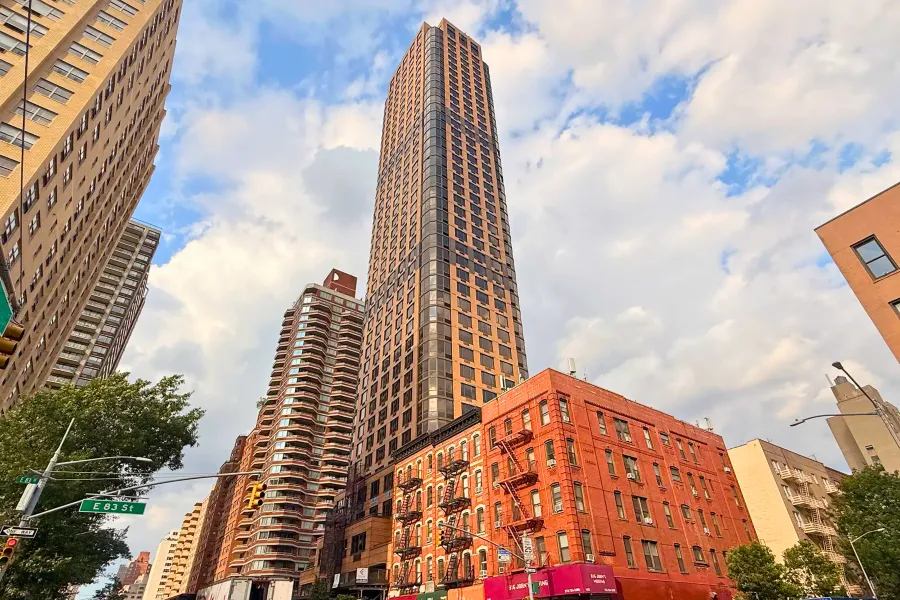
200 East 83rd Street
200 East 83rd Street, developed by Naftali Group and Rockefeller Group and designed by Robert A.M. Stern Architects with interiors by Rottet Studio, is the building that established the template for UES new development at the highest level. The 35-story, 86-unit tower at the corner of Third Avenue and 83rd Street is clad in hand-laid Indiana limestone with classical details including ironwork, arched windows, and wildflower carvings on the facade. The building’s signature architectural move is placing the pool and health club on the 17th floor rather than in the basement, positioning the amenity space to take advantage of city views in a vaulted, arched pool room with floor-to-ceiling windows.
Residences at 200 East 83rd feature custom crown moldings, continuous white oak flooring, Smallbone cabinetry, Calacatta Elba marble countertops, and Miele and Sub-Zero appliances. Pricing has ranged from approximately $2.4 million for one-bedrooms to $32.5 million for penthouse residences. A penthouse at the building went into contract for $27 million, establishing a record for Third Avenue. The building is actively selling with resale units available as the building has moved through its initial sellout. Upper east side real estate trends show a growing demand for luxury properties, reflecting the latest market dynamics. With more buyers seeking upscale amenities and prime locations, competition is intensifying in this coveted neighborhood. Investors are paying close attention, as properties with unique features are quickly becoming hot commodities.
The Treadwell at 249 East 62nd Street
The Treadwell is a 28-story Art Deco-inspired condominium at 249 East 62nd Street in Lenox Hill, designed by INC Architecture and Design with SLCE as architect of record. The building ranked as New York City’s number two selling building in the boutique category in 2024, with 40 deals and over 60 percent sold. Residences start at approximately $1.7 million for one-bedrooms, $2.35 million for two-bedrooms, and $3.95 million for three-bedrooms. The building’s design pays homage to the prewar architecture of the surrounding blocks while delivering modern amenities including wellness programming and complimentary memberships to concierge medicine group Sollis Health.
200 East 75th Street
200 East 75th Street, an 18-story building designed by Beyer Blinder Belle and developed by EJS Group at the corner of Third Avenue and 75th Street, is completing construction and delivering 35 condominium units in two to six-bedroom layouts. The building’s boutique scale, 35 units across 18 floors, means most residences are large and the floor-count-to-unit ratio is generous. For buyers who want the Third Avenue corridor positioning with a smaller building community and larger average unit sizes, 200 East 75th represents a compelling option in the current active pipeline.
400 East 84th Street
400 East 84th Street is a rental-to-condominium conversion in Yorkville with units priced from approximately $1.1 million for one-bedrooms into the multi-millions for larger residences. The conversion represents the kind of existing building stock transformation that has added meaningful condo inventory to the eastern UES without requiring ground-up construction timelines.
126 East 86th Street
126 East 86th Street, developed by RYBAK Development with interiors curated by Antonio Ventimiglia of S20M Milan, is a 20-story building at 86th Street in Carnegie Hill with an Art Deco-inspired limestone facade. The building emphasizes wellness-focused amenities and design quality as its primary selling proposition. Its Carnegie Hill location places it at the quieter, more neighborhood-oriented northern end of the UES new development corridor.
The Pipeline: What Is Coming
185 East 80th Street
Demolition is actively underway at 185 East 80th Street for a 34-story Robert A.M. Stern Architects-designed tower being developed by Skyline Developers. The 497-foot-tall building will yield 61 condominium units and is addressed alternately as 1410-1418 Third Avenue at the corner of Third Avenue and East 80th Street. At 61 units across 34 floors, the average unit size will be substantial. Stern’s involvement continues his extraordinary record on the Upper East Side, where 200 East 83rd has set the pricing and quality benchmark for the Third Avenue corridor.
1448 Third Avenue
1448 Third Avenue, a 39-story, 125-unit tower designed by CetraRuddy Architecture and developed by Douglaston Development, topped out in February 2026. The 478-foot-tall building at the corner of Third Avenue and East 82nd Street is slated for completion in fall 2027 and will yield an average unit scope of approximately 1,804 square feet. The building’s massing and prewar-inspired aesthetic position it directly adjacent to the 200 East 83rd Street building, creating a concentration of new development quality at the Third Avenue and 82nd-83rd Street corner that has no precedent in this part of the neighborhood.
242 East 71st Street
Earthwork is underway at 242 East 71st Street, a 22-story Robert A.M. Stern Architects-designed tower developed by Avdoo at the corner of Second Avenue and East 71st Street. The building will yield 50 condominium units with ground-floor retail and enclosed parking. Anticipated completion is summer 2028. The building’s location by the northern entrance to the 72nd Street Q train station makes it one of the most transit-accessible addresses in the pipeline.
800 Fifth Avenue
800 Fifth Avenue is the most anticipated new residential address in Manhattan. Naftali Group acquired the existing rental building on the site for $810 million and received Landmarks Preservation Commission approval to replace it with a new Robert A.M. Stern Architects-designed limestone tower containing 55 condominiums with Central Park views. This will be the first major new condominium on Fifth Avenue overlooking Central Park in decades. Given Stern’s track record at 15 Central Park West and 220 Central Park South, both of which set pricing records for their respective eras, 800 Fifth Avenue is expected to redefine the pricing ceiling for Upper East Side new development when it comes to market. Buyers who are watching the UES new development story at the highest level are watching 800 Fifth Avenue.
New Development vs Resale on the Upper East Side: How to Think About the Choice
The UES new development premium is real and buyers should understand what they are paying for and whether it serves their specific needs.
New development condos on the Upper East Side deliver contemporary finishes, modern mechanical systems, in-unit washer/dryers, central AC, and amenity packages that the prewar co-op stock cannot match. They also offer condo ownership structure, which means no board approval, flexible subletting, and easier resale to a broader buyer pool including investors and international purchasers.
The trade-off is price. New development on the UES trades at a significant premium to comparable resale product. At 200 East 83rd Street, closed sales have exceeded $3,000 per square foot. Comparable space in a prewar co-op on the same block might trade at $1,200 to $1,500 per square foot. The difference is real and buyers need to decide whether the new construction finishes, amenity package, and condo structure justify it for their specific situation. Upper east side property comparisons reveal significant discrepancies not just in pricing but also in the overall value proposition. Buyers must carefully evaluate the benefits of modern construction versus older models to make informed decisions. Understanding these dynamics will be crucial as they navigate the competitive market.
For buyers who plan to hold long-term, use the apartment as a primary residence, and prioritize space and architectural character over contemporary finishes, the UES prewar co-op stock offers value that new development cannot match at comparable price points. For buyers who want condo ownership, contemporary finishes, full amenity packages, and maximum flexibility, the new development pipeline on the UES offers product that combines neighborhood prestige with the modern residential experience in a way that was simply not available a decade ago.
The Third Avenue Story: What It Means for Buyers
The concentration of new development along Third Avenue between the 60s and 90s is not accidental. Third Avenue is the logical development corridor on the eastern UES because its mixed-use zoning allows taller buildings than the surrounding residential zones, which are limited to 75 feet. That height advantage means developers building on Third Avenue can produce views and light on lower floors that would be impossible on a side street, creating a product differentiation that supports the pricing premiums these buildings command.
For buyers evaluating the Third Avenue corridor, the practical implication is that lower-floor units in the new towers often deliver light and view quality that comparable floors in denser midtown towers do not. The surrounding low-rise residential buildings create an openness that newer buyers sometimes underestimate when comparing floor-by-floor pricing to buildings in more densely developed neighborhoods.
Seller Perspective

For owners of units in UES new development buildings who are considering selling in 2026, the market context is favorable. Median condo prices are up over 20 percent year over year Manhattan-wide. The UES new development pipeline is active, which means buyers are engaged with this product category and comparing options. Buildings where the original sponsor sellout is substantially complete tend to see resale pricing that reflects the building’s established reputation rather than the uncertainty premium that attaches to buildings still in their initial sales phase.
The most important factor for sellers in UES new development buildings in 2026 is differentiating their specific unit’s positioning within the building’s pricing structure. Floor height, exposure, and finish condition drive significant variation in value even within the same line, and sellers who present their unit’s specific advantages clearly and price relative to the most recent comparable closed sales in the building will consistently outperform those who price aspirationally without that context.
Thinking about buying in a new Upper East Side development? Connect with us for expert guidance on pricing, floor plans, amenities, and the latest Manhattan launches. Let’s talk through what the current pipeline actually delivers and which building makes the most sense for your situation.
Frequently Asked Questions
The active new development buildings on the Upper East Side in 2026 include new developments on the Upper East Side, such as 200 East 83rd Street, the Robert A.M. Stern-designed 35-story tower by Naftali Group and Rockefeller Group where resale units are available in the $2.4 million and above range; The Treadwell at 249 East 62nd Street, an Art Deco-inspired building over 60 percent sold with residences starting around $1.7 million; 200 East 75th Street, an 18-story boutique building delivering 35 units in two to six-bedroom layouts; 400 East 84th Street, a rental-to-condo conversion with one-bedrooms from approximately $1.1 million; and 126 East 86th Street in Carnegie Hill. In the pipeline, 1448 Third Avenue, 185 East 80th Street, 242 East 71st Street, and 800 Fifth Avenue represent the next wave of significant new product. Stern-designed 35-story tower by Naftali Group and Rockefeller Group where resale units are available in the $2.4 million and above range; The Treadwell at 249 East 62nd Street, an Art Deco-inspired building over 60 percent sold with residences starting around $1.7 million; 200 East 75th Street, an 18-story boutique building delivering 35 units in two to six-bedroom layouts; 400 East 84th Street, a rental-to-condo conversion with one-bedrooms from approximately $1.1 million; and 126 East 86th Street in Carnegie Hill. In the pipeline, 1448 Third Avenue, 185 East 80th Street, 242 East 71st Street, and 800 Fifth Avenue represent the next wave of significant new product.
The Second Avenue Subway, which opened in 2017 with stations at 72nd, 86th, and 96th Streets, is the primary driver. Before the Q train, the eastern blocks of the UES lacked direct subway access, which suppressed developer interest and land values relative to the neighborhood’s overall prestige. The Q train changed that calculation entirely, making Third Avenue and the surrounding blocks genuinely competitive with the rest of Manhattan from a transit perspective. Developers who had watched the neighborhood moved quickly to acquire sites, and the buildings now under construction and delivering reflect that wave of activity. The result is the most significant addition to the UES residential skyline in a generation.
New development condos on the UES offer contemporary finishes, modern mechanical systems, in-unit washer/dryers, central air conditioning, and full amenity packages including pools, fitness centers, and concierge services that the prewar co-op stock cannot match. They also offer condo ownership structure with no board approval, flexible subletting, and broader resale appeal. The trade-off is price. New development trades at a significant per-square-foot premium to comparable prewar co-op space. Buyers who prioritize architectural character, room proportions, and ceiling heights of the prewar buildings often find compelling value in the co-op stock. Buyers who prioritize contemporary finishes, amenity packages, and ownership flexibility consistently gravitate toward new development despite the premium.
800 Fifth Avenue is a forthcoming condominium development on Fifth Avenue overlooking Central Park, developed by Naftali Group and designed by Robert A.M. Stern Architects. The site currently holds a rental building that Naftali acquired for $810 million. The new tower will contain 55 condominium residences. It will be the first major new condominium on Fifth Avenue with Central Park views in decades. Given Stern’s track record at 15 Central Park West and 220 Central Park South, two of the most successful residential projects in Manhattan history, 800 Fifth Avenue is expected to set new pricing benchmarks for the Upper East Side when it comes to market. For buyers at the highest level of the UES new development market, this is the building to watch.
Prices for new development condos on the Upper East Side in 2026 vary significantly by building, size, and floor. Entry-level one-bedrooms in buildings like 400 East 84th Street and The Treadwell start in the $1.1 to $1.7 million range. Two-bedrooms at the premium buildings like 200 East 83rd Street and The Treadwell typically start in the $2.4 to $2.35 million range. Three-bedrooms range from approximately $3.95 million upward. Penthouses and full-floor residences at the most prestigious buildings have traded above $27 million. The Third Avenue corridor buildings generally price from $2,500 to $3,500 per square foot for well-positioned units, representing a premium over resale co-op product but a relative value compared to comparable new development in Tribeca or the West Village.
The new development corridor along Third Avenue on the Upper East Side is served primarily by the Q train at 72nd Street, 86th Street, and 96th Street stations, which provide direct service to Midtown, the East Village, and Brooklyn. The Lexington Avenue 4, 5, and 6 trains serve the western blocks of the UES at 59th, 68th, 77th, 86th, and 96th Streets, with the 4 and 5 express trains providing rapid access to Midtown and Lower Manhattan. The combination of Q train and Lexington Avenue service makes the UES new development corridor one of the best-connected residential zones in Manhattan, with access to multiple lines within a reasonable walking distance from most new development buildings.