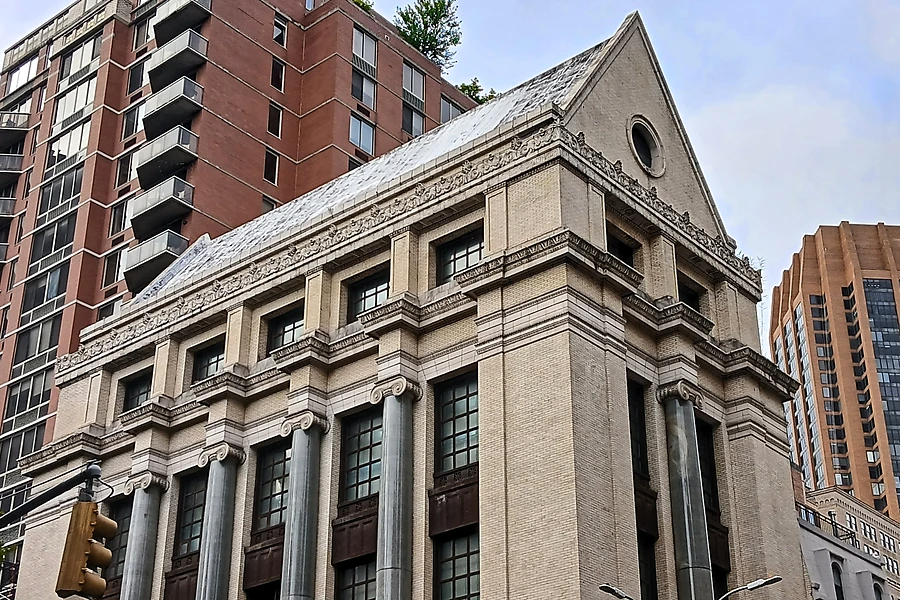

If you are selling a new development condo in the first year, you are not simply listing a newer apartment. You are asking a buyer to choose your resale while the sponsor may still control the building, hold unsold inventory, and offer concessions that do not appear in the recorded price.
A strong sale remains possible, but pricing and preparation must reflect the building’s unfinished story.
The seller’s job is to make the buyer’s comparison simple. The winning presentation is not the one with the most adjectives. It is the one that answers the buyer’s questions with documents and realistic numbers.
For background on how sponsor inventory and concessions affect buyer decisions, see New Development Concessions in Manhattan. The buyer-facing guide shows why seller credits can change a comparison even when the recorded price stays the same.
Selling a New Development Condo in the First Year: Price the Competition
Start with the sponsor’s remaining inventory
Before setting a price, identify every comparable unit the sponsor can still sell. Obtain the current availability list, asking prices, floor plans, exposure information, finish packages, and incentives if they are available.
Sponsor inventory can have advantages that a resale cannot copy. It may be unoccupied, have untouched finishes, include a warranty relationship, or come with a concession. Your resale can answer with immediate occupancy, known building operations, installed window treatments, upgrades, a lower total cash requirement, or a more flexible closing date.
Do not assume the sponsor’s public asking price is the sponsor’s effective price. A sponsor may protect its offering-plan price while paying transfer taxes, providing free common charges, contributing to a rate buydown, or including storage. Ask the buyer’s attorney to compare the full economics, not just the advertised number.
Build a first-year evidence file
A new-development seller should assemble a digital evidence file before marketing. Include the purchase contract and amendments, closing statement, deed, offering plan sections that affect the unit, current common charges, property-tax bills, insurance information, warranties, repair requests, and correspondence about unfinished work.
Add the current declaration, bylaws, house rules, recent board minutes if available, budget, reserve information, assessment notices, and managing-agent contact details.
If the unit has a sponsor warranty, preserve every written notice and response. Do not describe it as proof that the unit has no defects. Review its coverage, notice rules, exclusions, assignment rights, and deadlines. The Housing Merchant Limited Warranty Law does not automatically cover every Manhattan tower.
Confirm the building’s legal occupancy status
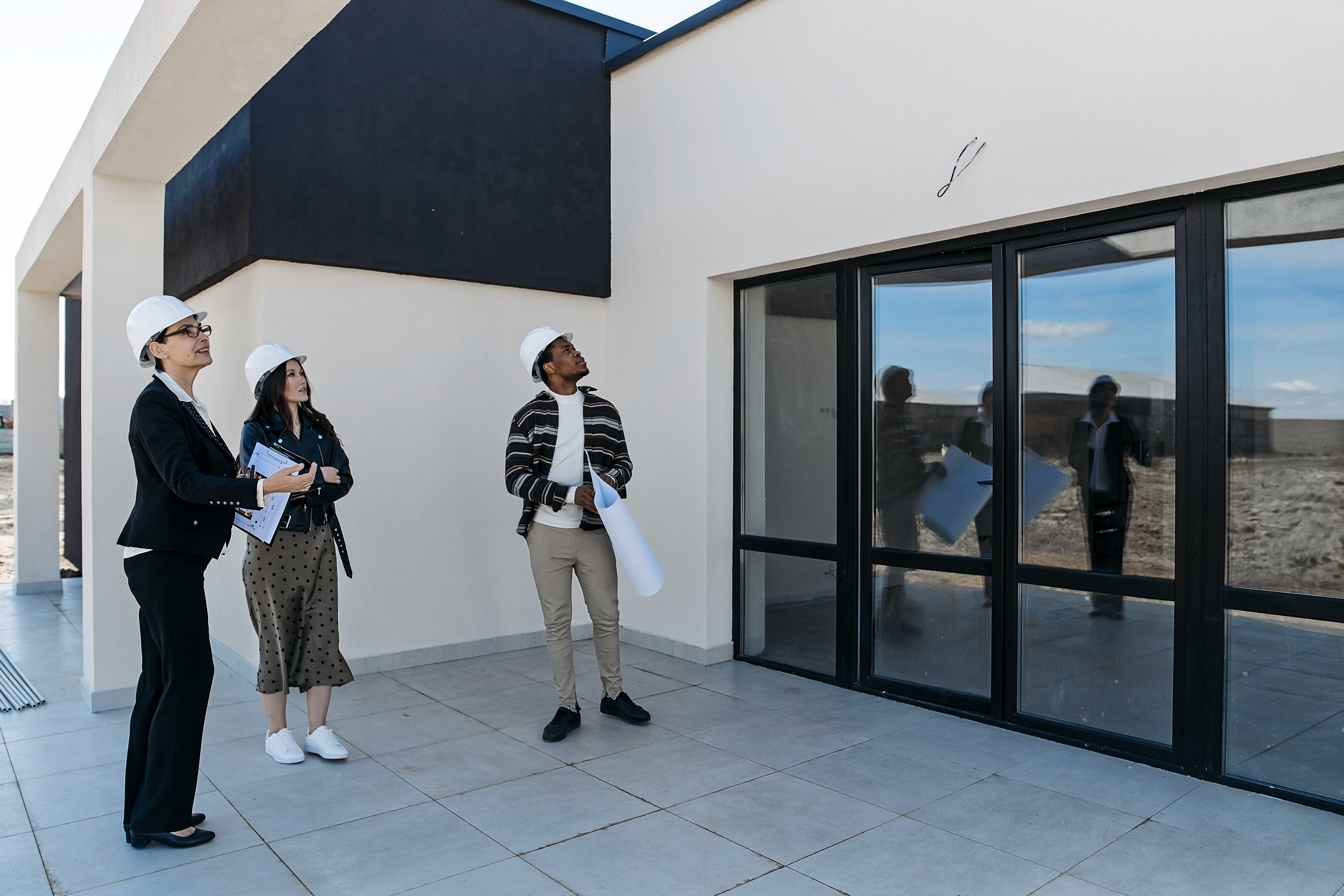
New buildings require a DOB-issued certificate authorizing occupancy, generally a final or temporary certificate and in some cases an interim certificate. A TCO means DOB considers the space safe to occupy while outstanding items remain. Verify the certificate type, scope, and expiration in the actual DOB record.
A TCO typically expires after 90 days and may require renewal. It is not the same as a final CO. Before listing, obtain the actual DOB record and ask counsel or a qualified professional to explain any open items, objections, permits, or violations affecting the unit or common areas. Open DOB violations can interfere with a sale or refinance and can prevent a new or amended certificate from being issued. That does not mean every blue-tape item is a violation. It does mean that the seller should separate three categories: ordinary warranty work, building-management work, and legal or DOB issues.
Treat the punch list as a transaction issue

The first-year seller should document the original punch list, the dates reported, the person responsible, and the status of each item. Photograph completed work and keep invoices, inspection notes, and written confirmations. A buyer may accept a small open item, but uncertainty about responsibility creates negotiation pressure.
An independent inspection can help distinguish cosmetic settling or maintenance from a condition requiring professional review. Do not promise that the sponsor will finish every item before closing unless the sponsor has agreed in writing. If work will remain open, the contract should address access, deadlines, escrow, assignment of warranty rights, and the buyer’s remedies.
Explain common charges without overselling them
The offering plan’s first-year common-charge budget is a projection, not a guarantee that the same amount will continue. Actual staffing, insurance, utilities, repairs, management, and reserve needs can differ after the building begins operating.
Give buyers the current common-charge statement and any approved increases or assessments. If the first budget was subsidized or based on an assumed number of occupied units, say so accurately. A transparent explanation is better than allowing a buyer to discover an increase late in diligence. The same caution applies to real estate taxes. A plan may disclose projected taxes based on an assessment before construction is complete. Taxes can rise after completion and reassessment. The seller should provide the current bill and avoid representing a projected tax amount as a permanent monthly cost.
Review sponsor control and board documents

A first-year condominium may still be sponsor-controlled. The sponsor’s voting percentage, board seats, unsold units, management agreements, and common-charge obligations should be confirmed from the current governing documents and amendments.
New-construction plans can provide for sponsor control longer than a buyer expects. The general concept that control changes after a percentage of common interest is sold or after a period of years is not a substitute for reading the particular declaration and bylaws.
A buyer may ask whether the sponsor is current on common charges, whether the sponsor controls the managing agent, whether major decisions remain sponsor-led, and when unit owners can elect a different board majority. Answer from records, not impressions.
Price against closed sales, not hope

Use closed sales as the foundation of the pricing analysis. The New York City Department of Finance rolling-sales files can identify recent condominium transactions by neighborhood, building type, size, and other fields. ACRIS can then help verify the recorded deed and consideration.
Closed records have limits. They may not reveal concessions, condition, related-party terms, or whether the sale was sponsor inventory. A recorded number is evidence of a transfer, not automatic proof of market value.
The strongest first-year comps usually match the same building, unit line, bedroom count, approximate size, floor, exposure, outdoor space, and condition. Nearby projects can provide context, but they should not displace a good same-building comparison.
Use the Manhattan plan example carefully
The Attorney General database identifies 220 East 9th Street Condominium at 220 to 228 East 9th Street in Manhattan as plan CD250157. The record identifies a new condominium offering, an 18-unit residential component, 10 parking units, sponsor Astor Nine LLC, and a plan effective date of February 6, 2026. That record verifies plan identity and filing metadata only. It does not establish the building’s physical condition, final certificate status, completed amenities, warranty performance, or the value of any individual unit. Those facts require separate DOB, building, contract, and inspection evidence.
The example is useful because it shows how a buyer or seller can start due diligence. Search the plan, read its amendments, identify the sponsor and principals, then compare those disclosures with the actual building records and the unit’s closing file.
Make the resale economically legible
A sponsor buyer may face transfer taxes, mansion tax, supplemental tax, legal fees, working-capital contributions, and other charges depending on the contract. A resale buyer may face a different set of costs. The seller should not claim that one category always applies or that a concession is legally required. Instead, prepare a side-by-side estimate with the buyer’s attorney and lender. Show purchase price, estimated transfer taxes, common charges, taxes, assessments, lender charges, title charges, and credits. Label planning figures as estimates. The signed contract and closing statement control.
A buyer who sees a clear comparison can understand why a resale at a different price may still be competitive. A buyer who has to calculate everything alone may discount the unit to compensate for uncertainty.
For a hypothetical $2,000,000 single residential condo sale, nominal tax components are $28,500 NYC RPTT, $8,000 NYS base tax, $20,000 mansion tax, and $5,000 supplemental tax: $61,500 in total before other costs. The first two are ordinarily seller-side; the last two are buyer-side. Contract shifts and taxable-consideration adjustments require counsel’s calculation.
Account for short-term gain before accepting an offer

For a capital asset held one year or less, measured from the day after acquisition through disposition, a gain is generally short-term and taxed at ordinary-income rates. Amount realized, adjusted basis, selling costs, depreciation, and how the property was used all matter; ask a tax professional to review the actual closing documents.
The federal home-sale exclusion is separate. A condominium can qualify as a main home, but the seller generally must satisfy ownership and residence tests, including two years of ownership and use during the five-year period ending at sale. A first-year resale often does not meet that full test.
Partial exclusions and exceptions may apply for qualifying changes in employment, health, or unforeseen circumstances. Rental or business use, depreciation, prior exclusions, and a second home can change the result. Do not advertise the exclusion as an expected benefit.
Check New York nonresident withholding rules
A nonresident individual, estate, or trust selling New York real property may have to estimate New York tax on gain at the time of transfer. The filing and payment rules are separate from transfer taxes and depend on residency, gain, and available exemptions. A principal-residence exemption may apply under the relevant federal rules, but it is not automatic merely because the apartment was occupied. If only part of the property qualifies as the principal residence, the gain may need to be allocated between residential and other use.
Ask the seller’s tax adviser about the correct 2026 form and timing before closing. This is especially important when the seller lives outside New York, the unit was rented, or the seller expects a substantial gain.
Prepare for financing and project review

The buyer’s lender may review the entire condominium project, not only the apartment. New projects can raise questions about presales, construction completion, legal documents, insurance, reserves, sponsor concentration, and owner occupancy. Fannie Mae project guidance distinguishes new and established projects and can require lender review of presales, project documents, completion, and legal compliance. A previous mortgage on the unit does not guarantee that a future buyer’s lender will approve the project under current rules.
Give the buyer’s lender access to the managing agent or sponsor contact identified by the building. Provide current insurance, budget, questionnaire, and board information through the proper channel. A clean package reduces the chance that financing becomes a late surprise.
Use concessions without damaging the record
A seller can negotiate a credit, repair escrow, furniture inclusion, closing-date adjustment, or payment of a defined cost. Every concession should be written into the contract or closing documents and reviewed for lender, tax, disclosure, and appraisal treatment.
Do not disguise a price reduction as a side agreement. Do not promise a credit that the lender will not permit. Do not assume a buyer can use a seller credit for every cost. The settlement agent and lender must determine how the concession is disclosed and applied.
If sponsor inventory is offering six months of common charges, a resale seller might offer a targeted credit instead of matching the sponsor’s exact program. The credit should reflect the unit’s competitive position and the buyer’s approved financing structure.
Seller Strategy: Launch With Documents and a Clear Comparison

The first-year seller should launch only after the unit’s legal, financial, and physical file is organized. Price from closed same-building evidence, then adjust for sponsor inventory, remaining concessions, floor, view, outdoor space, finishes, common charges, taxes, assessments, and timing.
Position the resale around facts a sponsor cannot replicate. The buyer can see the finished apartment, review actual operating costs, close on a known timetable, and understand the building’s lived-in performance. If the unit has upgrades, identify them with invoices or specifications. If a warranty item remains open, disclose the status and proposed resolution.
The seller should decide in advance which terms matter most: price, closing date, repair scope, included personal property, or a defined credit. Before accepting an offer, compare the written terms with the sponsor’s currently available units.
Have counsel and the lender test whether any proposed credit is usable and whether unresolved warranty items need a closing condition. That makes negotiation deliberate rather than reactive. For a first-year new-development resale against sponsor inventory, contact TheNewYorkCityBroker.com/contact-me for a pricing review.
The Contract and Closing Timeline

Protect the Contract and Closing Timeline
The purchase agreement should address the unit’s condition, included fixtures, open work, warranty assignment, assessments, common-charge adjustments, title, financing, closing date, and any required board or right-of-first-refusal procedure. A condominium board may have different powers from a cooperative board, but the governing documents still matter.
The contract should also identify which party pays each transfer tax and project-specific charge. New York and New York City taxes have different thresholds and payer rules. A sponsor’s prior practice is not a substitute for the signed resale contract.
Before closing, reconcile the latest payoff, common charges, taxes, assessments, credits, repair escrow, and transfer-tax forms. Keep copies of the final deed, closing statement, and any post-closing warranty agreement. These records support both tax reporting and future resale diligence.
Set expectations about first-year value

A first-year resale is not automatically worth more because the building is new. The buyer is paying for the unit and accepting the building’s early operating history, sponsor control, construction follow-up, and possible tax or common-charge changes. It is also not automatically worth less. A completed apartment with a known view, finished improvements, immediate availability, and documented building performance can be more useful to a buyer than an unoccupied sponsor unit with a longer delivery or uncertain schedule.
The right pricing question is practical: what would a qualified buyer pay after comparing the actual unit, actual monthly costs, actual project documents, and the sponsor’s current net offer? Answer that question with evidence, and the first-year resale becomes a transaction buyers can understand.
Frequently Asked Questions
It can be more complicated because the seller may compete with sponsor inventory and concessions. The resale can still be attractive when it offers immediate occupancy, known building operations, documented upgrades, a flexible closing, or a lower total buyer cash requirement.
Pricing should compare the buyer’s full economics, not only the list prices. The sponsor’s net price can include credits that are absent from a listing page, while your resale may offer a shorter path to closing and actual operating records.
Not automatically. Waiting may reduce direct sponsor competition, but it also delays your sale and exposes you to changing rates, taxes, assessments, and market conditions. First review current sponsor inventory, remaining concessions, closed sales, and your carrying cost.
A well-supported launch can work before sellout if the unit is positioned clearly. Calculate the cost of waiting three and six months, including common charges, tax, interest, and assessments. Compare that carrying cost with a realistic concession, not an assumed future increase.
Ask whether the sponsor is changing prices, releasing new lines, or offering a preferred-lender credit before deciding that waiting will improve your result.
A sale may be possible, but the TCO’s scope, expiration, renewals, open objections, contract terms, lender requirements, and buyer’s intended occupancy must be reviewed. A TCO is not a final CO.
Obtain current DOB records and have counsel explain whether any open matter affects the unit, common elements, title, financing, or closing. The buyer’s lender may require a final CO or additional evidence even when occupancy is legally permitted under the TCO.
Create a written schedule identifying each item, responsible party, status, and expected completion. Preserve notices, photographs, invoices, and sponsor responses. The contract can address access, escrow, deadlines, warranty assignment, and post-closing work.
Do not describe an item as harmless or complete unless the appropriate professional or responsible party has confirmed that position. A written completion schedule also helps decide whether an escrow is needed and who controls access after closing.
Ask whether sponsor warranties are assignable, whether the first buyer must remain involved, and whether the lender accepts a holdback. Do not assume a resale buyer receives all sponsor-purchaser rights.
A gain on property held one year or less is generally short-term capital gain and is generally taxed at ordinary income rates. Your adjusted basis, selling expenses, improvements, depreciation, residency, entity ownership, and use of the apartment matter.
A tax professional should calculate the result from the actual acquisition and sale documents. Selling expenses and qualifying capital improvements can affect adjusted basis, while depreciation or business use can create separate taxable amounts that a simple price-minus-price calculation misses.
The tax result belongs to the seller, not the listing description, so obtain advice before making a net-proceeds promise. Also preserve records showing improvements, rental periods, and prior home-sale exclusions.
Ask a New York tax adviser whether estimated tax must be paid under the nonresident real-property rules and whether a principal-residence or other exemption applies. The answer can depend on residency, gain, property use, and whether only part of the unit qualifies as a main home. This estimated-income-tax process is separate from transfer taxes. Confirm the required form and exemption certification before the deed is recorded. A missed payment or documentation requirement can delay closing even when the price and other commercial terms are settled.
For this first-year new-development sale or another NYC listing, contact TheNewYorkCityBroker.com/contact-me.