
If you are comparing a Manhattan sponsor sale with a resale, this new development warranty guide for Manhattan explains what the law, offering plan, contract, and closing documents protect. It separates the statutory warranty from sponsor promises, punch lists, building defects, maintenance, and occupancy records.
New Development Warranty Guide for Manhattan: Read the Documents
A condo is sold through documents, not one promise. Start with the accepted offering plan and every amendment, then read the purchase agreement, riders, specifications, declaration, bylaws, limited warranty, and manufacturer warranties together. The sponsor’s sales brochure and verbal statements are not a substitute for those documents.
A useful early companion is Brett Ari Fischer’s How to Evaluate a New Development Developer in Manhattan. Use it for practical diligence on the sponsor’s principals, prior buildings, general contractor, litigation history, Department of Buildings records, financing, and transition plan. It is a broker resource, not a substitute for legal or engineering advice.
Start with the correct statute
The statutory protection is the Housing Merchant Implied Warranty in GBL Article 36-B. The key provision is GBL 777-a. It is not Real Property Law section 777-a. Real Property Law Article 9-B is the Condominium Act, which addresses condominium ownership, common elements, boards, and related governance.
GBL section 777 defines the builder as an entity contracting with an owner for construction or sale of a new home. It defines skillful construction by reference to applicable building code standards, or locally accepted building practices when no relevant code standard exists. Those definitions matter when a sponsor argues that a condition is merely cosmetic or outside the warranty.
The five-story limit
For this statutory warranty, a new home includes a for-sale unit in a multi-unit residential structure of five stories or less where title transfers under a condominium or cooperative regime. A Manhattan tower above five stories is not within that statutory definition merely because it is newly built or sold by a sponsor.
For a taller building, the buyer must focus on the express limited warranty, specific offering-plan and contract obligations, the declaration and bylaws, manufacturer warranties, and any other applicable legal theory. Do not describe a high-rise buyer as automatically receiving the one-, two-, and six-year GBL schedule.
What the statutory schedule covers

For one year from the warranty date, the home must be free from defects caused by failure to have been constructed in a skillful manner. This is not a guarantee that every finish will be perfect. The buyer still must connect the condition to workmanship, builder-supplied materials, or qualifying builder-retained design.
For two years from the warranty date, plumbing, electrical, heating, cooling, and ventilation systems must be free from defects caused by the builder’s failure to install those systems skillfully. The statute defines these systems broadly, but the buyer should identify the component, symptom, installation issue, and affected location in the written claim.
For six years, the home must be free from material defects. The statutory definition is narrow. It concerns actual physical damage to load-bearing portions, such as foundations, footings, beams, girders, lintels, columns, walls and partitions, floor systems, and roof framing, where the failure affects load-bearing function enough to make the home unsafe, unsanitary, or otherwise unlivable.
The warranty date is generally the earlier of the first transfer of title to an owner for residential occupancy or the first residential occupancy. Do not assume the date of your own closing starts every period. Ask counsel to calculate the warranty date and each deadline from the building’s actual first occupancy and closing history.
Exclusions and ordinary maintenance

The implied warranty generally does not cover a condition that is not defective workmanship by the builder or its agents, employees, or subcontractors, defective materials supplied by them, or qualifying defective design by a professional retained exclusively by the builder. Causation is often the central dispute. It also does not cover a patent defect that an examination should have revealed when the buyer inspected as fully as desired before taking title or accepting construction as complete, or refused to inspect. That rule makes the pre-closing inspection important. Record visible conditions rather than assuming they will be covered later.
Normal settlement, drying, shrinkage, routine wear, owner misuse, and ordinary maintenance are not automatically construction defects. The NYAG buyer guide gives small nail pops from normal settlement as a typical maintenance example and notes that hairline concrete cracks may be normal as concrete dries. Those examples do not create a blanket crack exclusion. A progressive crack, water intrusion, failed flashing, unsafe condition, recurring system failure, or damage linked to improper installation may require an engineer’s evaluation. Describe what changed, when it changed, what is affected, and whether the condition threatens safety, habitability, finishes, or structure.
Sponsor express and limited warranties

A sponsor may offer an express limited warranty that modifies the statutory implied warranty only through the procedure and minimum standards in GBL section 777-b. The buyer must receive the express terms in writing before signing, and the warranty must be included in or annexed to the purchase agreement.
The contract must conspicuously mention the Housing Merchant Implied Warranty and say that the limited warranty excludes or modifies it. A clause saying that there are no warranties beyond the face of the contract can be sufficient only within the statute’s larger requirements. A hidden disclaimer is not a safe substitute for compliance.
The limited warranty must be written in plain English and identify the warrantors, covered portions, exclusions, standards, response duties, terms, commencement date, and claim procedure. It must extend to the first owner and survive title transfer, although it may exclude later owners if the statutory requirements allow that result.
The warranty’s standards cannot permit construction below a relevant building-code standard or below locally accepted building practice. An exclusion also cannot permit conditions that render the home unsafe.
Any consequential-damages exclusion or total-liability cap must be conspicuous on the first page. Section 777-b limits exclusions for property damage proximately caused by the defect where they defeat the warranty’s essential purpose, while permitting an express total-liability cap.
Offering plan promises remain important
The offering plan is the sponsor’s disclosure document and often becomes part of the contract. Part 20 calls for building, unit, common-element, specification, amenity, system, legal, and sponsor disclosures, plus an approximate construction timetable where applicable. The plan should disclose what is promised, what is optional, and what may be substituted.
A sponsor’s specific promise to build in substantial accordance with filed plans, use comparable materials, provide a promised amenity, obtain a permanent certificate of occupancy, or furnish a stated manufacturer warranty may support a contract claim separate from a limited-warranty claim.
The signed documents determine whether that promise survives closing and how it must be enforced.
Common elements and building-wide claims

Common elements generally include the land, foundations, structural members, main walls, roofs, halls, lobbies, stairs, elevators, central service installations, recreational facilities, parking, storage, and other property necessary for maintenance and safety, unless the declaration says otherwise. Check the declaration because a limited common element may be assigned to fewer units.
The board of managers generally acts for the condominium in building-wide matters. Real Property Law section 339-dd permits the board to bring an action on behalf of two or more unit owners for a cause of action concerning common elements or more than one unit. A unit owner should promptly notify the board and preserve evidence.
Finnegan shows why classification matters. The court held that common-element allegations did not receive a six-year major-structure period where the pleadings did not show that the units were unsafe, unsanitary, or uninhabitable.
The owners were left with the one- or two-year period under the limited warranty, and late notice barred the statutory claim.
A high-rise has a different statutory problem. In 20 Pine, the First Department held Article 36-B inapplicable to the taller condominium and rejected a common-law implied housing merchant warranty claim. The statute separately defines covered multi-unit for-sale structures as five stories or less. The buyer’s express documents became central.
The punch list and closing file
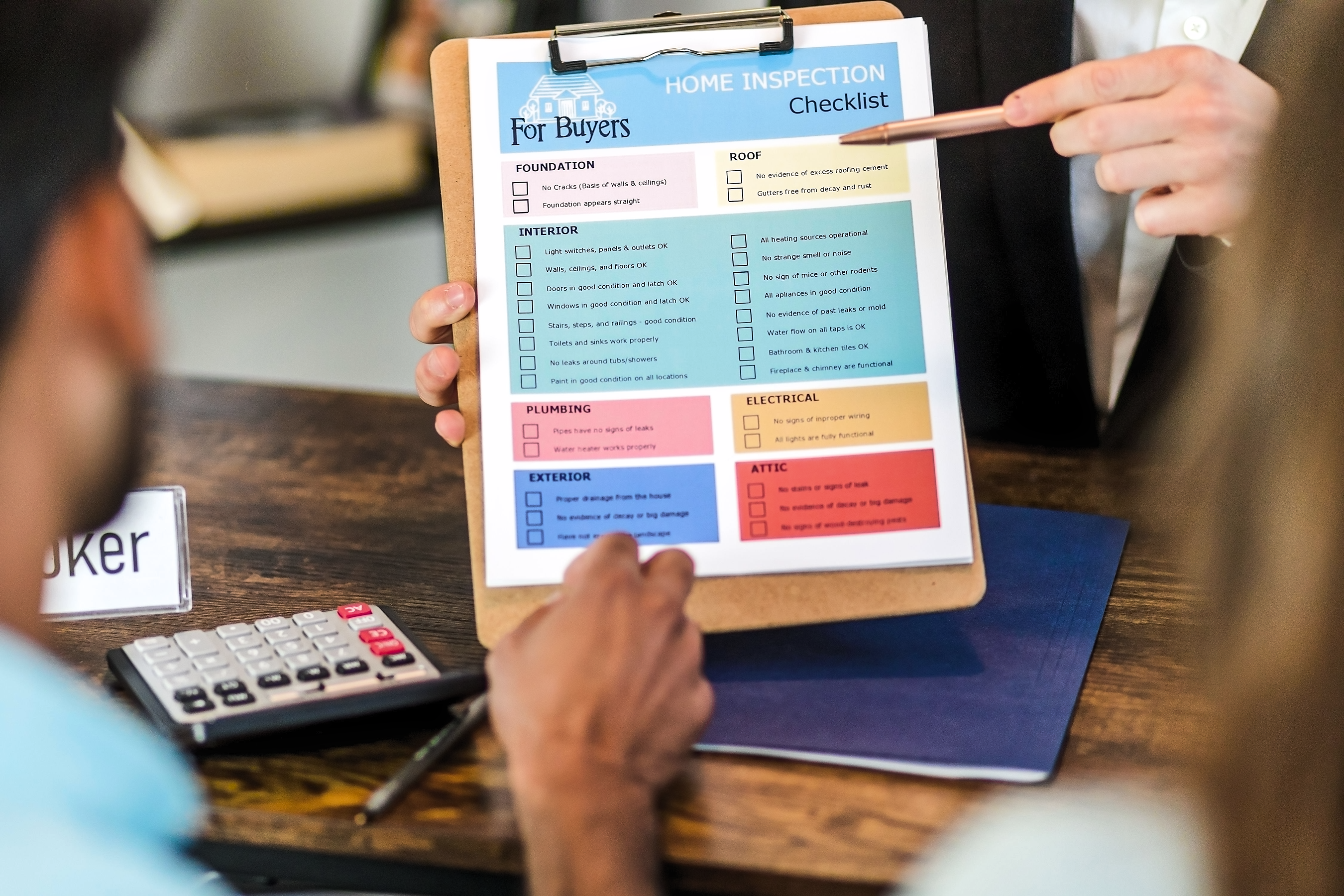
Schedule a professional walkthrough before closing if possible. Test appliances, faucets, drainage, heat, air conditioning, outlets, doors, cabinets, windows, ventilation, and visible finishes. Compare the apartment with the plan and specifications. Photograph each item with a date, location, and description.
The written list from that walkthrough is the punch list. If the sponsor will repair items after closing, put the list and the sponsor’s written commitment into the closing documents. State what will be repaired, by whom, by when, with what access, and whether the obligation survives closing.
Do not rely on an oral promise that a superintendent, salesperson, or contractor will return. A punch list is not automatically a complete warranty claim, and a warranty claim is not automatically a punch list.
Use both documents where appropriate, and send a separate statutory or contractual notice if the defect may outlast the punch-list procedure.
Notice, inspection, and repair procedure

GBL section 777-a requires written notice received by the builder before suit and no later than 30 days after the applicable statutory period ends. The offering plan or limited warranty may require earlier or more specific notice. Treat the earliest applicable deadline as controlling until counsel confirms otherwise.
Send notice to the exact recipient and address identified in the plan or warranty. Use the required delivery method, such as certified mail, overnight service, or another documented method. Keep the signed letter, exhibits, delivery record, tracking, receipt, and every response in one claim file.
A useful notice identifies the unit, common-element location, date discovered, symptoms, suspected cause if known, photographs, expert findings, prior complaints, and requested inspection or repair. Do not overstate the diagnosis. Preserve alternative theories, including breach of plan, purchase agreement, limited warranty, statutory warranty, manufacturer warranty, and board rights.
The owner and occupant must afford the builder a reasonable opportunity to inspect, test, and repair. Coordinate access in writing. If emergency mitigation is necessary to protect people or property, document the emergency, preserve removed materials where practical, obtain photographs and expert observations, and notify the sponsor promptly.
CO, TCO, and code compliance
A New York City certificate of occupancy states the legal use or type of permitted occupancy. A temporary certificate may allow occupancy while outstanding issues remain before a final certificate. These documents are important due diligence records, but neither is a private warranty that every finish, system, amenity, or construction detail is defect-free.
A CO or TCO addresses occupancy, not a private sponsor warranty. In Loft Space, the court treated a TCO as only a rebuttable presumption of code compliance and allowed pleaded hazardous-condition and permanent-CO contract claims to proceed.
NYAG complaints and mediation

A written complaint to the NYAG Real Estate Finance Bureau can be appropriate for sponsor misconduct, offering-plan violations, and building-wide problems. The Bureau asks buyers to contact the sponsor first and may seek patterns, practices, or broader remedies. It does not act as private counsel or guarantee investigation, repair, damages, or restitution.
The Bureau’s complaint materials exclude construction defects in an individual unit. That does not eliminate private legal rights. It means the buyer should use the sponsor’s claim procedure and obtain private legal advice instead of treating an NYAG complaint as a substitute for notice or litigation. There is no verified blanket NYAG mediation remedy for an individual new-development warranty claim. General NYAG consumer mediation is a separate program, and the New York City Bar Co-op and Condo Mediation Project is a separate voluntary process requiring the parties’ participation.
Confirm forum, consent, fees, confidentiality, and any contractual arbitration clause before choosing it.
A coordinated building-wide complaint may be more useful where many owners report the same undisclosed condition or sponsor failure. The complaint should be factual, organized by unit and common element, supported by the plan and expert evidence, and clear about what remedy is requested.
Keep the private claim timetable running while the complaint is reviewed.
Buyer Strategy: Preserve the Claim Before Closing

Before signing, obtain the complete accepted offering plan, every amendment, purchase agreement, rider, specifications, declaration, bylaws, budget, warranties, and manufacturer documents. Ask counsel to mark every deadline, disclaimer, survival clause, substitution right, sponsor obligation, and arbitration or forum clause.
Before closing, hire an independent inspector familiar with new construction. Walk every room, test every system, photograph every condition, and prepare a detailed punch list. Compare delivered work with the plan, not only with the model apartment. Obtain written commitments for post-closing work and make them survive closing.
At the first sign of a defect, create a claim file. Send timely written notice under the strictest applicable procedure, identify the location and symptoms, request inspection, and preserve access. Notify the board when common elements or multiple units may be affected.
Do not wait for a neighbor, board meeting, or NYAG response to start the clock.
For a building-wide issue, owners should ask the board to retain independent counsel and an engineer, evaluate insurance and reserves, preserve records, and coordinate a single technical investigation. Individual owners should still preserve their own notices and documents. A board process should supplement, not replace, each owner’s contract and warranty rights.
For a Manhattan new-development buyer review before signing, contact TheNewYorkCityBroker.com/contact-me.
Never assume that a TCO equals a warranty, that a punch list replaces a claim, that a sponsor disclaimer defeats every promise, or that a six-year period applies to every defect. Have New York counsel calculate the warranty date and deadlines from the actual documents and facts.
Frequently Asked Questions
No. The statutory warranty is in GBL Article 36-B, not RPL section 777-a, and its definition of a new home covers a for-sale unit in a residential structure of five stories or less. A taller condominium does not automatically receive the statutory one-, two-, and six-year schedule. Its protection usually depends on the express limited warranty, offering plan, purchase agreement, and other applicable law. Confirm the building story count and warranty language before assuming Article 36-B applies, especially in mixed-use projects.
The one-year period concerns defects caused by unskillful construction. The two-year period concerns listed plumbing, electrical, heating, cooling, and ventilation systems installed unskillfully. The six-year period concerns narrow material defects involving load-bearing components that make the home unsafe, unsanitary, or otherwise unlivable.
The periods do not create a blanket guarantee for every cosmetic or maintenance issue. A buyer must still connect the condition to covered workmanship, materials, installation, or a qualifying material defect, and must follow the applicable notice procedure. The warranty date may be earlier than the buyer’s own closing date.
Written statutory warranty notice must be received by the builder before suit and no later than 30 days after the applicable warranty period ends. The plan or limited warranty may require an earlier procedure, a particular address, delivery method, or claim form.
Send a detailed notice promptly, preserve proof of delivery, and offer a reasonable opportunity to inspect, test, and repair. Send the notice to the precise recipient and address stated in the plan or warranty, use the required delivery method, and keep proof that it was received.
It can help, but only if it is documented and incorporated into enforceable closing documents with a written sponsor commitment. The list should identify each item, responsible party, repair scope, timing, access, and survival after closing.
A punch list does not automatically replace a statutory warranty notice or preserve a defect that is otherwise subject to a missed deadline. If work will occur after closing, identify the repair scope, deadline, access terms, and survival language in signed closing documents.
Continue separate warranty notice for a condition that may not be limited to listed punch-list work.
The declaration determines whether the area is a common or limited common element, and the board generally manages common elements. Under RPL section 339-dd, the board may bring claims relating to common elements or more than one unit.
Notify the board, coordinate technical investigation, and preserve individual owner notices because a building-wide process does not automatically resolve every owner’s separate claim. Owners should notify the board promptly while preserving their own notices, photographs, expert reports, and contract or warranty deadlines. The board investigation should not cause an individual owner to miss a sponsor notice date.
The NYAG may review sponsor misconduct, offering-plan violations, and building-wide patterns, but it is not the buyer’s private lawyer and an NYAG complaint is not a lawsuit. A CO or TCO addresses legal occupancy and code administration, not private warranty performance.
Use the sponsor’s claim procedure, protect deadlines, and obtain counsel for a private remedy. Do not wait for an agency response before sending sponsor notice, requesting inspection, or evaluating a court deadline under the actual warranty and contract documents. Agency review does not toll every private deadline.
For a Manhattan new-development warranty review or another NYC purchase, contact TheNewYorkCityBroker.com/contact-me.