
What $1.5 million buys in the Financial District depends on the actual unit, building and closing costs. One verified sponsor ask falls below the budget; a larger resale requires its own current evidence. The address alone does not reveal size, condition, monthly cost, tax treatment or closing budget. This guide explains what the public record supports about what $1.5 million buys in the Financial District as of September 24, 2026. It separates an official asking snapshot from closed-sale evidence and distinguishes condos from co-ops.
It also shows why $1.5 million is a search budget rather than a promise of a bedroom count, square footage or future value.
For the broader closing-cost framework, see Financial District Closing Costs: What Buyers Actually Pay.
What $1.5 Million Buys in the Financial District on September 24, 2026
The defensible answer is a range, not a standard apartment. At this budget, compare sponsor inventory, resale condominiums and co-ops separately. A sponsor unit may have newer finishes but higher transaction costs. A resale may offer more space, while its building carries an assessment or needs capital work.
The official One Wall Street page provided one asking example. On September 24, 2026, it displayed Residence 926 at a $1,195,000 asking price, with 674 square feet, monthly common charges of $1,186 and monthly property taxes of $1,521. Those figures describe an ask, not a sale, appraisal or future value. That example leaves room below a $1.5 million purchase ceiling, but not necessarily below a buyer’s total cash budget. It is a sponsor ask. The offering plan, contract, financing, taxes, fees and incentives determine actual transaction economics.
The budget does not guarantee two bedrooms
A buyer should not assume that $1.5 million buys two bedrooms, a particular view or a specific amount of space. Unit lines, floors, renovation, exposures, common charges, assessments, taxes and sponsor pricing can move the result within one neighborhood.
Asking price and closed price answer different questions
An asking price shows what a seller or sponsor is seeking. A closed sale shows consideration reported in a recorded transfer or market database. Neither alone proves what the next comparable apartment is worth.
NYC Department of Finance rolling-sales files cover tax-class 1, 2 and 4 sales during a rolling period. They provide neighborhood, building category and sale information. The file is a research source for closed transactions, not a live inventory feed.
ACRIS provides recorded property documents for Manhattan, Brooklyn, Queens and the Bronx, including deeds, mortgages and related filings. ACRIS is a public-record system, but recorded consideration does not establish that a transaction was an arm’s-length market sale.
Why this matters in FiDi
Official Attorney General plan records document Financial District new-condo offerings and condominium conversions. Their ownership structures and tax histories can differ. A neighborhood median can mix unlike buildings and units. A buyer needs building-level and unit-level context before treating any number as a comparable.
A verified sponsor asking snapshot
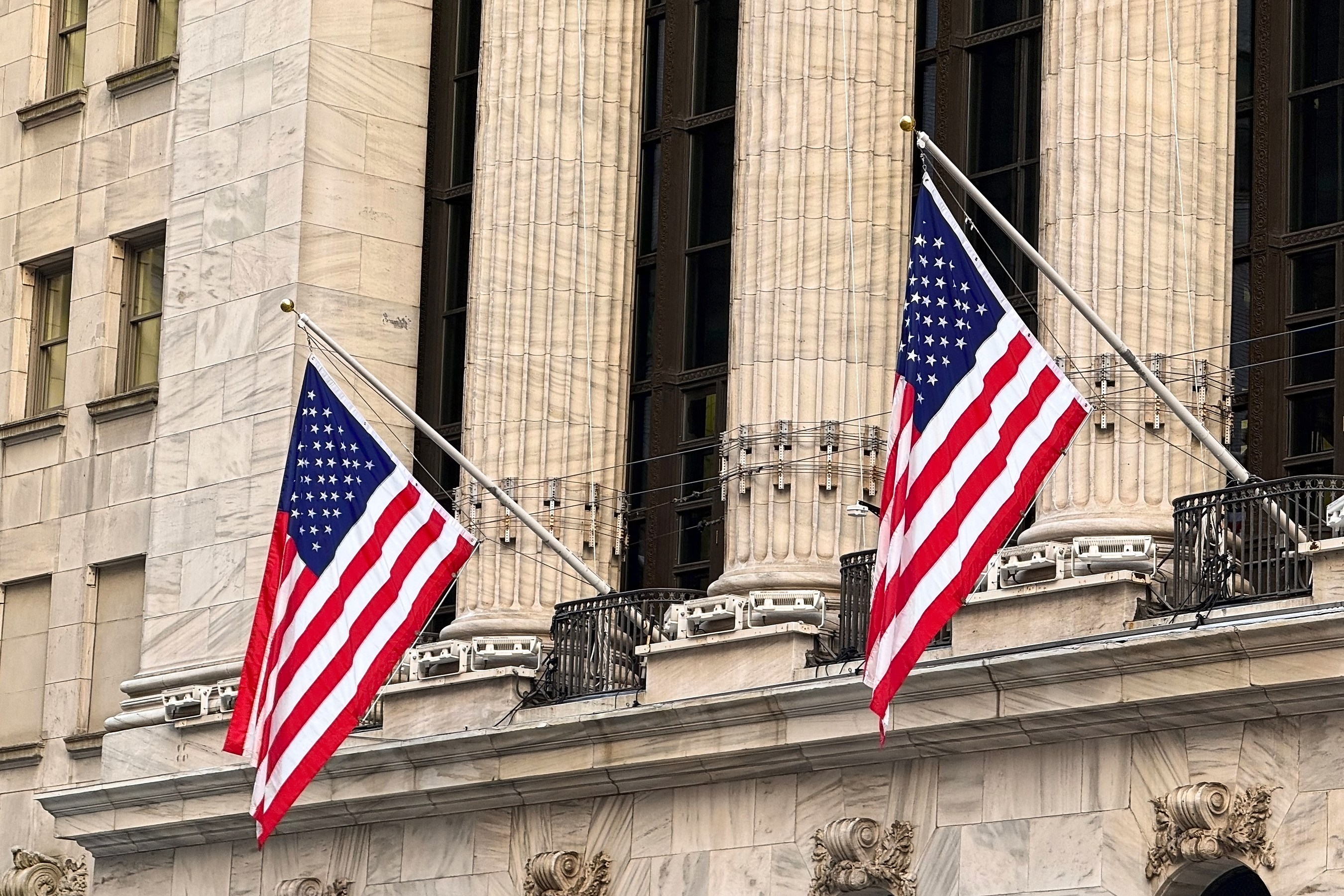
One Wall Street is a useful example because its official availability page can be checked directly. The September 24 snapshot showed Residence 926 asking $1,195,000 for 674 square feet. The same page displayed $1,186 in monthly common charges and $1,521 in monthly property taxes.
The Attorney General’s Real Estate Finance Database separately identifies One Wall Street Condominium as a Manhattan condominium plan. Its record identifies 188 residential units and two commercial units and names MIP One Wall Street Acquisition LLC as sponsor. That is neutral legal metadata, not a recommendation.
What a sponsor purchase changes
A sponsor unit is typically sold under the sponsor’s offering plan and purchase agreement. The contract may assign seller-side expenses to the buyer, require a working-capital contribution, impose a sponsor legal fee or provide a negotiated credit. None should be assumed from a listing price alone.
The Attorney General advises purchasers to read the entire offering plan and consult an attorney before signing. Material representations should be in the plan or purchase agreement, not only in a brochure, rendering or conversation.
The $1.5 million buyer tax math

At exactly $1.5 million, New York State mansion tax is 1% of qualifying residential consideration. The exact amount is $15,000. It generally applies to the buyer of an individual residential condominium unit or cooperative apartment at $1 million or more.
The mansion tax is separate from ordinary New York State and NYC transfer taxes. In a typical resale, ordinary seller-side taxes are generally paid by the seller, although the contract controls.
In a sponsor purchase, the contract may shift some or all of those expenses to the purchaser.
New York City publishes a 1.425% RPTT rate for residential type 1 and 2 transfers above $500,000, including an individual residential condominium or cooperative apartment. New York State also imposes a separate base transfer tax. Those rates are not the buyer’s 1% mansion tax.
An 80% loan illustration
Assume a $1.5 million condominium purchase with 20% down and an 80% loan. The down payment is $300,000. The mansion tax is $15,000. For illustration only, assume the $1.2 million mortgage qualifies for a 1.925% borrower share of mortgage recording tax under a customary institutional-lender allocation.
The arithmetic is:
– Down payment: $300,000
– Mansion tax: $15,000
– Hypothetical borrower mortgage-recording-tax share: $23,100
– Total of these three items: $338,100
The $338,100 is not a complete cash-to-close estimate. It excludes attorney fees, title insurance, lender charges, appraisal, recording fees, building charges, move-in deposits, prepaid interest, tax and common-charge adjustments, reserves and contract-shifted sponsor expenses.
The official combined residential mortgage recording tax rate at $1.2 million is 2.175%, or $26,100. The illustrative $23,100 borrower share assumes the lender bears the applicable 0.25% component. Actual allocation is fact-specific; NYC DOF says the tax is charged on recorded NYC real-property mortgages.
Lender allocation, property classification, exemptions, CEMA credits and loan structure can change the calculation.
A resale contract versus a sponsor contract
In a conventional resale, the buyer generally budgets for mansion tax, loan costs, title and legal work, building charges and adjustments. The seller generally pays ordinary transfer taxes, subject to the contract. In a sponsor transaction, the buyer may also be responsible for expenses ordinarily paid by a seller. Review the offering plan and contract line by line. A sponsor credit can change the comparison, but it should be documented in writing and reflected in the closing statement.
Condo versus co-op at this budget

A condominium owner receives separate ownership of the unit and an undivided interest in common elements. A condo buyer generally receives a deed, buys title insurance and, when financing, records a mortgage against real property. A co-op purchaser buys shares in a corporation allocated to a specific apartment and receives a proprietary lease. Monthly maintenance generally combines building expenses and the shareholder’s share of underlying costs. Review the corporation’s financials, board requirements, sublet rules, underlying mortgage and maintenance history.
The Attorney General confirms these structural differences and recommends reading the offering plan before signing. It also cautions that an existing conversion may have disclosed defects that are not necessarily corrected.
Why a co-op can look cheaper
A co-op asking price cannot be compared with a condominium ask without checking ownership form, financing, board procedures, tax treatment and monthly maintenance. A lower price is possible, not guaranteed by ownership form alone.
Co-op financing usually does not create an individual-apartment mortgage-recording tax in the same manner as a deeded condo mortgage. Share-loan costs, lender requirements, board-package expenses, managing-agent fees and transfer charges still belong in the budget.
Why a condo can cost more to close
A financed condo purchase can involve mortgage recording tax, lender requirements, title insurance and deed recording. A sponsor condo can add contract-shifted taxes or contributions. Those one-time costs can materially change cash needs even when two apartments have similar prices.
Monthly carrying costs matter as much as price

The official One Wall snapshot illustrates the issue. A $1,195,000 ask with $1,186 in common charges and $1,521 in listed monthly taxes has $2,707 in displayed monthly building and tax charges before mortgage, insurance, utilities or personal expenses.
Tax abatements are eligibility-based
NYC’s co-op and condo tax abatement is generally applied for by the board or managing agent for the development, not by an individual buyer directly. Eligibility can depend on primary residence, tax class, ownership form, purchase timing and whether the building receives another tax benefit.
Sponsor-owned units and many business-owned units do not qualify. A purchaser after January 5 may not receive the benefit for the upcoming tax year. Confirm the unit’s status with the managing agent and Department of Finance records rather than relying on a portal estimate.
Assessments and capital work
A temporary assessment can make an apparently affordable apartment more expensive. Ask whether an assessment is active, its end date, monthly amount, the work it funds and whether the board expects another assessment.
Review financial statements, reserve position, insurance, litigation, capital projects and available engineer or inspection reports. A conversion building may have different maintenance and repair risks from a newer ground-up project.
Official FiDi plan records buyers can read
The Attorney General’s Real Estate Finance Database offers neutral records for Financial District condominium plans. These records identify plan status, sponsor, construction type and unit categories. They do not replace the offering plan, amendments, declaration, budget or attorney review.
One Wall Street Condominium
The official record identifies the Manhattan plan, sponsor, 188 residential units and two commercial units. It supports plan identity, not current inventory or value.
1 Park Row Condominium
The official record identifies 1 Park Row at 1 Park Row with 64 residential units, one commercial unit and storage units. It does not establish current availability or pricing.
River Watch Condominium
The official record for River Watch Condominium at 70 Battery Place identifies a condominium conversion with 166 residential units and one parking unit. A conversion buyer should focus on physical-condition disclosures, engineering information, financials, capital history and amendments.
Office conversions and building tradeoffs

Lower Manhattan has seen office-to-residential conversion activity. The NYC Comptroller describes Financial District and Tribeca as Lower Manhattan areas where conversions have been active and discusses commercial-conversion economics.
The city’s 467-m program is not a general condo-owner tax break. HPD describes it as a program for eligible conversions operated as rental housing, with affordability requirements and deadlines. A condo buyer should not assume that a conversion creates a personal tax benefit. For a buyer, practical conversion questions are legal use, certificate of occupancy, construction history, windows, plumbing, mechanical systems, facade work, insurance, assessments, warranties and current building finances.
A disciplined $1.5 million search

Start with ownership form. Decide whether you can accept a condo, co-op or sponsor purchase before ranking apartments. Financing, taxes, title work, board process and contract risks differ.
Set two budgets: the purchase-price ceiling and the cash-to-close ceiling. A buyer with $1.5 million available in total cash should not search as though all $1.5 million is available only for the purchase price.
Request current monthly charges and the tax bill before comparing listings. Add mortgage principal and interest, insurance, utilities, assessments and a repair reserve. Compare first-year total, not only asking price.
Review the offering plan, declaration, bylaws, budget, financial statements, insurance, litigation and assessments. Sponsor marketing materials can orient a buyer, but the plan and contract control the legal promise.
Do not treat a displayed abatement as guaranteed. Confirm primary-residence eligibility, ownership structure and building application status. Ask what changes if the apartment becomes a second home or is held by an entity.
Have counsel and the lender produce a written closing estimate before the offer becomes a contract. Know which taxes are statutory, which charges are contractual and which amounts are deposits or escrows rather than permanent costs.
Buyer Strategy: Compare Total Cost, Not Asking Price

A buyer with a $1.5 million target should make a short comparison sheet for every serious apartment. Record asking price, ownership form, sponsor or resale status, represented size, bedrooms, common charges, current taxes, abatement assumptions, assessments, financing limits and estimated cash to close.
For each sponsor unit, request the offering plan, current amendment, purchase agreement, closing-cost schedule, sponsor concessions, working-capital requirement and estimated closing date. For each resale, request building financials, insurance, assessment notices, litigation information and managing-agent requirements.
Use the official DOF rolling-sales file and ACRIS to test recorded history, but exclude zero-dollar, nominal, bulk or non-arm’s-length transfers from a pricing conclusion unless counsel explains them. Asking pages identify opportunities, but do not substitute for a contract or recorded evidence.
Negotiate around the full obligation. A seller credit, sponsor concession or price reduction can affect cash differently. Ask counsel to model the exact contract, tax allocation and loan structure before choosing between a larger resale and a smaller sponsor apartment.
The strongest offer is not necessarily the highest offer. It is the offer that matches cash reserve, financing capacity, monthly comfort, timing and tolerance for building risk. Keep a reserve after closing for an assessment, repair or delayed tax benefit.
For a $1.5 million FiDi purchase plan, contact TheNewYorkCityBroker.com/contact-me to compare total costs.
Financial District buyer checklist

Before signing, confirm:
– Unit ownership form and sponsor status.
– Current asking price and availability.
– Common charges, taxes, assessments and abatements.
– Down payment, loan amount and mortgage-recording-tax assumptions.
– Mansion tax and any contract-shifted seller expenses.
– Offering plan, declaration, bylaws and amendments.
– Building financials, insurance, litigation and capital projects.
– Condo deed process, or co-op shares and proprietary lease.
– Board, managing-agent, move-in and application requirements.
– Cash reserve after closing.
Frequently Asked Questions
It can buy different housing types depending on ownership form, building, line, condition and monthly costs. The official One Wall Street availability page displayed a $1,195,000 ask for Residence 926 on September 24, 2026.
The page showed 674 square feet, $1,186 monthly common charges and $1,521 listed monthly taxes. That is an asking snapshot, not a sale or promise of availability.
A buyer may investigate resale condos or co-ops alongside sponsor units, but the verified sponsor ask alone does not establish the price, size, or availability of either category. No bedroom count or square-footage promise is appropriate without unit-specific evidence.
Buyers should compare at least three candidates using the same fields: ownership form, charges, taxes, assessments, financing and contract allocation.
Usually it must be added to the purchase price for a qualifying residential condo or co-op. New York State’s mansion tax is 1% at $1 million or more. At exactly $1.5 million, that equals $15,000. It is generally paid by the buyer.
The mansion tax is separate from ordinary NYC and New York State transfer taxes. In a typical resale, ordinary transfer taxes are generally seller-side, but a sponsor contract may assign expenses to the buyer.
The contract and closing statement control. A sponsor concession may reduce cash needed, while a shifted seller expense may increase it.
A $1.5 million purchase with 20% down has a $300,000 down payment and a $1.2 million mortgage. Add the $15,000 mansion tax. If, purely as a hypothetical, the borrower bears a 1.925% mortgage-recording-tax share, that share is $23,100. Those three items total $338,100 before attorney, title, lender, building, recording, prepaid, escrow, assessment and adjustment costs. Mortgage-recording-tax allocation is fact-specific and must be calculated for the actual loan and transaction.
No. A condo purchase usually involves a deed, title insurance and a recorded mortgage if financed. That can create mortgage recording tax. A co-op purchase involves shares and a proprietary lease rather than a deeded apartment mortgage, so the individual apartment mortgage generally does not incur mortgage recording tax in the same way.
Co-op buyers still pay lender, attorney, managing-agent, board-package and transfer-related costs. Building rules and loan structures vary, so a written estimate is essential. A board package or managing-agent fee can also be due even when the purchase price is unchanged.
No. NYC’s co-op and condo abatement depends on development and owner eligibility. The board or managing agent applies for the benefit. Primary residence, tax class, purchase timing and ownership form matter. Sponsor-owned units and many entity-owned units are ineligible.
Confirm the current tax bill, abatement status and eligibility with the managing agent and Department of Finance records. A listing’s monthly tax figure is not a universal promise. Ask whether the displayed number assumes primary residence, and model the payment without the benefit if eligibility is uncertain.
Confirm ownership form, current availability, common charges, taxes, assessments, insurance, building financials, litigation and capital work. For a sponsor unit, read the offering plan, amendments and purchase agreement with counsel. Confirm which expenses the contract assigns to the buyer.
Use DOF rolling sales and ACRIS for recorded evidence, excluding nominal or non-market transfers from a pricing conclusion. Have the lender and attorney prepare a contract-specific cash-to-close estimate before signing. Keep the estimate updated if the price, loan amount, contract rider or sponsor credit changes during negotiations.
For a $1.5 million FiDi search or another NYC purchase, contact TheNewYorkCityBroker.com/contact-me.