

Selling a FiDi condo with a ground lease starts with a legal question: does the recorded project qualify as a residential leasehold condominium under New York law?
Do not price or market it until counsel confirms the ownership structure. A ground lease changes the estate being conveyed; it does not give the seller a second land asset.
The selling plan should disclose the legal structure, document the costs, protect the closing, and price the interest the buyer will actually receive.
For neighborhood context, read Brett Ari Fischer’s Financial District market perspective before setting expectations.
The central rule is simple. Do not market a leasehold condo as if it were an ordinary fee-simple condominium.
A well-prepared package can still attract serious buyers, but it must answer the questions their attorney, lender, appraiser, and title company will ask.
Selling a FiDi condo with a ground lease: what you are selling
What a leasehold unit conveys
A fee-simple condominium sale generally transfers title to a defined unit plus the unit owner’s undivided interest in the common elements. In a legally qualified leasehold condominium, the unit and appurtenant common interest include the applicable leasehold interest. The fee owner retains land title.
The legal test comes first
New York’s Condominium Act does not authorize every privately ground-leased residential building to become a leasehold condominium.
Real Property Law Section 339-e recognizes leasehold condominium property for exclusively nonresidential projects and narrowly defined qualified leasehold condominiums, including specified public-authority structures. Counsel must verify the statutory category, declaration, recorded lease, and approvals.
A verified FiDi condo, not a verified leasehold
For a neutral Financial District ownership example only, the Attorney General identifies 1 Park Row Condominium at 1 Park Row as a condominium. That official record does not establish a ground lease.
The nearest well-documented public-authority leasehold model is Battery Park City, which is a distinct neighborhood and must not be relabeled as FiDi. That distinction affects the buyer’s rights, obligations, financing, valuation, and end-of-term position. The condominium declaration defines units, common elements, common-interest percentages, and governance.
The ground lease defines the landowner’s rights, rent, operating covenants, defaults, renewal mechanics, lender protections, and what happens when the term ends. The offering plan and amendments may add important disclosures.
For this guide, no specific named Financial District building is asserted to sit on leased land. That conclusion requires current primary-source review of the property’s declaration, recorded instruments, offering-plan materials, and title report.
Treat the discussion below as conditional, not proof that an ordinary private-land FiDi residential project could qualify.
The seller’s first job is to identify the estate accurately. Ask counsel to state in plain English whether the unit is fee simple, a leasehold condominium interest, or another structure. Then use that exact description consistently in the listing, offering materials, contract, seller disclosure responses, and conversations with buyers.
Prove the ownership structure before marketing

Check title before the listing
Start with the current title report and the full recorded document set.
In Manhattan, ACRIS can identify the borough, block, and lot and provide access to recorded deeds, leases, mortgages, declarations, amendments, and other instruments.
Public records are useful evidence, but the City cautions that reviewing them is not the same as obtaining a title search.
Give the title company and attorney the complete chain, not only the document that happens to mention ground rent.
Collect the condominium declaration and amendments, certified floor plans, unit deed, ground lease and every amendment, memoranda, assignments, estoppel or recognition agreements, fee mortgages, leasehold mortgages, and recorded notices affecting the property.
Ask counsel to reconcile the documents. The landowner in the ground lease should be compared with the fee owner shown in title records. The condominium’s named declarant, unit owner, and common-interest percentages should match the declaration and tax-lot records.
Any mismatch should be explained before an offer is accepted, not during the final week before closing.
Read the operative offering documents
The New York Attorney General’s offering-plan resources can help locate the original plan and amendments.
Read the risk factors, schedule of rents and expenses, proposed budget, ground-lease exhibits, and any amendment that changed rent, term, renewal rights, ownership, or financing.
A buyer should receive the operative documents, not an outdated marketing summary.
Explain the structure up front
Do not bury the structure in fine print. Put a clear leasehold notice near the beginning of the offering materials.
Explain whether ground rent is paid directly by unit owners, through common charges, or by another allocation method.
State that a buyer must review the governing documents with counsel and confirm loan eligibility with a lender.
Explain lease economics and term risk
Separate ground rent from common charges
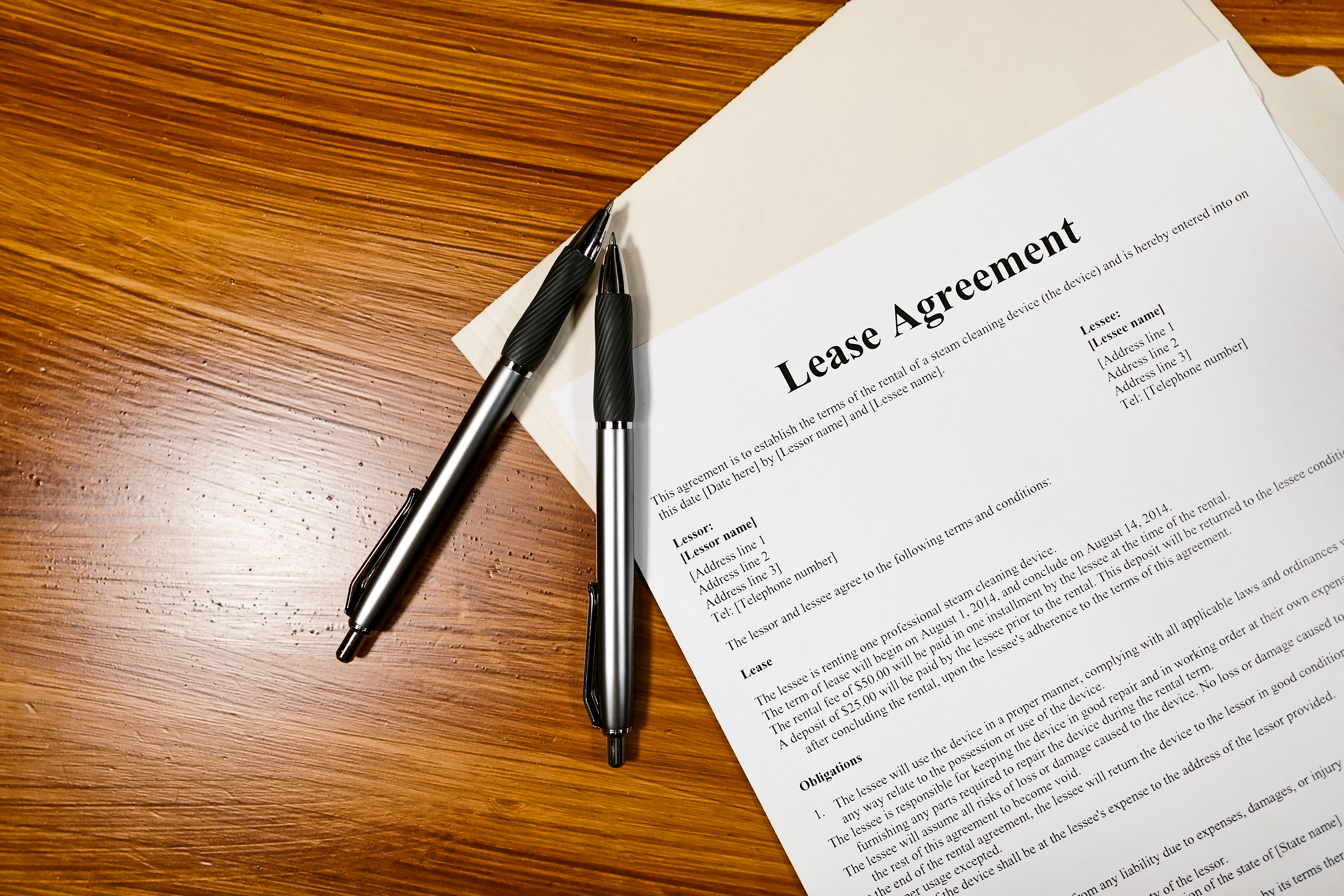
The ground lease is an economic schedule, not background paperwork. Extract the current annual rent attributable to the unit or its common-interest share. Then identify increases, fixed step-ups, index formulas, operating-cost pass-throughs, tax obligations, insurance duties, and any separate charges. Show the buyer which amounts are included in common charges and which are billed separately.
Do not confuse PILOT with rent
Ground rent is paid under the land lease. A PILOT is a separate payment in lieu of property taxes where a governmental arrangement applies. Battery Park City Authority materials distinguish ground rent from PILOT.
Identify each payee and collection method; if either is already embedded in common charges, do not add it again.
Find the next rent reset
Read every rent-reset provision closely. A lease may use a fixed escalation, consumer-price index, fair-market-value reappraisal, percentage of land value, or a hybrid.
Record the reset date, notice deadline, valuation date, appraisal standard, permitted assumptions, dispute process, and whether the lease values land subject to the lease or as if vacant and unencumbered.
A reappraisal clause can affect affordability and value even when today’s rent looks manageable. The buyer’s attorney and appraiser need the exact formula, not a verbal estimate.
If a reset is pending, obtain the notices, appraisals, objections, arbitration materials, and any settlement. Do not promise that the current rent will continue.
Check statutory and lender timelines
Term analysis must be specific. New York’s statutory formation tests require at least 30 years remaining at declaration for a qualifying exclusively nonresidential project, or 50 years for a qualified leasehold condominium. Those rules differ from lender requirements at the later unit sale. Calculate the remaining term, renewal rights, conditions, and exercise status.
Explain the end-of-term provisions without speculating. Depending on the documents, the landowner may receive the improvements, the lease may be renewed, the parties may negotiate a sale, or another remedy may apply.
The answer comes from the lease and related agreements. A seller should not imply that a building or unit automatically continues forever.
Review defaults and consent
Defaults matter as much as rent. Summarize notice and cure periods, late charges, insurance and maintenance covenants, assignment restrictions, transfer fees, landlord consent, termination rights, and lender notice or cure rights.
Confirm whether a unit sale requires association approval, lessor consent, a recognition agreement, or delivery of an estoppel certificate.
A checked carrying-cost illustration
Use a hypothetical illustration, not a quote. Assume allocated ground rent of $18,000 annually, common charges of $2,000 monthly, separate property taxes or PILOT of $1,200 monthly, and $900,000 financing at 6.5 percent interest-only. This assumes neither the ground rent nor tax substitute is included in common charges. Annual ground rent is $18,000, common charges are $24,000, taxes are $14,400, and interest is $58,500. The illustrative total is $114,900, or $9,575 per month, before insurance, utilities, repairs, and principal repayment.
The calculation excludes principal amortization, insurance, utilities, repairs, lender fees, assessments, and reserves. It prevents comparison of purchase prices alone.
Replace each assumption with verified figures, do not double-count pass-throughs, then show the effect of scheduled rent increases and reappraisals.
If rent rises by $6,000 annually, the monthly carrying cost in this illustration rises by $500 before any other change.
Price for buyer underwriting, not fee-simple fantasy

Compare like interests
A leasehold condo needs a leasehold valuation conversation. The relevant comparison is not simply a nearby fee-simple sale with a similar bedroom count.
The buyer is purchasing a defined estate with a remaining term, rent burden, restrictions, financing profile, assessment exposure, and end-of-term risk.
Ask the appraiser to analyze comparable leasehold sales when credible examples exist. If the market offers few similar sales, the appraiser may need to use different lease terms or fee-simple sales and make supported adjustments. Give the appraiser the complete lease and a concise schedule of financial terms so the report does not omit a material obligation.
Price the term and reset risk
Pricing should reflect the lease’s effect on marketability. A shorter remaining term can narrow the buyer pool, especially if loan maturity would extend beyond the lease.
A large reset, unclear renewal, weak lender protections, or volatile rent formula can require a larger pricing adjustment.
A long term, transparent formula, strong recognition rights, and predictable carrying costs can reduce friction, but they do not erase the leasehold distinction.
Show assessments and tax benefits
Special assessments deserve their own valuation line. Buyers will ask whether a current or planned assessment covers facade work, elevators, resiliency, insurance, repairs, capital projects, legal costs, or ground-lease obligations. Disclose the amount, payment schedule, purpose, approval status, and whether the seller will pay, credit, or assign the obligation under the contract.
Do not use a low common-charge figure to make the property appear inexpensive if ground rent is outside that figure. Present the recurring cost stack together.
If the building’s tax abatement or exemption affects the current bill, document the benefit, eligibility, renewal responsibility, and possibility of change. Buyers need the ordinary bill and the risk of losing a benefit.
Remove uncertainty with documents
A seller can improve value perception through certainty.
A complete document room, a lender pre-screen, a current estoppel, and a defensible explanation of the rent formula may prevent buyers from adding an arbitrary uncertainty discount. Those steps cannot change the lease, but they can change how confidently the market evaluates it.
Package diligence for financing and closing

Test loan eligibility early
Financing is often the first practical test.
Under Fannie Mae’s guidance, a loan secured by a unit in a project subject to a ground lease is treated as a loan secured by a leasehold estate.
The lender must evaluate the lease and also satisfy condo-project requirements. Individual lenders may impose stricter standards.
Fannie Mae generally requires the lease’s unexpired term to extend at least five years beyond loan maturity. That is separate from New York’s formation-date 30-year or 50-year rule. Its guidance also addresses lender notice, cure, assignment, and foreclosure protections. Ask the lender how it documents any renewal option. Ask a lender familiar with leasehold condos to review the actual documents before advertising a financing assumption. Obtain written confirmation of what the lender needs for the project, borrower, appraisal, title policy, and lease.
A buyer’s approval is never guaranteed because project review, borrower underwriting, valuation, and insurance are separate decisions.
Give the appraiser the lease
The appraisal should identify the lease terms, restrictions, and conditions and discuss their effect on value and marketability.
Provide the appraisal file with current rent, reset history, remaining term, renewal provisions, assessments, and comparable leasehold sales. Do not coach an appraiser to ignore unfavorable terms.
Coordinate title and closing
Title and closing require coordination.
Confirm that the seller can convey the exact estate described in the contract, that liens and mortgages can be released, that required consents or estoppels are available, and that the buyer’s lender can obtain the intended priority.
The title company should address the ground lease, recorded memorandum, condominium documents, and any fee-owner or landlord mortgage.
Calculate taxes from the actual transfer
NYC transfer taxes and recording requirements still matter.
The City says its real property transfer tax applies to sales, assignments, transfers, and surrenders of real property and certain economic interests, and an individual residential condominium unit has its own residential category.
The actual tax treatment depends on the transaction, consideration, estate conveyed, exemptions, and current law. Have the closing attorneys calculate NYC and New York State taxes from the actual contract and conveyance.
File the required RPTT packet through ACRIS when applicable, and confirm timing even if a return shows no tax.
Do not advertise a net-proceeds figure until counsel and the tax adviser account for transfer taxes, commissions, payoff amounts, credits, assessments, and lease-related charges.
Seller Strategy

Build the leasehold fact sheet
Begin with a leasehold audit before deciding the asking price.
Have counsel create a term sheet that lists the fee owner, lessee, rent, escalations, reset dates, renewal rights, remaining term, default remedies, transfer requirements, and lender protections.
Have the managing agent verify the unit’s current charges, assessment balance, and payment history.
Prepare the buyer document room
Next, build a buyer-ready digital room.
Include the declaration, bylaws, offering plan and amendments, ground lease and amendments, title materials, budget, financial statements, insurance, minutes where available, assessments, litigation disclosures, tax bills, and a current questionnaire.
Label superseded documents so a buyer does not mistake an old rent schedule for the operative one.
Price and screen for a closable offer
Price from the buyer’s total obligation. Commission an appraisal or broker analysis that separates fee-simple comparables from leasehold comparables and explains each adjustment. Ask a leasehold-experienced lender to identify likely underwriting issues.
If a reset or renewal decision is approaching, address it in the price and marketing narrative instead of waiting for a buyer to discover it.
Keep marketing precise
Use precise language in every channel. State that the property is a condominium leasehold interest if counsel confirms that description. Identify the current ground-rent obligation and remaining term.
Avoid claims such as guaranteed financing, permanent ownership, or no effect on value. Transparency is a negotiating tool because it attracts buyers who can actually close.
Before accepting an offer, compare more than price. Evaluate financing type, lender readiness, lease review deadline, appraisal contingency, document requests, assessment allocation, and closing date. A slightly lower offer with a lender that has already reviewed the lease may produce a better net result than a higher offer that cannot pass project underwriting.
For a verified FiDi leasehold sale, contact TheNewYorkCityBroker.com/contact-me to coordinate pricing and buyer screening. Counsel and title professionals must establish the actual legal estate first.
Frequently Asked Questions
No. A fee-simple condo generally includes ownership of the unit and an undivided interest in the common elements, while a ground-lease structure separates land ownership from the leasehold right to use the property.
The declaration, ground lease, deed, and title report control the exact estate. Have counsel provide a plain-English description before marketing. The difference can change lender underwriting, appraisal comparables, buyer carrying-cost analysis, and the significance of the remaining term. It also determines what the seller may accurately promise about land ownership. That distinction should appear before a buyer spends money on diligence.
Order a current title report and review the declaration, unit deed, ground lease, memoranda, amendments, assignments, and offering-plan exhibits. Search the property’s Manhattan borough, block, and lot in ACRIS, but do not treat a public-record review as a substitute for title work.
If the evidence is incomplete or inconsistent, do not identify the building as ground leased. A neutral description is safer than attaching a leasehold label to a named building without primary-source confirmation.
Ask title counsel to identify the controlling instruments and their recording references. The broker should use the verified description consistently in every marketing channel.
Provide the current allocated ground rent, how it is collected, scheduled escalations, reset or reappraisal dates, formula, notice deadlines, remaining term, renewal options, and major end-of-term provisions. Also disclose assessments, taxes, common charges, and any upcoming decision or dispute. Buyers and lenders need the operative documents behind each number.
State whether each amount is fixed, estimated, allocated, or subject to reconciliation, and identify any pending rent dispute. The buyer should be able to model both the current obligation and the stated future scenario.
Include the timing and assumptions used for each calculation.
Possibly, but never promise it. Fannie Mae treats a ground-lease condo loan as a leasehold-estate loan and requires the lease and project to meet applicable standards. Term beyond loan maturity, lender notice and cure rights, project review, title, appraisal, borrower qualifications, and insurance can all matter. The buyer must obtain lender-specific confirmation.
Loan term, loan-to-value, occupancy, insurance, title exceptions, project finances, and lender overlays can change the result. Early review is especially important when the lease term is close to the intended mortgage maturity. It can prevent an otherwise qualified buyer from reaching contract with an unusable loan.
Not by a fixed percentage. Market value depends on rent, resets, remaining term, renewal certainty, restrictions, lender acceptance, assessments, and comparable leasehold sales. An appraiser should analyze the lease’s effect on value and marketability.
Transparent documents and predictable economics may reduce uncertainty, but they cannot turn a leasehold interest into fee simple. The same rent can be viewed differently depending on the term and reset assumptions. A buyer may compare the leasehold’s total carrying cost with fee-simple alternatives, not just the contract price.
The seller should anticipate that analysis and provide reliable inputs.
The contract and current law determine the economic allocation, but NYC generally imposes real property transfer tax on taxable transfers, and the seller is normally responsible in an ordinary sale.
The tax can depend on consideration, the interest conveyed, property category, and exemptions.
Closing counsel should calculate and file the required forms rather than relying on a rule of thumb. Credits, assumed obligations, liens, and any leasehold assignment can affect the final analysis.
Confirm the filing deadline and required documents before scheduling the closing date. Tax treatment can also differ when the transaction conveys a leasehold interest rather than fee title.
A leasehold sale can succeed when the seller treats the lease as a core property feature. For this FiDi question or another NYC sale, contact TheNewYorkCityBroker.com/contact-me after verifying the legal estate and costs.