

Selling a tenant-occupied Kips Bay condo means marketing a home with an active lease, not treating its resident as a problem. The lease, the condo’s carrying costs, access plan, tax status, and buyer’s intended use all shape the transaction. See how Kips Bay condo buyers weigh layout and monthly costs while you build the sale plan.
Selling a Tenant-Occupied Kips Bay Condo: What Transfers?
A tenant-occupied condo can trade in at least three ways: with the tenant and lease continuing, after a lawful surrender or expiration, or with a contract that sets a later vacant-delivery date. Those are materially different products.
Do not advertise vacant possession until the lease and applicable law support it, and do not ask a tenant to leave merely because an owner wants a sale.
Start with the signed lease, every renewal, riders, amendments, rent ledger, security-deposit record, and any written promises about renewal or early surrender. Confirm the tenant’s legal name, lease dates, rent, concessions, utilities, permitted occupants, insurance requirements, and access clause. A buyer’s attorney and lender will want a coherent package, not a verbal summary.
New York Real Property Law section 223 gives the grantee of leased real property the same remedies under the assigned lease that the prior lessor had, while the tenant retains remedies against the new owner for lease breaches. Practically, a conveyance usually changes the landlord, not the bargained-for lease term. Have counsel review assignment, estoppel, notice, and closing provisions.
Fixed term, month to month, and the calendar
A fixed-term lease generally runs to its stated expiration unless it contains a lawful early-termination mechanism or the parties sign a surrender. A buyer who wants to occupy, renovate, or re-rent needs to underwrite that timeline. A contract can allocate risk between seller and buyer, but private deal language cannot erase the tenant’s rights.
A New York City month-to-month tenancy is not an instant vacancy. Real Property Law section 232-a uses the section 226-c notice framework.
For nonregulated residential tenancies, section 226-c calls for at least 30 days when occupancy is under one year and the lease term is under one year; at least 60 days for occupancy over one but under two years or a lease term of one to under two years;
and at least 90 days for occupancy over two years or a lease term of two years or more.
Counsel should resolve exact-anniversary cases conservatively.
The notice is not the eviction. If a tenant stays, the owner needs a court process and must satisfy applicable procedural and substantive requirements. A seller should not promise a buyer a date that depends on an unserved notice, an unexpired lease, or an uncompleted proceeding. Put the actual status in the marketing and contract documents.
Rent stabilization needs a separate analysis. NYC’s rent-stabilization guidance points owners and tenants to the lease and DHCR rent history, and stabilized tenants generally have renewal rights. A condo label alone does not answer the question. Regulated units can retain renewal rights after conversion; review the actual plan and DHCR history.
A unit may have a regulatory history, conversion protections, or another law that affects possession independently of the building’s current ownership form.
If a building has 421-a benefits, rent status needs unit-specific review. HPD says eligible rental projects may have stabilization and affordability obligations, but a condo offering-plan filing does not prove that any particular unit has a 421-a benefit or regulated tenancy. The benefit’s end date, unit history, rider, and current DHCR records matter.
Do not assume a 421-a expiration automatically produces a vacant, unregulated unit.
The Good Cause Eviction Law is another layer, not a shortcut. Real Property Law section 214(7) exempts a unit in a condominium or cooperative, or a unit subject to an Attorney General offering plan, from that article. The same statute preserves other state-law rights and obligations.
Counsel should also check the RPL 231-c form stating whether Good Cause applies and identifying the condo exemption where required. Stabilized rights, conversion protections, lease rights, and anti-harassment rules do not disappear because Good Cause does not apply.
A verified Kips Bay condo record, used carefully
The Attorney General’s Real Estate Finance Database identifies 429 Second Avenue Condominium, plan CD230102, as a new construction condominium with 59 residential units. The plan was accepted January 22, 2024 and effective September 25, 2024. Its record identifies NERE Kips Bay Management LLC as sponsor. This verifies project identity only, not a particular unit’s lease, 421-a status, or tenancy.
Showings without turning the sale into a dispute

Tenants have privacy rights. NYC HPD says a landlord may show an apartment to prospective purchasers at a reasonable time after appropriate notice. The lease can add conditions; agree on practical showing windows and respect the tenant’s privacy. It does not create a universal 24-hour rule for every showing.
Coordinate in writing, offer reasonable windows, identify who will attend, and limit photography or recording to agreed terms.
Good Cause includes a ground involving unreasonable refusal of purchaser-showing access in covered cases. Condo units are generally exempt from that article, so do not invoke it as a shortcut against this tenant. Use the lease, reasonable notice, and counsel’s advice. That is not permission for surprise entry.
A seller who needs repeated access should ask counsel to align the lease, notice method, and showing schedule.
If the tenant is considering an early surrender, document a voluntary written agreement reviewed by counsel. Do not pressure, threaten, cut services, misrepresent the purchaser’s plans, or repeatedly contact the tenant. New York City rules and state protections can make coercive conduct expensive, and the tenant may need independent legal advice.
What buyers are cross-shopping in Kips Bay
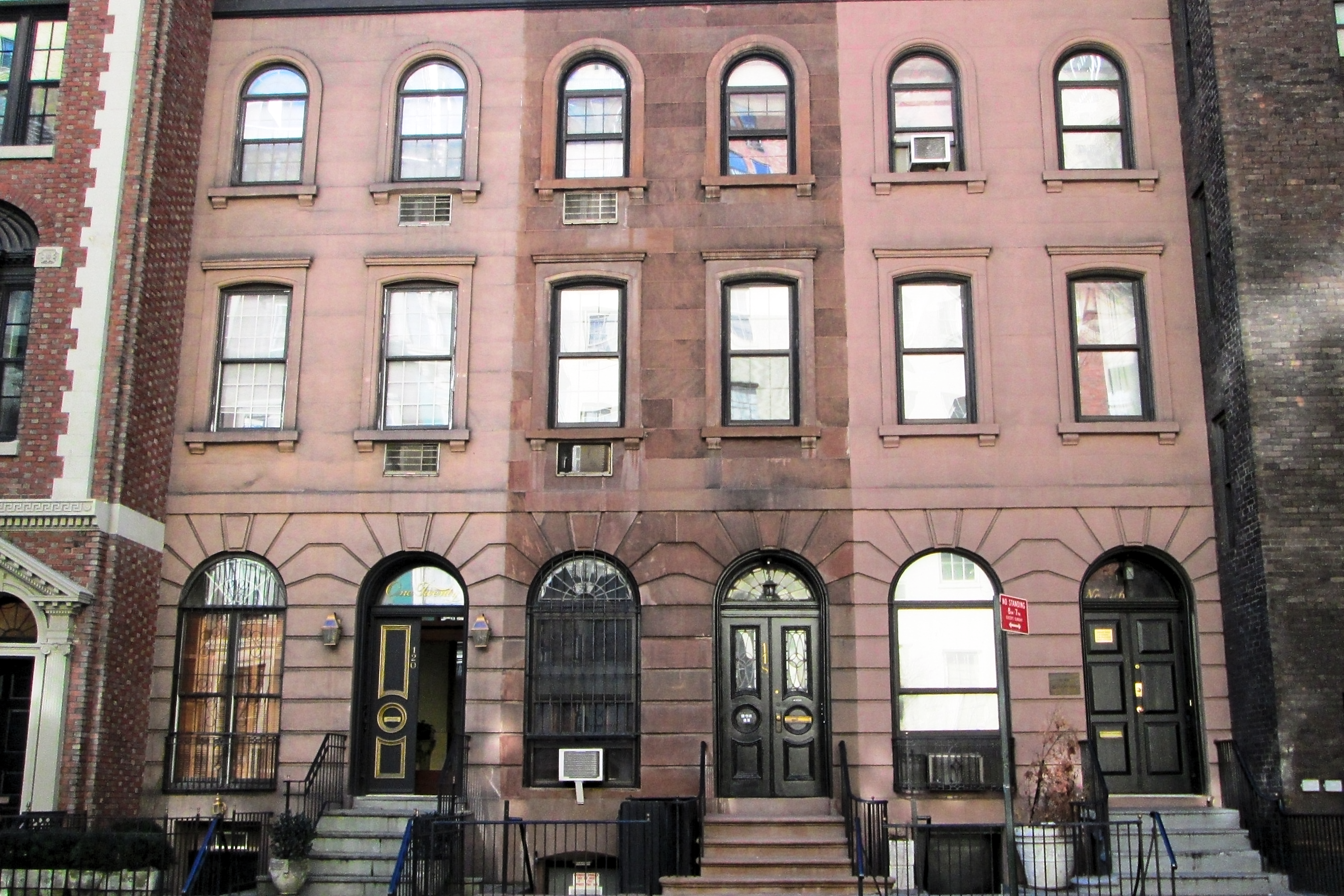
Kips Bay buyers often compare a tenant-in-place condo with three alternatives: another resale condo in Kips Bay, a newer condo with more contemporary finishes and amenity systems, or a co-op such as Kips Bay Towers where the ownership structure, maintenance, board process, and space-for-price equation differ. They may also compare nearby Murray Hill, Gramercy, NoMad, Flatiron, and the Financial District.
The relevant comparison is not “Kips Bay versus Manhattan.” It is a unit’s exact monthly and timing profile against alternatives a buyer can purchase. A tenant-in-place unit can appeal to an investor with an existing lease, while it can frustrate an owner occupant who needs a move-in date. Price should reflect that difference.
For a Kips Bay resale condo, present the building’s age, construction type, services, common charges, tax burden, assessment history, reserve and capital-project information, sublet rules, insurance requirements, and any litigation or commercial-space facts that the offering materials disclose. A buyer may prefer older resale value, newer systems, lower monthly costs, or a particular block. Let documented attributes do the work.
Monthly costs are part of the listing
A condo buyer’s monthly cost is more than the asking price divided by a mortgage calculator. It can include common charges, real estate taxes, unit insurance, mortgage principal and interest, private mortgage insurance, utilities, parking or storage charges, and assessments. Fannie Mae’s condo guidance tells buyers to evaluate the fee, property taxes, insurance, and financing together.
Before pricing, assemble the current common-charge statement, tax bill, budget, financial statements, insurance summary, assessment notices, utility responsibility chart, and tax-abatement information. NYC Department of Finance says the co-op and condo tax abatement depends on eligibility and primary-residence certification, and a condo’s board or managing agent handles the development application. A rented unit may not receive the same benefit as an owner-occupied home.
If a 421-a benefit actually affects the building’s tax picture, show its status and end date from official unit and building records. The 429 Second Avenue filing alone establishes neither 421-a eligibility nor any tenant’s status. A buyer should model post-benefit taxes rather than price solely from today’s bill.
Avoid promising that a tax benefit transfers, renews, or survives a change in use without written confirmation from the appropriate professionals.
Location, Services, and Transit
Kips Bay has an objectively documentable medical-institution corridor. NYC Health + Hospitals lists Bellevue at 462 First Avenue, and an older Community Board 6 planning document describes an institutional corridor along First Avenue between East 23rd and East 34th Streets. Use this as a location fact, not as a prediction about who belongs in the neighborhood or what services a buyer may need.
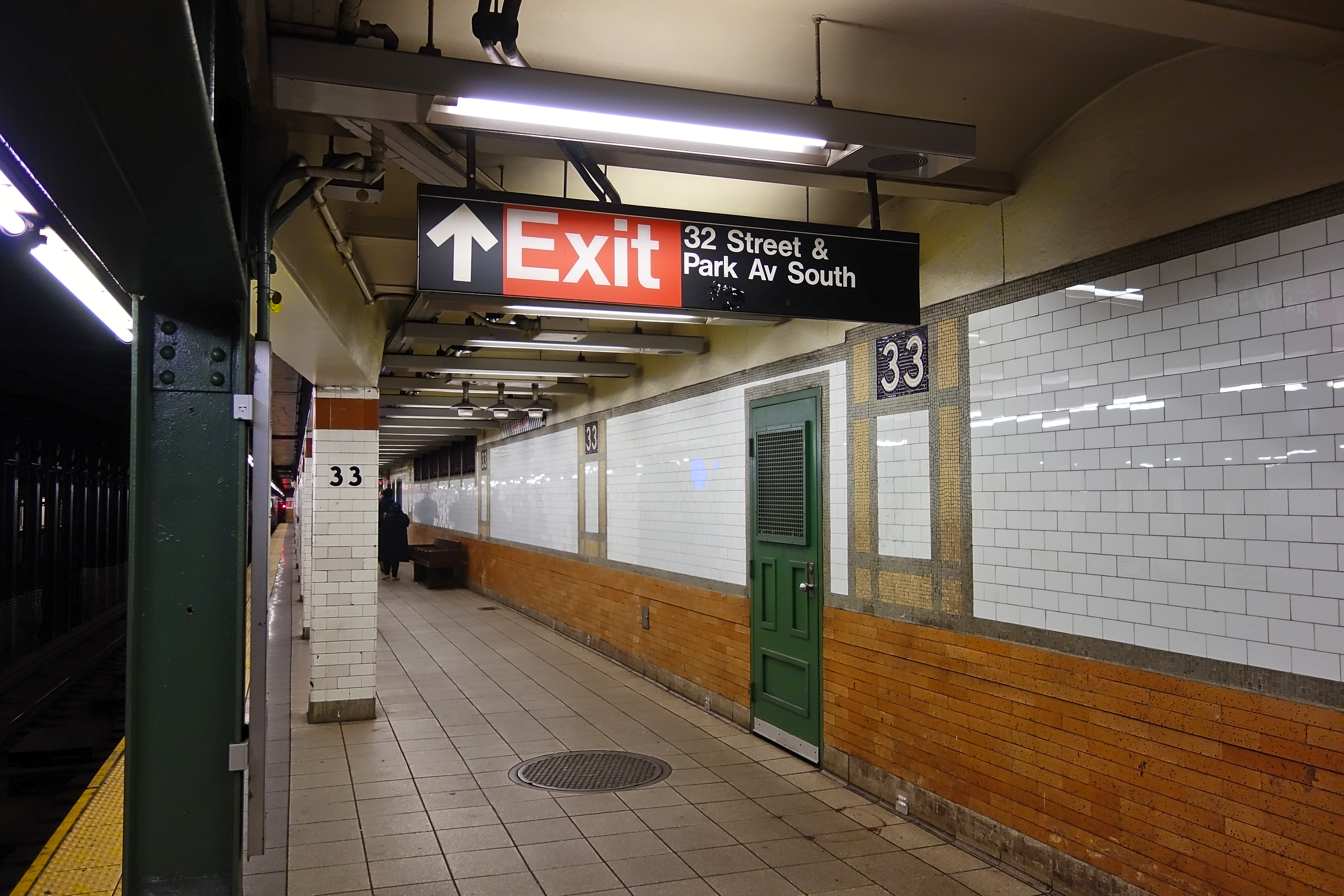
Describe measurable routes and tradeoffs. Bellevue’s directions identify the 28th Street 6 station and M15 bus access, while MTA information lists 28th and 33rd Street 6 stations. Depending on the block, a buyer may evaluate walk time, avenue traffic, service activity, and access to transit.
Do not characterize a building as suitable or unsuitable because of age, disability, familial status, medical condition, or another protected characteristic.
Investor underwriting and owner occupancy

An occupied unit can be valuable to an investor because the lease, payment history, deposit record, and tenant documentation can support an income analysis. It is not automatically “rent-ready” for a new strategy. The purchaser must review the condo’s rental rules, lease assignment, registration obligations, insurance, tax status, lawful rent, tenant notices, and any limits on short-term use.
Fannie Mae’s September 2026 subject-property guidance permits rental-income analysis for eligible one- to four-unit investment properties, subject to documentation and calculation rules. For a purchase with a lease transferred to the borrower, the lender may use the existing lease in an eligible scenario.
For an eligible purchase, the lender generally uses 75% of supported gross rent, then subtracts principal, interest, taxes, insurance, and association dues. At least 12 months’ rental management experience affects whether positive adjusted income can be used beyond an offset.
An owner occupant faces the opposite issue. A tenant’s unexpired lease can prevent immediate possession, and a borrower must represent intended occupancy truthfully. Fannie Mae materials identify occupancy misrepresentation and ask whether an existing tenant’s lease prevents the borrower from occupying the property. A seller should not market a tenant-in-place unit as immediate owner occupancy unless the legal delivery plan is real.
Contract and closing choices
The contract should state whether the buyer accepts the tenant, lease, rent, deposit, violations, and possession status, or whether closing is conditioned on lawful vacant delivery. Define responsibility for notices, a voluntary surrender, a holdover, repairs, rent credits, security-deposit transfer, estoppel delivery, and any post-closing tenant communication. The attorneys should reconcile those terms with the lease and condo documents.
General Obligations Law section 7-105 generally requires the seller, at delivery of the deed or within five days, to transfer the security deposit to the successor and notify the tenant by registered or certified mail of the transfer and the successor’s name and address. The statute contains an exception when the lease is inconsistent; have counsel review it.
Record the deposit amount, interest if applicable, and notice evidence in the closing file.
Vacant delivery must be lawful and documented. Do not use a “tenant will be gone” assumption as a substitute for a signed surrender, proper notice, court order where required, or a closing condition that protects both parties. If the tenant will remain, the buyer should know the tenant’s rights before signing, not after title changes.
If the tenant later leaves, GOL 7-107 or 7-108 may require an inspection opportunity, itemization, and return of the remaining deposit within 14 days.
For a Kips Bay lease and pricing review, contact TheNewYorkCityBroker.com/contact-me. A preparation meeting should produce the document list, price range, access protocol, and occupied-versus-vacant decision path.
Seller Strategy for a Tenant-Occupied Kips Bay Condo

The strongest strategy is to decide the product before deciding the headline price. First, classify the tenancy and confirm whether any rent regulation, 421-a history, conversion protection, or Good Cause issue applies.
Second, choose the buyer lane: investor with an assigned lease, owner occupant with a lawful future possession date, or a buyer prepared to negotiate a voluntary surrender. Third, price against specific Kips Bay condo and co-op alternatives using total monthly cost, not just price per square foot.
Prepare a data room before photography: lease and riders, rent ledger, deposit proof, notices, condo questionnaire, budget, financials, insurance, tax bills, assessment notices, offering plan and amendments, alteration records, violations search, and board or managing-agent contacts. Agree on a showing calendar with the tenant before launch. In every conversation, disclose occupancy early and describe Bellevue and transit proximity neutrally as location facts.
Keep two written timelines. The transaction timeline covers launch, showings, offer, contract, due diligence, mortgage, and closing. The possession timeline covers lease expiration, notice eligibility, surrender discussions, and any proceeding. They may never converge. A buyer who understands that from day one can make a cleaner offer, and a seller can avoid a price concession caused by late disclosure.
If the goal is maximum certainty, a lease-continuing sale can be the cleanest lawful path. If vacant delivery is essential, obtain legal advice before setting a date or accepting an offer. No marketing advantage justifies promising possession that the seller cannot lawfully deliver.
For a Kips Bay tenant-occupied sale or another New York City seller plan, contact TheNewYorkCityBroker.com/contact-me.
Frequently Asked Questions
Yes. A condo can be sold subject to an existing tenancy, but the buyer generally takes the landlord’s position and must honor applicable lease and tenant rights. The seller should disclose the lease, riders, rent, deposit, and possession status.
If the buyer needs vacant delivery, the parties need a lawful, documented path rather than an informal promise. The contract should identify who bears the risk if the tenant does not surrender, and the listing should state whether the lease will be assigned at closing. A seller’s attorney should review the proposed disclosure before publication.
No. A sale normally changes ownership, not the tenant’s contract. A fixed-term lease generally continues through its stated term. A month-to-month tenancy still requires the proper New York City notice and, if necessary, a court proceeding.
Rent stabilization, conversion protections, and other laws can impose additional restrictions. The buyer should receive renewal history, riders, notices, and the current rent record before making a possession-based offer. A sale does not turn an occupied unit into a vacant one on the closing date.
For a New York City residential non-renewal or qualifying rent increase, Real Property Law section 226-c sets at least 30, 60, or 90 days according to the specified occupancy or lease-term thresholds, whichever requires longer notice. Exact-anniversary cases and service should be checked by counsel. Section 232-a incorporates that notice framework for monthly tenants. Counsel should verify the facts and service method.
The notice is only one step: if the tenant remains, the owner may need a court proceeding. A seller should not market an assured move-in date while notice or litigation remains unresolved.
There is no universal 24-hour showing rule for every New York tenancy. The Attorney General describes reasonable prior notice, a reasonable time, and consent, subject to the lease and applicable law. Agree to a written schedule with the tenant.
Surprise entry is poor practice, while unreasonable refusal can create a separate legal issue. Written scheduling helps establish what was requested and agreed. The lease may add procedures, and emergencies are treated differently. The safest routine is reasonable notice, a reasonable time, and consent. Agree on a few repeatable showing windows, confirm each appointment in writing, and give the tenant one broker contact.
Good Cause section 214(7) exempts a unit in a condominium or cooperative, and a unit subject to an Attorney General offering plan, from that article. That does not cancel independent rights. A tenant may still have a fixed-term lease, rent stabilization, conversion protections, deposit rights, anti-harassment protections, or other state and local remedies.
The exemption answers only the Good Cause question. It does not authorize self-help eviction, harassment, or ignoring a lease. A prescribed notice may still need to say why Good Cause does not apply. Counsel should check the actual unit, rent history, and notices.
Possibly, subject to the lender and loan program. Fannie Mae permits rental-income treatment for eligible one- to four-unit investment properties and requires documentation, calculations, and occupancy classification. A buyer claiming owner occupancy must genuinely intend and be able to occupy the unit.
An unexpired lease can make immediate occupancy impossible, so lender and attorney review should happen early. The lender may require the lease, proof it is in effect, market-rent support, and a calculation of net qualifying income. With less than 12 months of rental management experience, positive adjusted income may only offset housing expense. Do not promise qualification until the buyer’s lender approves.