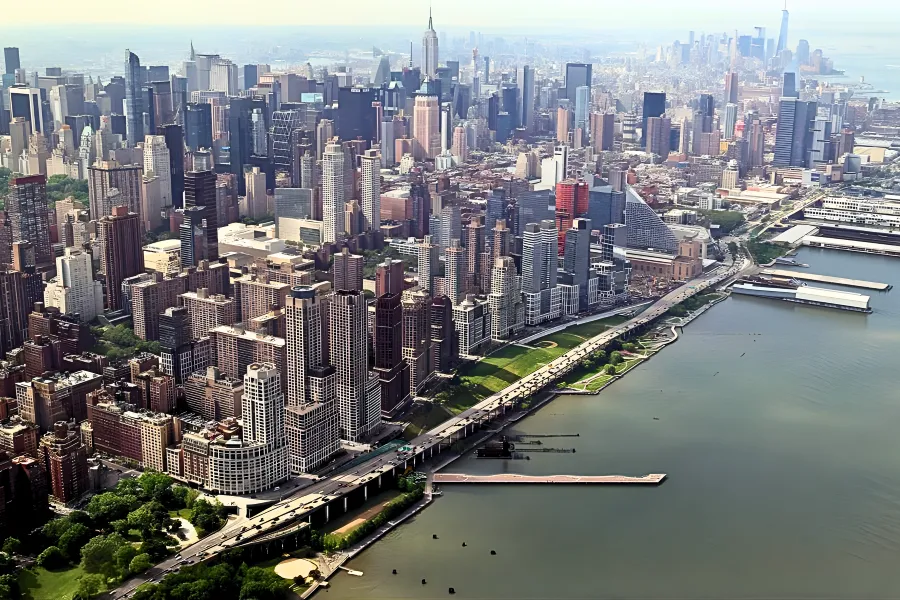

If you’re deciding between the Upper East Side and the Upper West Side in 2026, you’re doing what smart Manhattan buyers do: narrowing down to two top-tier neighborhoods and trying to figure out which one actually matches how you live. Because here’s the truth: you can find an incredible apartment on either side of the park. You can also make a very expensive mistake on either side of the park.
What most people get wrong is that they treat this decision like it’s about “better” or “worse.” It’s not. It’s about fit. It’s about your daily rhythm, your building preferences, your tolerance for co-op requirements, your relationship with noise and activity, your commute pattern, and how long you plan to stay. And if you’re buying, it’s about which neighborhood’s inventory aligns with your budget and your long-term exit plan. Both the Upper East Side and Upper West Side are iconic. Both have deep pre-war inventory. Both have luxury and ultra-luxury assets that can trade in the eight figures. Both offer park access, strong transportation, and a lifestyle that feels distinctly “Manhattan.” But emotionally and practically, they are different products.
- The Upper East Side tends to feel polished, structured, and deliberately residential.
- The Upper West Side tends to feel expressive, layered, and more outwardly energetic.
Let’s break down what that actually means in 2026 across lifestyle, inventory, pricing tiers, co-op vs condo realities, luxury identity, and seller strategy without the generic fluff.
Market Update Snapshot (2026)
This is the quick framing I give clients before we even tour. Both neighborhoods remain high-demand, but demand behaves differently. On the UES, buyers often move when the numbers and the building profile line up. On the UWS, buyers often move when the place feels right, and the numbers are close enough.
Co-ops still dominate on both sides, which means the building you choose can matter as much as the apartment. Documentation, liquidity, and building rules aren’t side notes here; they’re part of the deal. Condos continue to command premiums because of transaction simplicity and buyer flexibility. That’s true on the UES and the UWS, though the condo inventory “shape” is different.
Luxury and ultra-luxury are asset-specific. At $10M+, you’re not buying “Upper East Side” or “Upper West Side.” You’re buying a specific exposure, a specific level of privacy, a specific building reputation, and often a specific floor plan that can’t be replicated.
In 2026, the smartest buyers aren’t asking “which side is better?” They’re asking, “Which side has the inventory that matches my lifestyle and my ownership strategy?”
The Vibe Difference: How These Neighborhoods Live

This is the part you feel in your bones after ten minutes.
Upper East Side Energy
The Upper East Side is calm in a way that feels intentional. The residential streets often feel composed. The neighborhood’s identity leans classic and refined. It’s less about constant stimulation and more about consistency: your building, your route, your routine, your “this works” lifestyle. The UES also tends to feel more “contained.” Not isolated, contained. It has an orderly rhythm.
Upper West Side Energy
The Upper West Side is animated and textured. It’s not chaotic, but it’s more outwardly expressive. There’s a sense of life on the avenues and around the park edge that can feel energizing. It can also feel more neighborhood-social, with people out and about, more visible movement, more “this has a pulse.” Neither vibe is better. But people tend to choose the side that matches their personality.
- If you like structure, polish, and a slightly quieter rhythm, the UES often feels like home.
- If you like texture, energy, and a more outwardly lively atmosphere, the UWS often feels like home.
Micro-Markets Matter More Than the Headlines
This comparison becomes much easier once you stop saying “Upper East Side” and “Upper West Side” and start speaking in pockets.
Upper East Side Pockets Buyers Actually Shop
- Carnegie Hill: classic pre-war identity, elegant building stock, traditional layouts
- Lenox Hill: convenient, full-service buildings, strong access to Midtown corridors
- Yorkville: broad inventory range, practical access, often stronger value options
- Park-adjacent corridors: premium pricing, enduring demand, trophy inventory nearby
Upper West Side Pockets Buyers Actually Shop
- Central Park West corridor: iconic pre-war co-ops, strong architectural presence, premium positioning
- Riverside Drive corridor: river-facing options, grander proportions in certain buildings
- West End Avenue: residential feel with larger layouts in many pre-war properties
- Broadway corridor: lively avenue energy, strong transit access, a bit more “movement.”
If you tell me “I want the UWS,” I can’t help you until I know if you mean CPW prestige, West End classic, Riverside scale, or Broadway practicality. Same for UES: Yorkville and Carnegie Hill are not interchangeable experiences.
Entry-Level Living: Studios and One-Bedrooms (Renting and Buying)

A lot of people begin this decision at the entry level, either renting while they learn the city, or buying a first apartment to stop paying rent.
Entry-Level on the Upper East Side
The UES often offers a wider pool of co-op inventory in the entry tier, including studios and one-beds that can feel surprisingly livable because older layouts can be more rational. It’s also a neighborhood where many first-time buyers feel like they can get “real Manhattan” without needing downtown-level budgets. What buyers tend to like at this tier:
- Classic layout proportions in many older units
- A strong mix of elevator buildings
- Plenty of building choices at different monthly cost profiles
What they need to watch:
- Co-op approval requirements
- Monthly carrying costs that can make a “good price” feel expensive over time
- Renovation scope in certain pre-war units
Entry-level on the Upper West Side
The UWS entry tier can be a little more pocket-dependent. Some areas offer strong opportunities, but inventory can feel tighter depending on your exact wish list. Buyers here often fall in love with the “feel” of the faster block charm, architecture, the vibe near the park, and that emotional pull can influence decision-making. What buyers tend to like at this tier:
- Architectural character, especially in pre-war buildings
- Neighborhood texture, people love walking around the UWS
- A sense that the neighborhood has personality
What they need to watch:
- Competition for the “best-feeling” apartments
- Building monthlies that can vary widely by property
- Making sure the apartment works logically, not just emotionally
At the entry tier, here’s the real difference: UES buyers often decide with spreadsheets. UWS buyers often decide with their gut, then confirm with spreadsheets.
The $1.2M-$3M Tier: Where the Decision Gets Real
This is the bracket where people stop experimenting and start choosing a home with staying power.
Upper East Side in this tier
The UES becomes extremely strong here. Buyers often gain access to:
- True two-bedroom co-op options
- Renovated pre-war layouts with strong separation of space
- Full-service post-war buildings
- Select condos depending on location and size
What makes the UES compelling in this range is how “livable” the inventory can be. Many apartments feel like they were designed for people who actually live at home. Home office possibilities. Real dining areas. Rooms that aren’t shaped like hallways.
Upper West Side in this tier
The UWS can deliver:
- Beautiful pre-war co-ops with character
- Larger-feeling layouts in many buildings
- Pockets where the street presence and architecture feel special
- Boutique condo inventory in certain areas
What often happens at this price point is the buyer starts touring both sides and realizes the decision is less about price and more about identity.
- Some people see the UES and say, “This feels clean and efficient. I can build here.”
- Some people see the UWS and say, “This feels like my version of New York.”
And that matters because if you’re planning to stay five to ten years, your neighborhood needs to feel like your lifestyle, not just your budget.
Luxury: $3M-$10M and the Two Different Luxury Languages
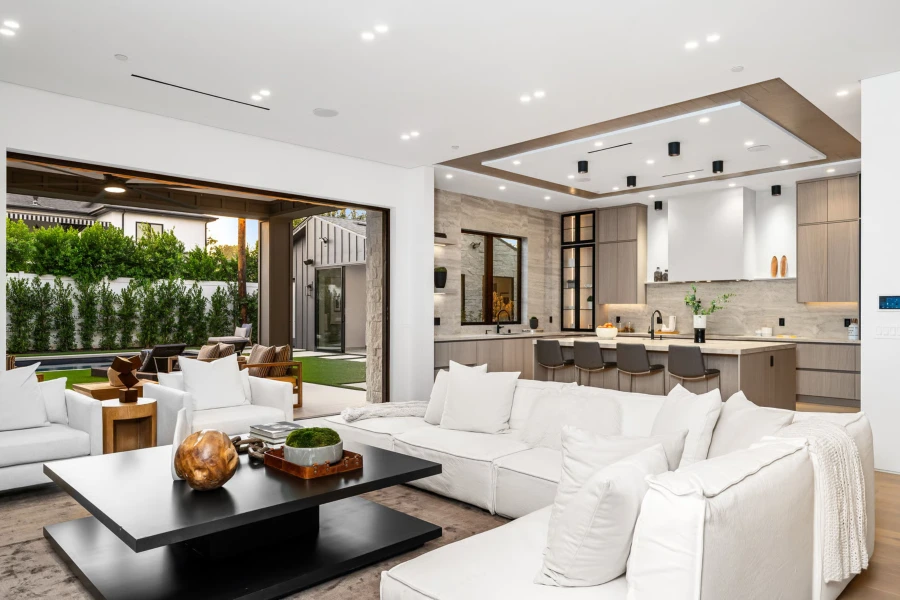
This is where both sides of the park shine, but they shine differently.
Upper East Side luxury
Upper East Side luxury is often about:
- Building pedigree
- Discretion
- Proportion and refinement
- The quiet power of “this is a serious address.”
Luxury UES buyers tend to evaluate:
- Building reputation and management
- Layout and flow (classic-six layouts are still king)
- Finish quality that feels timeless, not trendy
- Exposure and light (because it changes how the home feels)
There’s a certain UES luxury buyer who wants calm perfection. Not sterile. Not cold. Just composed.
Upper West Side luxury
Upper West Side luxury often leans into:
- Architectural presence
- Dramatic pre-war detailing
- Iconic park or river adjacency
- A sense of romance in the building itself
UWS luxury buyers tend to evaluate:
- Scale and character
- How the apartment “lands” emotionally
- Presence of landmark or storied building stock
- Light, height, and views that feel cinematic
At $5M, buyers are not just buying bedrooms. They’re buying identity. The UES luxury identity and the UWS luxury identity are different.
One isn’t better. But one is more “you.”
Ultra-Luxury: $10M-$30M+ and What Actually Drives These Deals
At the top, the comparison becomes less about neighborhood labels and more about asset uniqueness.
Ultra-luxury on the Upper East Side
The UES has trophy categories that can be extraordinarily high value:
- Park-adjacent legacy residences
- Full-floor or large-format condos
- Historic townhouses with width and pedigree
- Classic pre-war residences in prime corridors
Ultra-luxury buyers here often want:
- Privacy and discretion
- Long-term value positioning
- A home that feels stable and “correct.”
- A building reputation that supports the asset
These deals can be quiet. Sometimes they’re marketed discreetly. Sometimes they trade through relationships and targeted buyer outreach.
Ultra-luxury on the Upper West Side
The UWS has a different kind of trophy feel:
- Iconic Central Park West residences
- Dramatic pre-war scale
- River-facing grand properties
- Architecture that makes people stop and stare
Ultra-luxury buyers on the UWS often respond strongly to:
- Architectural drama
- Story and presence
- Views and scale
- This is the apartment” emotional clarity
At this tier, a listing doesn’t win because it exists. It wins because it’s positioned properly, priced strategically, and shown to the right buyers in the right way.
Co-op vs Condo: The Make-or-Break Factor on Both Sides
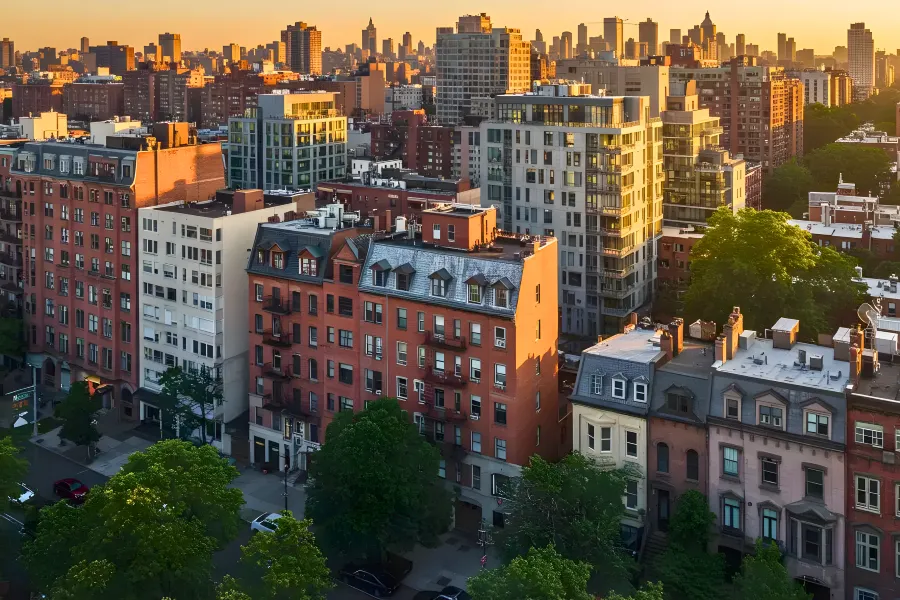
This is the part that determines whether you’ll have a smooth process or a frustrating one.
Co-ops
Co-ops can offer:
- More inventory
- Often better price-per-square-foot
- Classic layouts
- Buildings with a long-term stability culture
But co-ops require:
- Documentation
- Patience
- An understanding of the building’s expectations
- A clean buyer story
Condos
Condos can offer:
- Typically simpler approval process
- Broader buyer pool at resale
- Often, newer amenities and finishes
- Different flexibility considerations depending on the building
But condos often cost more upfront, and your value is strongly tied to the building’s position within its submarket. If you’re choosing between UES and UWS and you’re not sure about co-op vs condo, decide that first. It will clarify your inventory instantly and save you time.
Day-to-Day Practicalities That Actually Affect Happiness
This isn’t about buzzwords. It’s about how your life runs.
Transportation access
Both neighborhoods are well-served by subway lines and buses. The key is choosing a pocket that matches your commute pattern. A “great apartment” becomes less great when your commute feels unnecessarily difficult.
Building services
Doormen, elevators, package handling, laundry, and amenities can transform daily life. Especially if you work long hours, travel, or simply don’t want your home life to feel like a logistical sport.
Layout livability
This matters on both sides, but it shows up differently. The UES often wins on practical classic layouts. The UWS often wins on charm and character. Your priority decides the winner.
Buyer Psychology in 2026: How Decisions Actually Get Made

Here’s what I see over and over:
- UES buyers often say: “Show me the strongest building, the strongest layout, and the cleanest numbers.”
- UWS buyers often say: “Show me the one I’ll be happy to come home to and then make the deal make sense.”
Both are smart approaches. The mistake is trying to force yourself into the other neighborhood’s mentality. If your soul wants UWS, you’ll regret a “perfect” UES apartment that never feels like you. If your brain wants UES, you’ll get tired of paying for UWS charm that doesn’t deliver functional value.
Seller Strategy in 2026: Why Some Listings Fly, and Others Sit
If you’re selling on either side, this is the truth. Buyers aren’t just comparing your apartment to the neighborhood. They’re comparing it to its category.
- A $900K studio buyer is payment-driven and condition-driven.
- A $2.5M buyer is layout-driven and building-driven.
- A $7M buyer is execution-driven and reputation-driven.
- A $20M buyer is uniqueness-driven and privacy-driven.
That means your strategy changes by tier. What consistently works in 2026:
- Pricing that respects the comp set, not the wish set
- Presentation that feels intentional (not overly stylized, not underdone)
- Clean positioning: who it’s for, why it wins, and what the buyer is getting that others aren’t
- Understanding that “more exposure” is not the same thing as “right exposure,” especially in luxury
The sellers who win are the ones who respect buyer psychology. The ones who lose time and money are the ones who assume demand will bend to ego.
So, Which Is Better in 2026?
If you want a simple answer, you won’t like it: it depends. But here’s the honest way to decide:
Choose the Upper East Side if you want:
- Polish, structure, and a composed daily rhythm
- Classic layouts that feel like homes
- Deep co-op inventory and strong building pedigree culture
- Luxury that leans discreet and refined
- A market that often rewards strategic, analytical buying
Choose the Upper West Side if you want:
- A more expressive, layered neighborhood feel
- Architecture and atmosphere that you connect with emotionally
- Luxury that leans cinematic and iconic
- Blocks that feel like a place you enjoy walking around every day
- A market where the “feel” factor often matters more
Both neighborhoods can deliver an incredible quality of life. The better neighborhood is the one you’ll actually enjoy living in, not the one that sounds better in a sentence.
FAQs
Pricing overlaps significantly. The true drivers are micro-location, building type (co-op vs condo), exposure, and monthly carrying costs.
Yes. Both have luxury inventory in the $3M-$10M range and trophy assets that can exceed $20M-$30M+, depending on property type and uniqueness.
Both are co-op dominant. The UES is famously co-op heavy, but the UWS also has a deep co-op landscape, especially in pre-war buildings.
Both have condo inventory, often at a premium. The “shape” of condo inventory differs by corridor and building type, so it’s best evaluated at the micro-market level.
It’s both. Lifestyle determines fit. Financial structure determines feasibility. The best decisions happen when both align.
Yes. Both have townhouse inventory. Pricing is block-, width-, and condition-specific, especially at the trophy level.
Tour 2-3 apartments on each side that match your true budget and preferred building type. The decision usually becomes obvious once you experience both in your own price bracket.