
If you’ve ever toured a Manhattan apartment and thought, “Something feels off, but I can’t figure out what,” you are already more aware than most buyers. Showings in NYC move fast people crowding the space, brokers talking, and your brain trying to imagine where your couch might go. Before you know it, you’re on to the next apartment.
That’s exactly how red flags slip through the cracks.
The good news? Once you know what to look for, you’ll start noticing details most buyers completely miss. These insights protect your wallet, your peace of mind, and your future resale value.
Consider this your clear, friendly checklist of the top red flags Manhattan buyers should watch for during any showing.
Let’s break them down calmly and confidently.
Start With the Hard Truth: In Manhattan, Red Flags Are Not Always Obvious
A leaking pipe? Obvious red flag.
An elevator that sounds like it’s auditioning for a horror movie? Also obvious.
But NYC real estate red flags are usually subtle hiding in the building’s history, layout, lighting, financials, or renovation quality. Some are deal breakers. Some are simply things you should know before falling in love with the space.
The goal is not fear, it’s empowerment.
Let’s get into it.
Red Flag 1: Poor Natural Light That the Listing Photos Hid
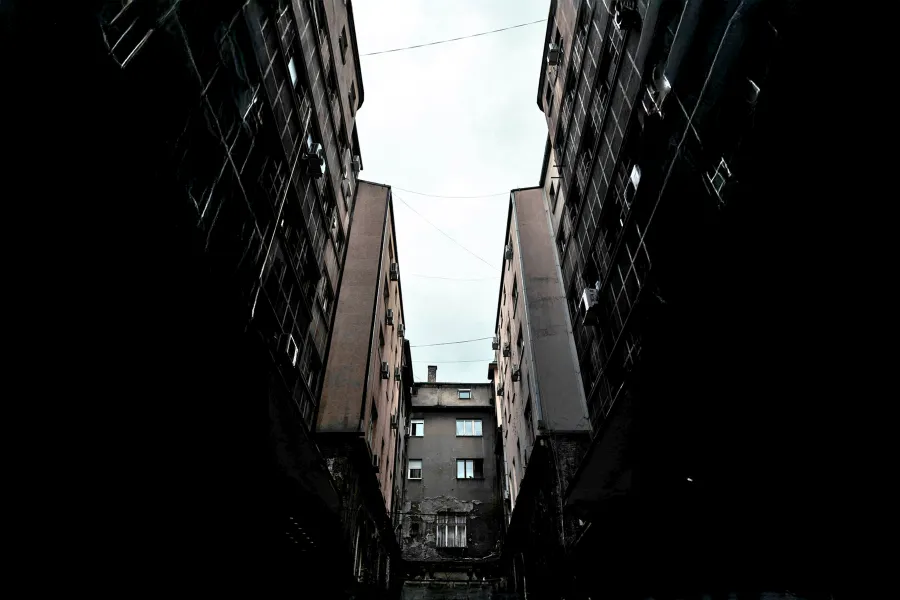
Listing photos in Manhattan can be… optimistic.
Wide-angle lenses, boosted exposure, and creative editing can make a dim apartment look like a sun-filled loft.
During the showing, check:
- How much natural light actually enters
- Window direction (N/S/E/W matters deeply in NYC)
- Whether nearby buildings block sunlight
- Whether future construction could block it
- Whether the apartment feels noticeably darker than the photos
Natural light affects mood, resale value, and overall quality of life.
If the listing promised sunshine and you walk into a submarine, that’s a real red flag.
Red Flag 2: A Layout That Looks Fine on Paper but Makes No Sense in Person
A bad layout is one of the costliest mistakes Manhattan buyers make. Space is precious here every square foot counts.
Watch out for:
- Long hallways that waste space
- Kitchens blocking flow
- Bedrooms jammed awkwardly into corners
- Pillars or beams placed inconveniently
- Rooms too narrow for real furniture
- Living rooms that are wide but shallow, or deep but unusable
- Rooms that feel smaller in person than the floor plan indicates
You can change paint, lighting, and finishes but a bad layout is forever.
Red Flag 3: A Renovation That Looks Nice but Feels Cheap
NYC is full of “fast flip” renovations: shiny at first glance, disappointing once you touch anything.
Common signs:
- Hollow or uneven floors
- Cheap cabinetry
- Sloppy caulking or paint
- Thin countertops
- Wiggly fixtures
- Painted-over outlets
- Doors that don’t close smoothly
- Weak water pressure
A pretty renovation is not always a quality renovation. Sometimes it’s a band-aid.
Red Flag 4: Noise You Only Notice When You Stop Talking
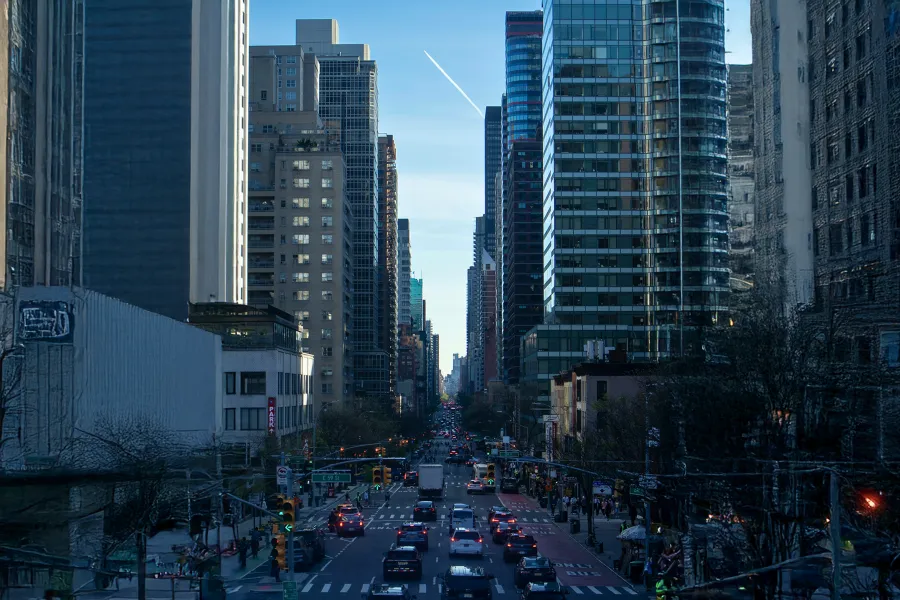
Manhattan isn’t quiet but there’s a difference between manageable sound and nonstop stress.
Listen for:
- Street noise during peak hours
- Bus braking
- Construction
- Sirens from fire stations or hospitals
- Upstairs neighbor footsteps
- Loud radiators
- Mechanical rooms nearby
- Bars/restaurants below
- Subway vibrations
Just 30 seconds of silence can reveal everything.
Red Flag 5: A Lobby or Hallway That Tells the Wrong Story
Buyers often love the apartment but overlook the building. Common areas are powerful clues about building culture and financial health.
Pay attention to:
- Worn-out lobbies
- Hallways that haven’t been updated in decades
- Poor lighting
- Old carpeting or peeling paint
- Damaged doors
- Understaffed or chaotic doorman desks
A tired building usually signals delayed upgrades or low reserves.
Red Flag 6: Maintenance or Common Charges Rising Too Quickly
This is a big one in Manhattan co-ops and condos.
Sharp increases in monthlies may indicate:
- Weak building financials
- Poor management
- Upcoming capital projects
- Costly amenities
- Low reserves
- Special assessments coming
Always ask about:
- Historical increases
- Reserve fund health
- Planned improvements
- Past assessments
Most buyers overlook this until it’s too late. Not you.
Red Flag 7: Too Many Units for Sale in the Same Building
TNot always a disaster but always worth a second look.
Multiple listings could signal:
- Poor management
- A building that isn’t holding value
- A difficult board
- An upcoming assessment
- Noise issues
- Overpricing
Compare with nearby buildings for context.
Red Flag 8: A Musty Smell Nobody Wants to Acknowledge
A faint musty odor can indicate:
- Hidden moisture
- Old plumbing
- Mold risk
- HVAC problems
- Poor ventilation
- Prior leaks
Doesn’t mean “run away,” but it does mean “inspect carefully.”
Red Flag 9: A Block With Hidden Issues
In Manhattan, you’re buying the block as much as the apartment.
Look for:
- Extensive scaffolding
- Bars with late-night noise
- Bus stops directly in front
- Schools with loud drop-off periods
- Fire stations or hospitals nearby
- Loading docks
- Construction sites
- Constant pedestrian traffic
- Persistent honking patterns
Every block has personality, the question is whether you want to live with it.
Red Flag 10: A Listing Agent Who Can’t Answer Basic Questions

A weak or evasive listing agent may signal deeper issues.
If they struggle to answer:
- Financial questions
- Past assessments
- Sublet policy
- Building repairs
- Recent sales
- Pet rules
- Flip taxes
- Application fees
…slow down.
Either the building has problems or the agent isn’t providing the transparency you deserve.
Red Flag 11: Poor Cell Service Inside the Apartment
It sounds minor until you move in.
Do a quick test:
- Make a call
- Send a text
- Check data
If you’re standing by one specific window just to get service… that’s a lifestyle problem and a resale problem.
Red Flag 12: A Seller Who Can’t Provide Documentation
If documentation is missing or unclear, ask why.
It can mean:
- Unpermitted work
- Sloppy record keeping
- Renovations done quietly
- Problems during past repairs
Documentation matters especially in Manhattan co-ops.
Final Thoughts: The Best Buyers Are Prepared, Calm, and Observant
Buying in Manhattan is emotional and exciting but awareness is what protects you. When you know the NYC apartment showing red flags, you walk into every viewing with confidence instead of confusion. You see what others miss. You avoid regret. You make decisions that support your long-term comfort and happiness.
And if you ever want help evaluating a unit or want honest, friendly feedback during your search, I’m always happy to guide you.
This is my world every day and I love helping buyers navigate it clearly.