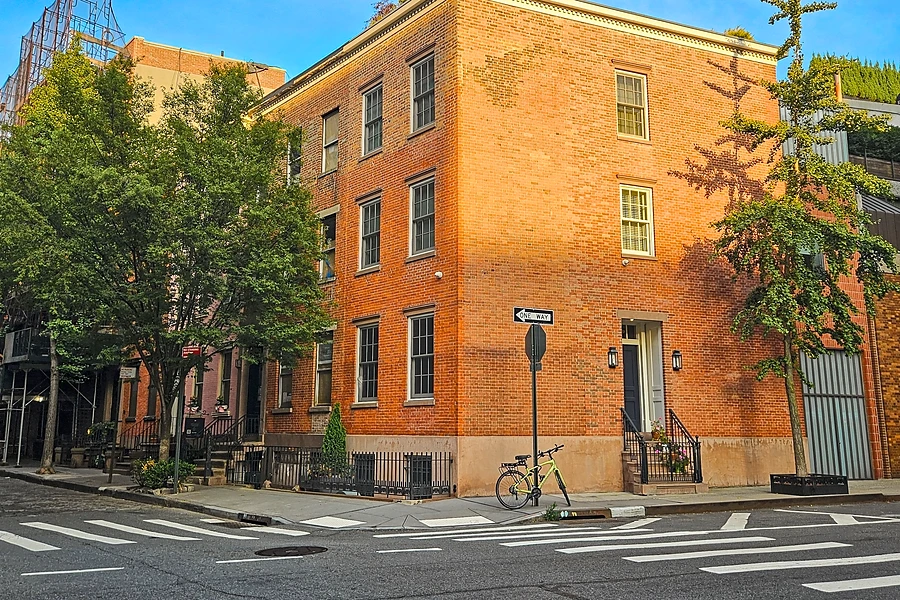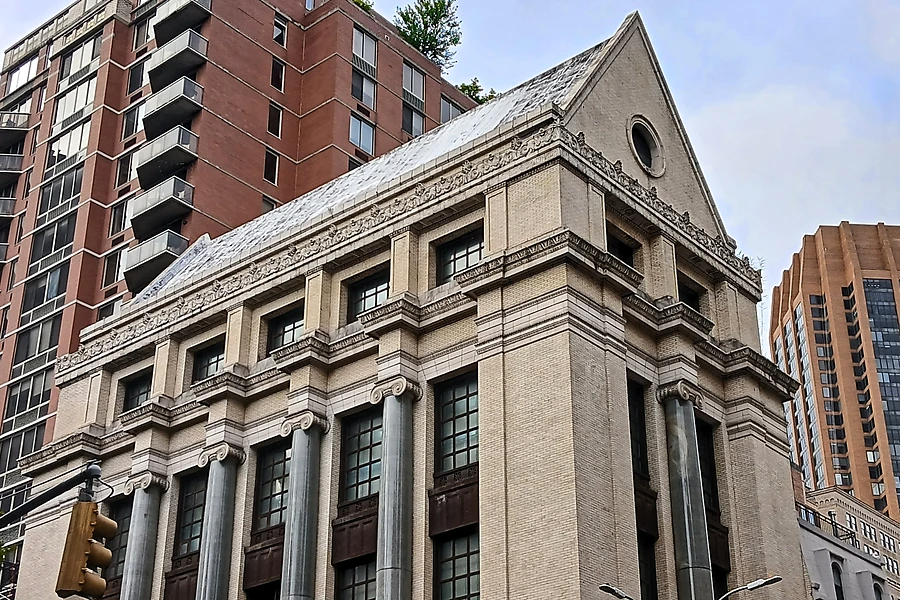

Selling a UES co-op with an estate condition requires two separate conversations. The first is about the apartment’s dated, original, or unrenovated physical condition. The second is about whether a decedent’s estate owns the shares and proprietary lease. The listing phrase does not answer the second question.
For Upper East Side context, Brett Ari Fischer’s pre-war co-op pricing guide is useful market reading. It emphasizes building-specific comparables, condition, maintenance, financing, and buyer qualification. Those are market considerations, not legal definitions.
Decide early whether the property needs careful presentation or a documented renovation strategy.
Selling a UES Co-op With an Estate Condition: Define the Label
In New York listing language, estate condition usually signals a dated physical state. The apartment may retain original kitchens, bathrooms, plumbing fixtures, electrical components, flooring, millwork, appliances, or finishes. It may not have been meaningfully renovated for decades. The phrase can imply that the buyer should expect work and evaluate the apartment as-is. It is not a building-code category, warranty, or finding that a unit is unsafe. Legality, permits, reserves, and system condition require records, inspection, and professional advice.
Dated is not the same as defective
An old kitchen can be functional. Original bathroom fixtures can be attractive. Pre-war details can add value. Conversely, a recently renovated apartment can still contain concealed defects, undocumented alterations, or systems near the end of their useful lives.
A responsible listing separates visible age from known defects. Say that finishes are original or dated when that is supportable. Describe observed issues accurately. Do not turn a marketing label into a promise about every system or into an unsupported allegation about the building.
Estate ownership is a separate conditional issue
An estate-owned co-op is a transaction status, not a physical condition. It generally means the shares and proprietary lease are being handled by an executor, administrator, or other fiduciary after the shareholder’s death. A renovated apartment can be estate-owned. A dated apartment can be owned by a living shareholder who simply deferred renovation.
If the seller is an estate, confirm who has authority to act, what the cooperative requires, and whether the managing agent needs court papers, a death certificate, the stock certificate, the proprietary lease, or other documents.
New York court guidance describes executors and administrators as fiduciaries with duties to protect, inventory, pay expenses, and transfer estate property.
Ask the estate question separately and document the answer. A physical-condition label does not solve an authority problem.
Better listing language
A precise description might say: “Original pre-war condition with dated kitchen and baths. Buyer should inspect and confirm renovation requirements with the cooperative and city agencies.” If the seller is an estate, separately identify the fiduciary process. “Needs a gut” should have a defensible basis and cost caveat.
The co-op transaction underneath the apartment

A buyer of a New York co-op generally buys shares in the cooperative corporation and receives a proprietary lease or similar occupancy right. The corporation owns or leases the building. The shares and lease are the asset being transferred, not a deed conveying fee title to the apartment interior. The buyer evaluates the apartment, cooperative rules, corporation finances, and transfer process together. A low purchase price does not eliminate maintenance, assessments, underlying-mortgage exposure, insurance requirements, or board procedures.
Board approval is part of the sale process
The proprietary lease, bylaws, house rules, and transfer procedures control the cooperative’s review. A board may require a package, finances, references, an interview, a lender recognition agreement, or other documents. Requirements vary by building. A seller should obtain the current requirements from management rather than relying on an old package or a neighboring building’s practice.
Board review is not permission to ignore fair-housing law. Cooperative boards, brokers, managing agents, and lenders remain subject to federal, state, and local anti-discrimination rules.
A seller can evaluate a buyer’s ability to satisfy published financial and procedural requirements, but marketing should not express preferences based on protected characteristics or lawful sources of income.
Alterations need separate approval
A buyer who plans to modernize a dated unit may need written cooperative consent before work begins. A typical alteration agreement requires plans and specifications, sometimes prepared by a licensed architect or engineer, review by the corporation’s professionals, deposits or fees, insurance, contractor information, and written approval.
Co-op consent does not replace city approval. The shareholder remains responsible for compliance with applicable codes and governmental requirements. A board-approved plan may still need filings or permits from the Department of Buildings, the Fire Department, or the Landmarks Preservation Commission.
The building’s own alteration agreement should be reviewed before an offer is accepted if renovation is central to the buyer’s plan.
The seller should identify prior alterations
A dated unit may have no prior work, or it may contain decades-old work that is not obvious from photographs. Ask management for alteration agreements and the seller’s records. Compare those records with the apartment as it exists.
A moved wall, combined room, relocated kitchen, new bathroom, changed plumbing, or altered electrical service can create questions about approvals and filings.
The seller should not certify that work is legal merely because it appears finished. Counsel should review the contract and address known alterations or missing approvals directly.
Seller’s pre-listing condition audit
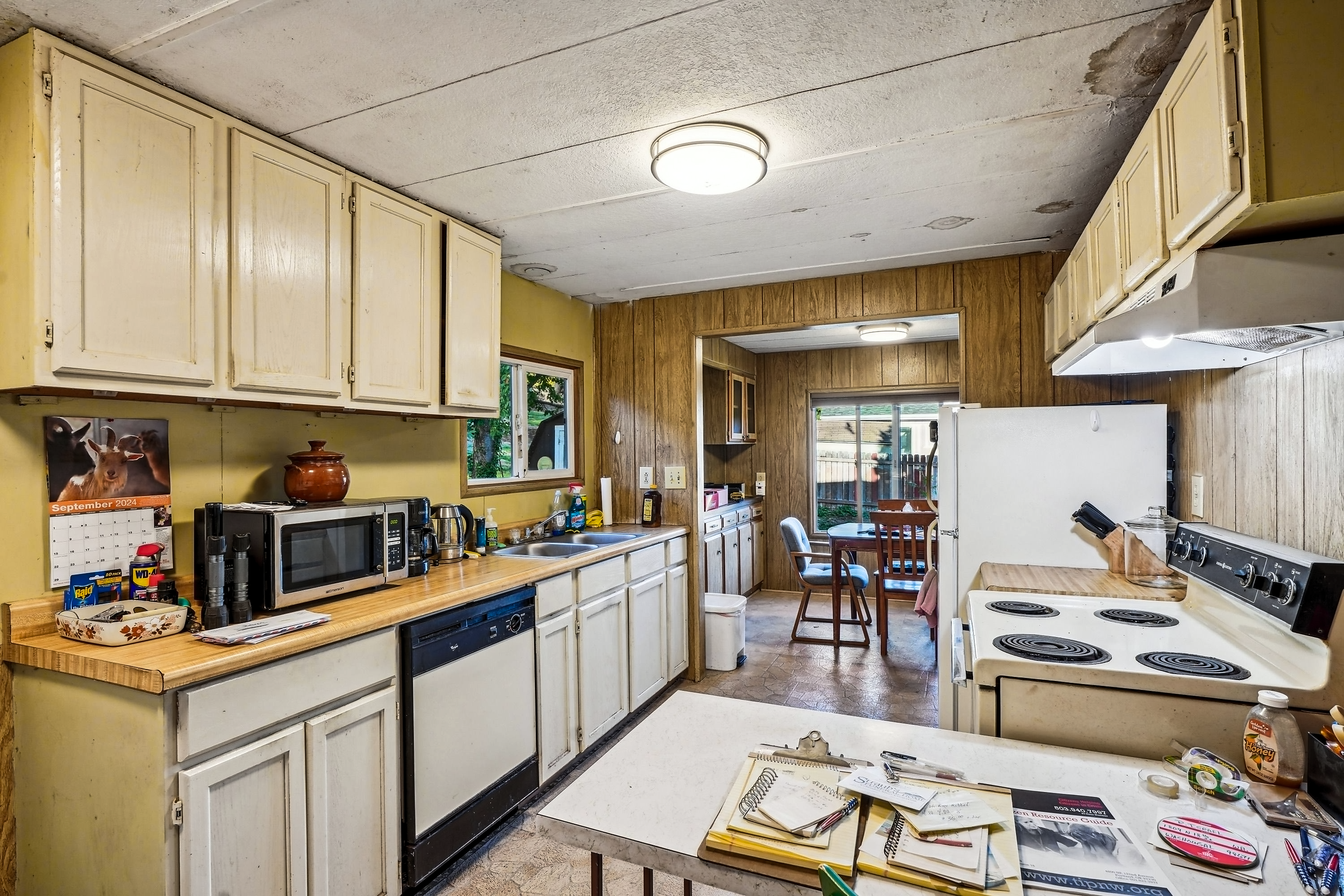
Before photography and pricing, build a file that lets the seller describe the unit without guessing. Gather the stock certificate, proprietary lease, offering-plan materials if available, amendments, house rules, alteration agreements, maintenance statements, assessments, and recent financial information.
The New York Attorney General recommends examining cooperative physical aspects such as the facade, roof, elevators, heating, windows, wiring, plumbing, and other systems. For an existing-building resale, an old offering plan is not a current condition report.
Get an independent inspection
A buyer may inspect before signing or closing, subject to the contract and building access rules. A seller can also commission a pre-listing inspection by a qualified professional. The purpose is to identify concerns, improve accuracy, support pricing, and avoid surprises after contract signing.
An inspection may flag moisture, electrical conditions, leaks, deteriorated finishes, ventilation issues, or matters requiring specialist review. Keep reports organized for counsel before deciding what to disclose.
Check DOB records before promising renovation potential
NYC Department of Buildings records in BIS and DOB NOW can help identify applications, permits, inspections, and sign-offs. The absence of a record is not proof that every existing condition is illegal, and a record is not proof that work matches the apartment today.
Use the records as a starting point for counsel and the buyer’s professionals.
Cosmetic painting generally does not require a DOB permit. Work involving plumbing, gas, electrical wiring, HVAC, structural conditions, or changes to layout can require specialized contractors, filings, or permits. The answer depends on scope and building conditions. Never promise “easy approval” or “no permits needed” without a current professional assessment.
Address lead paint by age and activity
Federal lead disclosure generally applies to pre-1978 target housing, including a typical co-op share-and-lease sale, subject to exemptions. Before contract, give known lead information, available reports, the EPA pamphlet and warning statement, plus an inspection opportunity, ordinarily ten days unless another period is agreed in writing. The federal rule is about known information and disclosure; it does not automatically require the seller to remove all lead paint before sale.
NYC HPD says Local Law 1 applies to co-op or condo units not occupied by the owner or an owner’s family member. Requirements depend on building age, occupancy, child-presence rules, turnover, testing, notices, and safe work. Confirm the shareholder, corporation, and management responsibilities before promising compliance.
HPD guidance should be read with the building’s management because a co-op unit’s occupancy and ownership arrangement can affect which obligations apply.
Do not describe paint as lead-free without a reliable basis. If renovation will disturb painted surfaces in pre-1978 housing, include lead-safe planning in the scope, schedule, and budget. The buyer’s attorney and environmental professional should resolve building-specific questions.
Review the building, not only the unit
A dated kitchen is only one part of a co-op purchase. Buyers and lenders may examine board minutes, financial statements, reserves, mortgage terms, insurance, capital projects, assessments, violations, and engineering reports. Deferred maintenance or unfunded repairs can affect financing and marketability.
Fannie Mae project standards specifically address co-op share loans and project conditions. Lenders may need information about critical repairs, structural or mechanical inspections, special assessments, reserves, insurance, and unresolved deficiencies. Gather what management can lawfully provide; do not summarize building financial health from memory.
Build a renovation budget without false precision

An estate-condition listing should help a buyer understand the scale of possible work without pretending to know a final construction price. A seller can request a preliminary scope from an architect or contractor, but the scope should identify assumptions, exclusions, permits, board review, design fees, contingencies, temporary housing, and carrying costs.
Use clearly labeled hypothetical arithmetic. For example, assume a buyer considers a hypothetical 900-square-foot pre-war co-op.
Assume $25,000 for design and filing, $225,000 for construction, $35,000 for appliances and fixtures, and $15,000 for separate permit and other professional costs, with no overlap between categories. That is $300,000 before a 15% contingency of $45,000, or $345,000 total. That example is not a quote, appraisal, or prediction for any specific apartment. Actual costs could change with risers, electrical capacity, asbestos or lead protocols, structural work, labor, building rules, access, and scope changes.
Six months at a hypothetical $6,000 monthly carrying cost would add $36,000, producing a hypothetical $381,000 renovation-plus-carrying-cost scenario before financing and moving expenses.
Price the condition and the process
Pricing should compare the unit with recent closed sales in the same building whenever possible, then adjust for layout, floor, light, views, maintenance, assessments, financing rules, and renovation level. A renovated neighbor is not a direct comparable to an original-condition unit simply because the bedrooms and square footage match.
Estimate net proceeds under more than one path. One may involve clean-out, paint, minor repairs, and photography; another may be an as-is launch with renovation-oriented marketing. Include carrying costs. A renovation undertaken solely to increase price can expose a seller to risk, delay, and choices a buyer would have made differently.
Seller Strategy: Make Uncertainty Manageable

The Seller Strategy is to separate facts, estimates, and decisions. Facts include observable condition, records, maintenance, assessments, and procedures. Estimates include renovation allowances, timing, and market adjustments. Decisions include whether to repair, stage, price as-is, or wait.
Before launch, assemble the condition file, obtain current transfer and alteration requirements, check DOB records, ask counsel about lead obligations, and obtain a shareable building financial snapshot. Then choose a listing position that tells the truth in useful terms. “Original condition” communicates an opportunity. “As-is” communicates that the buyer should not expect a seller-funded renovation, but contract language still controls. “Estate-owned” should be used only when the seller’s authority and status are confirmed.
These labels should not be combined as though they describe the same fact. Test whether a buyer can finance the apartment in its present condition before marketing primarily to financed purchasers. Keep buyer targeting focused on financing capacity and renovation plans, not protected personal characteristics.
A strong showing plan can include a clean-out, working lights, clear paths, measured floor plans, and access for a buyer’s architect or inspector. The aim is not to disguise age, but to let buyers assess scale, details, defects, and possibilities.
The tax and disclosure distinction sellers should explain

New York’s Property Condition Disclosure Act does not cover cooperative apartments. Real Property Law section 461 defines covered residential real property and expressly excludes cooperative apartments and condominium units. That exclusion is about the type of property interest, not about whether the seller is an estate and not about whether the apartment is in poor condition.
Real Property Law section 463 separately lists exemptions for covered residential-property transfers, including transfers by a fiduciary in estate administration. That provision should not be used to suggest that a co-op would otherwise require the statutory form.
A co-op resale still involves contract representations, the duty not to make material misstatements, federal lead disclosure where applicable, building records, inspection, and professional due diligence.
Transfer taxes also follow the co-op structure. New York State and New York City guidance treat the transaction as a transfer of cooperative shares associated with a proprietary leasehold. The contract should allocate transfer taxes, flip taxes, fees, and adjustments under the governing documents and negotiated terms.
Do not assume that a nearby UES building uses the same formula or assigns the same cost to the seller.
A neutral UES document example

The Attorney General’s offering-plan database lists 400 East 84th Street Owners Corporation as an occupied Manhattan cooperative conversion at 400 East 84th Street, with 144 residential units and plan documents available. It is a neutral example of public filing research, not evidence of current building or apartment condition.
Use the actual building’s current documents and management instructions.
Closing guidance for a dated co-op sale

A successful estate-condition sale uses accurate language, realistic pricing, organized documents, and diligence. Use estate condition for dated physical condition. Ask separately whether the seller is an estate. Confirm shares, lease documents, alterations, permits, lead-paint issues, board review, lender review, taxes, and carrying costs.
For an estate-condition UES co-op pricing and marketing plan, contact TheNewYorkCityBroker.com/contact-me.
Frequently Asked Questions
No. In NYC market usage, estate condition generally describes an apartment that is original, dated, or unrenovated and may be offered as-is. It does not prove that the owner died or that an estate is selling. A broker or seller should ask and verify estate ownership separately.
If an estate is involved, the authorized fiduciary, court papers, cooperative transfer requirements, and signing authority become separate transaction questions. Do not use “estate-owned” until counsel and management confirm the status. That wording protects buyers from confusing a marketing description with a probate representation, and helps set realistic timing expectations.
A buyer generally purchases shares in the cooperative corporation together with a proprietary lease or occupancy right for the apartment. The corporation owns or leases the building. The transaction is therefore different from buying a condominium deed.
The buyer must evaluate the unit, the proprietary lease, bylaws, house rules, board process, building finances, assessments, insurance, and any underlying mortgage or capital project. The physical apartment is only one part of the cooperative interest being purchased. The buyer’s attorney and lender may request building-level information before approval.
Usually not without checking the building’s rules and obtaining the required written approvals. A renovation may require an alteration agreement, architect or engineer plans, review by the cooperative’s professionals, deposits, insurance, contractor information, and board consent. Depending on scope, DOB, Fire Department, or Landmarks Preservation Commission filings may also apply.
Board consent does not replace governmental permits or code compliance. A buyer should ask whether the proposed scope affects landmarked features, occupied-building protections, lead-safe work practices, or required final sign-offs.
New York Real Property Law section 461 excludes cooperative apartments and condominium units from the statute’s definition of covered residential real property. Therefore, the statutory property-condition disclosure statement is not required merely because a co-op is being sold. That does not permit misrepresentation or concealment of known material facts.
Contract terms, federal lead-paint disclosures, cooperative records, inspection, and professional due diligence still matter. A seller should answer questions accurately and should not rely on the statutory exclusion as a substitute for careful contract drafting.
Federal law generally requires disclosure of known lead-paint information before sale of most housing built before 1978, along with available records, the EPA pamphlet, warning language, and a buyer’s opportunity to obtain a lead inspection or risk assessment.
NYC Local Law 1 adds requirements for qualifying buildings, particularly pre-1960 buildings and some 1960 to 1978 buildings. Occupancy, children under six, turnover, testing, and proposed work can affect the analysis. Management should identify procedures, but the seller should obtain legal or environmental advice for these specific facts.
Start with closed sales in the same building, then adjust for condition, layout, floor, light, views, maintenance, assessments, financing, and renovation scope. Use a hypothetical renovation budget only as an illustration, with assumptions and contingencies clearly stated. Compare an as-is strategy with a light-preparation strategy, including carrying costs and time.
The highest asking price is not necessarily the best price if the buyer pool cannot finance or approve the purchase. A realistic comparison should account for board timing, lender conditions, renovation cash, financing risk, and the seller’s carrying costs. That discipline helps avoid overpricing a unit that needs substantial work.
For this dated UES co-op sale or another NYC listing, contact TheNewYorkCityBroker.com/contact-me.