

Buying a Kips Bay condo with a tax abatement can lower monthly carrying costs, but the phrase does not identify a single program or guarantee a future bill. Confirm the legal benefit, the unit’s current tax record, and its expiration or phaseout.
For broader neighborhood context, read Brett’s Kips Bay condo buying guide. Treat a seller’s estimate as unverified until the record supports it.
This guide is written for a September 2026 buyer. Records and building circumstances can change. Ask your attorney and lender to confirm the apartment and closing date.
Buying a Kips Bay condo with a tax abatement: identify the benefit
Start by asking for the exact program name, the building’s tax block and lot, the condominium’s billing lot, the apartment tax lot, the latest bill, and the most recent Notice of Property Value. Request the benefit start date, end date, current benefit year, exemption or abatement amount, and any approved phaseout schedule.
Do not accept “low taxes” as a sufficient answer. Ask whether the amount is an exemption from assessed value, an abatement credited against taxes, or personal relief tied to an owner.
A condo buyer should obtain the current bill for the exact unit. A condo bill can show the benefit and its amount. A co-op’s building receives the property tax bill, so the managing agent or board must explain the apartment’s allocation. Ask for the underlying statement rather than relying on a listing field.
A Kips Bay example, with status unverified

In a 2018 environmental assessment, NYC Department of City Planning identifies Kips Bay Towers Condominium at 300 to 330 East 33rd Street and 319 to 351 East 30th Street, Block 936, Lot 7501. That historical record describes two towers, 1,118 units, and a mid-1980s condominium conversion. That official record verifies the building’s condominium identity and Kips Bay location. It does not, by itself, verify a current 421-a exemption, a 485-x benefit, or a cooperative and condominium tax abatement for any unit. This article therefore treats Kips Bay Towers as a neutral example with abatement status unverified.
A buyer considering that building should match the exact unit tax lot to the current Department of Finance account, then obtain the condominium’s benefit correspondence and closing documents. Apply the same test to any other Kips Bay condo. A marketing statement is not official confirmation.
421-a is not 485-x
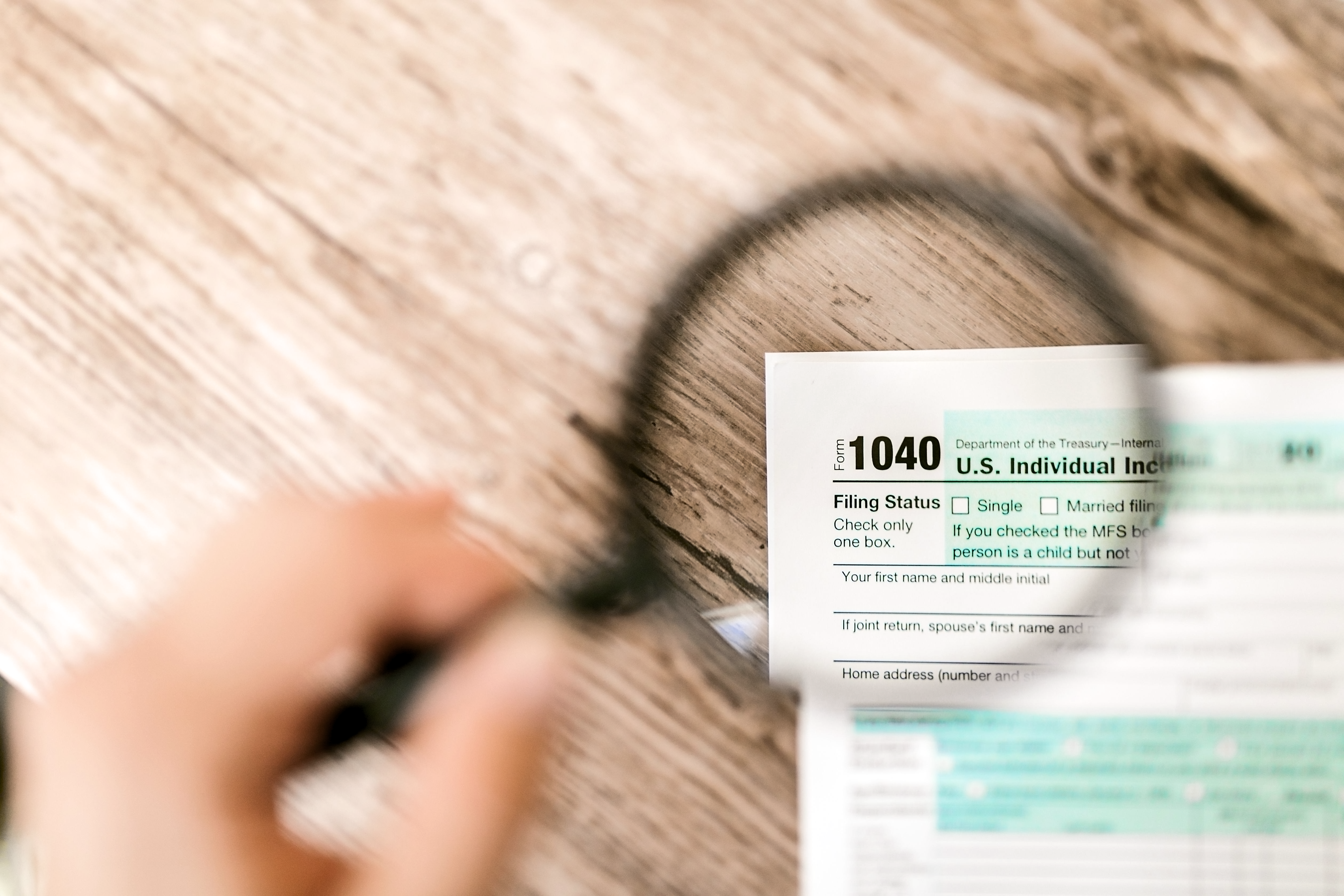
421-a is a partial property tax exemption for qualifying new multiple dwellings. HPD determines eligibility and Department of Finance applies the benefit after the required process. The program has different benefit types and schedules, so one building’s percentage or duration cannot be transferred to another building.
HPD states that older 421-a projects generally had to meet construction timing, location, affordability, and other requirements. The applicable version matters. A buyer needs the project’s certificate or docket, commencement and completion dates, benefit type, affordability obligations, assessed value limits, and current benefit year.
485-x, also called Affordable Neighborhoods for New Yorkers, is a newer program for qualifying construction and eligible conversions. HPD says eligible projects must contain at least six dwelling units, begin construction after June 15, 2022 and by June 15, 2034, and complete by June 15, 2038.
HPD’s 485-x Option D is the homeownership option. A Homeownership Project cannot be located in Manhattan under its published rules. Therefore, a Kips Bay condo cannot receive an Option D homeownership benefit. Other 485-x rental options have separate rules; do not mistake a rental-project claim for an individual condo-unit benefit.
421-g was a Lower Manhattan commercial-conversion incentive. DOF says it expired June 30, 2006, with new applications barred after December 30, 2007; it is not a Kips Bay benefit. Original J-51 expired for work completed after June 29, 2022. Separate J-51 R has different eligibility, condo-lot, filing, and layering rules.
The co-op and condo abatement is owner and building specific

The NYC co-op and condo property tax abatement reduces property taxes for eligible condominium and cooperative owners. The development must meet program rules, and the board or authorized managing agent applies for the entire development. An individual buyer does not submit a standalone application that overrides the building’s filing.
For an individual unit, primary residence is central. The unit must be the owner’s primary residence, subject to program rules. Owners generally cannot own more than three residential units in the development. Confirm that the required real-property transfer-tax filing or deed has been filed with the Division of Land Records.
An LLC or other business owner generally does not qualify for the individual unit benefit, subject to limited security related exceptions. A sponsor or successor in interest is treated differently from an owner occupying a home. Ask counsel to review ownership form before assuming a buyer can receive the abatement.
Eligibility is tested as of January 5. An eligible purchase on or before that date may receive the benefit beginning the upcoming July 1 tax year; a later purchase generally shifts the buyer’s benefit to the following year. The usual board or agent deadline is February 15, but confirm any tax-year-specific extension.
Certain developments must submit a prevailing wage affidavit. Current Department of Finance guidance identifies thresholds based on unit count and average assessed value per unit. Failure to file when required can cause the entire development to lose the abatement for that tax year. This is a building level risk, not merely an apartment level detail.
The program’s bracket depends on the average assessed value of residential units in the development. Do not quote one universal percentage. Published percentages are 28.1, 25.2, 22.5, and 17.5 percent by bracket; the actual unit dollar effect depends on the tax year, account, and eligibility.
Verify the bill, not the marketing projection

Obtain at least the latest quarterly or semiannual tax bill, the preceding bill, the Notice of Property Value, and the Department of Finance property account printout. Compare the owner name, address, borough, block, lot, tax class, billable assessed value, tax rate, exemptions, abatements, credits, and balance due.
A Notice of Property Value is not the same as a bill. It reports market value, assessed value, taxable value, and related information used to calculate the tax. The bill shows charges and benefits applied for the relevant period. Both are useful, but neither replaces a current closing adjustment review.
A condo may have a billing lot for the condominium and separate unit tax lots. Confirm which record corresponds to the apartment. Your attorney should reconcile the tax lot description with the declaration, offering plan, title report, and deed. A mismatch can delay underwriting or produce an incorrect monthly estimate. Also ask whether the quoted amount is annual or per installment. Department of Finance bills may be quarterly or semiannual depending on the account. If a bank or mortgage company pays the taxes, it may receive the bill. Confirm the escrow or direct-payment arrangement with the lender; use one time period throughout.
Model the step down before you make an offer

Build three cases: the current bill, the scheduled next benefit year, and the post benefit or fully assessed scenario. Use the exact dollar amounts from the account whenever available. If the schedule is incomplete, use a conservative estimate and label it an assumption rather than a fact.
For each case, add mortgage principal and interest, common charges, insurance, utilities, parking, storage, and any current or planned assessment. Include a reserve for tax increases unrelated to the benefit. A tax abatement can lower the bill without lowering other building expenses.
Calculate the monthly difference between today’s benefit and the next scheduled step down. Then calculate the difference between the benefit case and the unadjusted tax case. The result shows the cash flow exposure you would inherit, not merely the amount saved by the seller today.
For an illustration only, suppose a current annual tax bill is $6,000, the next benefit year is $9,600, and a post-benefit estimate is $15,600. Monthly equivalents are $500, $800, and $1,300. The next step adds $300 monthly; the post-benefit case adds $800 monthly versus today. These are assumed numbers, not Kips Bay tax records.
A future tax increase can affect affordability even if the apartment price remains unchanged. If the payment is near your lender’s or personal limit, underwrite the higher tax case now. Do not depend on a refinance, bonus, rent, or future appreciation to cover a known scheduled increase.
NYC’s annual tax-expenditure report describes program costs at a citywide level, not an individual condo’s savings. For a buyer, the unit’s actual bill is the decisive figure. Normal property-tax calculations also depend on taxable value and tax-class rate, with eligible credits or abatements applied afterward.
The value question is separate from the affordability question. An apartment with lower taxes may command a premium, but a buyer should test whether comparable sales were priced with the same benefit duration. Compare units in the same building and similar buildings after normalizing taxes, common charges, size, condition, floor, light, and financing terms.
Mortgage underwriting and cash flow

Give the lender the actual bill and all benefit documents before locking a loan structure. Lender treatment of current versus projected taxes varies by file and lender. Ask in writing which tax figure enters housing expense and whether reserves are needed for a scheduled change.
Do not assume a tax benefit resolves other building or financing concerns. If the building is new, request its offering plan, amendments, projected taxes, first-year reassessment disclosures, budget, and benefit certificate. Provide these documents to the lender for its own project review.
Keep cash for closing costs, prepaid taxes and insurance, lender reserves, moving expenses, repairs, and a tax step down. A buyer with a thin post closing balance may qualify on paper yet struggle when the benefit changes or an assessment arrives.
Your attorney should review contract language addressing taxes, abatements, credits, sponsor obligations, closing adjustments, and misrepresentation. The contract should not silently convert an estimate into a guaranteed future benefit. If a seller promises a credit, document its amount, duration, funding source, and treatment at closing.
At closing, separate taxes on the transfer from the unit’s ongoing property-tax benefit. New York’s mansion tax generally starts at $1 million. For qualifying NYC residential conveyances, the State supplemental tax starts at $2 million and an additional base tax at $3 million. NYC RPTT has a separate rate schedule. Confirm payer and contract allocation.
Due diligence before signing

Ask for the full offering plan and every relevant amendment if the unit is sponsor owned or in a newer project. Review tax projections, assumptions, reassessment language, benefit expiration language, and disclosures describing taxes with and without certificates. A projected tax number is not a current bill.
Confirm whether the apartment is legally a condominium unit, whether any commercial space affects the tax allocation, and whether the common interest percentage is correctly reflected. Review the declaration and tax lot information rather than relying on a broker’s description or a portal search result.
Have the lender stress test the monthly payment after the benefit step down. Have your attorney verify the program against official records. Have your accountant model federal, state, and local tax treatment based on your facts. These reviews answer different questions and should not be collapsed into a single approval.
Buyer Strategy

Set the maximum monthly payment using the unadjusted or next step down tax case, whichever is higher and supportable. Then set a separate purchase price ceiling. This prevents a temporary tax saving from allowing the seller to move you above a sustainable payment.
Before touring, make a one page building file for each candidate. Record the legal program, exact tax lots, current annual taxes, benefit end date, next step down, common charges, assessments, insurance, reserves, and lender status. Delete any field that cannot be supported by a document.
When making an offer, ask for the tax documents at the same time as the financial package. Make the offer conditional on satisfactory legal and financial due diligence, not on an informal promise that taxes will remain low. A clean record can be worth more than a headline tax number.
Compare the apartment with sales that had similar tax treatment at the time of contract and closing. If the closest comparable had a longer benefit, adjust your price downward or reserve more cash. If no comparable is truly similar, use the unadjusted tax case and explain the uncertainty to your lender.
A primary-residence buyer should confirm the board’s annual process before closing, especially when ownership crosses January 5. Coordinate the deed or real-property transfer-tax filing, occupancy evidence, the owner’s primary-residence certification, and the managing agent’s records with counsel.
For a Kips Bay abatement review, contact TheNewYorkCityBroker.com/contact-me. Bring the listing, current bill, tax lot, benefit documents, and lender assumptions. A focused review is more useful than a generic claim about low taxes.
Do not let a seller’s abatement estimate replace a reserve plan. Keep enough liquidity for a higher bill, a common charge increase, a special assessment, and ordinary ownership costs. The strongest purchase is one that remains comfortable after the benefit becomes smaller or ends.
Frequently Asked Questions
No. A listing statement is a lead, not verification. Ask for the exact program, current unit bill, tax lot, benefit amount, benefit year, and expiration or phaseout schedule.
Check the Department of Finance record and reconcile it with the deed and condominium documents. If the records do not match, model the apartment without the claimed benefit until your attorney resolves the issue.
A new building can have a projected tax number, a 421-a exemption, a different program, or no current benefit. Building age, neighborhood, and asking price do not establish eligibility.
No. 421-a is a project based partial exemption administered through HPD and Department of Finance records. The co-op and condo abatement is a separate development and owner eligibility program, with annual board or managing agent filing. The city says a development generally cannot receive the co-op and condo abatement while receiving 421-a, subject to the rule for benefits expiring in the relevant tax year. Confirm which program applies, whether it is active, and whether your ownership and primary residence satisfy the separate requirements.
No under HPD’s published Option D rules: a 485-x Homeownership Project cannot be located in Manhattan. Other 485-x categories concern qualifying rental projects and have separate affordability, location, timing, and compliance rules.
A Kips Bay listing that claims a 485-x benefit needs precise legal review. Do not present an Option D homeownership benefit as available there. Identify any different project category from HPD approval and DOF records, and underwrite the unadjusted tax scenario until its effect on the unit is verified.
No. Buying on or before January 5 is one timing condition for the upcoming tax year, not a guarantee. The unit must satisfy primary residence and other owner requirements, the development must be eligible, and the board or authorized agent must file correctly by the applicable deadline. February 15 is the usual development filing deadline, but DOF can extend a specific year’s deadline. Confirm the deed or transfer-tax filing, owner occupancy evidence, managing-agent process, and current Department of Finance status.
Use at least three budgets: the current bill, the next scheduled benefit year, and the post benefit or fully assessed case. Add mortgage payment, common charges, insurance, utilities, assessments, and reserves to each case. Use exact account figures when possible and label assumptions.
Ask your lender which tax figure it underwrites and whether reserves are required for a scheduled change. If the higher case is uncomfortable, lower the purchase price or keep more cash. Do not rely on refinancing, appreciation, or rental income to cover a known step down.
Provide the current and prior tax bills, Notice of Property Value, Department of Finance account printout, exact tax lots, benefit certificate or docket, benefit schedule, offering plan and amendments, tax projections, budget, financial statements, reserves, insurance, assessments, and relevant board correspondence.
For a primary residence, provide occupancy documentation. For a sponsor sale, review contract credits and tax representations.
The attorney verifies title, program terms, and contract risk. The lender evaluates payment, project financeability, reserves, and underwriting treatment. Both should see the same current records.
For this Kips Bay condo or another NYC purchase, contact TheNewYorkCityBroker.com/contact-me before relying on an abatement number. Bring the unit bill and benefit documents so the discussion starts with evidence.