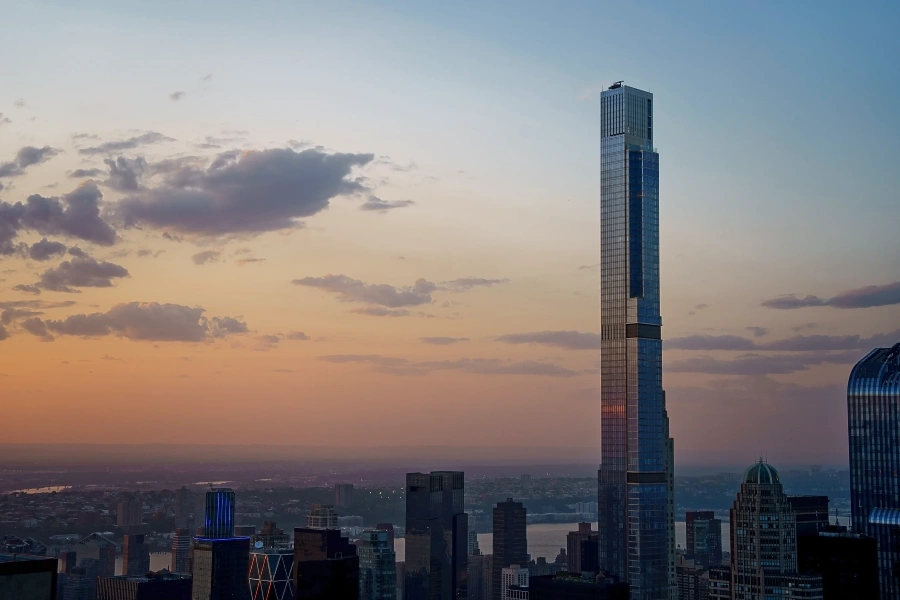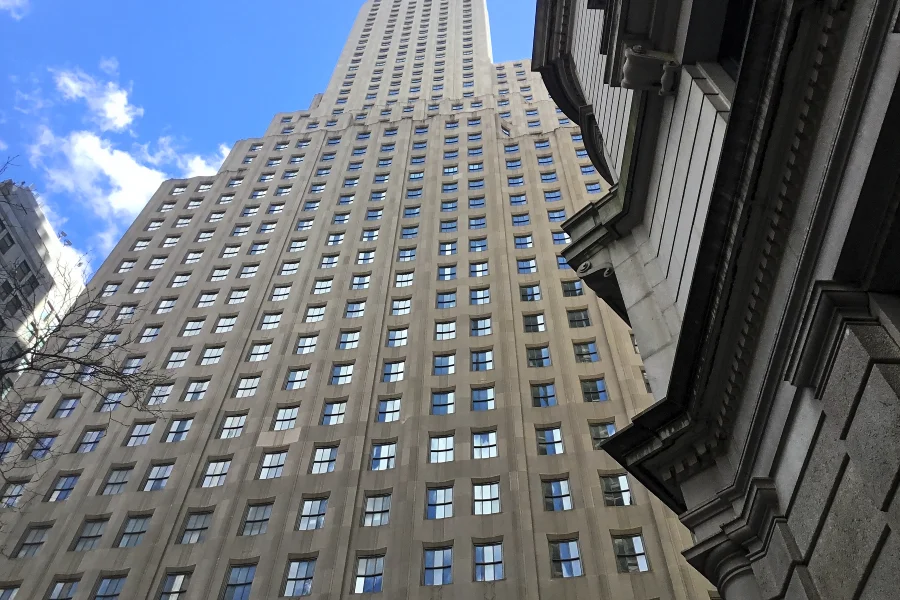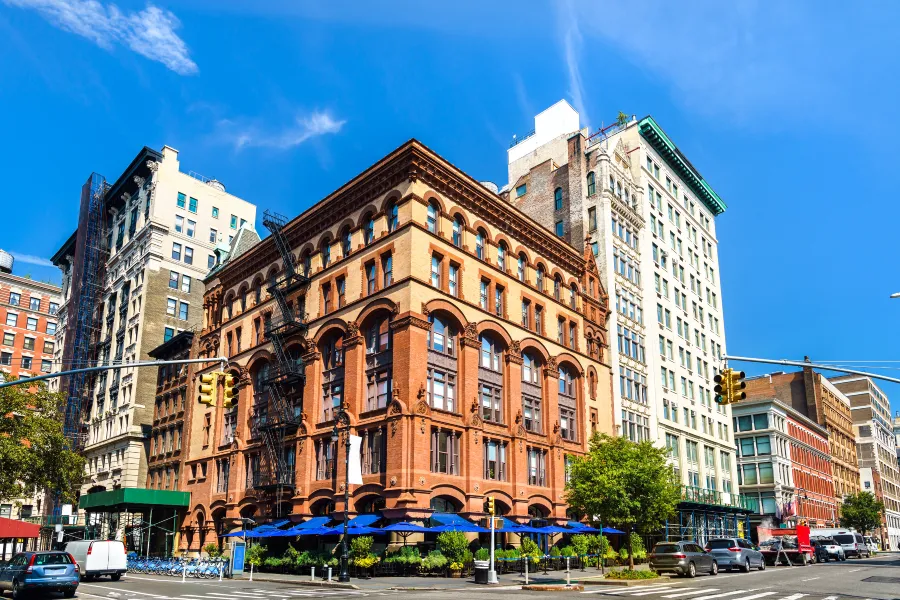

The penthouse market in the Financial District tells a story that surprises buyers who come to it from other Manhattan neighborhoods. At 25 Park Row, the crown duplex penthouse offers 5,956 square feet across two levels with four private terraces and river-to-river views stretching from City Hall to the Woolworth Building to One World Trade and the Hudson River, at a price point that would not buy a comparable floor plate at a comparable view height in Tribeca or on Billionaires’ Row. At 125 Greenwich Street, the Rafael Vinoly tower’s upper floors offer harbor views and Hudson River panoramas from an 88-story glass tower at price points that the same experience would cost multiples of in a comparable West Side supertall. FiDi has always priced below its view quality. In 2026, that gap is narrowing but it remains one of the most significant value differentials in the Manhattan penthouse market.
This article covers what FiDi penthouses actually deliver, what the specific buildings offer at the top of their price ranges, what buyers should evaluate before purchasing, and how the FiDi penthouse investment case differs from comparable product in Tribeca or the West Village.
For the full picture on FiDi pricing, see our What $2M Buys in Financial District NYC in 2026.
What Makes FiDi Penthouses Different
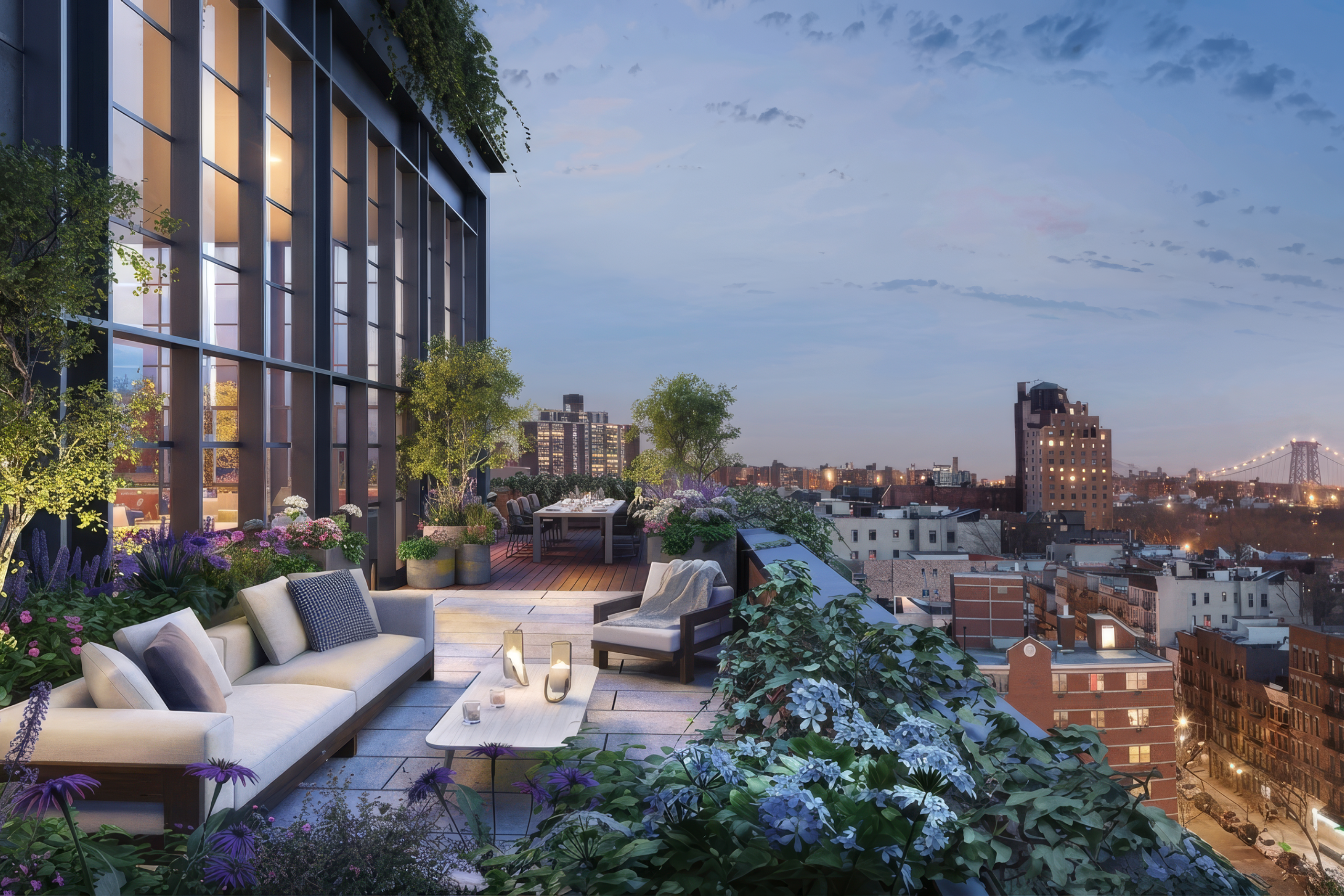
The Financial District’s penthouse market is defined by three things that distinguish it from every other Manhattan neighborhood’s high end.
The first is the view type. FiDi penthouses offer harbor views, East River views, Hudson River views, and in buildings with sufficient height, simultaneous river-to-river panoramas that are geographically impossible anywhere else in Manhattan. No Upper East Side penthouse sees the Statue of Liberty. No Midtown tower sees the harbor from the south. These are specific visual experiences that FiDi’s southern tip position uniquely provides.
The second is the building stock. FiDi’s residential buildings are primarily condos in converted office towers or purpose-built glass towers. The architectural language runs from the Art Deco grandeur of One Wall Street and the Beaux-Arts majesty of 25 Park Row to the contemporary glass geometry of 50 West Street and the soaring Vinoly tower at 125 Greenwich. This range of architectural character at the penthouse level gives FiDi a variety that is genuinely distinct from any other neighborhood’s high-end inventory.
The third is relative value. Even as FiDi’s median price per square foot has risen to approximately $1,200 with 28 percent year-over-year appreciation, penthouse-level product in FiDi consistently prices below comparable product in Tribeca, SoHo, the West Village, and the Upper West Side. The 70 Vestry penthouse in Tribeca closed at $57 million in 2026. Comparable square footage, views, and quality at 25 Park Row would transact at a meaningful discount to that number.
The Key FiDi Penthouse Buildings
25 Park Row
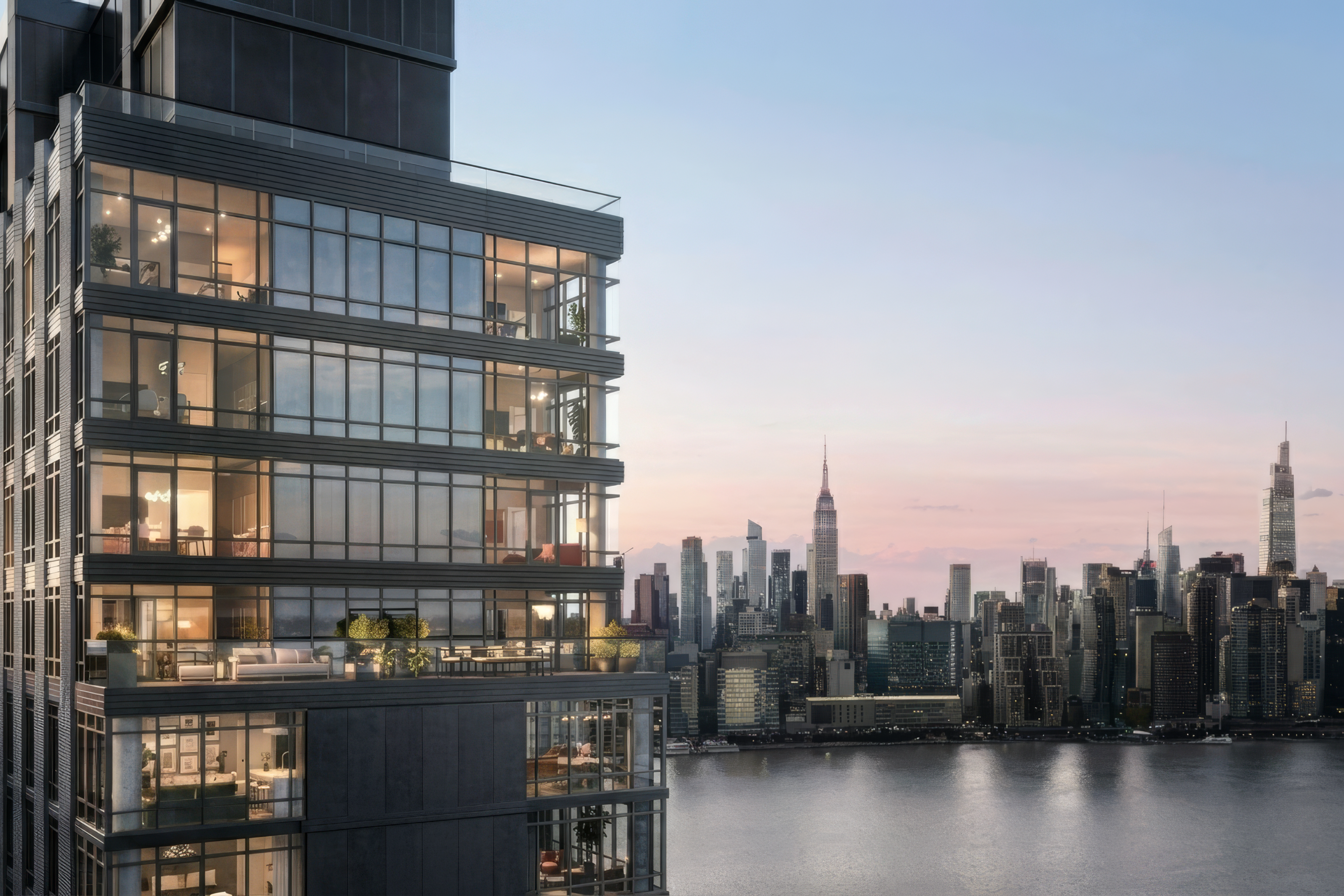
25 Park Row is the Financial District’s most architecturally distinguished penthouse offering. Designed by COOKFOX Architects and developed by L&M Development Partners and CBRE, the building rises from the landmarked Beaux-Arts facade of the former home of the New York Times to create a distinctive downtown address that combines historic character at street level with contemporary residential product above. The crown penthouse at 25 Park Row is a five-bedroom, five-and-a-half-bathroom duplex of approximately 5,956 square feet with four private terraces offering that extraordinary river-to-river view that takes in City Hall, the Woolworth Building, the Four Seasons Hotel, 56 Leonard, One World Trade, and the Hudson River to the west. The building’s amenities include a rooftop pool terrace, fitness center, children’s playroom, lounge spaces, and 24-hour doorman and concierge service. For buyers who want FiDi penthouse scale and quality in a building with genuine architectural provenance, 25 Park Row represents the most compelling option in the neighborhood at this tier.
One Wall Street
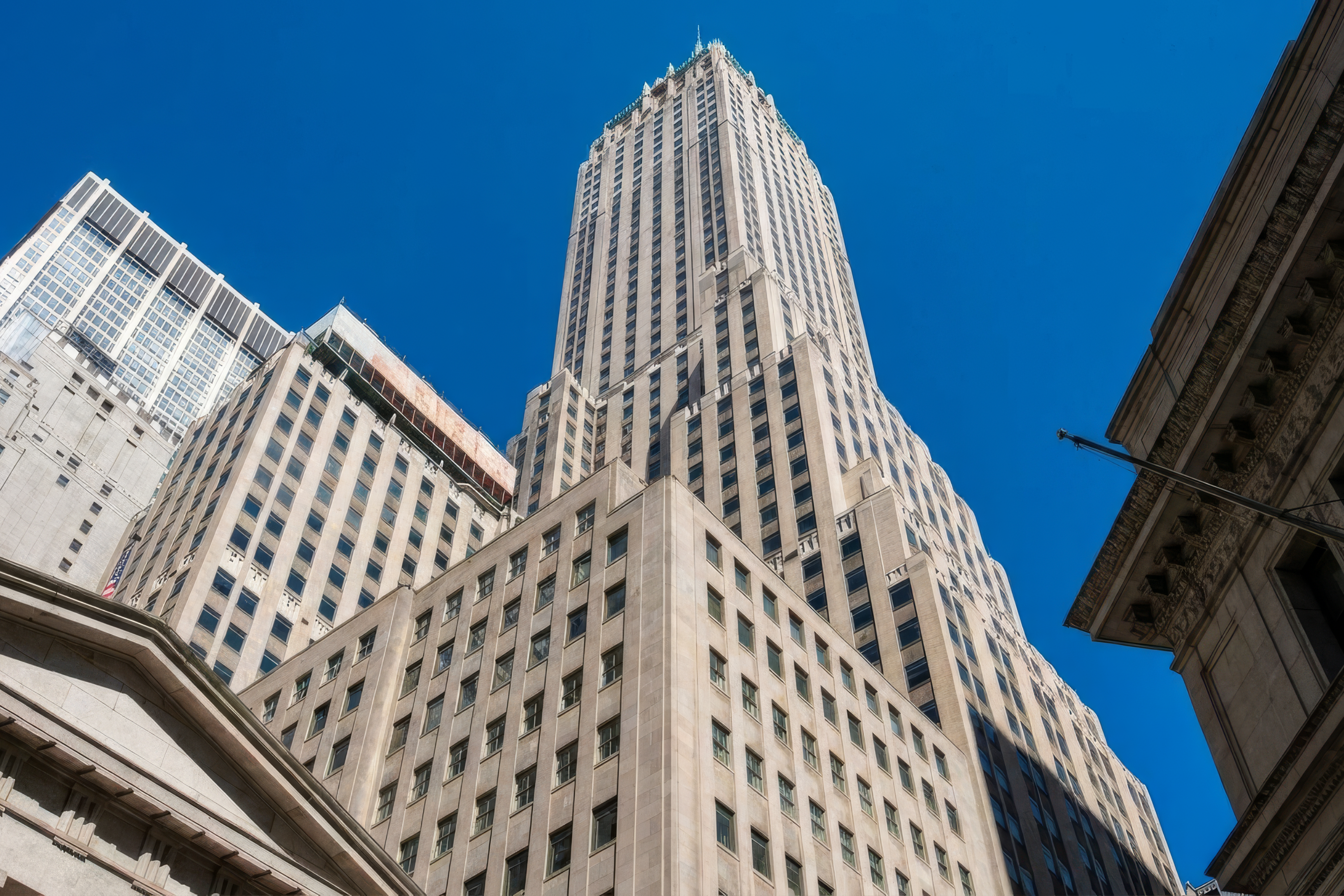
One Wall Street’s penthouse-tier residences occupy the upper floors of the 566-unit Art Deco conversion of the former Irving Trust Company headquarters. The building’s 1931 Ralph Walker design, with its distinctive crystalline limestone facade and the legendary Red Room banking hall preserved as a resident amenity space with floor-to-ceiling Art Deco mosaics, gives it a historical gravitas that no new construction building in FiDi or anywhere else can replicate. Upper-floor residences at One Wall Street offer harbor views and cityscape views from various orientations, with the highest-floor residences providing the most unobstructed long-range sightlines. Pricing at the top of One Wall Street has reached into the $10 million range for the most premium upper-floor units, though the building spans an enormous price range from studios at the lower end to multi-bedroom upper-floor residences at significant premiums. The building’s amenity package, including a Life Time fitness club, 75-foot pool on the 38th floor, Whole Foods at the base, and Printemps as the anchor retail, gives it a lifestyle infrastructure that supports the premium the top-floor units command.
125 Greenwich Street
Rafael Vinoly’s 88-story tower at 125 Greenwich Street delivers the FiDi penthouse-tier experience in a purely contemporary format. The slender glass tower, the tallest residential building in Lower Manhattan, offers upper-floor residences with Hudson River views, harbor views, and city skyline views that improve with every additional floor. The building has generated over $150 million in sales and is actively closing units. Pricing for the upper-floor residences in this tier starts above $5 million and runs to significantly more for the highest floors. Vinoly’s signature floor-to-ceiling windows in the slender plan create exceptional light conditions throughout the upper floors. For buyers who specifically want a modern glass tower penthouse experience in FiDi with the harbor and river views the neighborhood uniquely offers, 125 Greenwich is the clearest expression of that product.
50 West Street
50 West Street, the 64-story glass tower designed by Helmut Jahn, offers penthouse-level residences with harbor and river views in a building whose dramatic curved glass facade gives it a visual presence on the downtown skyline. The building’s 780-foot height provides the elevation necessary for genuinely expansive views from its upper floors. Upper-floor units at 50 West Street have been offered in the $5 million to $15 million range, with the most premium penthouses at the building’s crown providing the most expansive panoramas. The building’s amenity package includes a rooftop terrace, fitness center, swimming pool, and full-service doorman and concierge. For buyers who want the most overtly contemporary FiDi penthouse experience in a recognizable architectural landmark, 50 West Street delivers that.
130 William Street
David Adjaye’s 130 William Street, with its distinctive arched windows and hand-cast concrete facade, has produced some of FiDi’s most significant penthouse-level transactions. The building’s architectural language is deliberately contrarian to the glass-tower norm, and its upper-floor residences have sold at prices reflecting the premium buyers place on Adjaye’s distinctive design sensibility. Sponsor units in the upper floors and penthouse range have been offered at price points that confirm the building’s position as one of FiDi’s most architecturally significant addresses.
What Buyers Must Evaluate
View Permanence in FiDi
The Financial District’s ongoing development pipeline introduces view permanence risk that buyers must evaluate carefully. A harbor view from a current upper floor at 50 West Street that appears unobstructed may be affected by future development on adjacent parcels, new office-to-residential conversions, or infrastructure projects along the waterfront. Before paying a penthouse premium specifically for a particular view angle, buyers should have their attorney review the development rights on the parcels providing the current view corridor. Some FiDi views, particularly those looking directly at the harbor and the Statue of Liberty from a sufficient floor height, are effectively permanent due to the water and the preserved Battery Park landscape. Views looking at other buildings or development parcels carry more risk.
Carrying Costs at the Top End
FiDi penthouse carrying costs are substantial and buyers should model them carefully before purchasing. On a $10 million FiDi penthouse condo, property taxes will run approximately $80,000 to $150,000 per year depending on the building and any abatement status. Common charges in full-service buildings with extensive amenities run $3,000 to $8,000 or more per month for large upper-floor units. The mansion tax on a $10 million purchase is $1.25 million. Understanding these ongoing costs and one-time closing costs before committing is essential at this price point.
New Development Specifics
For buyers purchasing in buildings still selling new development units, all the due diligence guidance from our common mistakes article applies with heightened importance at the penthouse level. The offering plan substitution provisions, the delivery timeline protections, and the developer’s track record matter more, not less, when the purchase price is in the tens of millions. Independent legal counsel with specific new development experience is non-negotiable at this price point.
The Investment Case for FiDi Penthouses
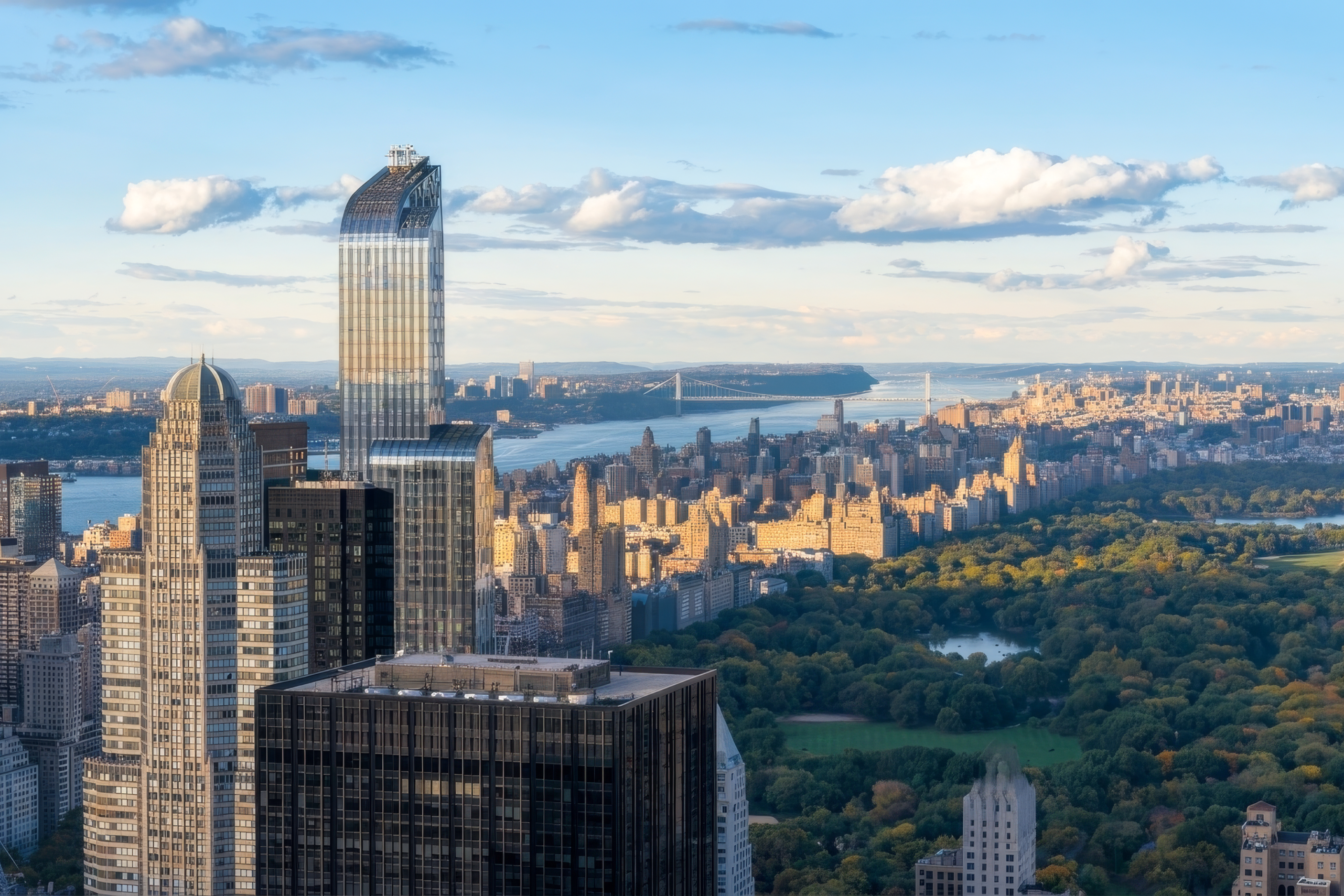
FiDi penthouse values have benefited from the neighborhood’s broad appreciation trajectory, with median prices up 28.1 percent year over year. The penthouse tier specifically has seen strong activity, with 25 Park Row’s crown penthouse generating significant market attention and One Wall Street’s upper-floor transactions demonstrating buyer confidence in the neighborhood’s top-of-market pricing.
The investment case rests primarily on relative value. FiDi penthouse product consistently offers more square footage, better views, and comparable or superior building quality relative to Tribeca, the West Village, and the Upper West Side at prices that remain meaningfully below those neighborhoods’ comparable penthouse tier. As the residential transformation of FiDi continues and the neighborhood’s quality-of-life infrastructure deepens, the remaining value gap between FiDi and the established luxury neighborhoods is a source of appreciation potential that more mature markets cannot offer.
Seller Perspective
For sellers of FiDi penthouse-level units in 2026, the neighborhood’s demand surge creates favorable conditions at every price point. The buyer pool for FiDi at the high end includes both domestic purchasers who specifically want the harbor views and architectural character that FiDi delivers, and international buyers who find the neighborhood’s price per square foot compelling relative to comparable product in London, Hong Kong, or other global markets. Marketing that specifically connects the unit’s view angles, floor height, architectural distinction, and the neighborhood’s transformation story to the qualified buyer pool will achieve stronger results than generic luxury positioning.
Ready to evaluate the FiDi penthouse market from a buyer’s or seller’s perspective? Reach out at TheNewYorkCityBroker.com/contact-me. The upper east side luxury market trends indicate a shift towards more spacious homes as remote work becomes more prevalent. Buyers are increasingly looking for properties that offer both luxury and functionality. As a result, many sellers are upgrading their listings to attract this new clientele. The Kips Bay luxury real estate market is also experiencing similar trends, with buyers seeking larger living spaces and updated amenities. This area is becoming increasingly popular due to its proximity to downtown attractions and a vibrant community atmosphere. Sellers in Kips Bay are now investing in renovations to make their properties stand out in this competitive environment.
Frequently Asked Questions
The Financial District’s most significant penthouse-tier offerings in 2026 include the crown duplex penthouse at 25 Park Row, a five-bedroom, 5,956-square-foot residence with four private terraces and river-to-river views; upper-floor residences at One Wall Street reaching into the $10 million range in the landmarked Art Deco conversion; premium upper-floor and penthouse units at 125 Greenwich Street by Rafael Vinoly in the 88-story glass tower; crown residences at 50 West Street in the 64-story Helmut Jahn tower; and upper-floor units at 130 William Street by David Adjaye. FiDi penthouses generally price below comparable product in Tribeca or the West Village, with harbor-view penthouses in FiDi transacting at prices that comparable square footage and views would cost significantly more to access in those neighborhoods.
For buyers evaluating FiDi penthouse buildings in 2026, the strongest candidates are 25 Park Row for its combination of architectural provenance, the Beaux-Arts historic facade, COOKFOX design, and the river-to-river view from the crown duplex; One Wall Street for the Art Deco landmark conversion, the Red Room amenity space, and the top-floor harbor views; 125 Greenwich Street for the Vinoly glass tower’s floor-to-ceiling windows and Lower Manhattan elevation; 50 West Street for the Helmut Jahn facade and harbor panoramas; and 130 William Street for Adjaye’s distinctive arched-window architecture. Each building offers a fundamentally different penthouse experience and appeals to different buyer preferences in terms of architectural character and view orientation.
FiDi penthouses have demonstrated strong appreciation as part of the neighborhood’s broader 28.1 percent year-over-year median price increase. The investment case for FiDi penthouses specifically benefits from the neighborhood’s relative value positioning, with penthouse-level product in FiDi consistently pricing below comparable square footage and views in Tribeca, the West Village, and the Upper West Side. The ongoing transformation of the neighborhood’s lifestyle infrastructure and the growing residential population suggest continued demand for the top of the market. Buyers should factor in significant carrying costs including property taxes, common charges, and the mansion tax, and should evaluate view permanence carefully given FiDi’s continuing development pipeline.
Financial District penthouse views are among the most distinctive in Manhattan due to the neighborhood’s position at the southern tip of the island. Depending on orientation and floor height, FiDi penthouses can offer harbor views including the Statue of Liberty and New York Harbor to the south; Hudson River views to the west; East River views to the east; and in buildings with sufficient height, river-to-river panoramas that encompass both rivers simultaneously with the Manhattan skyline in the middle. The 25 Park Row crown penthouse specifically offers views of City Hall, the Woolworth Building, 56 Leonard, One World Trade, and the Hudson River. Harbor-facing upper floors at One Wall Street, 50 West Street, and 125 Greenwich Street provide the most unobstructed southern and western views in the neighborhood.