
Financial District ranked number one on StreetEasy’s most searched neighborhoods for 2026, but the buyers flooding into this market are about to discover something that no search algorithm will tell them: where you land within FiDi matters enormously, and not every block delivers the same experience.
FiDi does not follow Manhattan’s numbered grid. Below Chambers Street the city reverts to its colonial origins, a tangle of named streets laid out by Dutch settlers in the 1600s that follow the original shoreline rather than any rational plan. Pearl Street got its name from the crushed oyster shells that once lined the waterfront. Stone Street has been paved since 1658. Wall Street was literally a wall built to keep cattle in and strangers out. When you move to FiDi you are not moving to a neighborhood. You are moving into one of the oldest continuously inhabited pieces of land in North America, and the specific block you choose shapes your daily life in ways that a zip code search will never capture.
This guide covers the best blocks to live in Financial District NYC by specific street, what each one delivers in terms of buildings, access, and daily life, and what buyers evaluating this neighborhood should understand before making a decision. When considering the cost of living in financial district, it’s essential to weigh factors such as proximity to major business hubs and public transportation options. The area offers a unique blend of luxury living options and vibrant city life, making it attractive for both professionals and families. Additionally, prospective residents should factor in the overall market trends and future developments that may influence property values and living expenses.
The Greenwich Street Corridor
Greenwich Street runs north to south through the western half of FiDi and is where the neighborhood’s most significant residential concentration lives. The blocks between Fulton Street and Rector Street along Greenwich and the surrounding streets represent the heart of FiDi as a residential neighborhood, and for buyers evaluating where to be within the district this corridor deserves the most attention.
88 Greenwich Street
The Greenwich Club at 88 Greenwich Street is a 37-floor, 458-unit building that preserves original Art Deco details from its commercial life while delivering contemporary residential amenities. The building’s 10-foot ceilings and projecting windows give units genuine natural light in a neighborhood where floor plate depth can sometimes work against you. The location sits a short walk from the Fulton Center, which connects to 12 subway lines, and one block from the Whole Foods at One Wall Street. For buyers who want a well-located, full-service building at accessible FiDi pricing, 88 Greenwich is a consistent reference point.
120 Greenwich Street
Greenwich Place at 120 Greenwich Street is a different proposition entirely. The 13-story Beaux-Arts building was completed in 1903 and converted into 103 modern residences that occupy a structure with a genuinely distinguished exterior. The building’s location between Cedar and Albany Streets puts residents at the quieter southern end of the Greenwich corridor, closer to Battery Park and the waterfront than to the midday tourist traffic that concentrates around the World Trade Center site.
The West Street and Hudson River Waterfront Blocks
The blocks immediately adjacent to West Street and the Hudson River, particularly around 10 West Street where the Residences at the Ritz-Carlton occupy 38 floors, represent FiDi’s most explicitly waterfront residential positioning. The trade-off is West Street itself, which is a significant arterial road, and noise considerations matter more in units facing west at lower floors. For buyers whose priority is Hudson River views and direct Battery Park access, these blocks deliver that more directly than anything else in the neighborhood.
The Wall Street and Broad Street Core
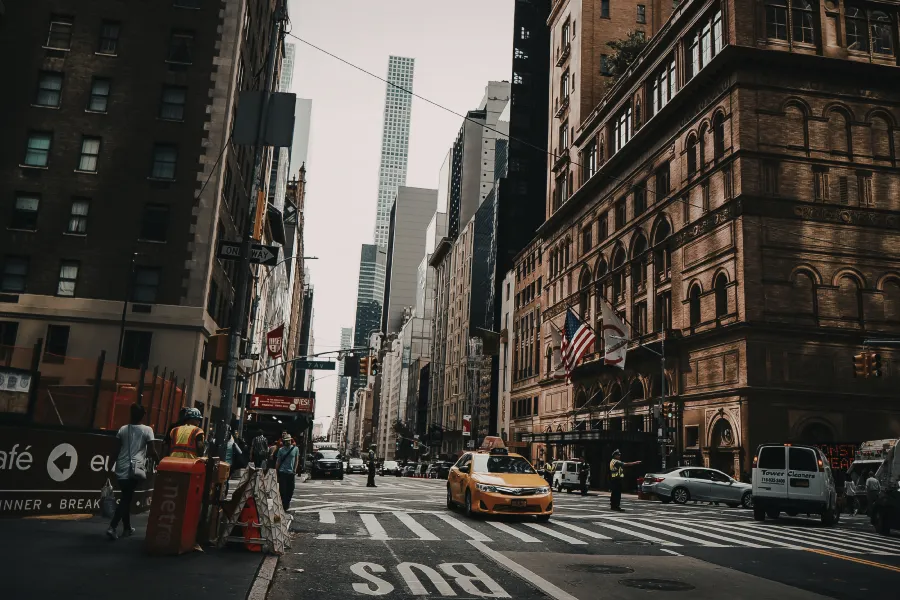
The blocks immediately surrounding Wall Street and Broad Street are the most historically dense part of FiDi and also the blocks where the residential conversion story began. This is where the buildings that launched FiDi’s residential identity are concentrated.
Wall Street Between Broadway and William Street
This specific stretch of Wall Street is one of the most architecturally significant residential corridors in lower Manhattan. One Wall Street at the head of Wall Street, the Art Deco landmark originally built in 1931 as the Irving Trust Company headquarters and now converted to 566 luxury condominiums, anchors the western end of this block. The building’s famous Red Room, the original banking hall with floor-to-ceiling mosaic tile work, has been preserved as a resident amenity space. Ground-floor retail includes Whole Foods and Printemps, the French luxury department store’s first United States location. Residents of this block have the New York Stock Exchange two blocks east, Trinity Church directly adjacent, and the subway infrastructure of Fulton Center accessible within a five-minute walk. Living on this specific block is as close as New York residential real estate gets to living inside the city’s own history.
Broad Street and Exchange Place
The blocks around Broad Street and Exchange Place contain several of FiDi’s most celebrated conversion buildings. The Setai at 40 Broad Street is a 31-floor building converted from a 1982 office tower with 163 condominiums, offering ceiling heights that reflect its commercial origins. 25 Broad Street, the Broad Exchange Building, provides one-bedroom and larger residences in a building whose Beaux-Arts facade has been preserved through the conversion. For buyers who want the historic commercial architecture character at a price point below One Wall Street, the Broad Street corridor is where to look.
The Seaport Corridor: Water Street and Front Street
The eastern side of FiDi, running along Water Street and Front Street from Fulton Street south toward Old Slip, represents the neighborhood’s most actively evolving residential zone and also the area with the strongest argument for waterfront and Seaport access.
Water Street Between Fulton and Maiden Lane
25 Water Street, the former 1960s office tower that recently completed its conversion to 1,320 rental apartments as the largest office-to-residential conversion in American history, has fundamentally changed the residential density and character of this stretch. The building’s 100,000 square feet of amenities, rooftop pool, and modern finishes represent a tier of rental product that was not available in this part of FiDi before this conversion. For buyers rather than renters, the neighboring condominium buildings along Water Street benefit from proximity to the Seaport without being as directly embedded in the tourist traffic that concentrates on Fulton Street.
The South Street Seaport Blocks
The blocks immediately adjacent to the South Street Seaport, particularly around Fulton Street east of Water Street, give residents direct access to what has become one of FiDi’s most compelling daily amenity destinations. The Tin Building at 96 South Street, curated by chef Jean-Georges Vongerichten, houses a dozen dining and drinking options including restaurants, bars, a market hall, and a raw bar. Pier 17 brings concerts, events, and rooftop dining with East River views directly into the neighborhood’s daily life. The NYC Ferry at Pier 11/Wall Street connects residents to Brooklyn Bridge Park, DUMBO, and Williamsburg in minutes. For buyers who use their neighborhood rather than just sleeping in it, the Seaport blocks offer a daily life density that the western blocks of FiDi cannot match.
The Historic Streets: Stone Street and Pearl Street
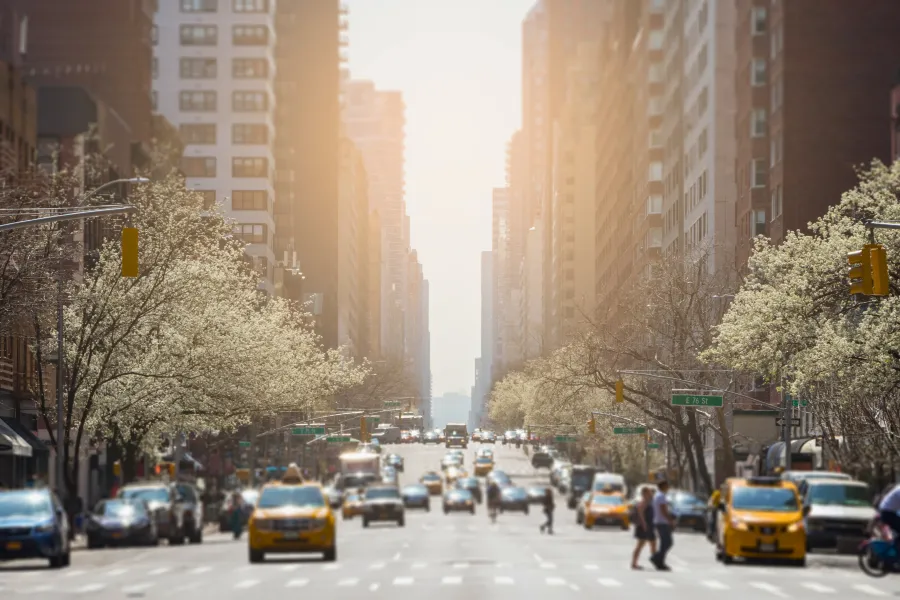
Not all of the best blocks in FiDi are defined by which tower you live in. Stone Street and Pearl Street offer a residential experience in lower Manhattan that has no equivalent anywhere else.
Stone Street
Stone Street is a pedestrian-only cobblestone lane running between Hanover Square and South William Street that has been continuously inhabited since 1658. It is the first paved street in New York City’s history. The buildings along Stone Street are low-rise mixed-use structures that were rebuilt after the Great Fire of 1835 and have been preserved as part of the Stone Street Historic District. Living within a block of Stone Street means living within a block of one of the most genuinely atmospheric outdoor dining destinations in downtown Manhattan, where outdoor tables fill the entire pedestrian corridor from spring through fall and where Adrienne’s Pizzabar, Stone Street Tavern, and Ulysses have established themselves as genuine neighborhood anchors rather than tourist traps.
The residential buildings closest to Stone Street, particularly on South William Street and Beaver Street, tend to be smaller scale boutique conversions rather than the large tower product that defines the Greenwich and Water Street corridors. 54 Stone Street is a mid-century landmark building. The Delmonico’s Building at 56 Beaver Street is an eight-floor, 39-unit landmark conversion at the corner of Beaver and William Street, directly across from Delmonico’s restaurant, America’s first fine dining establishment, which has operated at that corner since 1837. For buyers who specifically value neighborhood charm and walkable intimacy over amenity package size, the Stone Street and Beaver Street blocks offer something that the towers cannot replicate.
Pearl Street
Pearl Street runs from Whitehall Street at the southern tip of Manhattan north to Chambers Street and carries some of the most layered history of any street in the city. Its name comes from the crushed oyster shells that once lined the original shoreline, which Pearl Street effectively traced in the colonial era. Today, the residential buildings along Pearl Street range from the smaller boutique conversions of the southern blocks to larger residential towers as you move north toward Fulton Street. 330 Pearl Street is a five-floor, 10-unit landmark building. The residential blocks of Pearl Street between Old Slip and Fulton Street put residents within a few minutes of both the Seaport and the broader FiDi core transit infrastructure.
Transit: Why Every Block in FiDi Is Connected
One of the specific advantages of FiDi as a neighborhood, regardless of which block you choose, is transit. The Fulton Center at Broadway and Fulton Street connects to the 2, 3, 4, 5, A, C, J, and Z lines, making it one of the most comprehensively connected transit hubs in Manhattan. The World Trade Center Oculus adds PATH service to New Jersey. The NYC Ferry at Pier 11 connects to Brooklyn, Queens, and the Bronx. The Staten Island Ferry terminal at Whitehall Street provides free service to Staten Island and harbor views that would cost significant money anywhere else. For those looking to start a business in the area, exploring coop financing options in New York can provide valuable resources and support. Local organizations often offer workshops and consultations to help new entrepreneurs navigate the complexities of funding. Additionally, being in such a centrally connected area can facilitate networking opportunities with potential investors and partners.
Buyers who are evaluating FiDi against other Manhattan neighborhoods sometimes underestimate how the transit infrastructure compounds the neighborhood’s value proposition. From almost any block in FiDi you are within a 10-minute walk of connections to virtually every part of the city. That accessibility is a genuine quality of life advantage that does not fully register until you are living it.
Daily Life on the Best FiDi Blocks
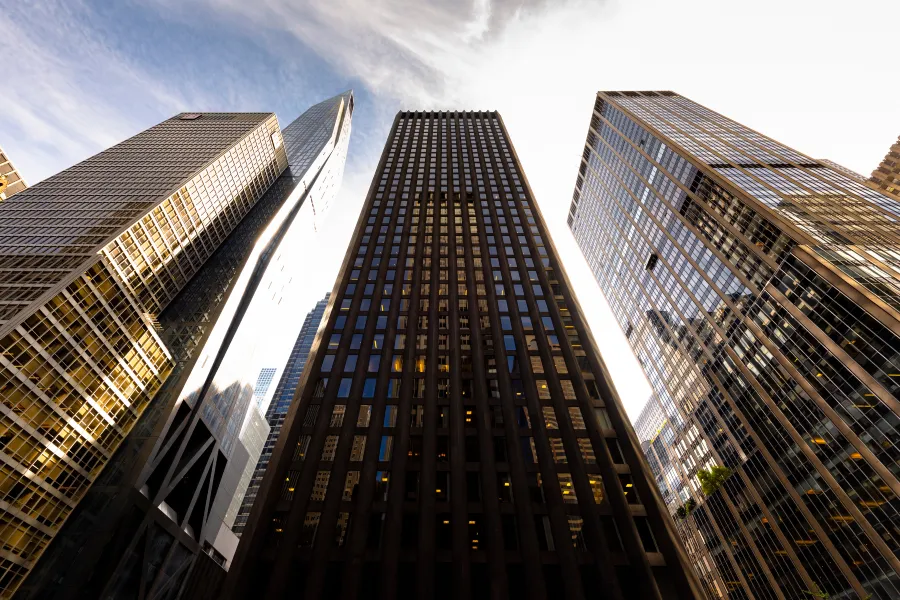
The daily life picture in FiDi has changed more dramatically in the past five years than in the prior decade. Whole Foods at One Wall Street, Eataly Downtown at 4 World Trade Center, the Tin Building at the Seaport, and Printemps at One Wall Street have transformed the neighborhood’s daily amenity infrastructure from functional to genuinely excellent.
Overstory at 70 Pine Street on the 64th floor is one of New York’s most celebrated rooftop bars. The Dead Rabbit on Water Street has been ranked among the world’s best cocktail bars. Delmonico’s at Beaver and William has been serving the finest steak in lower Manhattan since 1837. Manhatta on the 60th floor of 28 Liberty Street offers panoramic dining with seasonal cooking at a level that would be remarkable in any neighborhood.
Battery Park and the Hudson River Greenway provide waterfront green space that most Manhattan neighborhoods cannot offer at any price point. The 11-mile greenway runs from Battery Park all the way to the George Washington Bridge, giving FiDi residents immediate access to one of the best recreational corridors in the city. As the appeal of waterfront areas grows, financial district vs battery-park city are shifting to reflect increased demand for properties with views and proximity to outdoor spaces. This evolving landscape is making FiDi not just a business hub but also an attractive destination for families and young professionals seeking a vibrant lifestyle. With new developments on the rise, the integration of retail and dining options alongside these recreational spaces further enhances the neighborhood’s desirability.
Seller Perspective
For sellers in FiDi in 2026, the block-level positioning story matters more than it does in most Manhattan neighborhoods because buyers coming into this market are actively researching specific streets and buildings. A unit on Wall Street itself or within a block of Stone Street carries a narrative that a unit on a more anonymous block does not. Sellers who understand their building’s specific position within the neighborhood’s geography and present that positioning clearly in their marketing consistently achieve stronger outcomes than those who rely on the FiDi headline numbers without connecting them to their specific building and block. The market is strong but it rewards specificity. If you are preparing to sell in FiDi and want to discuss how to position your specific unit, reach out.
Frequently Asked Questions
The best blocks in FiDi depend on your priorities. For architectural prestige and proximity to One Wall Street’s Whole Foods, Printemps, and Life Time amenities, the Wall Street block between Broadway and William Street is the most storied residential address in the neighborhood. For waterfront access and Seaport proximity, the Water Street and Front Street blocks near the Tin Building and Pier 11 ferry deliver daily life density that the western blocks cannot match. For neighborhood character and historic intimacy, the Stone Street and Beaver Street blocks offer a residential experience with no equivalent in lower Manhattan. For transit connectivity and central FiDi positioning, the Greenwich Street corridor between Fulton and Rector represents the neighborhood’s residential core.
The data makes a strong case. FiDi ranked number one on StreetEasy’s most searched neighborhoods for 2026 with a 46.7 percent year-over-year surge in buyer searches. Median home prices are up 28 percent year over year. Days on market dropped from 103 to 85. The neighborhood’s residential infrastructure, including Whole Foods, Eataly, the Tin Building by Jean-Georges, and Printemps, has reached a threshold where the daily living experience is genuinely excellent rather than merely adequate. For buyers who value modern building amenities, extraordinary transit access, and waterfront proximity at prices that remain meaningfully below Tribeca, FiDi is currently one of the strongest value stories in Manhattan.
Living on Wall Street is a specific and historically layered experience. The street runs from Broadway east to the South Street waterfront and is lined with some of the most architecturally significant commercial buildings in American history. One Wall Street at the Broadway end is now a 566-unit luxury condominium with 100,000 square feet of amenities including a 38th-floor pool. The New York Stock Exchange is two blocks east. Trinity Church and its historic cemetery, where Alexander Hamilton is buried, sit directly on the block. During weekday business hours the street carries significant foot traffic from the surrounding office towers. On weekends and evenings it becomes quiet in a way that few Manhattan residential addresses ever achieve.
The most significant residential buildings on FiDi’s best blocks include One Wall Street on the Wall Street block at Broadway, a 566-unit Art Deco landmark conversion with sponsor units actively available; 130 William Street at the corner of William and Fulton, an architecturally celebrated new construction tower with distinctive arched windows; 125 Greenwich Street, the Rafael Vinoly-designed 88-story tower with harbor views from upper floors; The Greenwich Club at 88 Greenwich Street, a 37-floor full-service building with preserved Art Deco details; Greenwich Place at 120 Greenwich Street, a 13-story 1903 Beaux-Arts conversion; and the Delmonico’s Building at 56 Beaver Street, an eight-floor, 39-unit landmark conversion directly across from America’s oldest fine dining restaurant.
FiDi and Tribeca sit adjacent to each other but operate as distinct markets with different characters and dramatically different price points. Tribeca offers cobblestone streets, established luxury retail, celebrity neighbors, and the highest per-square-foot pricing in downtown Manhattan at $2,500 to $4,000 for comparable product. FiDi offers comparable building quality, extraordinary transit access, and an equally compelling if less established residential lifestyle at per-square-foot pricing of $1,500 to $2,500, representing a meaningful discount for buyers who are evaluating both neighborhoods honestly. The specific advantage FiDi holds over Tribeca is space. The converted commercial towers produce apartment sizes at price points where Tribeca would offer significantly smaller footprints. Buyers who prioritize per-square-foot value and transit access over neighborhood prestige consistently find the FiDi-versus-Tribeca comparison favors FiDi.
FiDi has some of the most comprehensive subway access of any Manhattan neighborhood. The Fulton Center at Broadway and Fulton Street connects to the 2, 3, 4, 5, A, C, J, and Z lines in a single station complex. The Wall Street station on the 4 and 5 lines sits directly in the neighborhood’s core. Rector Street serves the 1 and R lines. The World Trade Center Oculus provides PATH service to New Jersey. The Whitehall Street station at the southern tip serves the 1, R, and W lines. From virtually any block in FiDi, residents have access to 12 or more subway lines within a 10-minute walk, making the neighborhood one of the best-connected residential addresses in the entire borough.