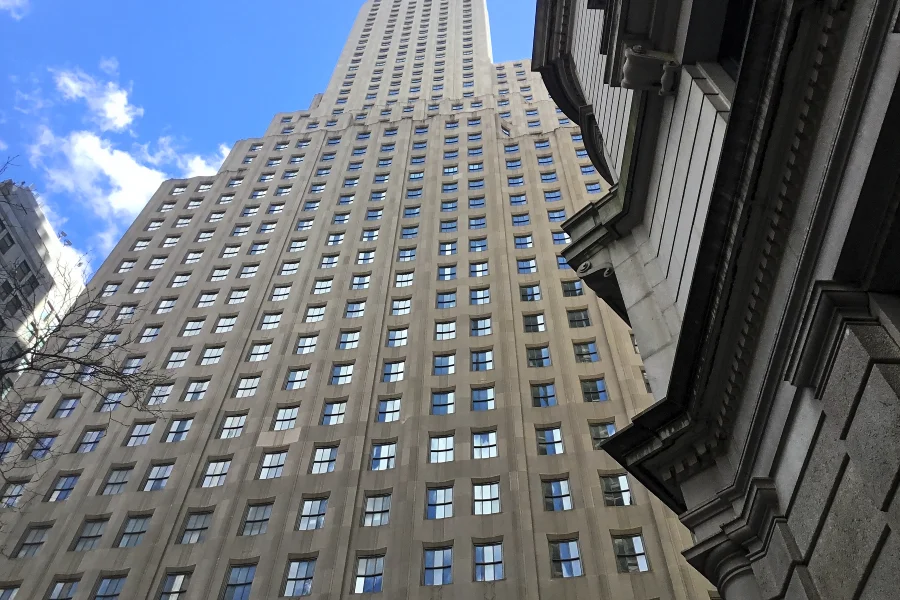

Manhattan in 2026 is not one market. It is a collection of sub-markets running in different directions simultaneously, and the buyer who treats the borough as a single entity will make worse decisions than the buyer who understands exactly which segment they are operating in. One of the most sought-after segments is the luxury apartments in the financial district. These residences appeal to high-end buyers looking for convenience and prestige. Additionally, properties in this area often appreciate in value, making them a sound investment for discerning individuals.
At the ultra-luxury tier above $4 million, competition is intense and getting more intense. Manhattan recorded nearly $12 billion in luxury sales in 2025. New development contracts were up 87 percent year over year in Q1 2026. The best properties in the most established buildings are trading quickly and without much negotiation.
In the co-op market below $1 million, the picture is completely different. Co-op contracts were down 15 percent year over year in January 2026. Co-op inventory fell 10 percent but demand fell faster, creating a market where buyers who can navigate the board approval process have real leverage and real optionality.
Between those two poles, the condo market in the $1 million to $3 million range is active, competitive on the right properties, and significantly more buyer-friendly than the headline number suggests on anything that has friction, whether that is a layout issue, a building issue, or a seller who has priced optimistically.
The buyer strategy that wins in 2026 is the one built around understanding where leverage exists, moving decisively when the right property appears, and never letting the fear of paying too much paralyze you into paying nothing for years while the market runs.
Know Which Segment You Are Actually In
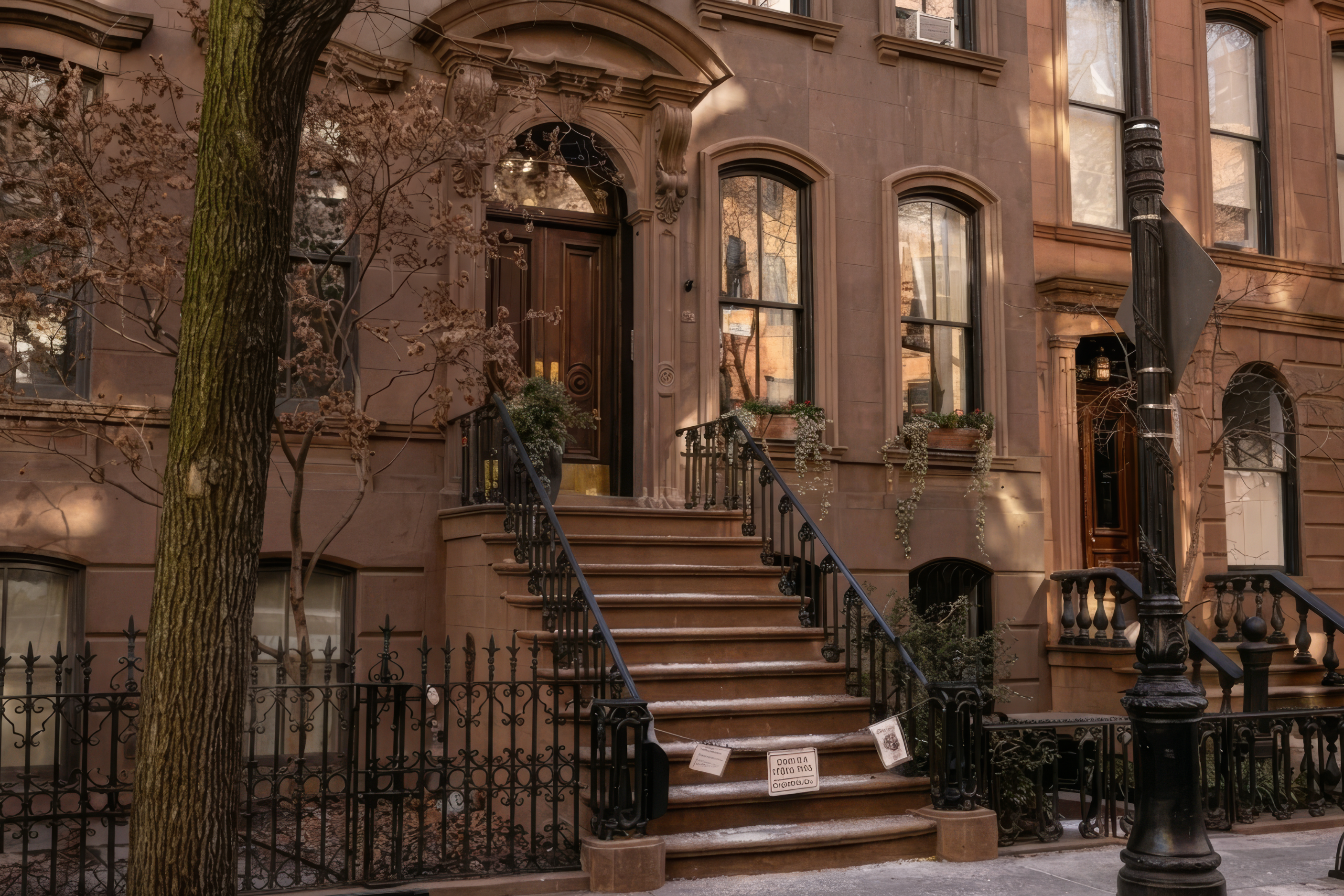
The most important strategic decision a Manhattan buyer makes in 2026 is identifying which market segment their budget and product preference places them in, because the tactics that work in one segment actively fail in another.
If your budget is below $1 million and you are open to co-ops: You are in the most buyer-friendly segment of the Manhattan market right now. Co-op contracts are down, boards are still stringent but sellers are more realistic on pricing than they have been in years, and the competition for well-priced product is meaningfully less intense than in the condo market. Your strategy is to get your finances impeccably organized, understand the board approval requirements cold, and move confidently when the right building and unit appear. The board process takes time, so your pre-approval and REBNY financial statement should be ready before you make your first offer.
If your budget is $1 million to $3 million in the condo market: You are in an active, competitive segment but one where product quality varies enormously. Well-priced, renovated, functional condos in desirable buildings are trading quickly and near or at asking. Condos with friction, whether that is a building with thin reserves, an awkward floor plan, high carrying costs relative to size, or a price above recent comparable sales, are sitting. Your strategy is to be highly selective about building quality and floor plan functionality, move fast when the right property appears, and be firm on not overpaying for a property that has genuine issues even if the seller has not yet accepted that reality.
If your budget is above $4 million: You are in the segment where the market is most actively moving and where the best properties create genuine competition. Your strategy is preparation, decisiveness, and working with a broker who has specific access to listings and relationships in this tier. Waiting for a deal that does not exist in this segment will cost you the apartment you want.
Preparation Is the Strategy

The buyers who lose apartments in Manhattan in 2026 are almost never outbid by someone with more money. They are outmaneuvered by someone who was more prepared.
Preparation means your mortgage pre-approval is current, not from six months ago. It means your REBNY financial statement is complete and your financial documents are organized and accessible. It means you have had the co-op board conversation with your broker about your specific financial profile so you know which buildings you can qualify for before you make an offer. It means you have reviewed the offering plan for new development buildings you are considering so you are not reading it for the first time after you fall in love with a unit.
Pre-approved buyers who can move from an accepted offer to signed contracts in five business days are meaningfully more attractive to sellers than qualified buyers who need two weeks to organize their finances. In a market where well-priced properties move in 30 to 45 days in prime segments, that difference in readiness is the difference between getting the apartment and watching it go.
Where Buyer Leverage Actually Exists in 2026
Leverage exists in 2026 in specific, identifiable situations. Understanding them prevents buyers from thinking the whole market is equally negotiable, because it is not.
Co-op properties with maintenance above $2,500 per month for a one-bedroom have a narrower buyer pool than comparable co-ops with more reasonable carrying costs. Sellers of high-maintenance co-ops are often more realistic on price precisely because they know their pool is smaller.
Properties that have been on the market for more than 90 days without a price reduction represent sellers who have not yet accepted the market’s feedback on their price. After 90 days, the conversation about a price adjustment is appropriate and expected.
Buildings with a history of special assessments or thin reserve funds create buyer hesitation that is reflected in pricing. If you have done your due diligence and are comfortable with the building’s specific situation, these properties often trade at discounts that compensate appropriately for the risk.
New development buildings in the middle of their sales cycle, where absorption has been slower than projected, offer concession availability that well-absorbed buildings do not. Identifying these buildings early and negotiating concessions, as covered in detail in our concessions article, is a specific source of economic advantage. New development trends in Manhattan indicate a shift towards more affordable options as developers respond to market demands. Increased competition among builders has led to innovative designs that prioritize sustainability and community integration. As these trends evolve, they could significantly reshape the city’s skyline and real estate landscape.
Leverage does not exist on freshly listed, well-priced condos in strong buildings in desirable neighborhoods. Making a lowball offer on a property that went into contract in 14 days is a waste of everyone’s time and damages your negotiating credibility for the next property.
The Hold Period Question

One of the most important strategic decisions a Manhattan buyer makes is setting a realistic hold period expectation before purchasing, because that hold period determines which properties make sense and which do not.
Manhattan real estate has historically rewarded patient holding. Over five-plus year holding periods, well-located Manhattan properties have delivered consistent appreciation that beats most comparable U.S. markets. Over two-year holding periods, the transaction costs alone, typically 10 to 15 percent of purchase price combined at purchase and sale, mean that a buyer needs significant appreciation just to break even.
If your hold period is genuinely two years or less, Manhattan is a difficult market to justify from a pure financial standpoint given transaction costs. If your hold period is five years or more and the apartment is one you would genuinely be happy to live in for that period, the investment case is consistently strong regardless of where rates are when you close. Manhattan real estate trends in 2026 will likely reflect shifting demographics and economic factors that influence buyer behavior. Analysts predict that housing demand may increase as remote work becomes more established, leading to a potential rise in rental prices. Additionally, the luxury market could see a resurgence as international buyers return, bringing fresh investment into the area.
Buyers who set a five-plus year hold period expectation give themselves permission to buy the right apartment at a fair price without trying to time the market. Buyers who think they will flip in two years either need to be extraordinarily lucky with rate and price movements, or they need to accept that the transaction costs may eat much or all of their gain.
The Rate Question, Revisited
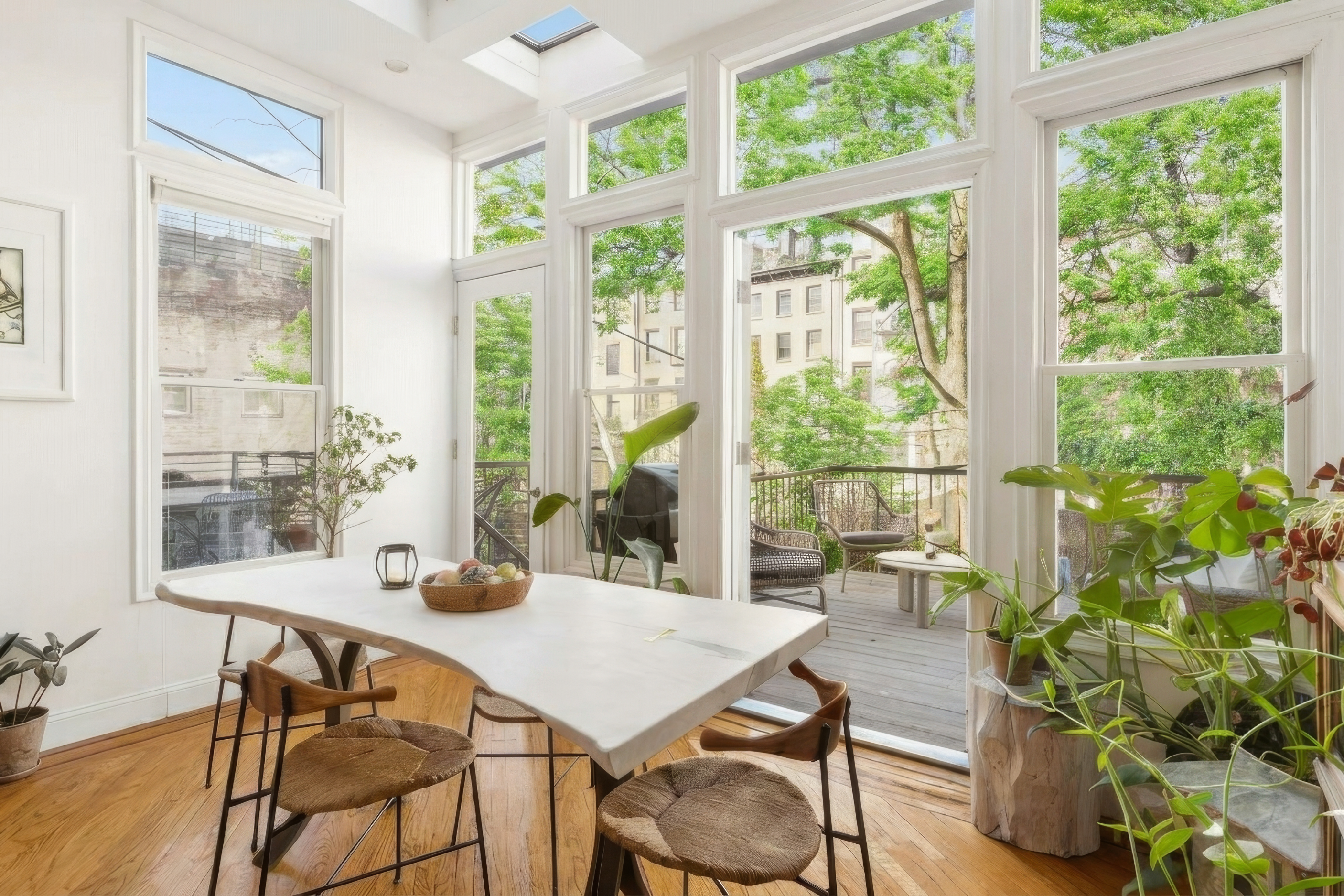
As covered in our dedicated mortgage rate article, the rate versus property question should almost always be decided in favor of the property when the right apartment at the right price appears. Waiting for a lower rate on a five-plus year hold is a strategy that makes sense only if you believe rates will fall far enough, fast enough, to offset the risk that the right property is no longer available when you are ready to buy.
The Manhattan-specific dimension of this is that lower rates bring more buyers to a supply-constrained market, often producing competition that erases the affordability benefit of the lower rate. The best rate environment for a Manhattan buyer is not necessarily the one with the lowest rate. It is the one with the best combination of affordable payments, available inventory, and limited competition. That combination is difficult to predict and impossible to time consistently.
Buy the apartment. Refinance the rate when conditions improve.
Building Selection Strategy

Apartment strategy without building strategy is incomplete. In Manhattan, the building’s management quality, financial health, and community culture can make an excellent apartment a poor ownership experience and a modest apartment a remarkably good one.
Before making any offer in Manhattan in 2026, evaluate the building’s most recent audited financials, the reserve fund level relative to the building’s age and capital plan, the board meeting minutes for the past two years, any pending litigation or special assessments, and the managing agent’s reputation and responsiveness. A building with well-funded reserves, a proactive maintenance culture, and professional management will retain and grow value through market cycles. A building with thin reserves, deferred maintenance, and adversarial board governance will create ongoing ownership headaches that no apartment quality overcomes.
Seller Perspective
For sellers in Manhattan in 2026, the buyer strategy described above has direct implications for your listing approach. Buyers are prepared, they are doing building-level due diligence, and they are not sentimental about overpriced properties. The sellers who are winning are those who price accurately against recent comparable closed sales, present buildings with clean financials and strong management stories, and allow buyers to complete their due diligence without friction. The sellers who are struggling are those who entered the market at aspirational prices and are waiting for a buyer who does not exist at that number. Understanding common pitfalls in Manhattan real estate can help sellers navigate this challenging environment. Many fall into the trap of overestimating their property’s value based on emotional attachments rather than market realities. By focusing on realistic pricing and clear communication, sellers can avoid these common pitfalls and reach a wider pool of interested buyers.
Whether you are buying or selling in Manhattan in 2026, the strategy starts with an honest conversation about your specific situation. Speak with our team to review the developer, building history, and investment potential before signing a contract.
Frequently Asked Questions
For buyers with a five-plus year hold period, clear financial readiness, and an understanding of which market segment they are operating in, 2026 presents genuine opportunities. The co-op market below $1 million is in its most buyer-friendly state in several years, with contracts down 15 percent year over year. The condo market in the $1 million to $3 million range rewards prepared, selective buyers who move decisively on the right properties. The luxury segment above $4 million is actively competitive and favors buyers who are fully prepared to move when the right property appears. Waiting for a dramatically better environment may result in waiting through a period of rising prices and increasing competition as more buyers re-enter the market later in 2026.
The Manhattan real estate market in 2026 is bifurcated between strong performance in the luxury and new development segments and softer conditions in the co-op market. The Manhattan median sale price reached $1.4 million in January 2026, up 14.8 percent year over year, driven primarily by condo price appreciation. New development contracts were up 87 percent year over year in Q1 2026. Co-op contracts were down 15 percent year over year in January, reflecting buyer preference for condo flexibility in the current market. Active listings at 5,387 are down 7.6 percent year over year with months of supply at approximately 2.26. The market rewards well-prepared buyers who move decisively and penalizes buyers who try to negotiate on properties that the market is actively supporting.
Negotiating leverage in Manhattan in 2026 exists in specific identifiable situations rather than broadly across the market. Properties that have been listed for more than 90 days without a price reduction, co-ops with unusually high maintenance fees that narrow the buyer pool, buildings with documented reserve fund concerns, and new development projects with slower-than-projected absorption all present negotiating opportunities. Well-priced properties in desirable buildings that have just come to market offer minimal negotiating room and often attract multiple qualified buyers quickly. The most effective negotiating strategy is identifying properties where the seller has legitimate motivation and the market has already signaled through days on market that the current price is above what buyers will pay, then making a well-informed offer backed by specific comparable sales data.
Most real estate professionals recommend a minimum five-year hold period for Manhattan real estate to allow enough time for appreciation to meaningfully exceed the total transaction costs of buying and selling. Total transaction costs in Manhattan, combining the buyer’s closing costs at purchase and the seller’s transfer taxes, commission, and attorney fees at sale, typically run 10 to 15 percent of the purchase price depending on property type and price point. On a $1.5 million Manhattan purchase, total round-trip transaction costs are approximately $150,000 to $225,000. Breaking even on those costs requires the property to appreciate by that amount before the sale produces a net gain. Over five-plus years, Manhattan’s historically strong appreciation record makes this achievable in most market conditions.