
The Financial District was the most-searched Manhattan neighborhood on StreetEasy in 2025 with a 46.7 percent year-over-year jump in search volume, and median sale prices climbed 28.1 percent year over year to $1.3 million. That kind of move in a single year is unusual for any Manhattan neighborhood, let alone one with the inventory depth Downtown carries. Whether it makes the area a good buy in 2026 is a much more interesting question than the headline number suggests.
Downtown Manhattan in 2026 covers the Financial District, Tribeca, SoHo, Battery Park City, the South Street Seaport, and the broader corridor below Canal Street. Each of these sub-markets behaves differently, and lumping them together produces sloppy analysis. The honest answer to whether now is a good time to buy depends on which Downtown sub-market the buyer is targeting, what their timeline looks like, and how they read the relationship between price growth, supply, and the rate environment.
The 2026 Downtown Manhattan Market by the Numbers
Downtown Manhattan in 2026 is one of the more dynamic sub-segments of the broader Manhattan market. The headline numbers tell most of the story.
The Financial District led the StreetEasy 2026 Neighborhoods to Watch list, capturing the largest year-over-year jump in apartment search volume of any Manhattan neighborhood. Median sale price in the Financial District hit $1.3 million in early 2026, up 28.1 percent year over year. Median condo pricing reached $1.2 million, up 19.3 percent year over year. Days on market dropped to 85, down from 103, indicating that the inventory is moving faster. Average price per square foot in the Financial District sits at roughly $1,200, compared to over $1,400 borough-wide, which means the neighborhood continues to trade at a discount to Manhattan generally.
Tribeca remains the priciest large neighborhood in Manhattan. Median listing prices held near $3.77 million in late 2025 and crept higher into Q1 2026. Condo medians sit around $3.6 million, with price per square foot in the $2,500 to $3,500 range. Well-priced inventory in Tribeca trades in roughly 53 days, materially below the borough average. SoHo runs in the same band on price per square foot, with selective new construction in the Hudson Square corridor adding inventory.
The broader Downtown market saw approximately 87 percent year-over-year growth in new development contract activity in Q1 2026, the strongest quarterly reading this decade. Active Manhattan listings sit at 5,387, down 7.6 percent year over year, with months of supply at roughly 2.26. Q1 2026 closings totaled 2,757, up 1 percent year over year and representing the sixth consecutive quarter of annual sales growth. Total Q1 sales volume reached $6.2 billion, one of the highest first-quarter totals in nearly a decade.
The Rate Environment Is Constructive, Not Perfect

Any discussion of whether 2026 is a good time to buy in Downtown Manhattan has to address the mortgage rate environment honestly. Rates have not collapsed back to the 2021 levels, and they likely will not. But they have stabilized in a range that is workable for most buyers.
Mortgage rates sit at 6.25 to 6.46 percent as of April 2026. Rates briefly dipped below 6 percent early in the year before climbing approximately 0.65 percent on geopolitical tensions surrounding the US-Iran conflict that resolved with a ceasefire on April 8, 2026. Fannie Mae projects rates declining to roughly 5.9 percent by year-end 2026. The trajectory is constructive without being dramatic.
The practical implication for Downtown buyers is that rate-locked timing strategies are largely unnecessary. Trying to time the bottom of the rate cycle has historically been a losing strategy in Manhattan. Buyers who entered the market during periods of higher rates and refinanced later have generally produced better outcomes than buyers who waited for rates to drop and then found themselves competing in a re-energized market with less inventory to choose from.
The 87 percent year-over-year increase in new development contract activity in Q1 2026 is a useful signal here. Buyers are not waiting. The activity is happening now, and the inventory available today is meaningfully different than what will be available six or twelve months from now.
Where the Real Opportunity Sits in 2026
The strongest opportunity in Downtown Manhattan in 2026 sits in the Financial District new development segment and in selective resale inventory across the broader Downtown corridor. The reasoning has to do with the relationship between price growth, supply, and the buyer pool entering the neighborhood.
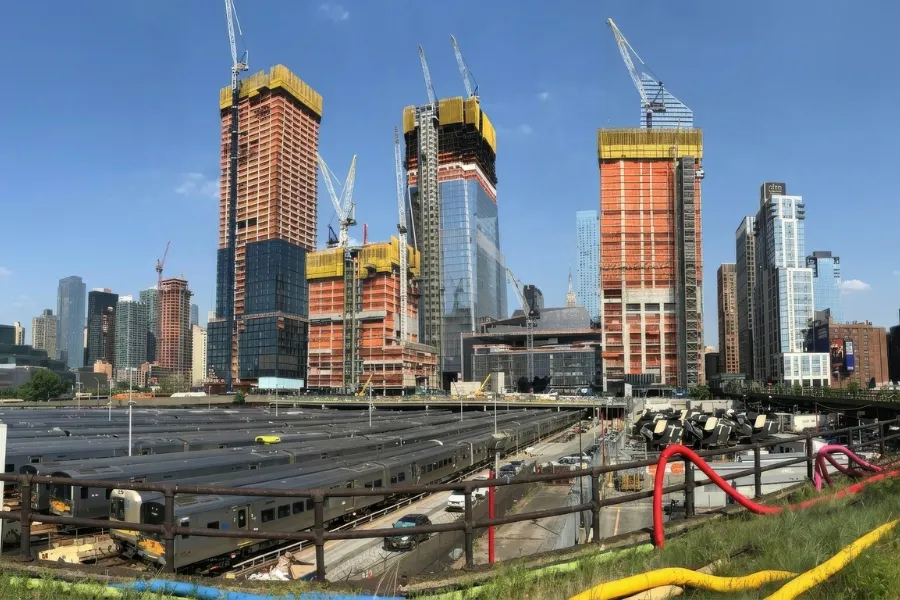
The Financial District’s 46.7 percent jump in search volume is leading the price action, not lagging it. Buyer interest is accelerating, and the supply response has been measured. One Wall Street completed its conversion with 566 units priced from $700,000 to over $10 million. 125 Greenwich, the 88-story Rafael Viñoly tower, continues delivering inventory. 50 West Street, the 64-story Helmut Jahn tower, has been absorbing units. 130 William, the David Adjaye-designed tower, has set a different kind of architectural standard. 77 Greenwich, the Jolie, has filled the gap for boutique waterfront condo product. 25 Park Row, designed by COOKFOX, has delivered residences that command meaningful premiums.
The pricing dynamic in the Financial District is that price per square foot remains roughly $1,200, well below the borough average of $1,400-plus. New development product trades at a premium to that figure but still represents value relative to Tribeca, SoHo, or the West Village at $2,500-plus per square foot. The thesis for buyers is that Financial District pricing has further to climb as the neighborhood continues its transformation from a single-purpose commercial district to a 24/7 residential community.
Resale inventory across Downtown also presents opportunity, particularly in buildings that have been on the market for an extended period or where sellers are motivated. Data from late 2025 showed Financial District inventory taking an average of 87 days to go into contract, down from 168 days a year earlier, suggesting sellers have been more flexible to close transactions. That flexibility has narrowed as 2026 inventory dynamics have tightened, but motivated sellers remain in the market for buyers who can identify them.
Tribeca and the Trophy Segment
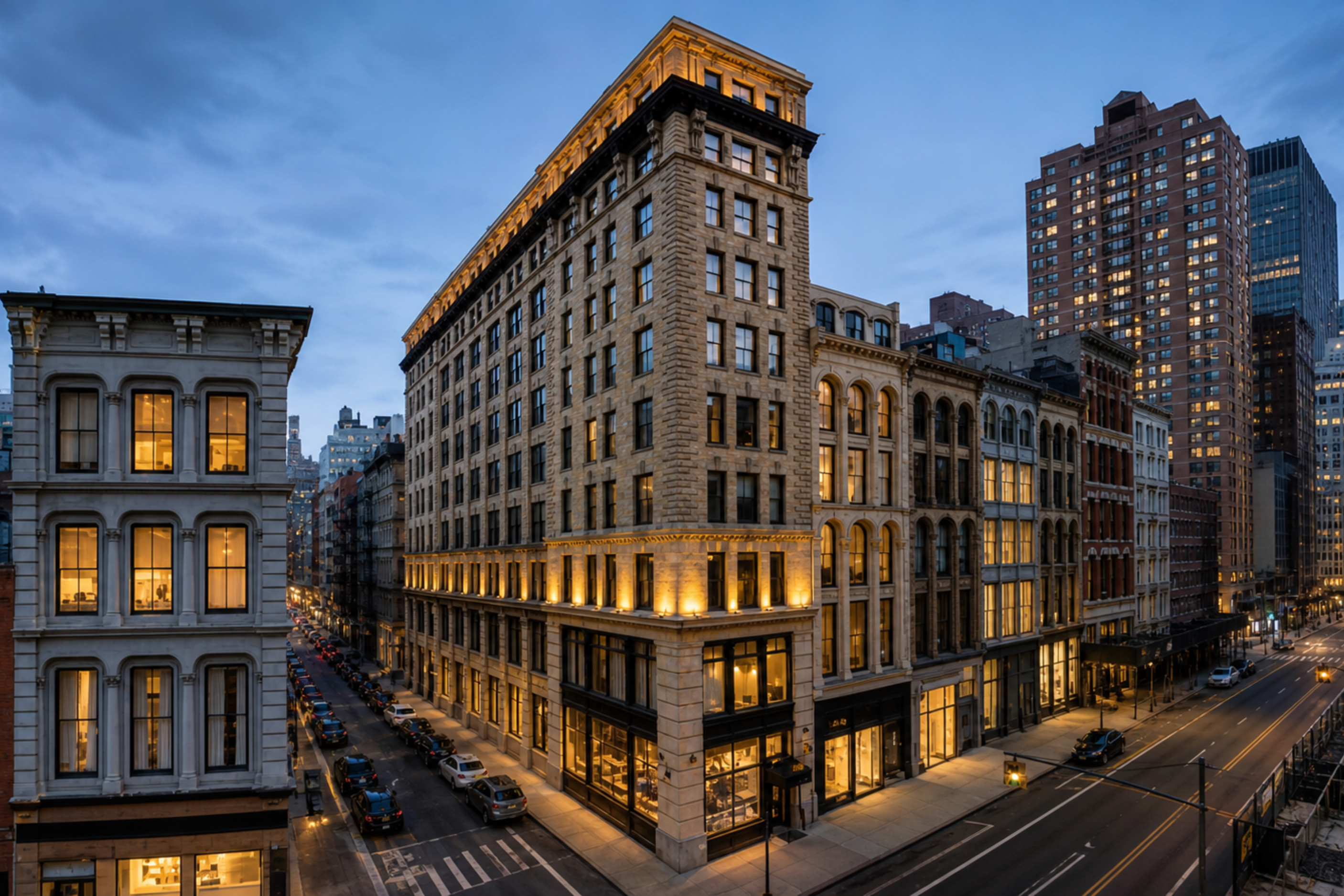
Tribeca operates on a different set of dynamics than the Financial District. The inventory is scarce, the price points are high, and the buyer pool is concentrated. Trophy assets in Tribeca trade in their own market, largely insulated from the broader rate environment because so many transactions are cash.
The 2026 picture for Tribeca is one of constrained supply meeting steady demand. Median listing prices held near $3.77 million in late 2025 and crept higher into Q1 2026. Loft conversions and new-build townhouses set the ceiling, with price per square foot reaching $2,500 to $3,500 and trophy product going well beyond that. Days on market for well-priced Tribeca product runs at approximately 53, materially below the borough average.
For buyers targeting Tribeca, the question is less about market timing and more about asset selection. The neighborhood does not produce dramatic price moves in either direction over short timeframes. It produces steady appreciation in well-located, architecturally significant buildings, with the trophy segment behaving on its own logic. A buyer who finds the right loft in the right building at the right price is generally well-positioned regardless of broader market conditions.
The Battery Park City and Seaport Sub-Markets
Battery Park City and the South Street Seaport are the often-overlooked sub-markets of Downtown Manhattan, and both present specific opportunities in 2026. Battery Park City’s master-planned design, riverfront promenades, and lower density relative to the rest of Downtown make it appealing for buyers who want the Downtown commute and amenity base with a less dense environment.
The Seaport has been the beneficiary of the broader Pier 17 and surrounding waterfront development, with the area becoming a more meaningful residential destination than it was a decade ago. Pricing in both sub-markets has tracked the broader Downtown trajectory, with selective premiums for waterfront and view-protected inventory.
What the Luxury Tier Is Telling Buyers
The luxury tier of the Manhattan market is running hot in 2026, and the signal from that tier is informative for buyers at all price points. 2025 Manhattan luxury sales reached nearly $12 billion across more than 1,400 contracts, an 11 percent year-over-year increase. That momentum accelerated into early 2026. In a single week in February, multiple contracts above $10 million were recorded across the borough.
The luxury tier is driven by scarcity. Trophy apartments with architectural distinction, privacy, and views cannot be replicated, and qualified buyers move fast when they come to market. This dynamic, while specific to the very top of the market, has implications for the broader Downtown segment. The same scarcity that drives trophy demand also limits how much Downtown supply can come to market in any reasonable timeframe. Demand, by contrast, is rising. The Financial District’s search volume jump, the broader Downtown contract activity, and the continued flow of buyers from suburban markets back into Manhattan all indicate that demand is rising faster than supply.
What Could Go Wrong
An honest assessment of whether 2026 is a good time to buy in Downtown Manhattan has to acknowledge the scenarios that would invalidate the buy thesis.
A major negative shock to financial markets or employment would slow demand quickly. The buyer pool for Downtown apartments skews heavily toward financial services professionals, and a meaningful contraction in that sector would soften pricing. The current data does not show this happening. Inflation sat at 2.4 percent as of February 2026, the stock market reached record levels in early 2026, and the broader macro picture supports continued residential demand.
A spike in mortgage rates back into the 7 percent range would also slow activity. The early 2026 rate spike to 6.91 percent during the US-Iran conflict produced a brief slowdown in activity that resolved when rates came back down. A sustained move higher would have a larger effect, although the impact on Downtown specifically would be modulated by the meaningful share of cash transactions in the segment.
A supply shock from office-to-residential conversions is the other potential risk. Several large Downtown commercial buildings are in various stages of conversion to residential use, and a wave of new inventory coming to market simultaneously could pressure pricing. The current pace of approvals and construction suggests this is unlikely to produce a meaningful overhang in 2026, but it is worth tracking for buyers with longer holding periods.
What This Means for Sellers

For Downtown owners considering whether to sell now or hold, the 2026 market presents a clear opportunity. Buyer interest is elevated, inventory is moving faster than it was twelve months ago, and the price growth in the Financial District in particular has been substantial.
Pricing strategy in this market matters more than presentation, although both are important. The right pricing strategy for Downtown sellers in 2026 is to lead with current comp data and acknowledge the inventory dynamics in the specific building. Buyers are paying attention, and aspirational pricing that runs significantly above the comp set tends to extend days on market and produce eventual price reductions. Pricing at or slightly inside the comp set in well-presented inventory has been producing multiple offers and clean closings.
For owners considering whether to sell or convert to rental, the rental yields in Downtown Manhattan run roughly 3.5 to 4.5 percent gross before expenses, with the Financial District at the higher end of that range. The decision usually depends on liquidity needs, the owner’s broader portfolio context, and the appetite for landlord responsibilities in a building that may impose subletting restrictions.
Every Downtown Manhattan purchase strategy is different. Connect to evaluate current pricing, financing, and neighborhood trends based on your goals. For additional market context, read the Financial District Real Estate Market Trends in 2026 guide.
Frequently Asked Questions
For buyers with a five-year-plus timeline, 2026 conditions in Downtown Manhattan are constructive. The Financial District topped the StreetEasy Neighborhoods to Watch list with a 46.7 percent jump in search volume, median sale prices grew 28.1 percent year over year, and days on market declined materially. Mortgage rates have stabilized at 6.25 to 6.46 percent with Fannie Mae projecting 5.9 percent by year-end. Inventory is tight at 2.26 months of supply across Manhattan. The combination of accelerating demand, constrained supply, and a manageable rate environment makes the current window favorable for prepared buyers, particularly those targeting Financial District new development.
No, Manhattan home prices are not falling in 2026. Q1 2026 closings totaled 2,757, up 1 percent year over year, representing the sixth consecutive quarter of annual sales growth. Median Manhattan sale price hit $1.4 million in January 2026, up 14.8 percent year over year. New development contract activity grew 87 percent year over year in Q1 2026. The Financial District specifically posted a 28.1 percent year-over-year median price increase. Constrained supply, strong demand, and the stabilizing rate environment all point to continued moderate price growth rather than declines. Most market forecasts call for 2 to 4 percent appreciation across Manhattan in 2026.
The right Downtown Manhattan neighborhood depends on the buyer’s budget and priorities. The Financial District offers the strongest value at $1,200 per square foot versus over $1,400 borough-wide, with major new development product like One Wall Street, 125 Greenwich, 130 William, and 25 Park Row creating modern condo inventory. Tribeca offers premium location and trophy product at $2,500 to $3,500 per square foot, with the most stable long-term appreciation profile. Battery Park City offers planned-community amenities at a discount to Tribeca. SoHo and the Hudson Square corridor sit at the top end of Downtown pricing alongside Tribeca.
Most experienced buyers and brokers advise against trying to time the rate cycle in Manhattan. Rates have stabilized at 6.25 to 6.46 percent in April 2026 with Fannie Mae projecting 5.9 percent by year-end. Even if rates drop to that target, the rate change translates to roughly $200 to $300 per month on a typical Downtown Manhattan mortgage. Meanwhile, prices have grown 28.1 percent year over year in the Financial District. The savings from a lower rate are typically outweighed by the higher purchase price that comes from waiting in an appreciating market. Buyers who refinance later capture the rate improvement without missing the inventory window.
A typical Downtown Manhattan transaction runs 60 to 90 days from accepted offer to closing for condos, and 90 to 120 days for new development product that requires sponsor approval. Cash transactions can close in 30 to 45 days. The Financial District is currently averaging 85 days from listing to contract, down from 103 days a year earlier. New development closings often take longer due to construction completion timelines, sponsor punch lists, and the multi-step approval process. Buyers should expect the full process from initial search through closing to take 4 to 6 months for resale and 6 to 12 months for new development.
The Financial District is well-positioned for continued appreciation in 2026 based on current data. The neighborhood led Manhattan in search volume growth at 46.7 percent year over year, captured the StreetEasy top spot in the 2026 Neighborhoods to Watch list, and is trading at a meaningful discount to Manhattan generally at $1,200 per square foot versus $1,400 borough-wide. Major new development inventory continues to deliver, and the broader Downtown transformation from a single-purpose commercial district to a residential neighborhood continues to play out. Rental yields run roughly 4 to 4.5 percent gross, which is among the strongest in Manhattan for the price point.