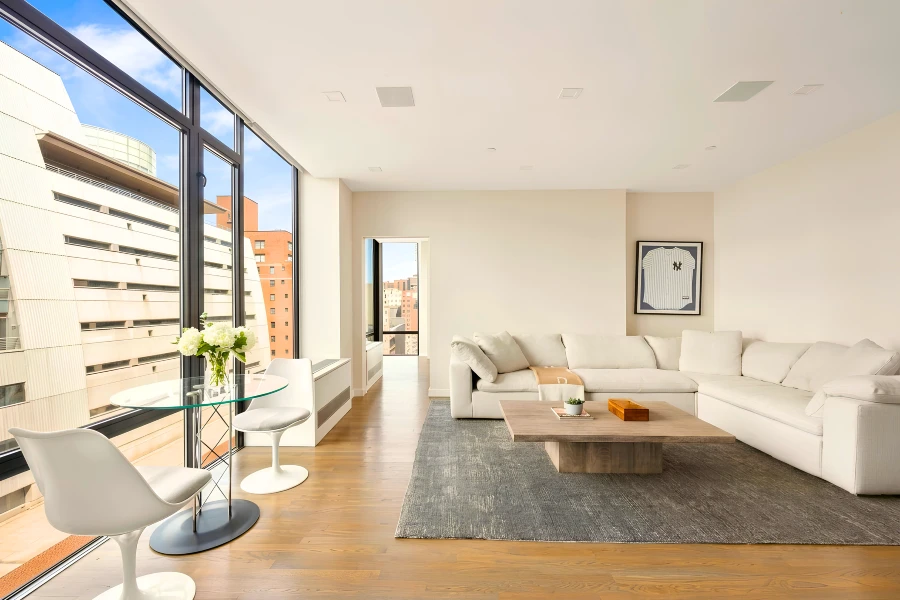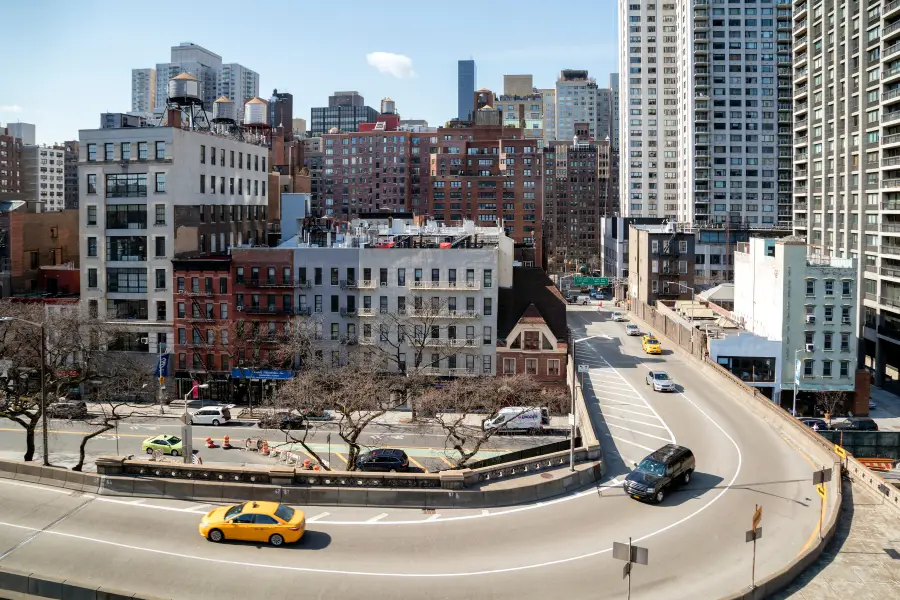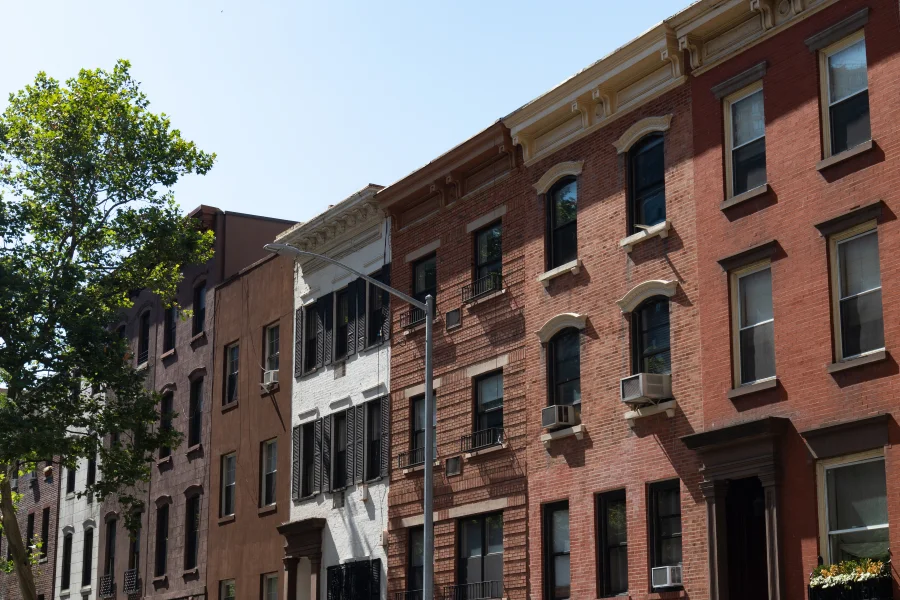

A 1122 Madison Avenue penthouse went under contract at $89.5 million in early 2026, setting a neighborhood record and reminding the market what 50 years of compounding appreciation actually looks like on the Upper East Side. Park Avenue co-ops that traded for $200,000 in the 1970s now sell for $4 million to $10 million. Fifth Avenue residences purchased for similar figures now range from $5 million to $15 million, with trophy units pushing past $30 million. That is roughly 2,000 to 3,000 percent appreciation over five decades on assets buyers were quietly told would never be worth that much.
The Upper East Side is the most consistent long-term appreciation engine in Manhattan. Buyers who hold for the right timeframe in the right buildings have produced wealth at a scale that few asset classes can match, and the 2026 setup is one of the better entry points the neighborhood has offered in several years.
Upper East Side Appreciation in 2026 by the Numbers
The Upper East Side posted approximately 4.1 percent year-over-year price growth in 2025, with the consensus 2026 forecast calling for an additional 2 to 4 percent appreciation. Median sale price reached $1.4 million in early 2026, up 2.9 percent year over year. Price per square foot climbed approximately 10 percent year over year to $1,320.
The price-per-square-foot move is the more informative figure. Median sale price can be skewed by mix shift, meaning if more two-bedrooms sell than studios in a given quarter, the median moves without any underlying value change. Price per square foot strips out mix shift and shows what the real estate is doing on a like-for-like basis. A 10 percent gain in price per square foot in twelve months is meaningful appreciation, and it puts the Upper East Side in a stronger near-term position than the headline 2.9 percent figure suggests.
Q4 2025 median condo pricing on the Upper East Side reached $1.66 million, while median co-op pricing settled at $825,000. Condos have been appreciating faster than co-ops over the past several years, driven by the broader buyer pool, more flexible board requirements, and the influx of new development product in the Carnegie Hill and Lenox Hill corridors. Co-ops have appreciated more slowly but have also been more stable, with less downside volatility during rate cycles and broader market dislocations.
The Long-Term Historical Picture
Upper East Side prices appreciated approximately 190 percent from 1990 to 2010 and another 130 percent from 2010 to 2020. Stacking those periods produces roughly 7 to 9 percent compounded annual growth across 30 years. Buyers who acquired Upper East Side product in the 1970s and 1980s and held through the 2010s captured returns that have funded multi-generational family wealth.
Manhattan overall has appreciated 241.69 percent since 1990, an average annual increase of 4.94 percent. The Upper East Side has tracked above that figure across most multi-decade windows, with the steadiest performance during periods of market stress. The 2008 to 2010 correction was milder on the Upper East Side than in many downtown sub-markets. The 2020 to 2022 pandemic dislocation produced a temporary discount that was fully recovered by mid-2023. The 2023 to 2024 rate spike compressed transaction volume but produced minimal price impact on well-located product.
The lesson from the long-term data is that Upper East Side appreciation rewards patience. The neighborhood does not produce dramatic short-term moves, but it produces remarkable long-term outcomes for buyers who hold through full market cycles.
What Actually Drives Upper East Side Appreciation
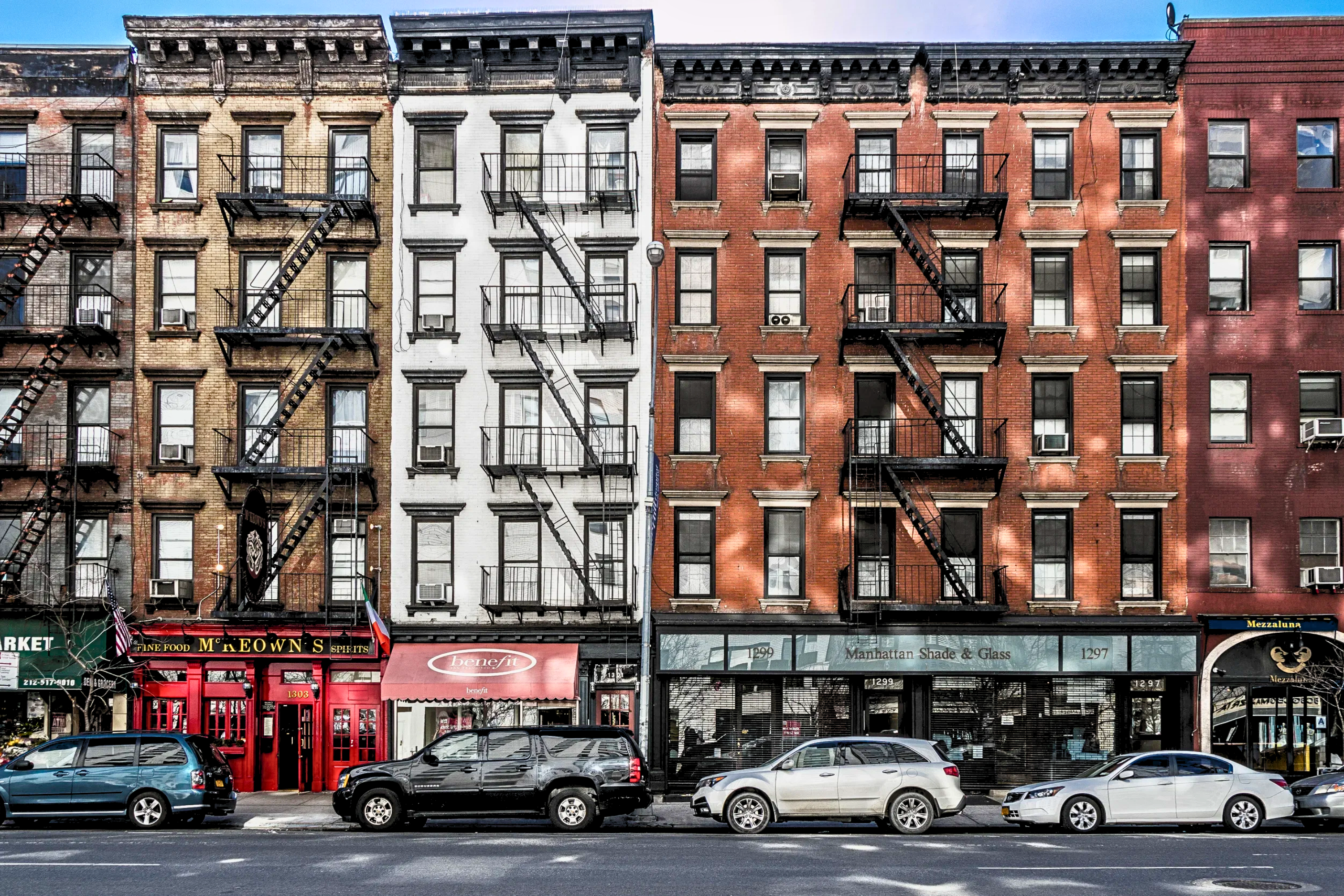
The drivers of Upper East Side appreciation are specific and worth understanding for buyers building a long-term position.
The first driver is supply discipline. The Upper East Side is one of the most supply-constrained residential corridors in Manhattan. Landmarked districts in Carnegie Hill and along upper Fifth Avenue restrict new construction. Existing prewar buildings cannot add inventory. New development that does occur, like 180 East 88th, 1010 Park Avenue, 20 East End Avenue, and The Kent, is concentrated in a small number of luxury towers and absorbs quickly. Active Manhattan listings sit at 5,387, down 7.6 percent year over year, with months of supply at roughly 2.26.
The second driver is structural buyer demand. The Upper East Side attracts buyers from finance, healthcare, and legal sectors who value the building stock, the cultural infrastructure, and the proximity to Central Park, the Reservoir, and Museum Mile. The buyer pool is geographically diverse, with strong demand from international purchasers, domestic relocations, and within-Manhattan upgraders. Approximately 64 percent of Manhattan transactions are cash, and the Upper East Side runs above that average, particularly in the prewar co-op segment.
The third driver is the Second Avenue Subway effect. The Q line extension materially shortened commutes from the East 70s, 80s, and 90s to Midtown and downtown, eliminating the historical discount for being east of Third Avenue. Yorkville-adjacent properties within a two-block radius of the new stations have captured accelerated appreciation over the past several years, and the trend has further room to run as the subsequent phases of the Second Avenue extension proceed.
The fourth driver is the inflation hedge. Manhattan real estate broadly tracks inflation over long timeframes because so much of the cost basis is labor, materials, and land. Upper East Side product specifically tracks inflation tightly because the building stock is largely fixed and the buyer pool is income-protected against inflation through finance and professional services compensation. With inflation having normalized to roughly 2.4 percent as of February 2026, the appreciation case continues to build.
Where the Strongest Appreciation Has Happened
Within the Upper East Side, three sub-markets have produced different appreciation patterns over the past decade, and buyers building a position need to understand the distinctions.
Carnegie Hill, broadly 86th to 96th between Fifth and Lexington, has been the strongest trophy market on the Upper East Side. Median co-op pricing sits at roughly $2 million, with condos closer to $3.1 million. The trophy assets in Carnegie Hill, particularly classic prewar units on Park, Madison, and Fifth, have produced strong long-term appreciation captured by long-term holders. Buildings like 1040 Park, 1020 Fifth, and 1010 Park Avenue have seen units trade meaningfully higher than acquisition prices from a decade earlier.
Lenox Hill, roughly 60th to 77th, is the central spine of the Upper East Side and tracks the headline neighborhood appreciation figure most closely. Inventory is diverse, ranging from prewar walk-ups to ultra-luxury condo towers on East 72nd, 74th, and 76th Streets. Buildings like 20 East End Avenue, The Kent at 200 East 95th, and 180 East 88th have set price points that have anchored Carnegie Hill and Yorkville pricing through their absorption.
Yorkville, generally 79th Street through the East 90s east of Third Avenue, has produced the strongest recent appreciation. Median sale prices sit closer to $890,000, materially below the neighborhood median, which gives the sub-market more room to appreciate. The Second Avenue Subway expansion has been the single most important value driver in Yorkville, with properties near the 72nd, 86th, and 96th Street stations capturing premiums of 15 to 25 percent over comparable units east of York Avenue.
How Co-ops and Condos Appreciate Differently
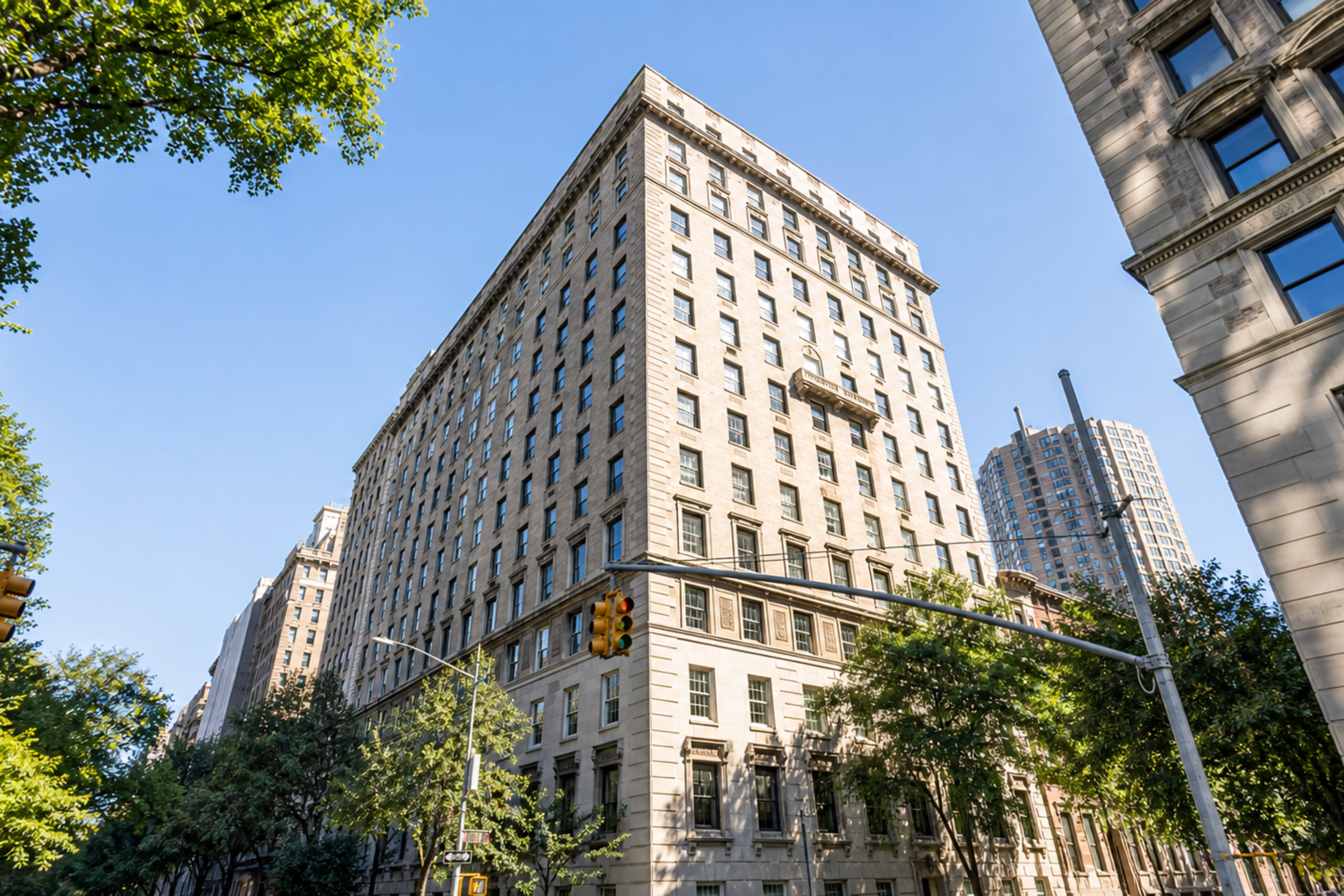
Condos and co-ops on the Upper East Side appreciate at different speeds, and understanding why is essential for buyers optimizing for long-term return.
Condos have appreciated faster than co-ops over the past decade. Condo median pricing on the Upper East Side reached $1.66 million in Q4 2025, while condo price per square foot averages $1,573. New development condo product trades at a premium to resale, and Upper East Side condo inventory remains scarce relative to demand. The buyer pool for condos is broader, including international buyers, LLC purchasers, and investors who cannot or prefer not to navigate the co-op board process. That broader buyer pool supports higher pricing and faster appreciation.
Co-ops have appreciated more slowly but have offered stronger value entry points. Co-op median pricing on the Upper East Side reached $825,000 in Q4 2025, which represents real value relative to the broader market. Co-op contract activity is down 15 percent year over year, which has created negotiation room that did not exist during the post-pandemic peak. Buyers who can navigate the co-op application process and meet the board’s financial requirements are finding the best value entry points the Upper East Side has offered in five years.
The practical takeaway is that condo buyers optimize for appreciation velocity while co-op buyers optimize for value entry and stability. Both produce strong long-term outcomes when paired with the right building selection and the right hold period.
The Trophy Market and What It Tells Investors
The trophy segment of the Upper East Side operates on its own logic, and the recent records inform the broader market in important ways. The 1122 Madison Avenue seven-bedroom duplex penthouse went under contract at $89.5 million in early 2026. Trades like this one do not move the median, but they reset the ceiling for what the neighborhood can produce in terms of pricing, and they signal the depth of global capital that continues to view the Upper East Side as a premier wealth-storage location.
Trophy appreciation is driven by global wealth concentration, supply scarcity at the very top, and the role of Manhattan as a capital destination for international buyers. These dynamics support the broader market in subtle ways. The same scarcity that drives trophy demand also constrains supply at the mid-market level, and the same capital flows that support trophy buying spill over into the broader condo and high-end co-op segments.
How to Build a Long-Term Position Today
The 2026 setup on the Upper East Side is one of the more attractive entry windows the neighborhood has offered in several years. The combination of price-per-square-foot growth accelerating to 10 percent year over year, co-op pricing softening enough to create negotiation room, mortgage rates stabilizing at 6.25 to 6.46 percent with Fannie Mae projecting 5.9 percent by year-end, and forecasted appreciation of 2 to 4 percent annually all point in the same direction.
The buyers who do best are the ones who execute three things well. First, they buy the right building. Building selection on the Upper East Side matters more than block or street selection. The buildings that have produced the strongest long-term appreciation are the ones with the strongest land value, the strongest reserve funds, the most disciplined board management, and the best architectural pedigree. Second, they buy the right unit within the building. Floor, line, light, layout, and renovation status all materially affect both initial price and long-term appreciation. Third, they hold long enough to capture the compounding. The Upper East Side does not reward short-term trading. It rewards multi-cycle holders.
What This Means for Sellers Capturing Appreciation
For Upper East Side owners considering their next move, the 2026 market presents specific opportunities. Price per square foot has accelerated 10 percent year over year, and well-positioned product is meeting strong demand. Pricing strategy should lead with the building-specific comp set. The right pricing in this market produces multiple offers and clean closings within 60 to 90 days. Pricing significantly above the comp set tends to extend days on market and produce eventual reductions.
Presentation matters more in this market than during the post-pandemic frenzy. Buyers compare relentlessly, and the unit that presents better than its comp set captures the premium. Professional staging, professional photography, and a strategic marketing window timed to inventory dynamics in the specific building all materially affect outcomes.
To map out the specific appreciation profile of your apartment, your building, and your sub-market, talk with an expert, and let’s run the numbers together. For deeper context on the co-op versus condo decision, the Upper East Side Co-ops vs Condos: Which Holds Value Better? The guide goes deeper into the long-term value dynamics.
Frequently Asked Questions
Yes, Upper East Side apartments have appreciated consistently over multi-decade timeframes. Prices appreciated approximately 190 percent from 1990 to 2010 and another 130 percent from 2010 to 2020. Manhattan overall has produced 4.94 percent average annual appreciation since 1990, and the Upper East Side has tracked above that figure across most long-term windows. Park Avenue and Fifth Avenue co-ops that traded for $200,000 to $400,000 in the 1970s now command $4 million to $15 million, representing 2,000 to 3,000 percent total appreciation over five decades. The 2026 outlook calls for an additional 2 to 4 percent appreciation in 2026 alone.
Condos have appreciated faster than co-ops over the past decade, driven by a broader buyer pool, more flexible ownership structures, and stronger demand from international and investor buyers. Condo median pricing reached $1.66 million in Q4 2025, while co-ops settled at $825,000. That said, co-ops offer stronger value at entry, lower carrying costs per square foot, and more stable pricing through market cycles. For buyers optimizing for appreciation velocity, condos are typically the better choice. For buyers optimizing for value and stability, co-ops are usually the stronger play. Both produce strong long-term outcomes when paired with the right building.
Short-term appreciation data showing the upper east side market trailing certain downtown and Brooklyn neighborhoods reflects a comparison between a stabilized blue-chip market and emerging-growth markets. The Upper East Side captured its core location premium decades ago, while neighborhoods like Williamsburg and Bushwick were capturing both underlying appreciation and gentrification premiums during the same window. Comparing a mature market to an emerging-growth market is comparing different asset classes. Over multi-decade windows, the Upper East Side has produced consistent compounded returns with materially less volatility than emerging neighborhoods, which is the right framing for long-term wealth building.
The Upper East Side rewards multi-cycle holders. A typical breakeven point including round-trip transaction costs of 12 to 15 percent of the purchase price falls between year five and year seven. Strong returns typically begin compounding meaningfully at year seven to ten and accelerate from there. Buyers acquiring in 2026 with a ten-year-plus holding horizon are well-positioned to capture multiple cycles of appreciation, refinance through declining rate environments, and benefit from continued price growth driven by Manhattan’s structural supply constraints. The neighborhood is not designed for short-term trading.
Yorkville has produced the strongest recent appreciation within the Upper East Side, driven primarily by the Second Avenue Subway extension that materially shortened commute times and eliminated the historical discount for being east of Third Avenue. Properties near the 72nd, 86th, and 96th Street stations have captured premiums of 15 to 25 percent over comparable units further east. Carnegie Hill has produced the strongest trophy-segment appreciation, anchored by classic prewar buildings on Park, Madison, and Fifth. Lenox Hill, the central spine of the Upper East Side, tracks the headline neighborhood figure most closely and offers the most liquid market.
Several factors are driving 2026 Upper East Side appreciation. Supply remains constrained, with active Manhattan listings down 7.6 percent year over year and months of supply at roughly 2.26. Buyer demand has been strong, with finance and professional services compensation supporting the buyer pool. Mortgage rates have stabilized at 6.25 to 6.46 percent with Fannie Mae projecting 5.9 percent by year-end, creating refinance optionality. The neighborhood record set by the $89.5 million 1122 Madison Avenue penthouse contract reflects continued global capital interest in Upper East Side trophy product, which supports the broader market in subtle but meaningful ways.