
At 740 Park Avenue, the board has historically been reported to require buyers to pay entirely in cash. No conventional mortgage at all. That one rule tells you most of what you need to know about Upper East Side co-op financing: the ceiling on what you can borrow is set by the building, not by your bank. Because board policies can change, the current rule should always be confirmed with the managing agent and governing documents before an offer.
The numbers underneath that are worth having before you start touring. For context, Manhattan-wide data for the fourth quarter of 2025 placed the median co-op sale price at $825,000 and the median condo sale price at $1.661 million. A 2026 East Side resale report, covering much of the Upper East Side, showed median prices ranging from $446,000 for studios to $3.0225 million for homes with three or more bedrooms. These are market benchmarks, not promises about a specific building. A co-op purchase buys shares in a corporation rather than deeded real property, which is precisely what gives each building a say in how you pay.
The Financing Cap Comes From the Building, Not Your Lender
When you buy a co-op you are buying shares in the corporation that owns the building, along with a proprietary lease, which is the document giving you the right to occupy your specific apartment. You are not buying real property in the way a condo buyer is. The corporation sets its own rules inside that structure, and one of those rules is how much of a purchase price a buyer is allowed to borrow.
This catches people off guard, and understandably so. You can be preapproved by a lender for 80% of a purchase price, find an apartment you want, and discover the building will only permit 50%. Your bank was never the constraint. The building was.
A building’s financing cap is set out in its current documents and application materials. Confirm it with the managing agent before you make an offer, because policies, exceptions, and transfer fees can change. The four buildings below show how different the rules can be, but the current building documents control.
740 Park Avenue
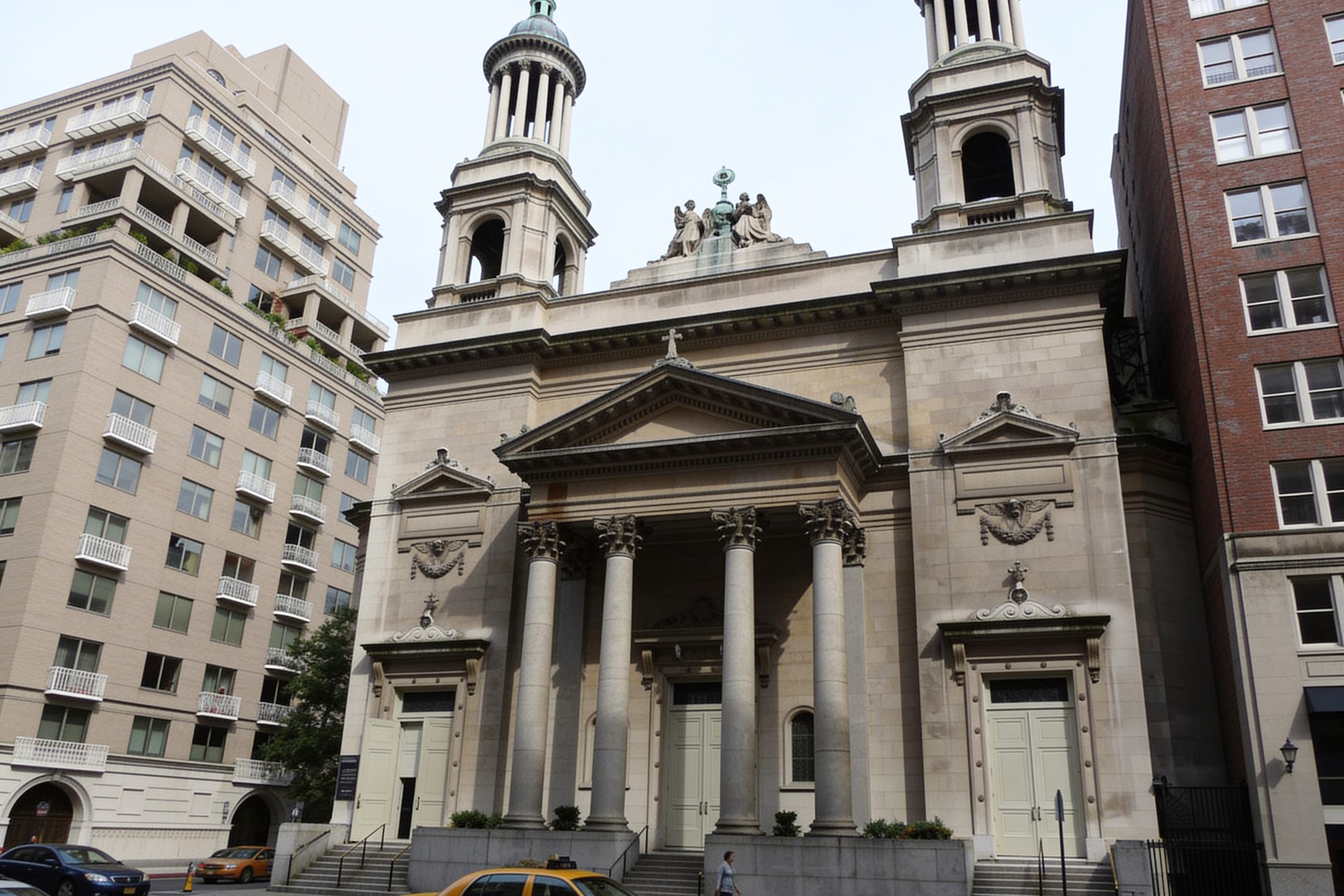
740 Park Avenue has historically been reported as an all-cash building. That history makes it a useful example, but it should not be presented as a guaranteed current policy without confirmation from management. Older public listing material also referenced a 3% buyer-paid flip tax, but a current management schedule was not publicly available. Treat both figures as historical until the building confirms them in writing.
The practical lesson is simple: a famous rule is not the same thing as a current written rule. Ask for the latest financing and transfer-fee terms before you build your offer around them.
1120 Park Avenue and 1185 Park Avenue
Current 2026 management information for 1120 Park Avenue states a maximum financing level of 50% of the purchase price and a transfer fee equal to 2% of gross consideration. At 1185 Park Avenue, current public listing data shows a 50% financing limit, while current management information confirms a 2% transfer fee. The contract and building documents should still confirm who pays each fee and whether any exception applies.
The cash difference is substantial. A 50% cap on an $825,000 purchase means bringing at least $412,500 before closing costs and required reserves. On a $2 million purchase, it means at least $1 million. For price context, publicly marketed 2026 residential offerings included approximately $3.8 million at 1120 Park Avenue and about $6.5 million to $7.35 million at 1185 Park Avenue. Listings change, so these are examples rather than a complete active range.
1050 Fifth Avenue

Current 2026 management information for 1050 Fifth Avenue says financing is not automatic. The board may allow no more than 50% of the apartment’s value to be pledged and may approve less. Publicly visible 2026 asking prices ran from roughly $1.7 million to $8.5 million. Public sources conflict on the building’s flip tax, so the current transfer-fee amendment should control rather than an old listing or summary page.
What the Spread Actually Means
Four buildings, four different answers, and none of them is the better building. They are four different financial structures serving four different buyers. The useful move is to work out your available cash first and then look at buildings that fit it, rather than falling for an apartment and discovering afterward that the arithmetic does not work.
What Upper East Side Co-op Financing Requires in Cash

Down payment expectations often start around 20%, while some buildings require 30%, 50%, or an all-cash purchase. Building-specific debt-to-income requirements can also be stricter than a lender’s own standards, with some co-ops looking for housing and total debt ratios within defined limits.
But the down payment is rarely the number that trips people up. That distinction belongs to post-closing liquidity.
Post-Closing Liquidity Is the Number Nobody Budgets For
Post-closing liquidity is cash left over after your down payment and closing costs have cleared. Many co-op boards want buyers to demonstrate enough liquid assets to cover one to two years of mortgage and maintenance payments after closing, although requirements vary by building.
Here is what that looks like in real money. If your mortgage runs $4,500 a month and your maintenance is $2,000, a board asking for one to two years of liquidity wants roughly $78,000 to $156,000 sitting in accessible accounts after the down payment is spent. Not pledged against the purchase. Not tied up in a retirement account you cannot reach. Sitting there, provably, as evidence that you could keep paying if your income changed tomorrow.
Buyers routinely assemble a down payment, feel ready, and then find out they are $100,000 short of ready. Working backward from the liquidity requirement rather than forward from the down payment saves a lot of that.
If you want a straight answer on which Upper East Side buildings fit the cash you actually have before you start touring, reach me at TheNewYorkCityBroker.com/contact-me and I can assist you.
Carnegie Hill, Lenox Hill, and Yorkville Change the Arithmetic
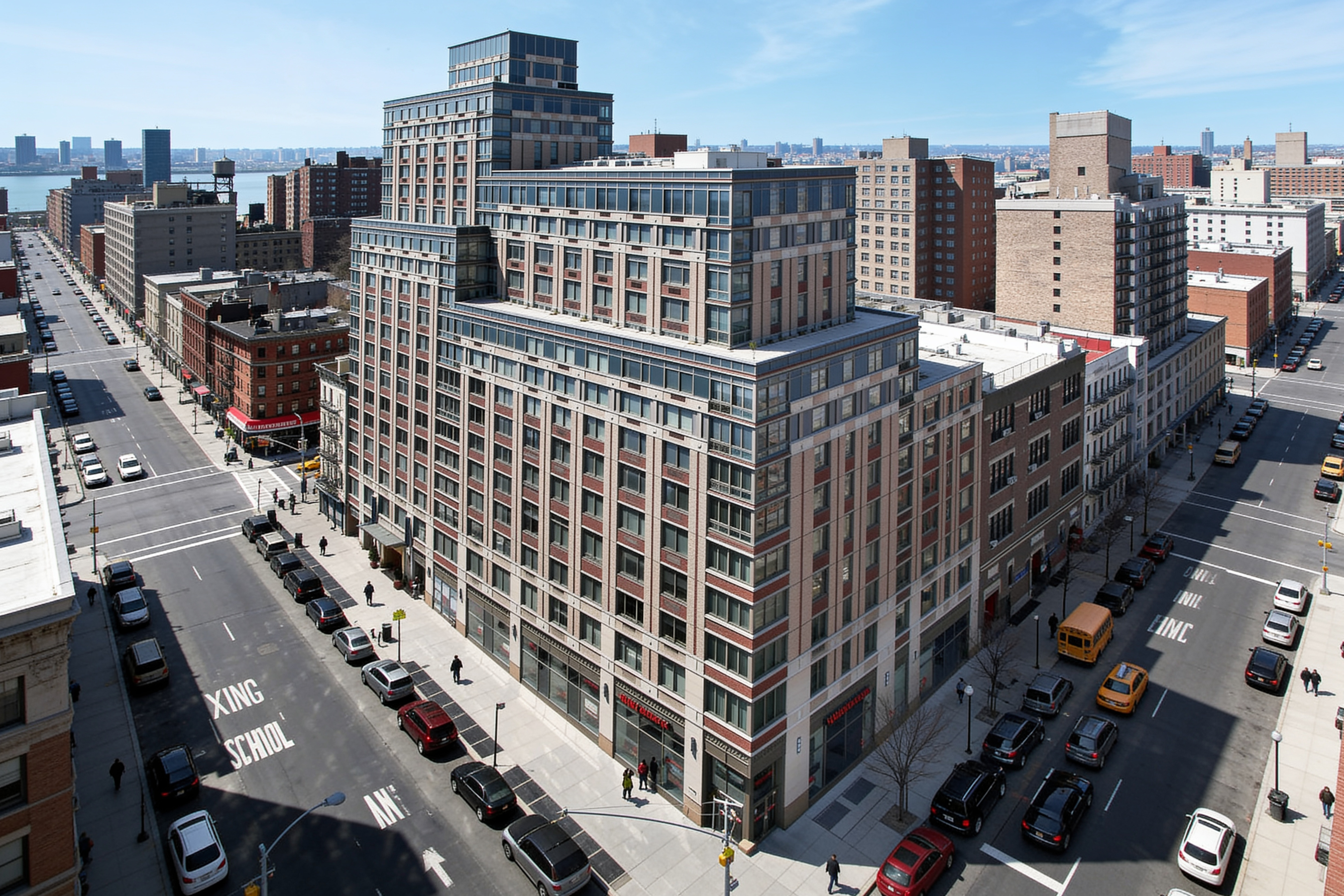
The Upper East Side is not one market, and where you shop changes what a financing cap costs you in absolute terms.
Carnegie Hill, roughly 86th to 96th Street between Fifth and Lexington, includes many prewar co-ops and some of the higher-priced examples in this article. A 50% financing cap on a multimillion-dollar purchase can create a seven-figure cash requirement before closing costs and reserves.
Lenox Hill, roughly 60th to 77th Street, offers a broad mix of co-op inventory and price points. The same 50% cap can translate into a very different cash requirement depending on the apartment’s price, maintenance, and the board’s liquidity standard.
Yorkville, generally 79th Street through the East 90s east of Third Avenue, adds another mix of building types, price points, and financing rules. The useful comparison is not whether one submarket is better. It is whether the total cash requirement at a specific address fits your plan.
None of these submarkets is automatically the right answer for every buyer. They serve different budgets and ownership goals, and knowing which buildings your cash can reach keeps you from spending time on a purchase structure that does not fit. For a fuller comparison of the ownership trade-offs, read Upper East Side Co-ops vs Condos: Which Is the Better Investment?.
A Share Loan Is Not a Mortgage, and Fewer Lenders Offer One
Because you are financing shares rather than real property, a co-op loan is technically a share loan, secured by your shares and proprietary lease instead of by a deed. From the buyer’s side, the monthly payment can feel much like a mortgage. From the lender’s side, the collateral and paperwork are different, which is why co-op experience matters.
That specialization matters more than it sounds. A lender unfamiliar with co-op structure can slow your own approval down even after the board has already signed off, because it is working through building financial statements it has never seen before. Before you make an offer, ask two questions: has this lender financed units in this building recently, and has it reviewed the building’s financials? Both answers are easy to get and both save weeks.
Your lender will also need a recognition agreement from the co-op corporation, a document confirming the lender’s position relative to the corporation’s if you ever default. Most buildings use a standard form. It is one more piece of paper to track alongside the board package, not a hurdle.
One genuine upside sits inside this structure. Co-ops skip the mortgage recording tax that condo buyers pay on their loan amount, because there is no mortgage being recorded against real property in the same way. That is a real part of why co-op closing costs run lower, and it partly offsets the larger down payment.
Flip Taxes Cost You at the Other End
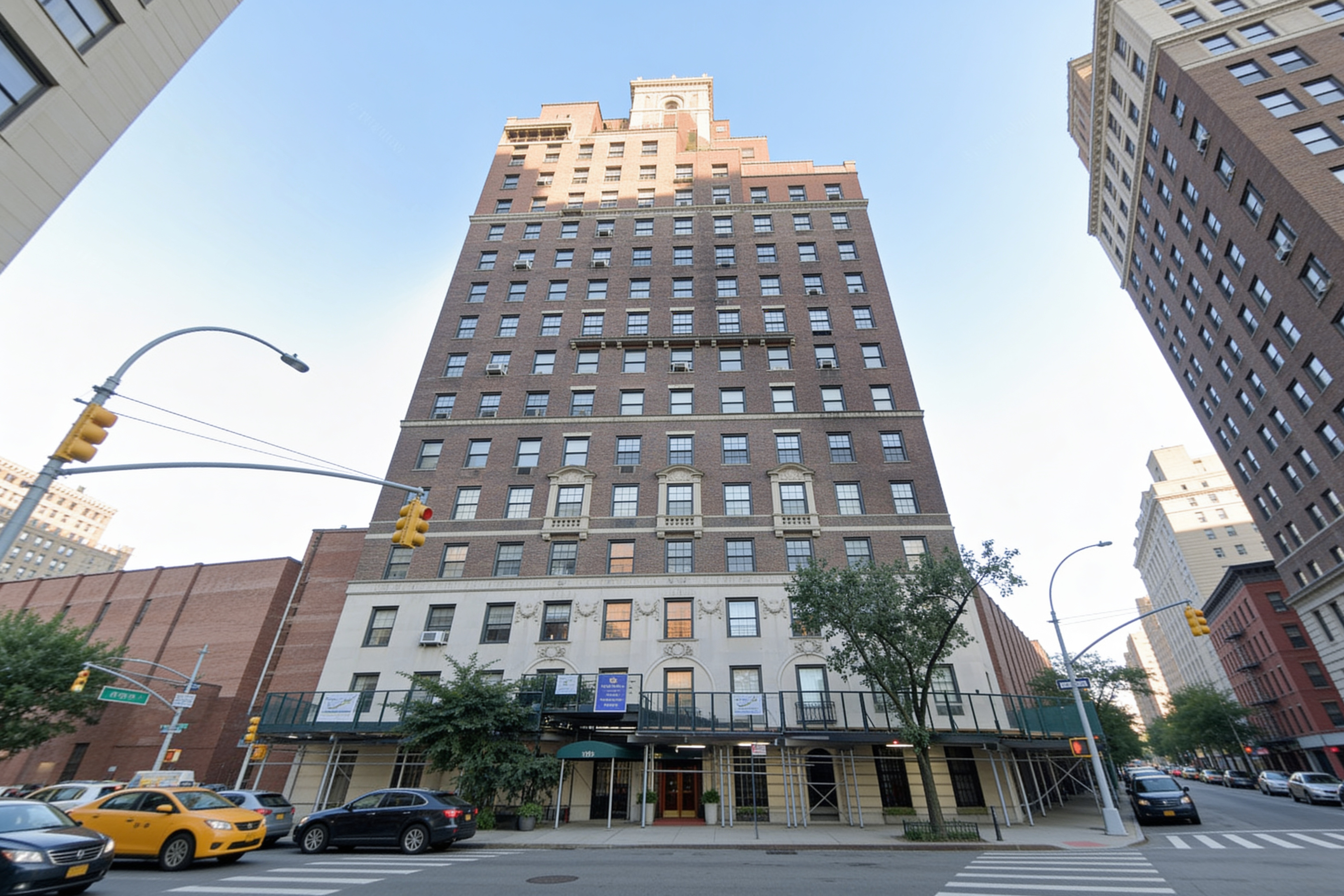
A flip tax is a fee the building charges when a unit resells, and it generally runs 1 to 3 percent of the sale price. It is separate from any government transfer tax and it is set by each building’s own governing documents rather than by any citywide rule.
Do not assume one flip-tax schedule applies across these buildings. Current management information supports a 2% transfer fee at 1120 Park Avenue and 1185 Park Avenue. The 3% figure for 740 Park Avenue comes from older public listing material, while public sources conflict on the figure at 1050 Fifth Avenue. The latest governing documents and contract should settle the amount and who pays it.
Who pays it also varies by building. Buyers looking only at what they need on day one tend to skip this, and then meet it again years later on the way out.
What This Costs at Closing
Buyer closing costs on a resale co-op often run around 1% to 2% of the purchase price, while a new-development condo can run roughly 4% to 6%, depending on the transaction and which costs the buyer is responsible for. Co-op buyers generally avoid mortgage recording tax on the apartment loan and the standard title-insurance cost attached to deeded property. Financing charges, attorney fees, building application fees, move-in charges, mansion tax, and any buyer-paid transfer fee can still change the total.
The mansion tax sits on top of all of it for any purchase at $1 million or more:
$1 million to $1.999 million: 1%
$2 million to $2.999 million: 1.25%
$3 million to $4.999 million: 1.5%
$5 million to $9.999 million: 2.25%
$10 million to $14.999 million: 3.25%
$15 million to $19.999 million: 3.5%
$20 million to $24.999 million: 3.75%
$25 million and above: 3.9%
The applicable rate is charged against the entire purchase price, not only the portion above the threshold. That is why a small change around a bracket can create a meaningful tax difference. Confirm the calculation with your attorney before signing, especially when a deal is close to a threshold.
If You’re Selling in a Building With a Financing Cap
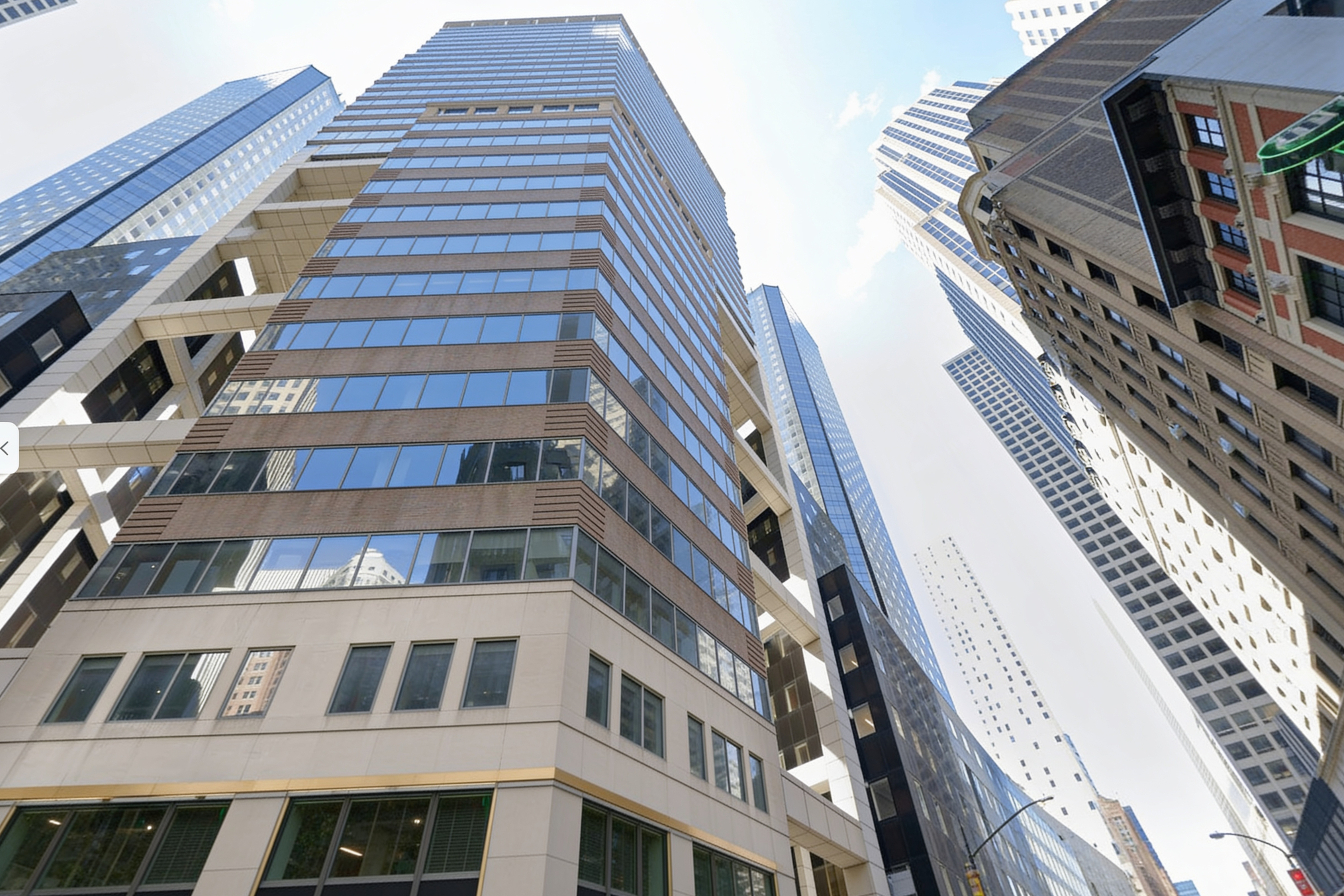
A financing cap shapes your sale as much as it shaped your purchase, and pricing without accounting for it is the most common way sellers in these buildings lose time.
Start with closed sales in your own building and your own line rather than a neighborhood average. Two apartments in the same building can trade meaningfully apart on floor, layout, renovation status, and exposure, and in a capped building the pool of buyers who can clear the requirement is narrower to begin with. A neighborhood median tells you almost nothing about what your specific line is worth.
Then qualify buyers on cash, not just on price. A slightly lower offer from a buyer who comfortably clears the financing cap and liquidity requirements may ultimately be more compelling than a higher offer that leaves the buyer close to the building’s limits. The point is not to dismiss price. It is to weigh price alongside the risk that the buyer cannot satisfy the board or close on the proposed terms.
Timing matters at the margins too, and it helps to set expectations against current comparable sales rather than a peak transaction that no longer reflects the market. Have the building’s financial information, transfer-fee terms, and board application materials organized before you list. Strong reserves and no pending assessment can support buyer confidence and a smoother review. If a capital project is coming, address it in the pricing and disclosure strategy up front rather than waiting for a buyer’s attorney to surface it during due diligence.
Upper East Side Co-op Financing: Getting Your Cash Lined Up First
The buyers who move fastest through this do the same three things. They confirm a building’s financing cap and flip tax before touring, not after an offer. They calculate the down payment and the post-closing liquidity requirement together as one number. And they use a lender with recent experience in the building, or at least in co-ops generally.
If any part of your financial picture has a wrinkle, a recent job change or a stretch of higher debt, raising it plainly and early tends to produce a smoother review than hoping it goes unnoticed. Boards are reading for risk, not for perfection.
If you’re weighing an Upper East Side co-op or another New York City property, contact Brett through TheNewYorkCityBroker.com/contact-me to talk through the right next step.
Frequently Asked Questions
Many Upper East Side co-ops require at least 20% down, while some require 30%, 50%, or an all-cash purchase. Current 2026 management information states a 50% maximum financing level at 1120 Park Avenue, and current public listing data shows a 50% limit at 1185 Park Avenue. 740 Park Avenue has historically been reported as all cash, but its current policy should be confirmed directly with management. The requirement belongs to the building, not the neighborhood, so the amount that works at one address may not work at another. Confirm the financing cap, liquidity rule, and any transfer fee before making an offer.
Yes, but it is technically a share loan rather than a mortgage, because you are financing shares in a corporation instead of real property. The loan is secured by your shares and your proprietary lease rather than by a deed, which is why fewer lenders offer the product and why those that do tend to specialize in co-op lending. Ask whether your lender has financed units in your specific building recently and whether it has reviewed that building’s financial statements, since an unfamiliar lender can add weeks even after board approval.
Post-closing liquidity is the accessible cash and other qualifying liquid assets left after your down payment and closing costs are paid. Many boards want enough to cover one to two years of mortgage and maintenance payments, although the exact requirement varies by building. With a $4,500 monthly loan payment and $2,000 in maintenance, one year equals $78,000 and two years equals $156,000. A board may define which accounts count, so ask whether retirement assets, securities, or other funds receive full credit. Build this reserve into the budget before you decide how much cash to use for the down payment.
Some co-op boards restrict financing because every shareholder’s ability to pay maintenance affects the corporation’s finances. If a shareholder stops paying, the building still has obligations such as staff, insurance, repairs, and any underlying mortgage. Limiting apartment-level debt is one way a board may try to reduce that exposure. 740 Park Avenue is a well-known historical example of an all-cash policy, but buyers should verify its current rule directly with management. The key point is that a financing restriction is part of the building’s risk policy, and it can change how much cash a buyer needs even when a lender approves a larger loan.
A flip tax is a resale or transfer fee charged by the co-op when an apartment changes hands, and the amount and payor are set by the building’s governing documents. It may be a percentage of the sale price, a per-share amount, or another formula. Current management information supports a 2% transfer fee at 1120 Park Avenue and 1185 Park Avenue. Older listing material referenced 3% at 740 Park Avenue, while public sources conflict on the figure at 1050 Fifth Avenue. Because the current documents control, buyers and sellers should confirm the exact formula and who pays before signing a contract.
Buyer closing costs on a resale co-op often run around 1% to 2% of the purchase price, while a new-development condo can run roughly 4% to 6%, depending on the transaction and which costs the buyer must cover. Co-op buyers generally avoid mortgage recording tax on the apartment loan and standard title insurance because they purchase shares and a proprietary lease rather than a deed. Attorney, lender, application, move-in, mansion-tax, and building-specific fees can still apply. Ask your attorney and lender for a transaction-specific estimate instead of relying only on a broad percentage range.