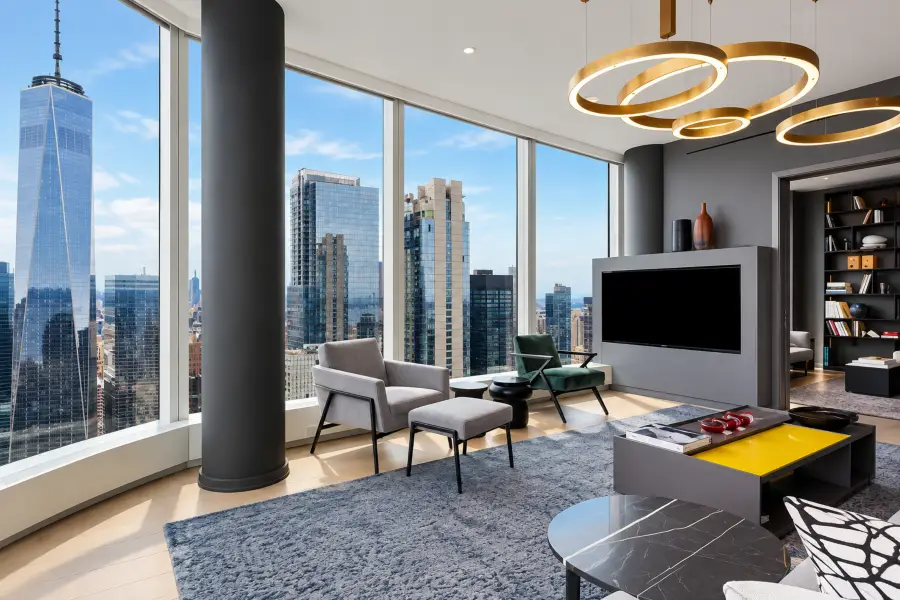

At One Wall Street, Macklowe Properties converted a 566-unit Art Deco office tower, originally built in 1931 for the Irving Trust Company, into a residential condominium. That tells you something important about buying a condo in the Financial District: a large part of the market is shaped by buildings that were repurposed, not originally designed as residential towers.
That distinction matters.
The building’s history can affect layouts, mechanical systems, common charges, taxes, renovation rules, and what you should investigate before signing a contract.
The Financial District is also a market where the numbers can move quickly depending on the dataset. PropertyShark reported a $1.3 million median sale price for the neighborhood in Q2 2026, with condo sales at a $1.4 million median and condo median price per square foot around $1,000.
StreetEasy’s current neighborhood data puts the Financial District’s median sale price around $1.1 million, illustrating why buyers should always ask what period and property type a market statistic covers rather than treating one neighborhood-wide number as the whole story.
If you are buying here, the building is the starting point.
Why FiDi Skews Condo, Not Co-op
The Financial District has a particularly strong condo market because so much of its residential inventory came from office-to-residential conversions and newer residential development.
That creates a very different buying experience from the Upper East Side, where co-ops dominate much of the traditional apartment stock.
A condo purchase generally gives you more flexibility than a co-op purchase. Financing is usually more straightforward, and condo buyers typically do not face the same level of discretionary board approval found in a co-op. A condo board may still have an application or waiver process, and the building’s governing documents matter, but the structure is different.
The distinction becomes important when you are comparing monthly costs and timelines.
With a co-op, maintenance combines the building’s operating expenses with its underlying financial structure. With a condo, you are generally paying common charges plus property taxes separately.
That means two apartments with similar purchase prices can have very different monthly carrying costs.
Before you fall in love with a view or a renovation, calculate the complete monthly number.
Buying a Condo in the Financial District Means Understanding the Building
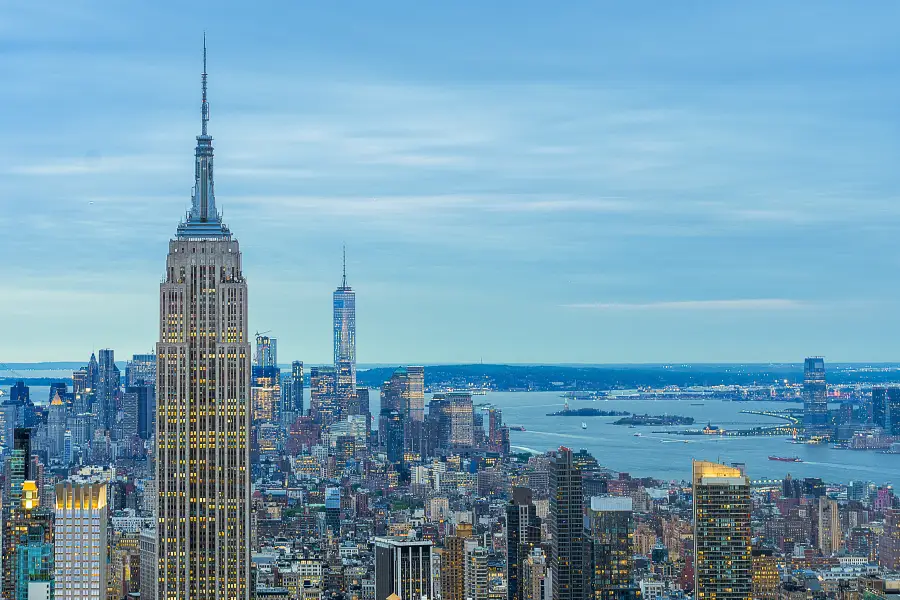
Start with the building, not the apartment.
That means looking at the offering plan, amendments, financial statements, recent board minutes where available, assessments, common charges, property taxes, capital projects, and the building’s maintenance history.
The Financial District’s building stock includes several major properties that buyers should know.
One Wall Street
One Wall Street is one of the most significant office-to-residential conversions in the neighborhood. The Art Deco tower contains 566 residential units and was originally completed in 1931 for the Irving Trust Company.
During its launch, residences ranged from roughly $1.13 million for lower-priced studios to approximately $12.75 million for larger four-bedroom homes.
The important takeaway is not the original launch pricing. It is the scale and structure of the building. With hundreds of units, buyers have to look at the specific line, floor, views, common charges, tax structure, and comparable closed sales rather than assuming that one unit represents the entire building.
130 William Street
130 William Street is a 66-story residential tower with 242 condominium residences. Designed by David Adjaye and completed in 2023, it represents a different part of the FiDi market from the converted office towers.
Here, buyers are comparing newer construction, amenities, views, layouts, common charges, and finishes against older converted buildings.
Other Buildings to Know
The Financial District condo market also includes 125 Greenwich, 99 John, 15 William, 77 Greenwich, and the Greenwich Club at 88 Greenwich.
Each has a different history, financial structure, unit mix, and amenity package.
That is why “Financial District condo” is not specific enough when evaluating value. You need to know the actual building.
Financing a FiDi Condo
Financing a Financial District condo is generally more straightforward than financing a co-op, but that does not mean every loan works for every buyer.
Start with a real preapproval before you seriously shop. Your lender should understand the price range you are considering, whether you are looking at a conventional or jumbo loan, and how the building itself may affect underwriting.
A useful example is a $1.3 million purchase.
With 20 percent down, the buyer would put $260,000 down and finance $1.04 million. That loan amount would generally fall into jumbo territory, depending on the applicable conforming loan limit and year.
If you use a hypothetical 6.5 percent rate for planning purposes, principal and interest on a $1.04 million 30-year loan would be roughly $6,573 per month before common charges, property taxes, insurance, and any other costs.
That last part matters.
Do not decide what you can afford based only on the mortgage payment. Add common charges, taxes, insurance, and a realistic reserve for repairs or unexpected expenses.
And do not assume 20 percent down is a universal requirement. Some conventional financing can work with less, while jumbo lenders and individual buildings can have their own requirements. Your lender should tell you what works for your specific situation.
What Makes a Converted Building Different From New Construction
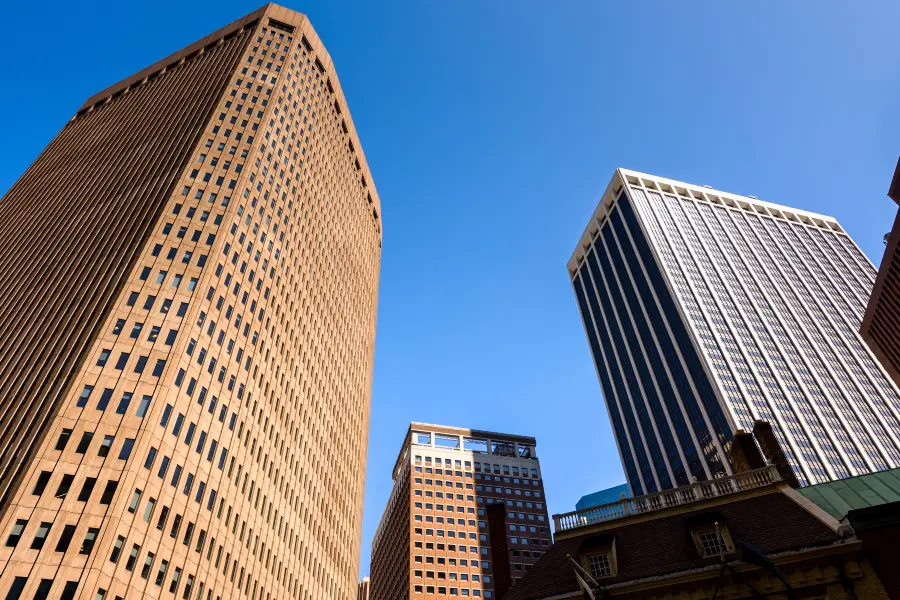
A converted office building can have a lot going for it, but you should understand what you are actually buying.
Office buildings were designed around commercial uses. When they become residential buildings, major systems and layouts have to be adapted.
That makes due diligence particularly important.
Your attorney should review the offering plan and amendments, building financials, recent meeting information where available, assessments, litigation disclosures, and other relevant building documents.
Ask about major mechanical systems, facade work, elevators, plumbing, heating and cooling, and any significant capital project that could affect future carrying costs.
Local Law 11, now part of the city’s broader facade inspection requirements, is another item worth checking for taller buildings. You want to understand the building’s inspection status and whether major facade work is expected.
This is not a reason to avoid a conversion. It is a reason to understand the building before you buy.
A converted building can offer a very different combination of ceiling heights, windows, layouts, and architectural character from a newer residential tower. The trade-off is that you need to spend more time understanding the building’s history and physical systems.
What This Actually Costs at Closing
Budget roughly 4 to 6 percent of the purchase price for typical condo buyer closing costs, although the exact number depends heavily on the transaction, financing, building, and whether the unit is a resale or sponsor sale.
On a $1.3 million purchase, 4 to 6 percent is approximately $52,000 to $78,000.
If you finance the purchase, your lender and attorney will also calculate loan-related expenses. Title insurance is another major condo buyer expense because you are purchasing real property rather than shares in a corporation.
Then there is the mansion tax.
New York’s mansion tax starts at 1 percent for purchases from $1 million to $1.999 million. The rates increase as follows:
- $1 million-$1.999 million: 1%
- $2 million-$2.999 million: 1.25%
- $3 million-$4.999 million: 1.5%
- $5 million-$9.999 million: 2.25%
- $10 million-$14.999 million: 3.5%
- $15 million-$19.999 million: 3.75%
- $20 million-$24.999 million: 3.85%
- $25 million and above: 3.9%
The mansion tax is a buyer expense, so it needs to be included in your purchase budget from the beginning.
Sponsor Units Work Differently From a Regular Resale

A sponsor unit is generally being sold by the sponsor or developer rather than by an individual owner who previously purchased the apartment.
That can change the process.
Depending on the building and offering plan, sponsor sales may have different application requirements, closing procedures, or financial terms. Some sponsor inventory can also be attractive because the sponsor is motivated to move remaining units, while other sponsor units may be priced based on the building’s current inventory and sales strategy.
Do not assume a sponsor unit is automatically a bargain.
Look at comparable closed sales, current competing inventory, common charges, taxes, incentives, and the total cost of the purchase.
If a building has a meaningful amount of unsold sponsor inventory, that can affect your negotiating strategy because you are not only competing against resale owners. You may also be competing against the sponsor’s remaining units.
That is where patience can help.
The right question is not “Can I get a discount?” It is “What is the seller actually willing to trade on, and how does this unit compare with every other available option?”
What This Means for Sellers in Financial District Condo Buildings
Financial District sellers have to price against a particularly broad mix of inventory.
You may be competing with another resale in your building, a sponsor unit, a newer development, or a converted apartment in a neighboring tower. That makes building-specific positioning critical.
Before listing, review recent closed sales in your building and compare them by line, floor, views, condition, common charges, taxes, and incentives. A unit that looks comparable online may have a very different net cost once those factors are included.
Building financials matter to buyers, too. If the building has a large assessment, upcoming facade work, elevated insurance costs, or another major capital expense, expect buyers and their attorneys to ask questions.
Sellers should also prepare the apartment before going live. Fix small defects, make the layout easy to understand, declutter, and make sure the photography communicates the strongest features of the unit.
If the apartment is vacant, staging can help buyers understand scale. If it is occupied, the same principle applies: make the rooms easy to read.
Most importantly, price against the buyer’s alternatives today.
A seller does not control the entire Financial District market. You control how clearly your apartment’s value is presented within it.
Touring With the Building’s History in Mind

When you tour a Financial District condo, look beyond the apartment.
Walk through the common areas. Pay attention to elevators, hallways, mechanical spaces where accessible, amenities, and general building maintenance.
Ask questions about assessments, taxes, common charges, insurance, capital projects, and the building’s financial position.
Then look at the apartment itself.
Check the windows. Listen to the mechanical systems. Look at ceiling heights and room proportions. Notice storage. Think about where furniture would actually go.
For a conversion, ask what parts of the original commercial building were retained and what was rebuilt for residential use.
For a newer building, ask about warranties, construction history, tax abatements where applicable, and how common charges and property taxes are expected to evolve.
The Financial District is also a neighborhood where transportation is a practical part of the buying equation. Fulton Center and the Oculus connect the area to multiple subway and PATH services, making the location particularly convenient for buyers whose daily routines depend on downtown transit. StreetEasy also continues to show strong search interest in the neighborhood, which ranked first in its 2026 Neighborhoods to Watch based on a nearly 47 percent year-over-year increase in searches.
The point is not to buy because a neighborhood is “hot.” It is to understand why buyers are looking here and whether those factors matter to you.
The Closing Process
Once you have an accepted offer, the transaction moves into attorney review and due diligence.
For a straightforward resale with financing, closing can often take roughly 30 to 60 days after the contract is signed, but the actual timeline depends on the buyer’s lender, title work, attorney review, building requirements, and any issues discovered during diligence.
Your attorney will review the relevant building and transaction documents. If you are financing, your lender will also need to complete underwriting and clear the loan for closing.
This is why a preapproval is so valuable. It does not eliminate underwriting, but it gives you a much clearer idea of what you can finance before you make an offer.
The same principle applies to the building.
A buyer who understands the building’s financials, taxes, assessments, and governing documents before signing is less likely to discover an expensive surprise later.
Ready to Buy a Financial District Condo?
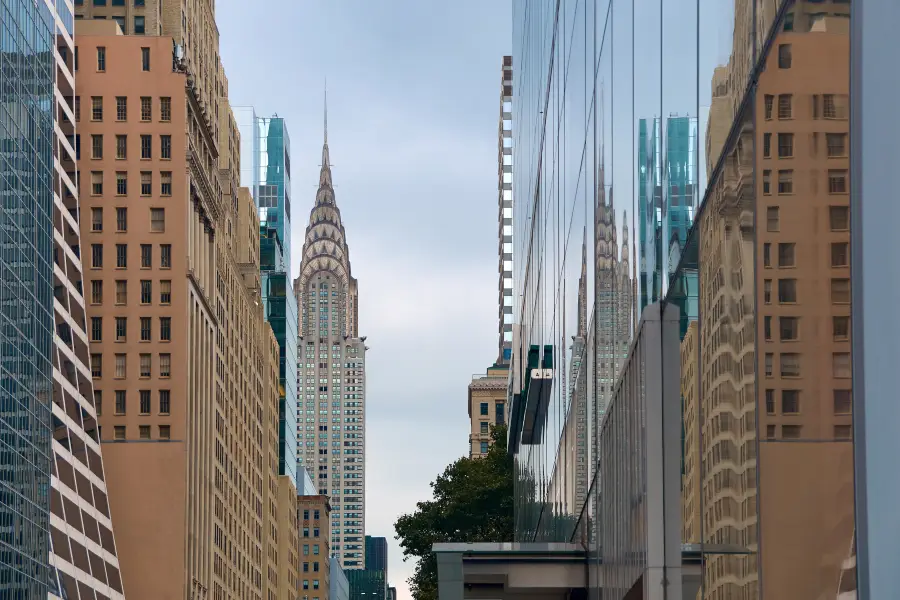
Buying a condo in the Financial District starts with more than finding the right apartment. You need to understand the building, financing structure, closing costs, sponsor or resale status, and the financial commitments that continue after closing.
From there, the same discipline applies across NYC real estate: compare the right properties, understand the numbers, investigate the building, and make the decision based on the complete cost rather than the listing price alone.
If you’re looking at a Financial District condo or considering another NYC purchase, [email protected]
Frequently Asked Questions
No, you do not necessarily need 20 percent down to buy a Financial District condo, although 20 percent is a common planning point for buyers and may be required by some lenders or buildings.
The amount you need depends on the loan program, purchase price, lender, credit profile, income, reserves, and whether the loan falls into jumbo territory.
Putting 20 percent down can also change the economics of the purchase by reducing the loan amount and, with certain conventional loans, avoiding private mortgage insurance.
Before shopping seriously, get a lender to model several scenarios. Compare the monthly payment, cash needed at closing, and the amount of liquidity you will have left afterward.
Condo buyers should generally budget around 4 to 6 percent of the purchase price for typical closing costs, although the exact amount depends on the transaction and financing.
On a $1.3 million purchase, that range is approximately $52,000 to $78,000.
Your costs can include attorney fees, title insurance, lender charges, recording expenses, and other transaction-related costs. The mansion tax is another major consideration for purchases of $1 million or more, beginning at 1 percent and increasing at higher price points.
The safest approach is to have your attorney and lender provide a transaction-specific estimate before you make an offer.
Converted office buildings can be a good fit for buyers who understand the building’s history, systems, financials, and renovation structure.
The appeal can be significant. A converted commercial building may offer distinctive architecture, large windows, unusual layouts, or historic details that are difficult to reproduce in newer construction.
The trade-off is that buyers need to perform careful building-level due diligence. Review the offering plan, financials, assessments, capital projects, facade requirements, and major mechanical systems.
The question is not whether conversions are good or bad. It is whether the specific building has been properly evaluated and whether its characteristics fit your budget and priorities.
A straightforward financed condo purchase can often close within roughly 30 to 60 days after the contract is signed, but the actual timeline varies by transaction.
Cash purchases can sometimes move faster, while financing can add time for underwriting, appraisal, title work, and final loan approval.
The building can also affect timing. Your attorney may need to review building documents, and the condo may have its own application or waiver process.
The best way to avoid unnecessary delays is to get preapproved before making an offer, respond quickly to document requests, and have your attorney review the relevant building information early.
A sponsor unit is generally an apartment being sold by the building’s sponsor or developer rather than by an individual owner.
Sponsor pricing can differ from resale pricing because the sponsor may control multiple units and may offer incentives or negotiate differently depending on remaining inventory.
That does not mean sponsor units are automatically cheaper. You need to compare the unit with both resale and sponsor inventory and account for closing costs, common charges, taxes, incentives, renovation, and the building’s overall financial structure.
A sponsor’s remaining inventory can sometimes give a buyer additional negotiating leverage, but the actual opportunity depends on the building and the sponsor’s sales strategy.
Buyer interest in the Financial District has grown alongside the neighborhood’s continued residential development, extensive transit connections, expanding residential inventory, and large number of converted and newer condominium buildings.
StreetEasy ranked the Financial District first on its 2026 Neighborhoods to Watch list after searches for the neighborhood increased nearly 47 percent year over year.
Current market data also shows meaningful condo activity in the area, with PropertyShark reporting a $1.4 million condo median sale price in Q2 2026.
For a buyer, the important question is whether that increased attention translates into the right opportunity for your specific budget and the building you are considering.