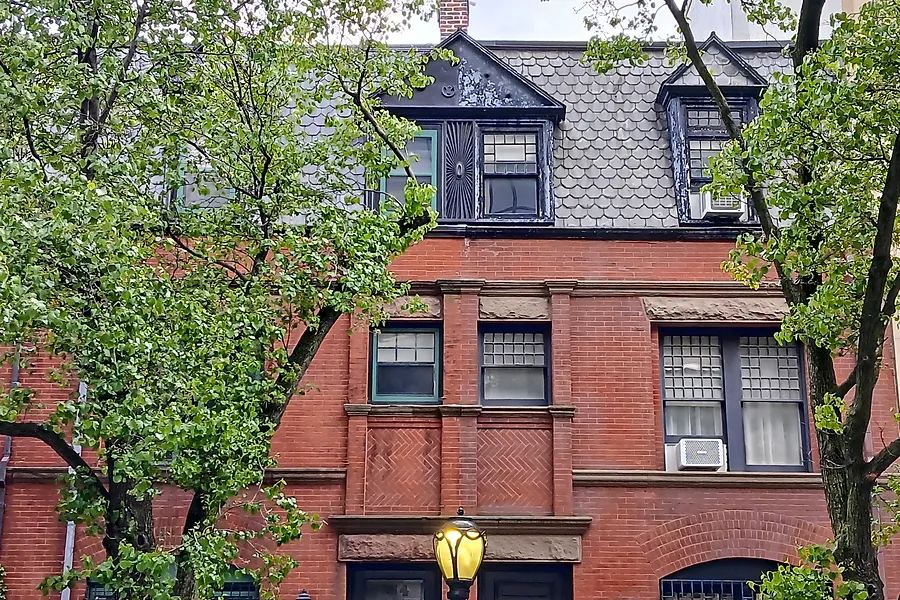

SThis Financial District tax abatement buyer guide starts with one rule: buying a condominium in 2026 means underwriting more than the contract price and common charges. A building may carry a valuable tax benefit, a benefit that is already phasing out, or no benefit at all. The difference can materially change monthly costs, resale expectations, and mortgage qualification.
For neighborhood context, see Brett Ari Fischer’s Financial District 2026 buyer guide, then verify every tax statement against city records and the offering plan. Marketing language is not a substitute for a benefit schedule, tax bill, or written sponsor representation.
This guide separates 421-a, 485-x, the NYC owner abatement, J-51, assessments, tax lots, annual bills, special assessments, and primary-residence rules.
Financial District Tax Abatement Buyer Guide: Start With the Bill
A condo owner generally receives a Department of Finance property-tax bill for the unit. The bill can show current and past-due tax, other property-related charges, exemptions, abatements, credits, and the amount due. The New York City Department of Finance explains that an exemption reduces taxable assessed value, while an abatement is subtracted from the calculated tax.
NYC’s property-tax year runs from July 1 through June 30. Bills are generally quarterly when assessed value is $250,000 or less and semiannual when it is more than $250,000. The due dates are generally July 1 and January 1 for semiannual bills, and July 1, October 1, January 1, and April 1 for quarterly bills.
Do not confuse the annual Notice of Property Value with a bill. The Notice of Property Value is an assessment notice, usually mailed in January, and no payment is due with it. It is still important because it shows the assessment information used to calculate the coming year’s tax.
Tax rates change annually. A monthly estimate can become inaccurate even before a benefit ends. Obtain the latest bill, Notice of Property Value, and benefit detail.
How NYC assesses a condominium

Most larger residential condominiums are Tax Class 2 properties. The Department of Finance values Class 2 condominiums as if they were income-producing rental buildings, even though the owner may live in the apartment. The city uses estimated income, expenses, comparable rental properties, and a capitalization formula.
For a condominium created after July 2007, the city’s Class 2 guide says the unit’s market value is based on an interest or unit allocation factor supplied by the condominium board. That factor is commonly found in the offering plan. A unit’s purchase price is therefore not the same thing as its assessed value or taxable value.
For larger Class 2 properties, assessed-value changes may be phased in over five years. Smaller Class 2 properties have different statutory limits on annual assessed-value increases. The practical point is simple: model the current tax bill and the likely tax trajectory, rather than applying a purchase-price percentage.
The city’s annual calculation is broadly taxable value multiplied by the applicable tax rate, followed by any tax abatement. The current rate for the relevant tax class matters, and the rate is not permanently fixed. Buyers should ask their attorney or accountant how a proposed benefit interacts with the taxable value and the specific unit’s record.
421-a: completion deadline is not the same as benefit expiration

The most important 421-a distinction is between a project’s eligibility or completion deadline and the later expiration of an approved benefit. A project can have completed construction under a qualifying program and still be receiving a benefit years later. Conversely, a building that advertises 421-a may be near the end of its benefit period or already in a phaseout.
Legacy 421-a(1-15) benefits vary by approved project type and can include full-benefit years followed by a multi-year phaseout. The precise schedule is project specific.
The Later Program Is Different
The later 421-a(16) Affordable New York Housing Program is separate from legacy 421-a. Its homeownership Option D excludes Manhattan, so a FiDi condo cannot claim that option merely because it is new. It generally covered projects that commenced construction between January 1, 2016 and June 15, 2022. The ordinary completion deadline was June 15, 2026.
A 2024 law created a limited extension to June 15, 2031 for qualifying projects that submitted the required Letter of Intent by September 12, 2024 and selected qualifying affordability options.
That extension did not apply universally. Options C or G did not themselves receive the extension; qualifying projects using A, B, D, E, or F could. HPD’s workbook rules may allow a project initially using C or G to amend to an eligible option after a timely Letter of Intent, subject to its conditions. The extension concerns completion and eligibility.
It does not mean every 421-a building receives a new benefit period or that a buyer’s unit is automatically protected from the original schedule.
Verify the Actual Benefit Record
The Department of Finance’s 421-a property records are the starting point for verification. Review the building’s BBL, benefit name, base value, start year, end year, current benefit year, benefit amount, and schedule. Ask for the HPD eligibility certificate, final certificate if applicable, restrictive declaration, and relevant amendments.
A sponsor or broker’s 421-a statement is incomplete unless it identifies the program, benefit dates, current phaseout step, and expected full-tax amount. Treat the benefit as a building-specific fact.
485-x: a successor program with a critical FiDi limitation
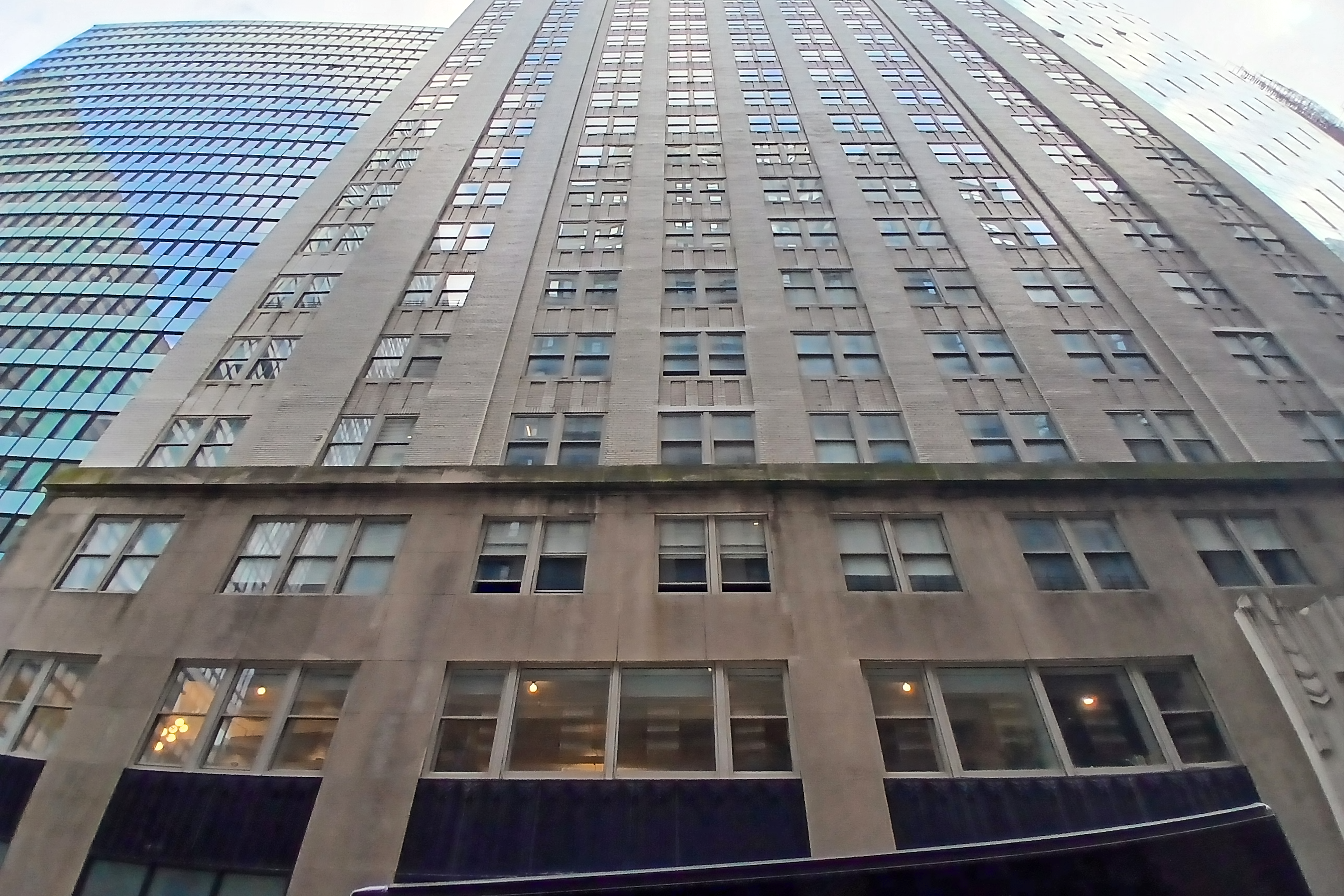
Real Property Tax Law Section 485-x created Affordable Neighborhoods for New Yorkers, also called ANNY. It is a successor incentive for qualifying new construction and eligible conversions, with affordability, wage, registration, and compliance requirements.
The program generally covers eligible projects that commenced after June 15, 2022 and on or before June 15, 2034, with completion on or before June 15, 2038.
The homeownership category is Option D. HPD states that an eligible homeownership project must contain at least six units, satisfy an assessed-value-per-square-foot cap on the first assessment after completion, and require each owner to maintain the unit as a primary residence for at least the first five years.
Most important for a Financial District buyer, HPD states that a 485-x homeownership project cannot be located in Manhattan.
Therefore, do not assume a new Financial District condominium receives 485-x Option D merely because it is a new project or commenced after 2022. Ask which 485-x option applies, whether the property is a rental or homeownership project, and whether the actual building is eligible. A Manhattan condominium may have a legacy 421-a benefit, another incentive, or no development-level benefit.
A separate 485-x rental option has its own conditions and cannot be assumed from the condo label.
The NYC condo and co-op owner abatement

The cooperative and condominium property tax abatement is different from 421-a, 485-x, and J-51. It is an owner-focused abatement for an eligible development and qualifying unit. The condominium board or authorized managing agent applies for the development. An individual buyer does not simply file a personal application and create eligibility.
The development generally must be Tax Class 2 and cannot be receiving J-51, 420c, 421-a, 421-b, or 421-g benefits, although DOF allows an application when an incompatible benefit is due to expire on June 30 of the tax year in which the building applies. The unit generally must be the owner’s primary residence.
Business-owned units such as LLC holdings and units held by a sponsor or successor in interest are generally excluded. DOF describes limited security-related ownership exceptions.
Check the New Owner’s Eligibility
The owner generally may not own more than three residential units in the development and must have one qualifying primary residence. A condo deed or transfer-tax filing must be recorded with ACRIS. Purchase on or before January 5 generally qualifies for the coming tax year beginning July 1; a later purchase usually moves eligibility to the following year.
The board’s annual filing deadline is generally February 15, with a next-business-day rule when appropriate. DOF lists owner-abatement rates of 28.1%, 25.2%, 22.5%, and 17.5% across four development-average assessed-value bands, from $50,000 or less to $60,001 or more. Verify the applicable band and unit eligibility. Some developments must submit a prevailing-wage affidavit based on unit count and average assessed value.
Missing it can cost the development its abatement for that tax year.
The owner abatement is not a substitute for 421-a underwriting. A buyer may not become eligible for the owner abatement immediately after a different building benefit ends, may fail a primary-residence condition, or may buy after the ownership cutoff. Confirm the unit’s eligibility and board renewal history.
J-51 and J-51 Reform
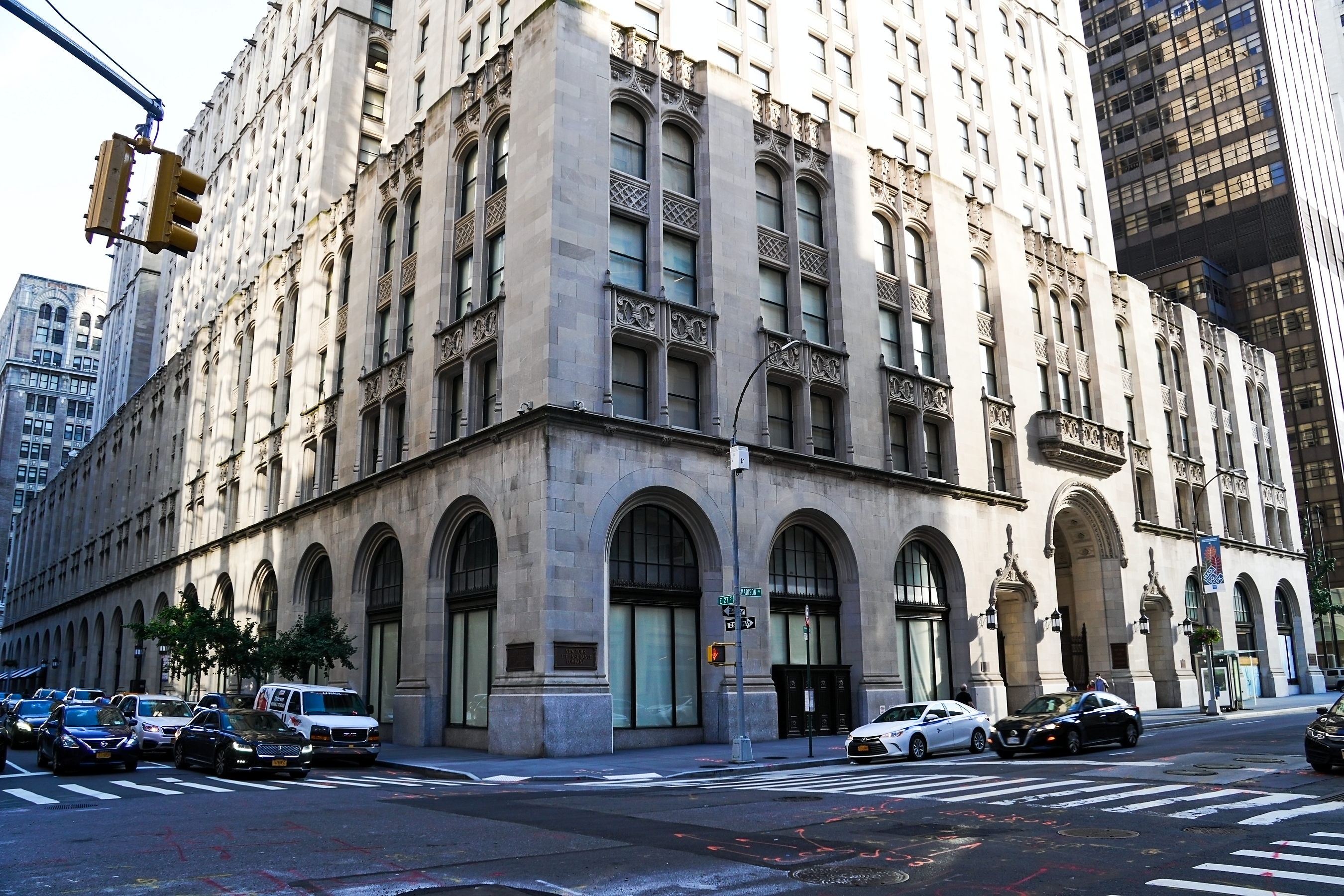
Legacy J-51 covered qualifying renovation or conversion work, not new-construction 421-a work. HPD states that work completed after June 29, 2022 is not eligible under the old program.
J-51 Reform, or J-51 R, is a separate program created under state and local law for qualifying rehabilitation. HPD states that eligible construction must be completed after June 29, 2022 and on or before June 29, 2026. A condominium or cooperative homeownership building must satisfy an average assessed-value limit of no more than $45,000 per dwelling unit at commencement.
J-51 R benefits are based on certified reasonable construction cost. HPD describes an abatement of up to 8 1/3% of certified reasonable cost per year for up to 20 years, capped at 70% of approved certified costs. It does not mean every unit receives the same reduction or that incentives can always be layered.
Ask whether the building has legacy J-51, J-51 R, 421-a, the owner abatement, or none. Review the certificate, tax history, completion date, application, and restrictions. “J-51 eligible” is not enough.
Tax lot and BBL verification

A tax lot is not just an address label. NYC’s Borough-Block-Lot number identifies the parcel used in city property records. A condominium can also have a condominium billing lot, unit tax lot, suffix, unit allocation, and effective tax year. Those identifiers matter when matching a unit to a benefit record, deed, tax bill, or recorded filing.
Use the Property Information Portal to review assessed value, exemptions, lot history, condominium information, and unit tax-lot data. Use ACRIS to confirm deeds and transfer-tax filings. If identifiers do not match, have counsel or the managing agent reconcile them before relying on a tax projection.
The Condominium Act provides for separate assessment and taxation of each unit and its common interest. That structure explains why a condo buyer’s bill can differ from another unit in the same building, even though both units share the same general program history.
Sponsor representations and the offering plan

The New York Attorney General advises buyers to read the entire offering plan and consult an attorney before signing. The plan governs material terms of the sponsor’s offer. A sales brochure, rendering, or verbal promise is not a safe substitute for the plan or contract.
If a sponsor or representative promises a specific tax amount, benefit duration, sponsor-paid tax credit, or post-closing protection, require the representation in writing. The Attorney General specifically recommends putting material representations that are not clearly in the offering plan or purchase agreement into a written rider or other written agreement.
Request the offering-plan section describing taxes, projected common charges, unit allocation, sponsor obligations, amendments, restrictions, and special risks. Compare those statements with the DOF record and the most recent tax bill. A discrepancy is a reason for legal review, not a reason to choose the more favorable number.
Special assessments and mortgage underwriting

A condo special assessment is a building charge, not a property-tax abatement. It may fund façade work, elevators, roofs, structural repairs, mechanical systems, legal costs, insurance gaps, or reserves. It may be due in one payment or installments. It may also be approved but not yet fully billed.
Request the budget, reserve study, audited financials, minutes, engineering or inspection reports, assessment notices, and payment schedule. Ask whether an assessment is proposed, approved, deferred, financed, or unpaid, and whether a seller’s payment leaves later installments.
Fannie Mae requires lenders to review current or planned special assessments and document the reason, amount, terms, project impact, and borrower qualification for an outstanding amount. If the assessment relates to safety, soundness, structural integrity, or habitability, the related repairs generally must be completed for the project to be eligible for sale to Fannie Mae.
Fannie Mae’s March 2026 guidance also changes project-review and reserve rules on specified future dates. Limited Review is retired for applications dated on or after August 3, 2026. The minimum replacement-reserve allocation rises from 10% to 15% for Full Review applications dated on or after January 4, 2027.
These dates do not turn every 2026 purchase into a 15% underwriting case, but they make lender confirmation especially important.
Buyer Strategy: underwrite the reset, not today’s teaser

Consider One Wall Street only as a documented FiDi condominium example: the Attorney General plan records 566 residential units and one commercial unit. That record does not establish the building’s tax benefit or any unit’s current taxes. Every buyer needs the unit-specific DOF record.
Model Three Cost Cases
A prudent buyer should calculate monthly carrying costs under at least three cases: the current benefit, each known phaseout step, and full post-benefit taxes. Add common charges, mortgage principal and interest, insurance, owner-paid utilities, and any special-assessment installment.
Ask the sponsor for the exact benefit record and written tax assumptions. Ask the board or managing agent for renewal history and assessments. Ask the lender to review the project before the contract deadline. Have independent counsel compare the offering plan, amendments, DOF records, and contract language.
For an illustration only, if verified taxes rise from $300 to $1,200 per month after a benefit expires, the difference is $900 monthly or $10,800 yearly. That is not a forecast for any unit; model its actual DOF schedule and tax-rate changes.
Do not pay a premium for an abatement that cannot be documented. Do not assume a tax benefit transfers unchanged to a new owner. Do not treat an estimated tax number as permanent. If the post-benefit payment is unaffordable, the apartment is not affordable at the current teaser cost.
For building-specific review and a realistic FiDi carrying-cost discussion, TheNewYorkCityBroker.com/contact-me.
Frequently Asked Questions
A buyer cannot assume that a 2026 Financial District condo qualifies for a new 421-a benefit. Ask whether the project qualified under a specific program and met its construction and affordability milestones. The later 421-a(16) program generally covered projects commencing by June 15, 2022, with a normal completion deadline of June 15, 2026. Its homeownership Option D excludes Manhattan.
A limited 2024 extension can move that completion deadline to June 15, 2031 for projects that filed the required Letter of Intent by September 12, 2024 and selected Options A, B, D, E, or F. Options C and G retained June 15, 2026. This is a completion rule, not a blanket extension of every benefit term.
A qualifying building may continue receiving an approved benefit after its program window closes. Verify the benefit start year, end year, current schedule, base value, and phaseout in DOF records. “421-a building” is not enough.
485-x is the Affordable Neighborhoods for New Yorkers program for qualifying new construction and conversions. HPD states that eligible projects generally commence after June 15, 2022 and by June 15, 2034, and complete by June 15, 2038. It contains rental and homeownership options.
The Manhattan limitation is crucial. Option D requires at least six units, an assessed-value-per-square-foot limit, and a written five-year primary-residence commitment, but HPD states that a homeownership project cannot be in Manhattan. A Financial District condo needs a different documented basis for any 485-x claim.
No. The board or authorized agent applies for the development. The buyer must satisfy unit conditions including primary residence, ownership limits, a recorded condo deed or transfer-tax filing, and restrictions on business or sponsor ownership.
Purchase on or before January 5 generally allows consideration for the coming tax year beginning July 1; a later purchase usually waits until the following year. The board’s filing deadline is generally February 15, with a next-business-day rule when applicable.
Confirm application and renewal history. The benefit can be unavailable when the development receives an incompatible J-51 or 421-a benefit.
No. J-51 concerns qualifying rehabilitation, while 421-a concerns qualifying new multifamily construction. Legacy J-51 does not accept work completed after June 29, 2022. J-51 R is separate and covers eligible rehabilitation completed after that date and by June 29, 2026.
J-51 R includes a $45,000 average assessed-value-per-unit limit for qualifying condo or co-op homeownership buildings at commencement. The benefit is based on certified reasonable cost, not purchase price. Ask for the certificate, tax history, approved cost, completion date, and application.
It depends on the contract, offering plan, board resolution, assessment terms, and closing agreement. A seller may pay, credit, or remain responsible for installments, but the obligation must be written. “Paid in full” does not prove there is no future assessment.
Request the notice, board resolution, purpose, amount, schedule, and payment evidence. Tell the lender and appraiser. Fannie Mae requires review of current and planned assessments, and safety-related assessments can affect eligibility until repairs are complete.
Request the latest tax bill, Notice of Property Value, DOF benefit record, BBL and unit tax-lot information, offering plan and amendments, current and projected common charges, budget, audited financials, reserve study, minutes, engineering reports, inspections, and assessment notices.
Request the statutory program, benefit dates, phaseout, base value, primary-residence conditions, and expected post-expiration taxes in writing. Ask the lender to confirm project review before the contract deadline. Have independent counsel put material sponsor promises into the contract or a signed rider.
Compare the documented cost during the benefit, through phaseout, after expiration, and after known assessments. For a FiDi tax-abatement review, or another NYC buying plan, TheNewYorkCityBroker.com/contact-me.