
A buyer can be fully preapproved and still lose financing because the condominium project does not qualify. That is the central fact behind financing a new development condo in Manhattan: the lender evaluates both the borrower and the building, and those decisions can move on different timelines.
A sponsor purchase can remain under contract longer than borrower documents, an appraisal, or a rate lock remains current. By closing, the lender may need refreshed income, assets, employment, credit, insurance, project documents, and valuation evidence. Qualifying once is not the same as remaining ready to fund.
Before modeling the loan, review how new development condos work in Manhattan so the sponsor, offering plan, deposit, and closing sequence are clear.
Preapproval, Commitment, Project Approval, and Clear to Close
A preapproval is a preliminary lender view based on borrower information and assumptions. It is not a guaranteed loan offer, and the expiration date is lender-specific. Prequalification and preapproval terminology also varies, so ask what documents were reviewed and what remains unverified.
A loan commitment is a more formal conditional promise tied to a transaction. It can remain subject to appraisal, title, insurance, project eligibility, updated borrower information, stated conditions, and no material adverse change. Project approval is separate: the lender determines whether the condominium satisfies the rules for the chosen program.
Clear to close comes after required underwriting conditions are reported satisfied for scheduling. It is a major milestone, not immunity from later change. New debt, altered employment, missing funds, an expired certificate, insurance problems, or a material project development before funding can still matter.
The Lender Underwrites the Building Too

The lender may request a condominium questionnaire, plan documents, budgets, financial statements, insurance, engineering material, litigation information, and construction or certificate evidence. Fannie Mae Form 1076 is optional; a lender may use its own form or other documentation. Review commonly covers sales, sponsor ownership, owner occupancy, completion, reserves, delinquencies, commercial space, assessments, repairs, and safety issues.
A strong borrower cannot cure an ineligible project, and an eligible project does not approve the borrower. Ask which review path applies, whether the loan is agency, portfolio, or jumbo, what information is outstanding, and how long the project determination remains usable.
A prior financed closing is useful history, not a guarantee. Insurance, litigation, budget performance, sponsor ownership, construction, agency rules, and lender overlays can change. The lender must make a current decision for the project, unit, borrower, and loan.
Presales, Sponsor Concentration, and Project Status

For a Fannie Mae Full Review of a new or newly converted condominium, at least 50% of the units in the project or applicable legal phase generally must have been conveyed or be under bona fide contract to principal-residence or second-home purchasers. The test is program-specific and is not simply a count of closed units. Portfolio, jumbo, Freddie Mac, and FHA standards may differ.
Fannie Mae also applies single-entity ownership limits. The general rule differs by project size and includes exclusions and possible waiver conditions, so do not attach one concentration percentage to every sponsor or investor. Confirm how unsold sponsor units, bulk ownership, legal phases, and actively marketed vacant units are treated under the exact review path.
Fannie Mae generally treats a project as new when construction is incomplete, fewer than 90% of units have conveyed, phasing or annexation remains, the project is newly converted, or the developer retains association control. A narrow established-project exception can apply to qualifying developer rental holdbacks. An effective Attorney General plan is not lender project approval.
Current Manhattan Examples

660 Lexington, Also Known as 133 East 55th Street
Attorney General plan CD240072 lists 31 residential units, one commercial unit, and one professional unit. The plan was accepted January 6, 2025, but the public record does not display an effective date. Construction reporting in March 2026 described final work as wrapping up. DOB NOW shows an Initial CO record marked issued on August 20, 2026 for 31 dwelling units, but the actual certificate should be reviewed before calling it final or temporary.
Malabar Residences at 126 East 57th Street
Plan CD240247 lists 145 residential and two commercial units and was accepted April 14, 2025; no effective date is displayed. Construction reporting described the project as nearing completion in early 2026. DOB NOW shows an Initial CO record issued June 22, 2026 and a renewal-without-change record issued September 18, 2026 for 145 dwellings. Review the actual certificate before describing its status as final or temporary.
80 Clarkson and 262 Fifth Avenue
Plan CD240208 for 80 Clarkson lists 113 residential, four commercial, 105 parking, 104 storage, and 66 other units. It became effective February 24, 2026. August reporting described facade and interior work as ongoing with completion targeted for December 2026. Those mixed-use and ancillary-unit facts give the lender more project documents to review; they do not prove ineligibility.
Plan CD170319 for 262 Fifth Avenue lists 26 residential, 23 parking, and 29 storage units. It was accepted December 10, 2024, but no effective date is displayed. July 2026 reporting described the tower as under construction with completion targeted for December. Appraisal and jumbo-loan implications remain lender- and transaction-specific rather than established building facts.
50 West 66th Street
Plan CD180494 lists 127 residential, two commercial, and 164 storage units. It was accepted February 10, 2020 and became effective April 19, 2024. An amendment accepted in May 2025 disclosed temporary-certificate-related arrangements and escrow, which is not the same as proving DOB issuance. Construction was reported complete on August 21, 2026, but the current DOB certificate should still be verified before describing the building as holding a final CO.
For a transaction-specific lender and project review before signing, contact Brett to identify what is approved and what remains outstanding.
Reserves, Delinquencies, Insurance, and Litigation

For Fannie Mae Full Review applications in 2026, the traditional budget benchmark is replacement reserves of at least 10% of annual budgeted assessment income, subject to the governing review rules. Fannie Mae and Freddie Mac announced a 15% minimum for applicable Full Review applications dated or received on or after January 4, 2027.
Separate policy changes apply beginning August 3, 2026. Where a qualifying reserve study is used, funding must follow the highest recommended allocation and the baseline funding method is prohibited under the announced rules. Limited or streamlined review changes also apply. Always check the application date and current guide rather than using a future percentage early.
Fannie Mae Full Review generally permits no more than 15% of units to be 60 or more days delinquent on regular assessments, with a separate test for each special assessment. The lender also reviews required master property, liability, flood where applicable, and fidelity or crime coverage. A certificate of insurance alone may not establish every required term, limit, deductible, endorsement, or replacement-cost condition.
Litigation is not automatically disqualifying. Matters involving safety, structural soundness, habitability, functional use, critical repairs, or significant deferred maintenance receive closer treatment and can make a project ineligible. Engineering reports and special assessments may be part of the review.
Appraisal Timing and Low-Appraisal Risk

Under federal appraisal-copy rules, a creditor generally must provide copies of appraisals and other written valuations promptly upon completion or no later than three business days before consummation, whichever is earlier, subject to applicable waiver rules. That delivery deadline is different from the lender’s internal ordering and review schedule.
If value is below contract price, loan proceeds may be calculated from the lower supported value under the applicable loan-to-value rules. The buyer may seek reconsideration of value, renegotiate, bring more cash, change the loan, or use rights in the contract. A low appraisal does not automatically cancel a sponsor agreement or require a price reduction.
On a $2 million contract with an intended 80% loan, the planned mortgage is $1.6 million. If the appraisal is $1.9 million and the lender caps proceeds at 80% of appraised value, the maximum loan is $1.52 million. The buyer must contribute $480,000 toward price, which is $80,000 more than the original $400,000 plan.
Rate Locks Over a Long Sponsor Timeline

CFPB consumer guidance describes common lock periods such as 30, 45, or 60 days, while lenders may offer other terms and extended new-construction products. A delayed sponsor closing can require a paid extension, relock, or new lock. Duration, pricing, extension rules, and favorable treatment are lender-specific.
A float-down is a product feature, not a legal entitlement. Confirm eligibility, fee, timing, frequency, and what happens if credit, income, loan amount, down payment, appraisal, occupancy, or closing date changes. Compare the extended-lock cost with rate risk and the sponsor’s notice and outside-date provisions.
Deposits, Escrow, and Financing Contingencies

A 10% sponsor deposit is common market practice, not a universal legal amount. The offering plan and contract may require a different percentage or staged installments. Confirm the schedule, escrow agent, bank, account, interest treatment, release conditions, and handling of upgrade payments.
Escrow protects custody and segregation. It does not make the deposit freely refundable if the buyer changes course or cannot obtain financing. A financing contingency must be written into the contract and followed exactly. Sponsor forms may limit or omit protection, set application and commitment deadlines, require diligent pursuit, and distinguish borrower denial from project ineligibility.
Completion, TCO, and Closing Timing
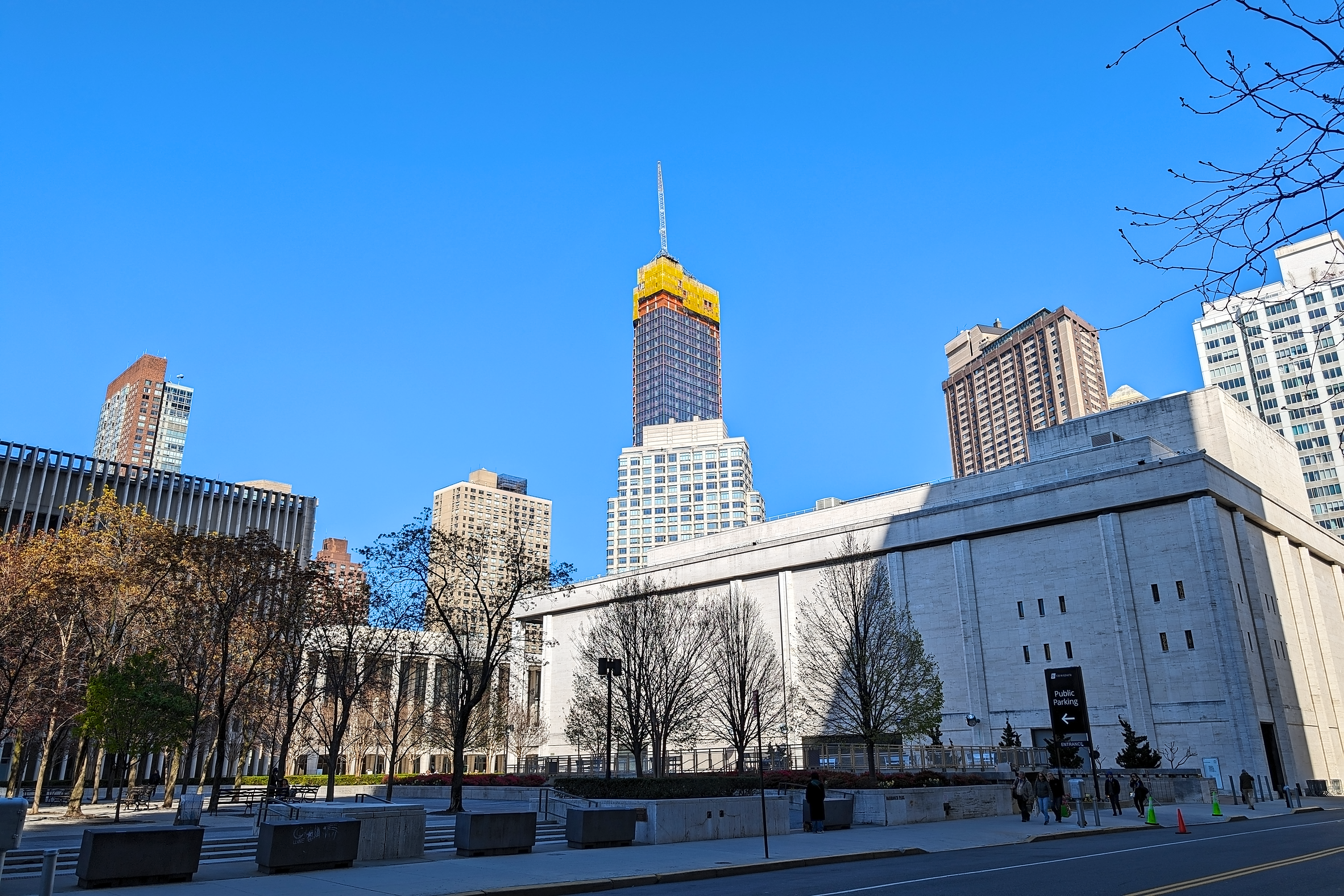
A new-project Full Review generally requires the relevant project or legal phase to satisfy completion and occupancy evidence under the selected program. Unfinished facilities, defects, phases, or common elements may require additional documentation or assurances. The offering plan’s effectiveness does not replace this lender analysis.
NYC DOB says a temporary certificate can permit occupancy while final items remain. A TCO typically expires after 90 days and may be renewed, but renewal is not automatic. Confirm that the actual certificate and schedule cover the unit and intended use, what work remains, the sponsor’s final-certificate obligation, and whether the lender and insurer will proceed.
Projected delivery dates are not guarantees. The purchase agreement controls notice, extensions, outside dates, delay remedies, and deposit risk. Coordinate those terms with project review, appraisal timing, document expiration, and the rate-lock policy.
What $2 Million Requires in Cash

Assume a $2 million Manhattan sponsor condo, 20% down, a $1.6 million mortgage, and a contract shifting ordinary seller transfer taxes to the buyer. The down payment is $400,000. The 1% New York State mansion tax is $20,000, and the 0.25% New York State supplemental tax applicable to NYC residential conveyances is $5,000.
The customary borrower mortgage-recording-tax share on a qualifying $1.6 million residential loan is 1.925%, or $30,800. The statutory total is 2.175% when the mortgagee pays the separate 0.25% component. Nominal shifted seller taxes are $8,000 of NYS base transfer tax and $28,500 of NYC RPTT.
Those core items total $492,300 before buyer attorney, sponsor counsel, title and search costs, lender and appraisal charges, recording, move-in fees, working capital, prepaid interest, escrows, and adjustments. This is an itemized illustration, not a universal quote. Percentage planning ranges can double-count items unless their contents and assumptions are stated clearly.
Changes in the Buyer’s Finances

Lenders can reverify employment, income, assets, debts, credit, and funds before closing under program and lender rules. Fannie Mae timing, for example, differs between employment income and self-employment income and can be affected by validation alternatives. Do not assume every lender refreshes every item on the same schedule.
A move from salary to self-employment, new car loan, co-signed debt, business borrowing, high revolving balances, or undocumented deposit can change qualification. Discuss material changes before they occur when possible, preserve account trails, and provide documentation promptly.
Choosing the Lender

Ask whether the lender finances new and newly converted Manhattan condos, which review path applies, and whether it has reviewed the exact project. Ask what remains outstanding, who controls the project decision, whether approval is conditional, and how long it remains current.
Compare appraisal timing, extended locks, float-downs, extension costs, preferred-lender incentives, construction and certificate requirements, insurance review, contingency deadlines, rates, fees, reserves, and future refinancing. A slightly better rate is useless if the lender cannot approve the project or meet the contract timetable. A sponsor-preferred or portfolio lender may offer flexibility, but it is not automatically the best total option.
If You Are Selling a Resale Against New Development

A resale can offer more predictable financing when the condominium has operating history, closed comparables, current financial statements, established insurance, and a documented reserve record. Explain those strengths with current records rather than promising an effortless closing or universal lender approval.
A resale buyer may also avoid sponsor-shifted transfer taxes, sponsor counsel, and working-capital charges. Compare total buyer cash with the actual sponsor contract and current concessions because some sponsors pay taxes or offer credits. Price against closed sales in the building and line, not a sponsor’s published sheet.
Prepare current financials, insurance policies and endorsements, reserve information, assessments, litigation disclosures, engineering material, waiver requirements, and the questionnaire contact before listing. Identify recent financed closings as context, not guarantees. If an assessment, lawsuit, repair, or insurance issue may affect eligibility, disclose it accurately and price with it in mind. Financing certainty is persuasive only when the project file supports it.
Financing a New Development Condo: Get the Order Right

Speak with a lender before contract, confirm borrower and project requirements, negotiate financing protection, understand the deposit and closing timetable, model low-appraisal and rate-lock risk, and reserve cash beyond the planned down payment. Both the building and borrower must remain financeable until funds are released.
If you are financing a Manhattan new-development condo or another New York City purchase, contact Brett to compare the lender path, project status, and closing cash.
Frequently Asked Questions
Yes, but the lender must approve both the borrower and the condominium project. Borrower review covers income, assets, credit, debts, down payment, and valuation. Project review can cover presales, sponsor or single-entity ownership, completion, insurance, budget, reserves, delinquencies, litigation, commercial space, assessments, engineering reports, and repairs. Preferred, portfolio, jumbo, Fannie Mae, Freddie Mac, and FHA programs may use different standards. Ask which program and review path applies, what remains outstanding, and whether approval is conditional. A prior financed closing is useful history but does not guarantee current eligibility or approval for a new borrower and unit.
The expiration date is lender-specific and appears on the letter or lender communication. Some lenders use periods around 30 to 90 days, but there is no universal legal duration. Rate locks are separate and may use terms such as 30, 45, or 60 days or longer products. A sponsor transaction can outlast both, so the borrower may need updated income, assets, credit, employment, appraisal, insurance, and project documents. A preapproval is not a commitment, project approval, or clear to close. Ask exactly what was verified, what must be refreshed, and how employment, debt, down payment, valuation, or timing changes affect the decision.
For a Fannie Mae Full Review of a new or newly converted condominium, at least 50% of units in the project or applicable legal phase generally must have conveyed or be under bona fide contract to principal-residence or second-home purchasers. Portfolio, jumbo, Freddie Mac, FHA, and preferred-lender standards can differ. Counting also depends on the legal phase and qualifying purchaser type, not simply the number of closings. Completion, sponsor or single-entity ownership, reserves, insurance, delinquencies, litigation, commercial space, assessments, and critical repairs may create separate requirements. Attorney General plan effectiveness is not the same as lender presale compliance or project approval.
A low appraisal can reduce proceeds because the lender applies its loan-to-value rule to the supported value. The buyer may request reconsideration of value, renegotiate, bring additional cash, alter the loan, or use rights in the contract. It does not automatically cancel the deal or require the sponsor to reduce the price. On a $2 million contract, an intended 80% loan is $1.6 million. If the appraisal is $1.9 million and the lender lends 80% of appraised value, the maximum loan becomes $1.52 million and the buyer needs $480,000 toward price, which is $80,000 more than the original plan, before other closing costs.
Yes, but the duration, price, extension policy, relock rules, and float-down terms are lender-specific. Consumer guidance describes common periods such as 30, 45, or 60 days, while some lenders offer longer products for construction or sponsor transactions. A delayed closing may require a paid extension or new lock, and favorable treatment is not guaranteed. A float-down applies only when the written program permits it. Material changes to credit, income, loan amount, down payment, appraisal, occupancy, or closing date may also affect pricing. Compare the lock expiration and extension cost with the sponsor’s notice provisions and outside date before committing.
Under the stated illustration, 20% down is $400,000. Buyer mansion and NYS supplemental taxes total $25,000. The usual borrower mortgage-recording-tax share on a qualifying $1.6 million residential loan is about $30,800. If the contract shifts ordinary seller taxes, nominal NYS base transfer tax and NYC RPTT add $36,500. Those core items total $492,300 before title and search charges, buyer and sponsor attorneys, lender fees, appraisal, recording, working capital, move-in charges, prepaid interest, escrows, and adjustments. The final wire depends on the offering plan, contract, mortgage structure, available credits, concessions, taxable consideration, and current third-party quotes, so obtain an itemized estimate before signing.