
If you are comparing Financial District vs Battery Park City, do not begin with a fixed neighborhood price gap. Public 2026 snapshots use different periods, property mixes, and sample sizes, and the available data do not support the original claim that Battery Park City is consistently $550,000 more expensive. The meaningful comparison starts with the building, ownership structure, monthly costs, and transaction date.
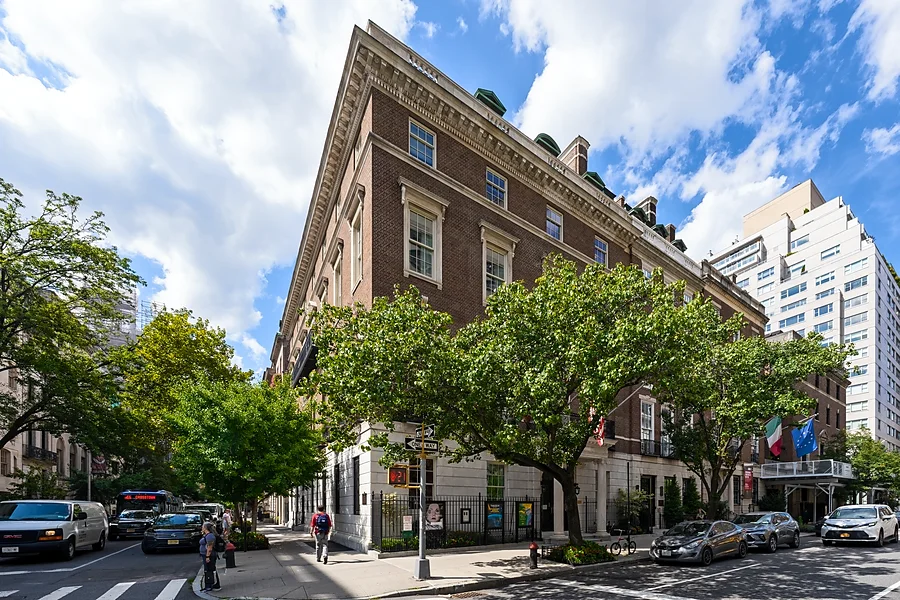
The two neighborhoods meet along West Street, with Battery Park City on the waterfront side and the Financial District immediately east. They were developed differently, and those histories still shape the inventory buyers see today. FiDi combines office conversions with ground-up towers. Battery Park City is a planned community built on Battery Park City Authority land, with residential buildings operating through ground subleases.
Why the Price Gap Changes Depending on the Data

Neighborhood medians can reverse depending on the source and time window. Redfin’s February 2026 Battery Park City snapshot reported a $1,036,125 median sale price across 24 sales and approximately $1,450 per square foot. A separate September 2026 report covering the prior 90 days placed the Financial District median sale price around $994,000 across 40 sales. These periods and methodologies are not directly comparable.
Dynamic StreetEasy neighborhood pages have displayed median-sale figures around $980,000 for Battery Park City and $1.1 million for FiDi. Those live pages can change, so record the access date and quote the metric exactly. Other articles and dashboards may report asking prices instead. That disagreement often reflects different dates, transaction types, sponsor inventory, and samples rather than a simple error.
The practical rule is simple: never call one number the actual price gap unless the source, period, property type, and transaction counts match. For an apartment decision, use recent sales in the same building and genuinely comparable buildings.
How Each Neighborhood Was Built

Financial District
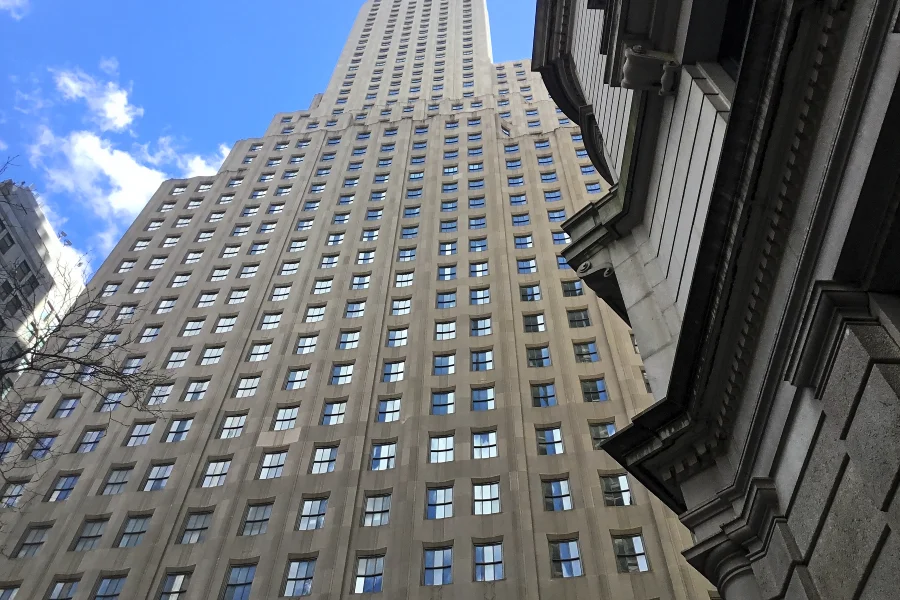
The Financial District includes office conversions and ground-up construction. One Wall Street is a 566-residence office-to-condo conversion centered on a tower completed in 1931. Unit 3304 closed for approximately $9.08 million in August 2025. That is a building-level trophy sale, not a neighborhood benchmark.
130 William is a ground-up condominium with 244 residences in its New York Attorney General legal plan, while later marketing commonly uses 242. Dated 2025 penthouse sales were approximately $7.08 million and $7.7 million. Those are high-end examples rather than typical FiDi prices. The neighborhood also includes conversions such as 99 John Street and Greenwich Club, plus ground-up buildings such as 15 William, 77 Greenwich, and 125 Greenwich.
Battery Park City
Battery Park City occupies approximately 92 acres owned by the Battery Park City Authority. BPCA describes 30 residential buildings, including 18 condominium buildings and 12 rental buildings. BPCA leases development sites to building owners, so third-party-owned buildings operate through ground leases or subleases. A purchaser should confirm the exact leasehold or ownership interest in the plan, declaration, lease, and unit documents.
Riverhouse, Visionaire, Liberty House, Battery Pointe, Millennium Tower Residences, and River & Warren are condominium examples on BPCA-leased land. The Solaire and Tribeca Green have been described inconsistently in public marketing as co-op, condop, or condominium structures. Their New York Attorney General plan and current governing documents should control rather than a listing label.
Dated Battery Park City closings show a wide range. Riverhouse examples included $1,087,500 in April 2026, $1.24 million in July 2025, and approximately $3.65 million in September 2025. A Solaire residence sold for $2.795 million in May 2026. Unit size, ownership form, lease terms, and building economics matter more than a single neighborhood median.
Financial District vs Battery Park City: Ownership and Monthly Costs
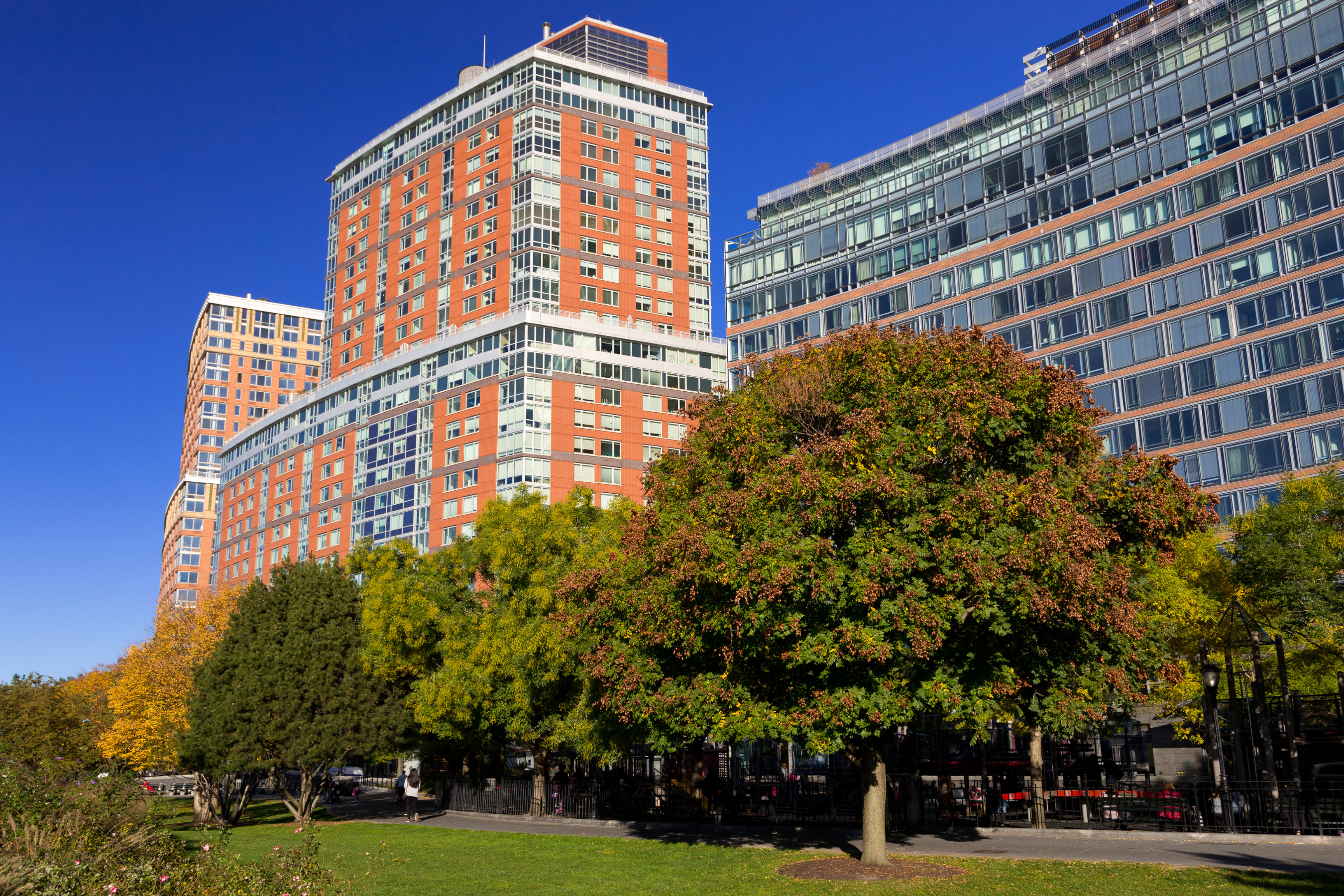
The biggest structural difference is not simply condo versus co-op. Battery Park City overlays residential ownership with BPCA ground leases and PILOT, or payments in lieu of taxes. BPCA reported in 2022 that PILOT represented approximately half of common charges and ground rent approximately 15% on a broad neighborhood estimate. Those percentages are not universal building formulas.
Review the ground lease, amendments, remaining term, reset dates, reset formula, PILOT calculation, common-charge allocation, reserve plan, and any building-specific stabilization agreement. BPCA says condominium ground leases contain reset provisions, but formulas and dates differ. River & Warren, for example, received a building-specific stabilization agreement through 2036. Do not assume another building has the same protection.
In FiDi, the diligence question is more often the building’s conversion history, sponsor status, operating record, reserves, insurance, and common-charge structure. A converted office building may have very different layouts and capital needs from a recent ground-up tower, even when the asking prices are similar.
For buyers comparing ownership formats downtown, review Financial District condo and co-op ownership structures before comparing individual buildings.
What the Ground Lease Means for Financing
A Battery Park City leasehold unit may be financeable, but the lender must review both the leasehold documents and the project. Fannie Mae’s leasehold rules include a lease term extending at least five years beyond mortgage maturity plus lender notice, cure, takeover, and foreclosure protections. Ground-rent escalations, insurance, reserves, litigation, sponsor concentration, project debt, and governing documents may affect eligibility, pricing, leverage, or timing under the applicable lender’s rules.
There is no safe basis for saying Battery Park City has no financing caps or complications. Project approval is separate from borrower preapproval. Ask whether the lender has recently financed in that exact building, whether its project review is current, and whether the ground lease satisfies the selected loan program.
FiDi lenders also review project-level risks. Litigation, insurance, reserves, deferred maintenance, owner occupancy, sponsor inventory, and unusual conversion issues can affect financing. A preapproval for the buyer is not the same thing as approval of the building.
If you want a direct comparison of what your budget reaches in these neighborhoods before you offer, reach me at TheNewYorkCityBroker.com/contact-me and I can assist you.
Closing Costs and an Illustrative Cash Comparison
Closing costs depend on property type, price, financing, and contract terms, not the neighborhood name. Percentage ranges are preliminary budgeting heuristics rather than legal rules. Itemize mansion and supplemental taxes, mortgage recording tax, title and lender charges, attorney fees, building charges, sponsor-shifted costs, working capital, prepaid items, and adjustments from the actual contract, lender estimate, and title quote.
Using two dynamic neighborhood-page figures only as illustrations, assume $980,000 in Battery Park City and $1.1 million in FiDi, both with 20% down and a financed resale condo. At $980,000, the down payment is $196,000 and the mortgage is $784,000. There is no mansion tax below $1 million. At a 1.925% assumed borrower mortgage-recording-tax share, that tax is $15,092, producing a simplified subtotal of $211,092 before title, legal, lender, building, prepaid, and adjustment items.
At $1.1 million, the down payment is $220,000 and the mortgage is $880,000. The 1% mansion tax is $11,000, and the assumed 1.925% borrower mortgage-recording-tax share is $16,940. The simplified subtotal is $247,940 before variable charges, a difference of $36,848. The full combined mortgage-recording-tax rate is 2.175%, including a customary 0.25% lender component under qualifying facts.
These medians are dynamic and may not represent the same period or property mix, so the example is a budgeting illustration rather than a market conclusion. Battery Park City’s ground-rent and PILOT structure can also materially affect the monthly comparison after closing.
Mansion and Supplemental Tax Thresholds
New York State generally imposes a 1% buyer-paid mansion tax on residential purchases of $1 million or more. A separate NYC supplemental residential tax begins at $2 million. Together, the buyer-side rates are 1% from $1 million to $1,999,999; 1.25% from $2 million to $2,999,999; 1.5% from $3 million to $4,999,999; 2.25% from $5 million to $9,999,999; 3.25% from $10 million to $14,999,999; 3.5% from $15 million to $19,999,999; 3.75% from $20 million to $24,999,999; and 3.9% at $25 million or more. These rates apply to the relevant entire consideration, not only the amount above each threshold.
At $2.02 million, the mansion tax is $20,200 and the supplemental tax is $5,050. At $1.999 million, the mansion tax is $19,990 and there is no supplemental tax. The direct buyer-tax difference is $5,260. With 20% down and an assumed 1.925% borrower mortgage-recording-tax rate, the simplified cash reduction is $9,783.40: $4,200 less down payment, $5,260 less buyer tax, and $323.40 less borrower mortgage recording tax.
Do not describe the full $21,000 price reduction as cash saved at closing when financing is involved. Only the down-payment portion is paid upfront, while the tax and loan-related savings need their own calculation.
Common Charges Need a Line-by-Line Comparison
Battery Park City condominium carrying costs may include building operations, reserves, master insurance, PILOT, ground rent, and assessments through the common-charge structure. BPCA’s broad estimates are useful context only. Use the actual budget and billing statements so PILOT or ground rent is not added twice.
Ask for the current budget, audited financial statements, lease schedules, reset dates, assessments, reserve balances, and any stabilization agreement. Model future monthly costs under the actual lease rather than assuming today’s charge will continue unchanged.
In FiDi, compare current common charges and property taxes with sponsor subsidies, commercial income, reserves, insurance, assessments, facade and elevator work, and conversion-related capital plans. Conversion status alone does not prove charges will be higher.
For each apartment, build one property-specific monthly worksheet from the current budget, tax bill or maintenance statement, reserves, assessments, insurance requirements, mortgage terms, and scheduled resets. In Battery Park City, identify whether PILOT and ground rent are already embedded in common charges. For a co-op or condop, confirm whether building real-estate taxes and debt service are already included in maintenance.
Transit and Daily Access
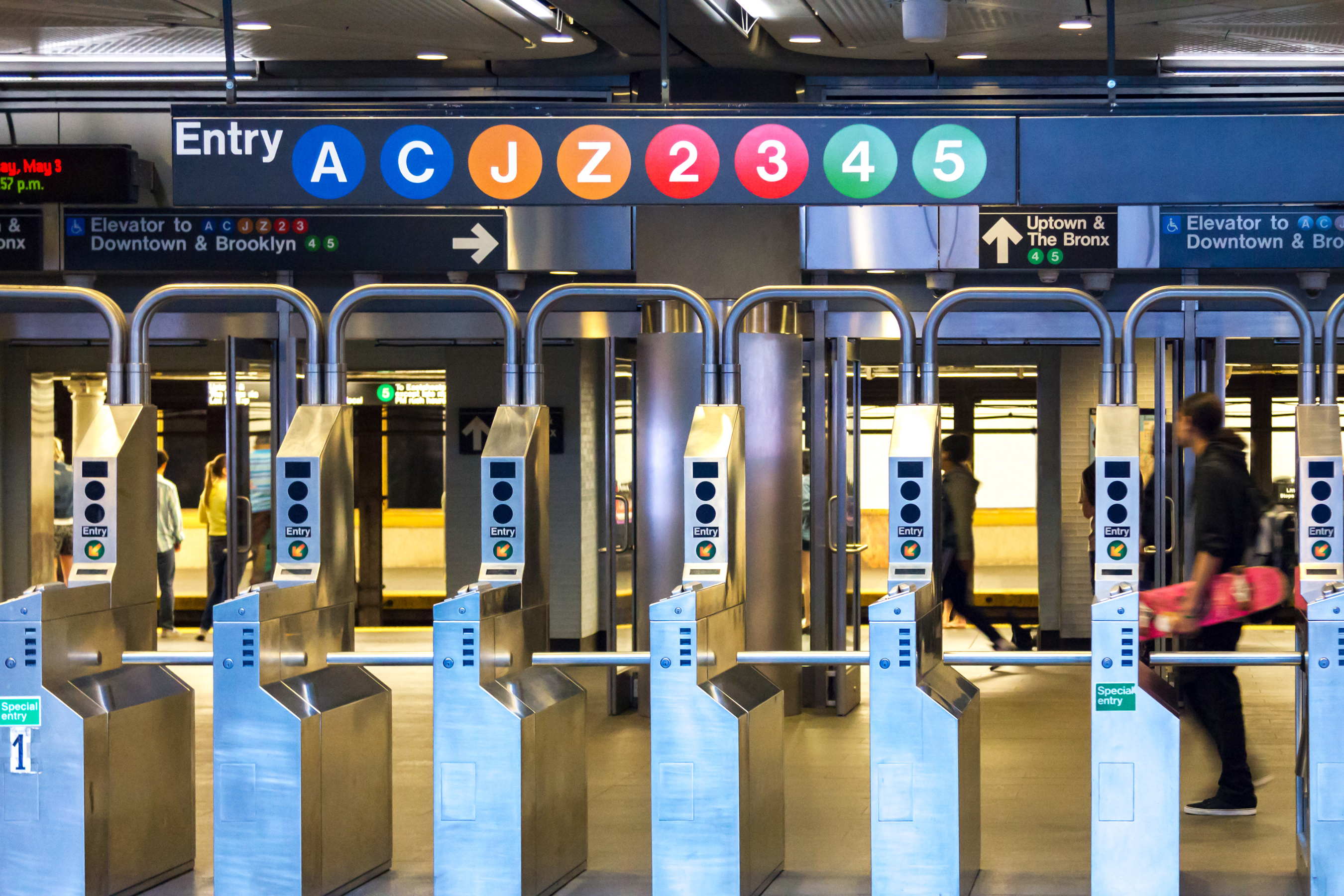
FiDi has direct access to a dense subway network, including Fulton Center and other downtown stations. Battery Park City has no subway station within the neighborhood itself, so buyers typically reach lines east of West Street or use bus, ferry, bicycle, or pedestrian routes.
This is an objective access difference, not a judgment about which neighborhood is better. Check the exact building-to-station route and the transportation options you expect to use. Do not substitute a neighborhood label for an address-level comparison.
If You Are Selling in Either Neighborhood
Price against your building, apartment line, ownership structure, and current competition. A FiDi conversion, FiDi ground-up condo, BPC leasehold condo, and BPC co-op or condop are not interchangeable simply because they are downtown.
In Battery Park City, prepare the ground lease, amendments, PILOT and rent schedules, reset information, current budget, reserves, insurance, and any stabilization agreement before listing. Buyers and lenders will review them, and a late discovery can cause delay or repricing.
In FiDi, prepare financial statements, assessment history, sponsor inventory, conversion records where relevant, insurance, and capital-project information. Compare your resale with sponsor units using total buyer cash, concessions, common charges, and closing timing rather than headline asking price alone.
If your price sits near $2 million, explain the mansion and supplemental tax cliff correctly. Dropping from $2.02 million to $1.999 million reduces direct buyer taxes by $5,260, not $25,000. The seller still gives up $21,000 in price, so any negotiation should compare both sides precisely.
Build a seller net sheet that starts with contract price and separately subtracts negotiated brokerage compensation, seller-side city and state transfer taxes, attorney and managing-agent charges, building or ground-lease transfer fees where applicable, move-out costs, credits, prorations, and the exact mortgage payoff. Buyer-paid mansion and supplemental taxes should remain separate unless the contract shifts them to the seller.
Financial District vs Battery Park City: How to Decide
Begin with the specific building rather than an unsupported fixed price gap. In FiDi, determine whether the property is a conversion, ground-up condo, sponsor sale, or resale. In Battery Park City, identify the ownership form and understand the ground lease, PILOT, monthly charges, reset dates, and lender treatment.
Then compare total cash, all-in monthly cost, apartment condition, building finances, insurance, reserves, assessments, sponsor control, transit access, and resale competition. Those facts settle the decision more reliably than a single neighborhood median.
If you’re comparing these neighborhoods or another New York City property, contact Brett through TheNewYorkCityBroker.com/contact-me to talk through the right next step.
Frequently Asked Questions
Battery Park City can be more expensive in some periods and buildings, but the verified public data do not support a fixed $550,000 neighborhood-wide premium. Redfin’s February 2026 Battery Park City snapshot showed a $1,036,125 median across 24 sales, while a different FiDi report covering a later 90-day period showed about $994,000 across 40 sales. Dynamic StreetEasy pages have also displayed FiDi above Battery Park City. Use same-period, same-property-type data where possible, then compare recent sales in the specific buildings a buyer would actually consider. Before drawing a conclusion, match the same bedroom count, ownership form, age, condition, monthly costs, and transaction date. Small neighborhood samples can move sharply when one unusually expensive or inexpensive apartment closes.
Battery Park City is a planned waterfront community on approximately 92 acres owned by BPCA, while FiDi combines converted commercial buildings with ground-up residential towers. BPC’s third-party-owned buildings operate through ground leases or subleases, adding ground-rent, PILOT, reset, and lender-review questions. FiDi buyers more often focus on conversion history, sponsor inventory, varied building ages, taxes, and capital needs. Neither is automatically better; the apartment, governing documents, monthly costs, financing, and transit needs should decide. For daily use, compare the exact walking route, building services, waterfront access, subway options, and carrying costs rather than treating either neighborhood as one uniform product.
BPCA owns the underlying Battery Park City land and leases development sites to building owners. For condo buyers, the applicable ground lease can affect ground rent, PILOT, common charges, lender underwriting, valuation, and future reset risk. Review the remaining lease term, reset formula and dates, amendments, lender notice and cure rights, and any stabilization agreement. Ask for the current budget and model future costs rather than relying only on today’s charge. A leasehold unit can be financeable, but the lender and attorney must review the exact building documents.
Both neighborhoods have substantial condominium inventory, but neither should be reduced to condos alone. BPCA reports 18 condominium buildings and 12 rental buildings. Public labels for The Solaire and Tribeca Green conflict, so their New York Attorney General plans and governing documents should control. FiDi includes condominiums, rentals, office conversions, and ground-up projects. Condo buyers generally avoid discretionary co-op board approval, but governing documents may require an application and right-of-first-refusal waiver, while lenders apply project-level standards.
Buyers should compare itemized closing costs, mortgage recording tax, mansion and supplemental taxes, title and lender charges, common charges or maintenance, property taxes or PILOT, ground rent, assessments, insurance, reserves, lease resets, and sponsor-shifted costs. In BPC, determine whether PILOT and ground rent are already inside common charges. In FiDi, review sponsor concessions, conversion history, capital work, commercial income, and actual operating results. Also compare transit access, condition, lender project approval, and future resale competition through one cash worksheet and one monthly-cost worksheet. Ask the attorney, lender, and managing agent to confirm every recurring and one-time line so a tax, lease reset, assessment, or sponsor charge is not omitted or counted twice.
The answer depends on price, down payment, financing, and transaction type. In the simplified illustration, a $980,000 financed condo with 20% down requires $196,000 down and $15,092 in assumed borrower mortgage-recording tax, totaling $211,092 before variable fees. A $1.1 million financed condo requires $220,000 down, $11,000 mansion tax, and $16,940 in assumed borrower mortgage-recording tax, totaling $247,940. The examples exclude title, legal, lender, building, prepaid, and adjustment items, and sponsor sales can cost more. Keep additional liquidity for lender reserves, inspections, moving, repairs, and unexpected building charges instead of treating the estimated subtotal as the maximum cash needed.