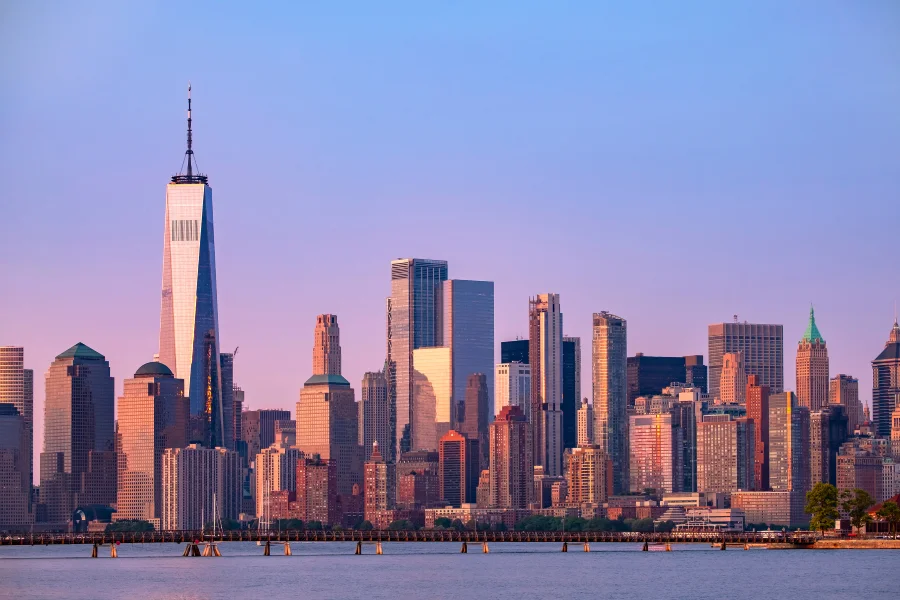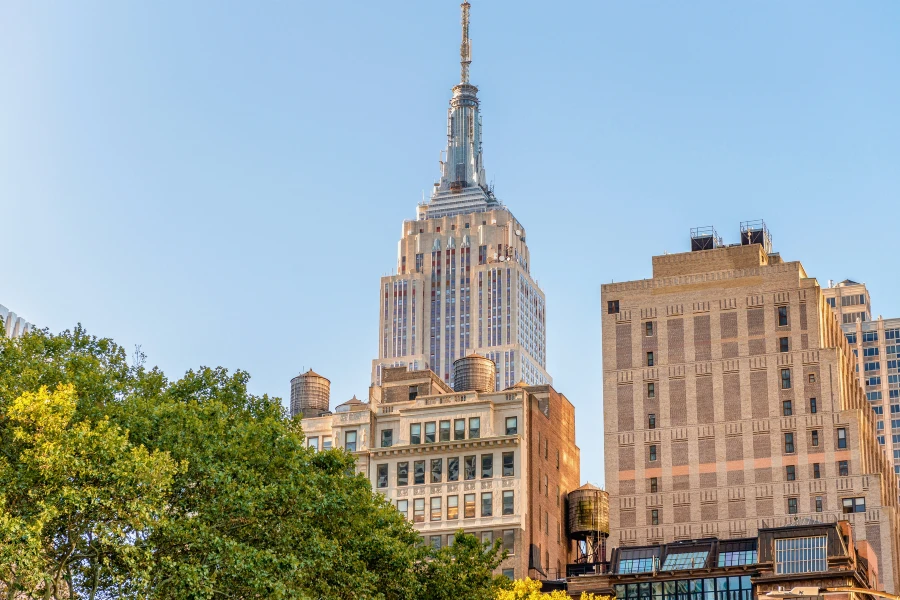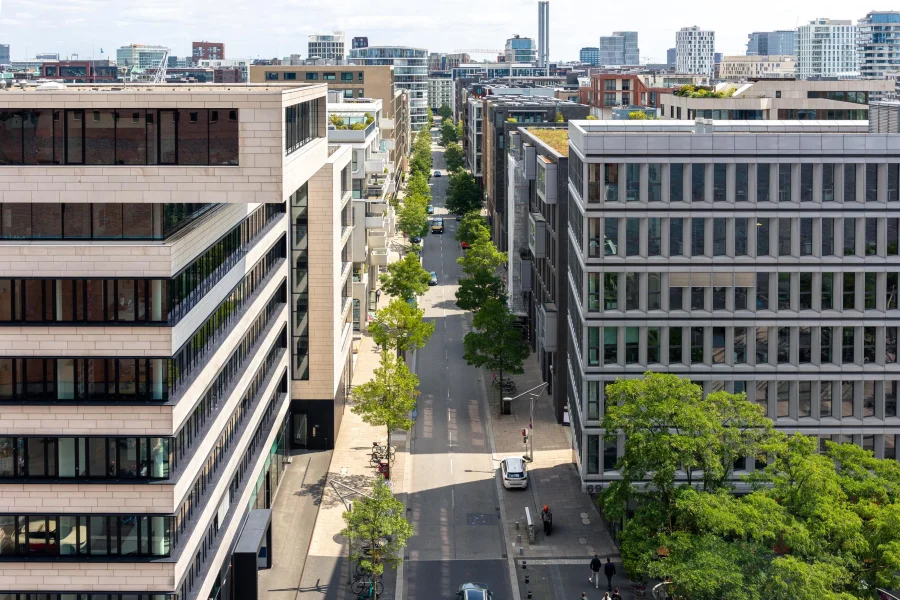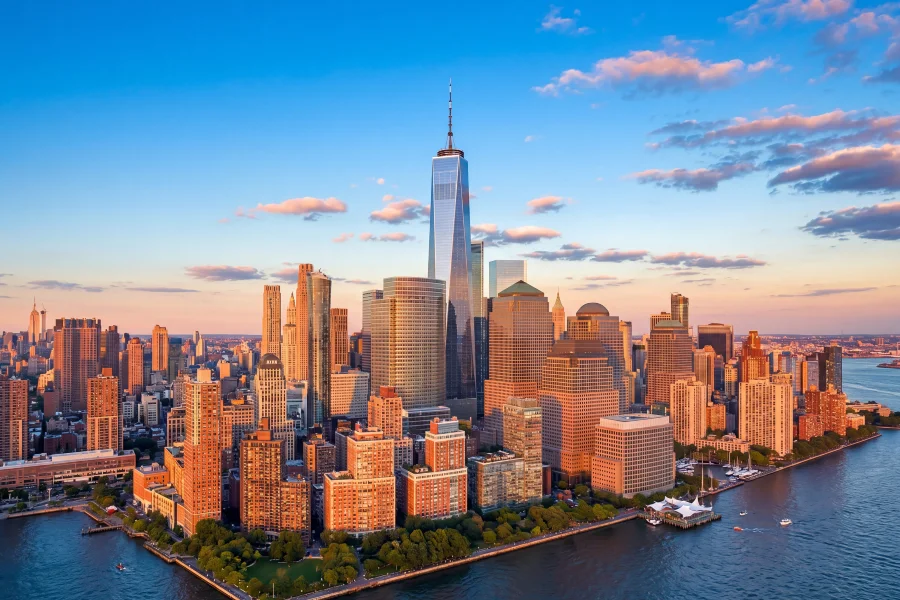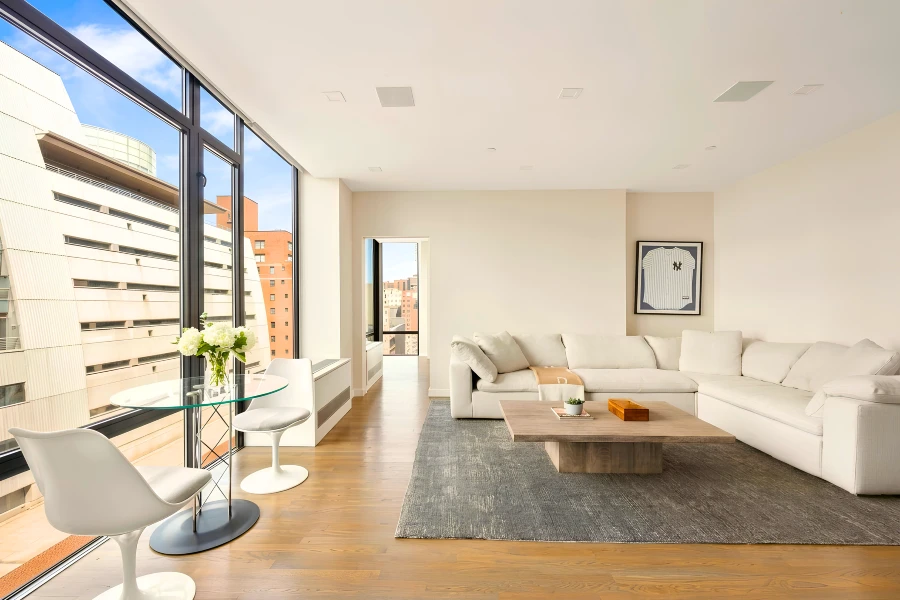

They share a zip code boundary and five minutes of walking distance, but Financial District and Tribeca are not competing in the same real estate market. Tribeca’s median sale price sits around $3.77 million. The Financial District’s median home price is approximately $1.3 million, up 28.1 percent year over year. That is not a slight price difference. It is a completely different buyer universe, a completely different product type, and a completely different investment profile. Buyers who treat these neighborhoods as interchangeable alternatives are making a mistake before they ever see an apartment.
This article gives you the real comparison between FiDi and Tribeca in 2026. What each neighborhood actually delivers, where the price difference comes from, what the daily life distinction looks like in practice, and which buyer each neighborhood is right for. Understanding the financial district condo market analysis can provide valuable insights for potential buyers. By examining trends, amenities, and investment potential, buyers can make informed decisions tailored to their lifestyles. Additionally, it’s essential to consider how these factors differentiate the financial district from other desirable neighborhoods.
For the full FiDi market picture, see our Financial District Real Estate Market Trends 2026.
The Price Gap: What It Reflects and What It Means
The most important number in this comparison is not the median price. It is what those medians are actually buying.
Tribeca’s $3.77 million median reflects a market built on loft conversions with original cast-iron facades, soaring ceilings, exposed brick and timber, generous floor plates, and architectural character that genuinely cannot be replicated anywhere else in Manhattan. The neighborhood is substantially landmarked, which severely limits new development and protects the existing character of the building stock. That scarcity, combined with consistent demand from buyers who have specifically decided they want Tribeca and nothing else, sustains pricing that rarely softens even in broader market downturns.
FiDi’s $1.3 million median reflects a market built primarily on modern glass towers, converted office buildings, and high-rise condominiums with contemporary finishes, strong amenity packages, harbor and river views, and exceptional transit access. The neighborhood’s surge in demand has been driven by buyers who have realized that FiDi offers Manhattan residential quality at prices 15 to 25 percent below comparable product in Tribeca, SoHo, and the West Village.
The price gap between FiDi and Tribeca is real and structural. It is not a temporary discount waiting to close. Tribeca’s building stock is architecturally irreplaceable and its landmarked status ensures it will stay that way. FiDi’s building stock is predominantly new construction and conversions that lack Tribeca’s loft character but deliver contemporary quality that buyers who do not specifically want a loft will find equally compelling.
Character and Daily Life: Two Genuinely Different Neighborhoods
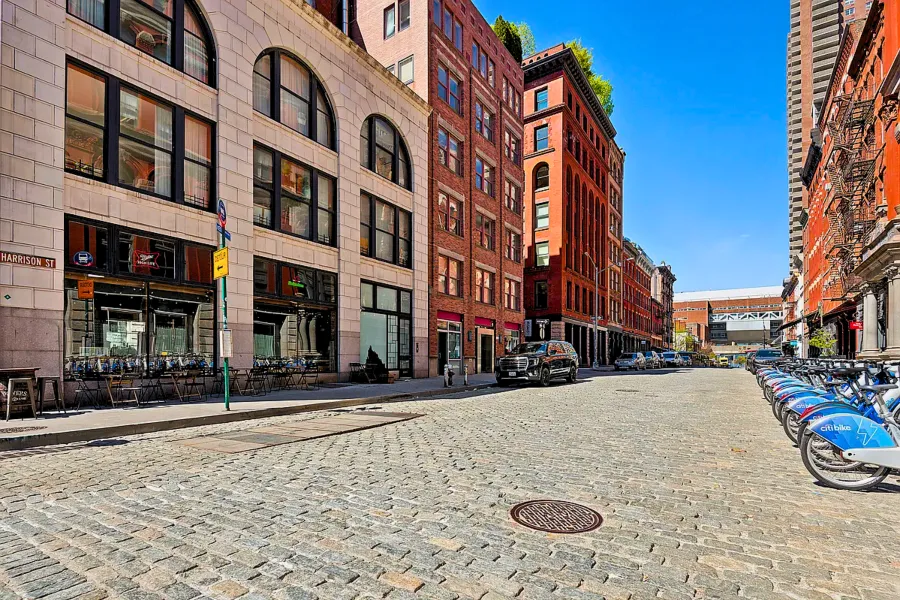
Tribeca: Residential, Architectural, Quiet
Tribeca has a residential character that surprises buyers who have only seen it in photos. The wide cobblestone streets, the low-rise landmarked warehouse facades, the absence of avenue-scale commercial traffic, and the remarkable concentration of Michelin-starred and neighborhood restaurants give Tribeca a quality of daily life that feels more like a village than a Manhattan neighborhood. Celebrities, financiers, and longtime New Yorkers have claimed the neighborhood precisely because it delivers privacy, space, and the irreplaceable character of its building stock.
The loft layouts that define Tribeca are genuinely different from any other residential product in Manhattan. Floor plates that run 2,000 to 4,000 square feet with ceiling heights of 12 to 14 feet, original cast-iron columns and exposed timber beams, and south-facing windows that flood the space with natural light are the standard, not the exception, in Tribeca’s best buildings. Buyers who have lived in these apartments rarely want to leave. The neighborhood’s retention rates are among the highest in Manhattan, directly contributing to the scarcity in the local housing market that sustains pricing.
Tribeca’s commercial life is built around its residents. The dining options, including notable restaurants on Harrison Street, Duane Street, and the surrounding blocks, are concentrated and excellent. Hudson River Park is immediately accessible along the western edge. The neighborhood is walkable to SoHo, the West Village, and the Hudson waterfront in a way that feels genuinely connected rather than adjacent.
Financial District: Modern, Convenient, Actively Transforming
FiDi’s daily life has changed substantially in the past several years and is still changing. The combination of major residential conversions including SoMA at 25 Water Street with 1,320 units, the arrival of Whole Foods, Life Time fitness, and Printemps at One Wall Street, the revitalized Tin Building food hall at the Seaport, and the continued buildout of Battery Park and the Hudson River Greenway has produced a neighborhood that functions as a genuine 24/7 residential environment rather than a commercial district where people happen to live.
FiDi’s building stock is primarily modern. Most residential buildings are glass towers or converted office buildings from the 1960s through the 1990s, and the residential interiors tend toward contemporary finishes with floor-to-ceiling windows, in-unit washer/dryers, and full-service amenity packages. The buildings are excellent at what they do. They are not Tribeca lofts, and buyers who come to FiDi hoping to find that loft character at a lower price will not find it here.
What FiDi delivers instead is arguably the best transit access of any Manhattan neighborhood, with the A, C, E, 2, 3, 4, 5, J, Z, N, R, and W trains all within the neighborhood, waterfront access on three sides of the island, harbor and East River views from upper-floor units, and price points that remain below the Manhattan median per square foot even after a 28.1 percent year-over-year increase in median sale prices.
The weekend energy question is the one that prospective FiDi residents ask most. The neighborhood’s weekday character is driven by office workers and tourists, and the evening and weekend rhythm is noticeably quieter than Tribeca, SoHo, or the West Village. That has been changing as the residential population grows, and the Seaport’s revival has meaningfully improved weekend dining and entertainment options. But buyers who specifically want a neighborhood with active street life seven days a week should factor that in.
Buyer Profiles: Who Each Neighborhood Is Actually Right For
Who Tribeca Is Right For
Tribeca makes sense for buyers whose primary residential priority is the loft itself. The architectural character, the scale of the apartments, and the irreplaceable quality of a true Tribeca loft conversion is the product. If that specific quality matters to you at the level where you are willing to pay a substantial premium to access it, Tribeca justifies its pricing.
Tribeca also makes sense for buyers with long time horizons who want to own in one of Manhattan’s most consistent luxury markets. The neighborhood’s combination of landmarked protection, strong ownership retention, and consistent demand from a highly motivated buyer pool has produced pricing resilience through multiple market cycles that is genuinely exceptional even by Manhattan standards.
Buyers looking to buy in the $2 million to $5 million range who want the most distinctive, architecturally significant product available in Lower Manhattan should put Tribeca at the top of their search even knowing the premium.
Who FiDi Is Right For
FiDi makes sense for buyers who want contemporary Manhattan quality at relative value. The neighborhood’s per-square-foot pricing of approximately $1,200 versus $1,400 or more for Manhattan overall and well above $2,500 for Tribeca represents genuine value for buyers who prioritize modern finishes, building amenities, waterfront access, and transit connectivity over architectural character.
FiDi makes particular sense for buyers who work in Lower Manhattan and want to walk to work, who prioritize harbor and river views from a high floor, who value the specific transit access the Oculus and multiple train lines provide, or who want a full-service condo with a strong amenity package at a price point that Tribeca simply cannot produce.
The neighborhood is also compelling for investors, though buyers should evaluate the building-specific subletting policies carefully. The surge in residential population is creating rental demand that makes FiDi increasingly viable as an investment property in a way that was less true five years ago.
The Investment Comparison
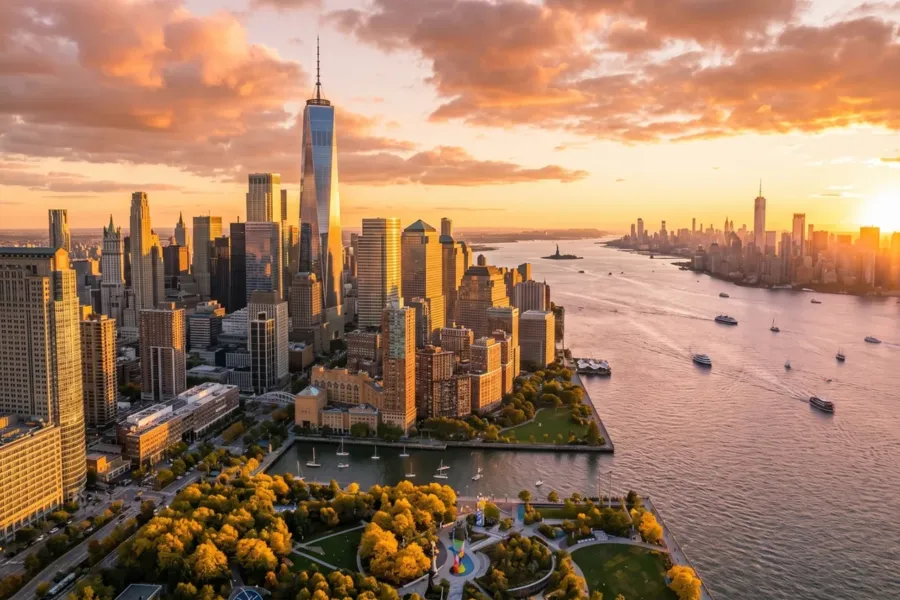
Tribeca has delivered consistent appreciation and excellent price retention through market cycles. The combination of architectural scarcity, landmarked protection, and concentrated demand from serious buyers means that Tribeca properties rarely sell at distressed prices and often achieve strong results relative to purchase price over five or more year holding periods. Median sale prices around $3.77 million in 2025 reflect demand that has remained substantially above the Manhattan median through multiple cycles.
FiDi’s appreciation story is more recent and more compressed. The 28.1 percent year-over-year increase in median sale prices is extraordinary, and it reflects the early stage of a residential transformation that still has meaningful runway. Buyers who entered FiDi three to five years ago have seen strong returns. The question for buyers evaluating FiDi as an investment in 2026 is whether the remaining appreciation potential justifies the price relative to the baseline, and whether the neighborhood’s lifestyle infrastructure will continue developing at a pace that sustains buyer demand.
The honest assessment is that Tribeca has a longer and more established track record of investment performance. FiDi has the more compelling near-term appreciation narrative given its transformation momentum and relative value positioning. Both are credible investment choices for buyers with appropriate time horizons and clear-eyed assessments of what they are buying.
Seller Perspective
For Tribeca sellers in 2026, the market’s balanced character means that pricing discipline is required. Median days on market around 53 days for well-priced properties indicates the buyer pool is active but selective. Sellers who position their specific loft’s architectural character clearly, present the building’s condition accurately, and price against recent comparable closed sales will find qualified buyers. Sellers who aspirationally price above recent comparables will sit.
For FiDi sellers in 2026, the neighborhood’s surge in demand is producing the strongest conditions in the market’s residential history. Days on market dropped from 103 to 85 year over year. Buyers are active and the search interest is real. Sellers who connect their unit’s specific view, floor, and building quality to the larger neighborhood transformation story will consistently achieve strong outcomes.
Whether you are evaluating FiDi or Tribeca, the right choice depends entirely on your budget, your product preference, and your time horizon. Reach out at and let’s work through which one makes more sense for your situation.
Frequently Asked Questions
The two neighborhoods deliver genuinely different residential experiences and suit different buyers. Tribeca is known for its landmarked loft buildings with cast-iron facades, soaring ceilings, and generous floor plates, a residential character built around quiet cobblestone streets and excellent dining, and consistent long-term luxury market performance. FiDi offers modern high-rise and converted office building product with contemporary finishes and amenity packages, exceptional transit access via multiple subway lines and the Oculus, harbor and river views, and price points meaningfully below Tribeca and the Manhattan median per square foot. Buyers who specifically want architectural loft character will find Tribeca worth the premium. Buyers who prioritize contemporary quality, waterfront access, and value will find FiDi more compelling.
Yes, significantly. Tribeca’s median sale price sits around $3.77 million and is consistently among the most expensive neighborhoods in Manhattan. The Financial District’s median sale price is approximately $1.3 million as of early 2026, up 28.1 percent year over year. On a per-square-foot basis, FiDi prices at approximately $1,200 versus well above $2,500 per square foot in Tribeca. The price difference reflects the building stock quality differential, with Tribeca’s irreplaceable landmarked loft conversions commanding a premium over FiDi’s modern tower and conversion product. Buyers with budgets in the $1 million to $2 million range will find FiDi substantially more accessible than Tribeca, where the same budget produces very limited options.
Tribeca is consistently regarded as one of Manhattan’s strongest luxury residential markets. The neighborhood’s architectural scarcity, created by its landmarked status that limits new development, combined with consistent demand from highly motivated buyers, has produced pricing resilience through multiple market cycles. Median sale prices around $3.77 million reflect a market where buyers specifically choose Tribeca for its irreplaceable loft character and are willing to pay the premium to access it. The neighborhood’s wide cobblestone streets, excellent dining, Hudson River Park proximity, and the genuine community character of a low-rise landmarked district make it one of the most livable neighborhoods in Manhattan for buyers who can access that price point.
The Financial District, historically the commercial hub of New York, occupies the southern tip of Manhattan and is now transforming into a residential neighborhood through office-to-residential conversions and new high-rise construction. Its residential building stock is primarily modern glass towers and converted office buildings from the mid-to-late 20th century, with contemporary finishes and harbor views. Tribeca is immediately north of FiDi, defined by its 19th century cast-iron warehouse and industrial buildings converted to luxury loft condominiums, its landmarked district protections, its wide cobblestone streets, and its consistent reputation as one of Manhattan’s most desirable and expensive residential neighborhoods. FiDi prices at approximately $1.3 million median versus Tribeca’s $3.77 million median, reflecting the fundamental difference in building stock and neighborhood character.
FiDi has become a genuinely compelling residential neighborhood in 2026. It ranked number one on StreetEasy’s most-searched neighborhoods list with a 46.7 percent year-over-year jump in searches. The arrival of Whole Foods, Life Time fitness, and Printemps at One Wall Street, alongside the revitalized Tin Building at the Seaport, has given the neighborhood a daily life infrastructure it previously lacked. Battery Park provides 25 acres of green space and harbor views. Transit access is exceptional with multiple subway lines converging in the neighborhood. The primary consideration is the neighborhood’s weekday versus weekend character. FiDi remains more active Monday through Friday when office workers fill the streets, and noticeably quieter on weekends compared to Tribeca, SoHo, or the West Village. That is changing as the residential population grows, but buyers who want a consistently active street scene should factor it in.
The Financial District and Tribeca are directly adjacent, sharing a boundary roughly at Chambers Street to the north and running along the west side of Broadway. The two neighborhoods are within walking distance of each other, typically five to ten minutes on foot depending on the specific starting and ending addresses. Broadway, Church Street, and Greenwich Street all run through or along the boundary of both neighborhoods. The Chambers Street subway station serves as a gateway between the two. Despite their proximity, the neighborhoods have distinct characters and very different price points, with Tribeca’s median sale price of approximately $3.77 million considerably above FiDi’s approximately $1.3 million median.