
They share a border at East 23rd Street and they are both on the East Side of Manhattan between the high teens and the mid-30s in terms of street numbers. But Kips Bay and Gramercy are not interchangeable. The buyer who chooses Gramercy is making a specific decision about neighborhood prestige, architectural character, and proximity to one of New York City’s only private parks. The buyer who chooses Kips Bay is making a specific decision about value, new development quality, and the forward-looking institutional investment story that is reshaping the neighborhood. Both are credible choices in 2026. Understanding which one is actually right for your situation requires an honest comparison.
This article covers what each neighborhood delivers, how the price points differ and what drives those differences, which buyer profile each neighborhood serves, and what the investment case looks like for both in the current market.
For full Kips Bay market context, see our Kips Bay Real Estate Market Trends 2026.
The Price Difference: Where It Comes From
Gramercy’s median home price sits at approximately $1.25 million as of early 2026, with average sale prices running around $1.57 million and a median price per square foot of approximately $1,649. These numbers reflect a market that has been relatively stable, with some softening in the co-op segment that has pulled the overall median down from prior year comparisons.
Kips Bay’s median home price reached $888,000 in January 2026, up 29.6 percent year over year, with an average price per square foot of approximately $1,826. The Kips Bay figure reflects the influence of newer condo buildings with contemporary finishes and higher per-square-foot pricing pulling the average up, while the overall median remains below Gramercy’s. In Kips Bay, residents have access to a variety of shopping options, ranging from boutique stores to larger retailers. The neighborhood also offers numerous dining establishments, making it a lively area for both locals and visitors. Additionally, many amenities and services are easily accessible, showcasing what you can buy in Kips Bay.
The price gap between the two neighborhoods, with Gramercy running roughly 15 to 25 percent higher in median terms depending on the product category, reflects several real differences. Gramercy carries a brand premium tied to Gramercy Park’s private garden and the neighborhood’s well-established prestige identity. The historic brownstones and prewar buildings in the landmarked blocks near the park carry pricing that reflects both their architectural character and their scarcity. Kips Bay’s pricing reflects a neighborhood earlier in its transformation, with more supply coming to market through new development and a residential story that buyers are still discovering rather than one that is fully priced in.
Neighborhood Character: A Genuine Difference
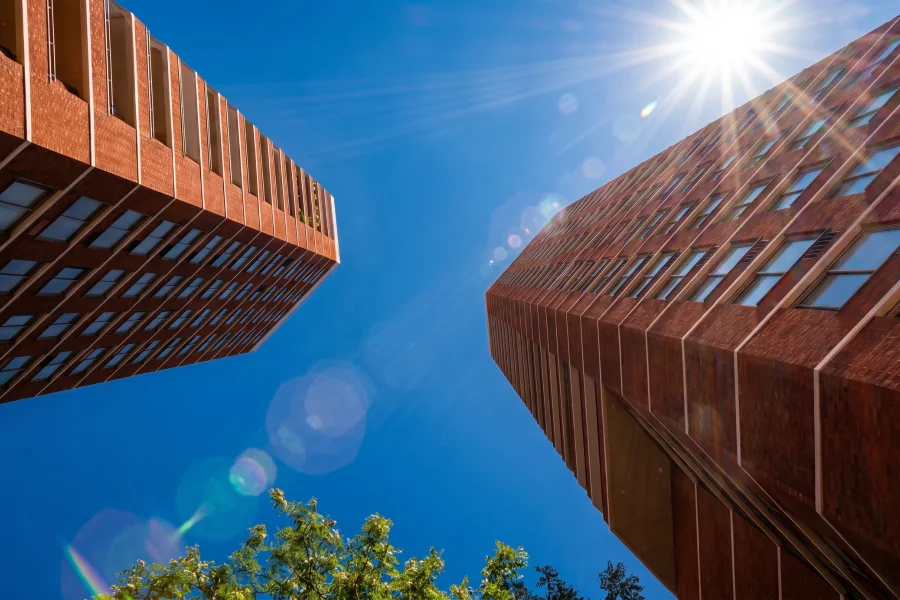
Gramercy: Prestige, Privacy, and the Park
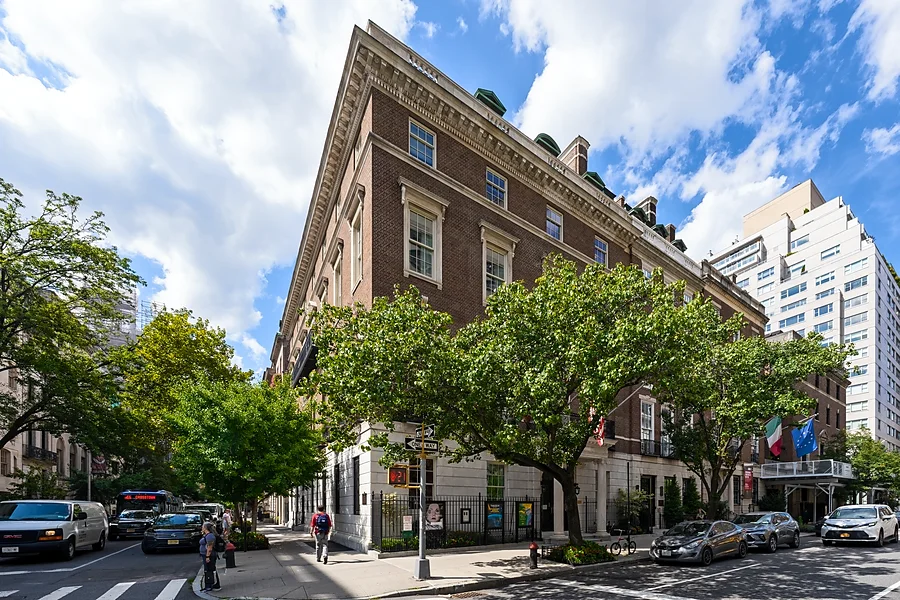
Gramercy’s identity is shaped almost entirely by Gramercy Park, the private gated garden that only residents of the 39 surrounding buildings can access. That exclusivity, combined with the Gramercy Park Historic District’s stately brownstones, the wide tree-lined blocks of East 19th Street known as Block Beautiful, and the neighborhood’s established position as a Manhattan address associated with quiet elegance, gives Gramercy a prestige identity that its price point reflects but does not fully explain.
Buyers who choose Gramercy are typically making a deliberate choice about that character. The neighborhood’s proximity to Union Square adds energy and convenience at its southern edge, while the blocks around the park itself are remarkably quiet for a neighborhood in the middle of Manhattan. Danny Meyer’s restaurant empire has roots here. The neighborhood’s bars, restaurants, and walkable retail reflect the tastes of a long-term, established resident base. The inventory includes historic co-ops and brownstones surrounding the park, a mix of newer condos along the avenues, and the occasional townhouse that exemplifies what makes the neighborhood’s real estate genuinely irreplaceable.
Kips Bay: Emerging, Active, and Value-Forward
Kips Bay runs from East 23rd to East 34th between Lexington Avenue and the East River, and its character has been actively changing. Seven new condo buildings have opened in the past five years. The $1.6 billion SPARC Kips Bay campus, where deconstruction began in February 2026 and construction is expected to start in 2027, will bring three CUNY colleges, 15,000 jobs, and $42 billion in projected economic impact to First Avenue and 25th Street. New Empire Corp recently secured a $37.9 million assemblage for a new 14-story condo tower, the latest in a series of development decisions signaling continued investment in the neighborhood.
Kips Bay has a more active street-level energy than Gramercy, particularly along Third Avenue where the bar and restaurant scene has grown substantially. The Curry Hill stretch of Lexington Avenue between 26th and 29th Streets, with its concentration of Indian and Pakistani restaurants, provides neighborhood dining that is genuinely exceptional in terms of quality and value. The Kips Bay Plaza retail complex with Fairway, Trader Joe’s, AMC, and a pharmacy creates a convenience infrastructure that Gramercy’s more boutique retail cannot match for daily errands. And the East River Greenway, accessible from Kips Bay’s eastern blocks, provides a waterfront recreational corridor that Gramercy simply does not have.
Real Estate Product: What Each Neighborhood Offers
Gramercy’s Inventory
Gramercy’s strongest product, and the product that justifies its premium, is its brownstone blocks and the co-ops surrounding Gramercy Park. The buildings nearest to the park, including the buildings on Gramercy Park North, South, East, and West, carry the neighborhood’s highest prices and the strongest architectural character. One-bedroom co-ops in these buildings typically start above $1 million and two-bedrooms above $2 million.
The broader Gramercy inventory includes postwar co-ops and condos along the avenues, newer development along the Park Avenue South and Third Avenue corridors, and the occasional luxury conversion that brings contemporary finishes to the neighborhood’s older building stock. The Florian, a new development at the Gramercy-Kips Bay border, launched closings in Q1 2026 with units priced from $1.225 million to nearly $6 million and offers a good illustration of where new development is targeting the neighborhood’s eastern edge.
Kips Bay’s Inventory
Kips Bay’s inventory spans a much wider range. At the legacy end, Kips Bay Towers, I.M. Pei’s 1963 masterpiece with 1,118 units across two 21-story towers set within a three-acre private garden, offers co-op and condo units with architectural character that no new building in either neighborhood can replicate. One-bedroom units at Kips Bay Towers have been available in the $800,000 to $1.1 million range. What a million dollars buys you in Kips Bay can vary significantly depending on the building and its amenities. Buyers might find themselves choosing between a modern unit with sleek finishes or a classic space that boasts historical charm. Ultimately, the choice reflects not only financial investment but also a lifestyle decision in one of New York’s coveted neighborhoods.
At the contemporary end, Eastlight at 501 Third Avenue, VU at 368 Third Avenue, Hendrix House at 250 East 25th Street, and Hillrose28 at Third Avenue and East 28th Street provide new development with nine-foot ceilings, floor-to-ceiling windows, in-unit washer/dryers, marble finishes, and amenity packages that compete with anything in Gramercy at price points starting from approximately $827,000 for studios and $1.256 million for one-bedrooms. The new development premium is meaningful, with new condos trading at a 47.5 percent premium over resale in Kips Bay versus 26.2 percent citywide, but the absolute price points remain below comparable new development in Gramercy.
Transit: Comparable Coverage
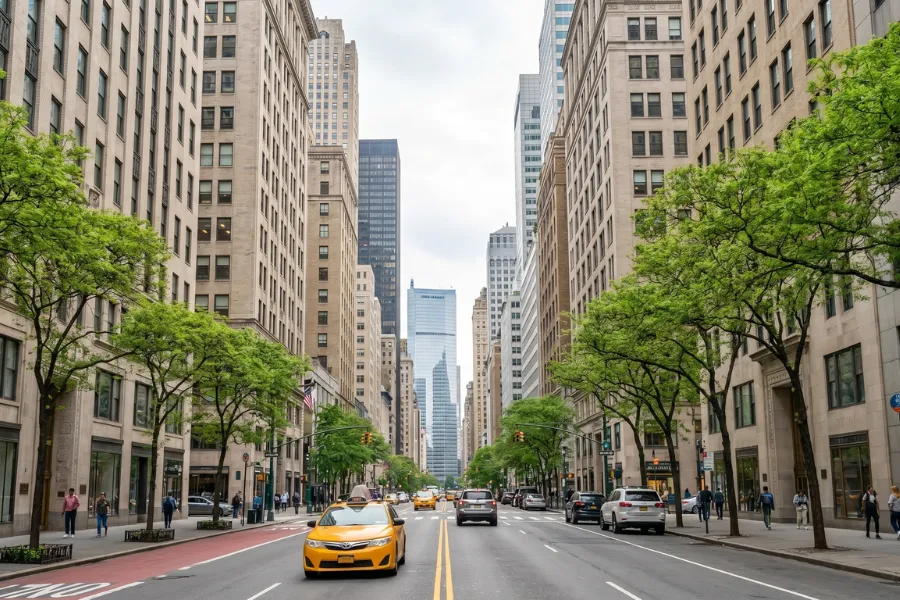
Both neighborhoods are served by the 6 train on the Lexington Avenue line, with multiple stops accessible within walking distance of each. Kips Bay specifically has stops at 23rd, 28th, and 33rd Streets while Gramercy benefits from the 4, 5, and 6 at 23rd Street and easy walking access to Union Square’s broader transit hub serving the N, Q, R, L, and 4/5/6 lines.
The distinction in transit access between the two neighborhoods is not significant enough to be a deciding factor for most buyers. Both offer solid Lexington Avenue service and reasonable access to Union Square. The East 34th Street NYC Ferry terminal in Kips Bay does add a commuter option that Gramercy does not have, providing direct water service to Wall Street, Brooklyn, and Queens.
The Investment Case in 2026
Kips Bay’s investment case is more compelling in the near term. The 29.6 percent year-over-year price appreciation reflects a market that is still repricing upward as buyers discover the neighborhood’s quality and the institutional investment story becomes better understood. The new development premium documents a significant quality gap between the new buildings and the older stock, and buyers entering new development at current prices are doing so before the full impact of the SPARC campus and associated neighborhood activation is reflected in pricing.
Gramercy’s investment case is more stable than Kips Bay’s but less momentum-driven. The neighborhood’s prestige identity and proximity to the private park create consistent long-term demand, but the broader co-op softness that has characterized Manhattan in 2026 has affected Gramercy’s market. Days on market in Gramercy are running 107 to 113 days, which is meaningfully above average and indicates a buyer pool that is selective and not in a rush. Sellers who price accurately against recent comparables are finding buyers, but the frothy appreciation story belongs to Kips Bay in 2026 rather than Gramercy.
Seller Perspective

For Gramercy sellers in 2026, the most important reality is that the market is not rewarding aspirational pricing. Days on market running above 100 days reflects buyers who are doing careful comparisons and will not move above recent comparable closed sales. Sellers whose buildings are near Gramercy Park and whose units have the architectural character that buyers specifically choose Gramercy to access will find qualified buyers at accurate pricing. Sellers in the neighborhood’s postwar and newer product should be aware that they are competing with Kips Bay’s new development at lower price points.
For Kips Bay sellers, the momentum is in your favor. The 29.6 percent year-over-year appreciation and the institutional investment narrative give sellers in the neighborhood’s better buildings genuine positioning advantages. Sellers in new development buildings who lead with the building’s specific quality story, the SPARC campus adjacency if relevant, and the neighborhood’s transformation trajectory will find buyers who have done their research and understand the value.
Whether you’re evaluating Kips Bay or Gramercy, getting the right building at the right price is the work of a careful search. Reach out at and let’s find the right fit for your budget and priorities.
Frequently Asked Questions
Both neighborhoods offer genuinely appealing residential experiences suited to different buyers. Gramercy is known for Gramercy Park, one of New York City’s only private parks, its landmarked historic brownstones and prewar co-ops, and a quiet, established prestige identity that has made it one of Manhattan’s most consistently desirable addresses for decades. Kips Bay offers more space per dollar, seven new condo buildings opened in the past five years with contemporary finishes and amenity packages, the East River Greenway and waterfront access, the Curry Hill restaurant corridor, and the forward-looking story of the $1.6 billion SPARC Kips Bay campus beginning construction in 2027. Buyers who prioritize neighborhood prestige and architectural character will lean toward Gramercy. Buyers who prioritize value, new development quality, and appreciation momentum will find Kips Bay more compelling in 2026.
Yes. Kips Bay’s median home price was approximately $888,000 as of January 2026 versus Gramercy’s approximately $1.25 million median, a meaningful difference especially at the co-op tier. Kips Bay’s new development condos at buildings like Eastlight and Hillrose28 start at approximately $827,000 for studios and $1.256 million for one-bedrooms, while comparable new development in Gramercy such as The Florian starts at $1.225 million. On a per-square-foot basis, Kips Bay averages approximately $1,826 while Gramercy runs around $1,649, though this reflects the mix of newer high-end buildings in Kips Bay pulling the average up. Buyers with budgets below $1.5 million will consistently find more options in Kips Bay than in Gramercy, particularly for contemporary product.
Gramercy Park is known above all for Gramercy Park itself, a private gated garden and one of only two private parks in New York City. Only residents of the 39 surrounding buildings who pay an annual fee have key access. The Gramercy Park Historic District protects the landmarked brownstones and townhouses surrounding the park, including the celebrated Block Beautiful on East 19th Street. The neighborhood is known for its quiet, established residential character, proximity to Union Square, and an address associated with long-term stability and prestige. Famous residents have historically included writers, financiers, and artists drawn to the neighborhood’s combination of privacy and central Manhattan access.
Both Kips Bay and Gramercy are primarily served by the 6 train on the Lexington Avenue line. Kips Bay has 6 train stops at 23rd Street, 28th Street, and 33rd Street. Gramercy is served by the 6 train at 23rd Street, with easy walking access to Union Square which serves the N, Q, R, 4, 5, and 6 trains as well as the L train. The East 34th Street NYC Ferry terminal in Kips Bay adds water transportation to Wall Street, Brooklyn, and Queens not available from Gramercy. Bus service is extensive in both neighborhoods including multiple crosstown and north-south routes.
Kips Bay is known for the I.M. Pei-designed Kips Bay Towers complex with its three-acre private garden, the Curry Hill restaurant district along Lexington Avenue between 26th and 29th Streets with exceptional South Asian dining, the AMC Kips Bay movie theater which is one of Manhattan’s largest, the medical corridor along First Avenue including NYU Langone Medical Center and Bellevue Hospital, and more recently for its wave of new condo development including Eastlight, VU, and Hendrix House. The $1.6 billion SPARC Kips Bay academic and research campus beginning construction in 2027 has brought the neighborhood significant institutional attention as a forward-looking investment story.