Most people searching for an apartment on the Upper East Side narrow their focus to “the UES” and leave it there. But the Upper East Side is not one neighborhood. It is several, each with a distinct character, price point, building stock, and daily rhythm. The gap between Yorkville and Carnegie Hill is significant enough that buyers who choose one based purely on the shared zip code often find themselves in a neighborhood that does not match what they actually wanted.
Yorkville and Carnegie Hill share a border around 86th Street and a common identity as the northern reaches of the Upper East Side. Beyond that, they diverge in ways that matter directly to buyers. Carnegie Hill is quieter, more formal, more expensive, and anchored by Central Park and Museum Mile. Yorkville is more energetic, more affordable, more waterfront-connected, and in the middle of a new development wave that has materially changed its building stock since the Second Avenue Subway opened in 2017.
This article breaks down the real differences between the two so you can make the right call for your situation.
For the full Upper East Side market context, see our Upper East Side Real Estate Market Trends 2026.
The Geography: Where Each Neighborhood Actually Sits
Carnegie Hill runs from 86th Street north to 96th Street, between Fifth Avenue and Central Park to the west and Third Avenue to the east. The neighborhood takes its name from Andrew Carnegie, whose grand Georgian Revival mansion at 2 East 91st Street now houses the Cooper-Hewitt Smithsonian Design Museum. The Carnegie Hill Historic District, designated in 1974 and later expanded, protects over 400 buildings and enforces a low skyline that has preserved the neighborhood’s intimate, tree-lined character across multiple development cycles.
Yorkville occupies the northeastern corner of the Upper East Side, roughly from 79th Street north to 96th Street, east of Third Avenue toward the East River. Its eastern boundary is the FDR Drive and the river itself, with Carl Schurz Park and the East River Esplanade forming a waterfront spine that gives the neighborhood a character genuinely distinct from the rest of the UES. Gracie Mansion, the official residence of New York City’s mayor, sits within Carl Schurz Park at 84th Street and East End Avenue.
Character and Daily Life: Two Different Rhythms
Carnegie Hill: Formal, Established, and Park-Adjacent
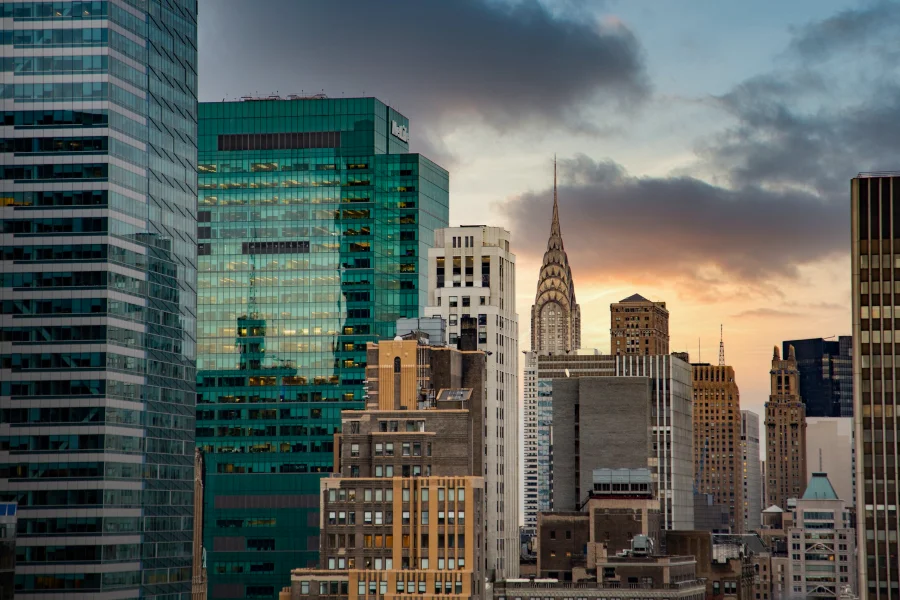
Carnegie Hill has a settled, established quality that attracts buyers who want Central Park access, top private schools, and a residential pace where the street-level energy is calm rather than active. The blocks between Fifth and Park Avenues are among the most architecturally cohesive on the Upper East Side, with prewar buildings, landmarked brownstones, and a low skyline that the historic district enforces. Dalton, Nightingale-Bamford, Spence, and St. David’s are all within the neighborhood. The Guggenheim, the Jewish Museum, and the Cooper-Hewitt are on Museum Mile. Madison Avenue in the 80s and 90s carries boutique shops, the 92nd Street Y, and a dining scene built around long-established neighborhood institutions.
The Carnegie Hill co-op market remains one of the more formal on the Upper East Side. Boards tend toward traditional financial underwriting, and the community maintains standards that have kept the neighborhood’s character stable across decades. Median co-op sale prices have reached approximately $2 million, with median condo prices hitting approximately $3.1 million, reflecting the premium for what Carnegie Hill delivers.
Yorkville: More Energy, More Space, More New Development
Yorkville has been actively changing. The Q train’s arrival at 72nd, 86th, and 96th Street stations transformed the neighborhood’s transit situation overnight, and a wave of new development along Third Avenue followed. Buildings like 180 East 88th Street by DDG, the Strathmore conversion at 400 East 84th Street, and 200 East 83rd Street by Robert A.M. Stern Architects have added contemporary condo product at price points below what comparable new development commands in Lenox Hill or the prime UES. The neighborhood has a stronger bar and restaurant scene along Third Avenue than Carnegie Hill, more mixed street-level energy, and a broader demographic that includes recent graduates alongside long-term residents who have been here for decades.
The waterfront is Yorkville’s clearest lifestyle differentiator. Carl Schurz Park is a genuinely exceptional neighborhood park, manicured and quiet with river views and running paths that feel removed from the city in a way that Central Park’s more trafficked sections do not always deliver. Asphalt Green at 90th Street and York Avenue adds a full athletic complex with a 50-meter Olympic-size pool. For buyers who will regularly use outdoor space, Yorkville’s East River access is a specific advantage Carnegie Hill cannot match.
Real Estate: The Price Difference and What It Buys
The price gap between Carnegie Hill and Yorkville is real and meaningful, though it has been narrowing as Yorkville’s new development has raised the neighborhood’s reference pricing. Carnegie Hill’s co-op median at approximately $2 million sits well above Yorkville’s broader east-side median, where co-op one-bedrooms start in the $600,000 to $700,000 range and newer condo buildings price from approximately $800,000 for studios.
For buyers with budgets below $1.5 million, Yorkville consistently delivers more space per dollar. The postwar co-op and condo stock along Second and Third Avenues offers well-proportioned one and two-bedroom apartments with full-service buildings at price points Carnegie Hill’s market rarely produces. Buyers who want new development finishes at the top of the Yorkville market, particularly on the Third Avenue corridor, are accessing product that competes with anything on the Upper East Side in terms of quality and amenity depth.
For buyers with budgets above $2 million who are specifically seeking prewar co-op character, Central Park access, and the architectural coherence of the Carnegie Hill Historic District, Carnegie Hill wins the comparison decisively. The buildings along Fifth Avenue from 86th to 96th Street, including prewar landmarks like 998 Fifth Avenue and 1185 Park Avenue, are not replicated anywhere in Yorkville, and buyers who have decided that building prestige and park-facing addresses matter will pay the Carnegie Hill premium deliberately.
Schools: A Key Differentiator for Families
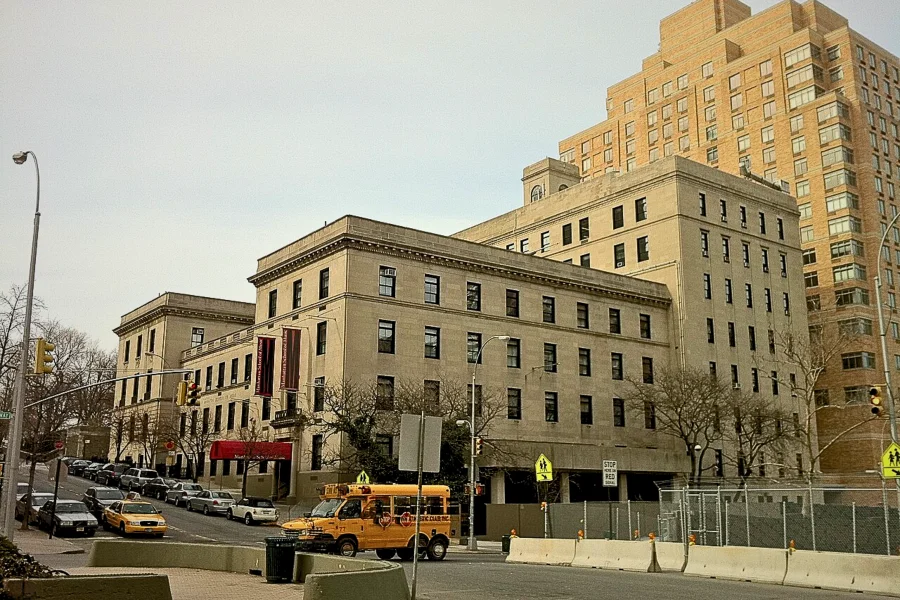
Carnegie Hill has one of the highest concentrations of elite private schools in Manhattan. Dalton at East 89th and Fifth, Nightingale-Bamford on East 92nd, Spence on East 91st, and St. David’s on East 89th are all within walking distance of most Carnegie Hill addresses. The Hunter College Campus Schools are located in the neighborhood. P.S. 6 on East 81st Street, just south of the Carnegie Hill boundary, consistently ranks among the top public elementary schools in New York City.
Yorkville has solid public school options including P.S. 158 on East 77th Street, though the concentration of elite private schools is less dense than Carnegie Hill. For families who have already identified a specific Carnegie Hill private school as their target, the walk-to-school argument is genuinely compelling. For families open to public schools or whose target school is not neighborhood-specific, the school differentiation between the two neighborhoods is less decisive.
Transit: Yorkville Now Has the Edge
For decades, Yorkville’s transit situation was its most significant liability. The Lexington Avenue 4, 5, and 6 trains stop at 86th and 96th Street but primarily serve the western blocks of both neighborhoods. Residents of Yorkville’s eastern blocks, east of Second Avenue, historically faced 15 to 20-minute walks to reach the subway.
The Q train changed that permanently. The Q stops at 72nd, 86th, and 96th Streets along Second Avenue, putting most of Yorkville within a four to six minute walk of direct service to Midtown, the East Village, and Brooklyn. For buyers who work in Midtown or Downtown, Yorkville’s transit access is now directly competitive with any part of the Upper East Side.
Carnegie Hill’s transit has always been solid on its western blocks, with the 4, 5, and 6 at 86th and 96th Streets and the Q along Second Avenue. The transit distinction between the two neighborhoods has largely closed since 2017.
New Development: Yorkville Is Where the Pipeline Is
If new development is part of your search, Yorkville has significantly more activity than Carnegie Hill. The Carnegie Hill Historic District’s preservation protections limit new construction, and the boutique development that has occurred there, including 1122 Madison Avenue designed by Studio Sofield, is ultra-luxury in scale and pricing with units averaging well into eight figures.
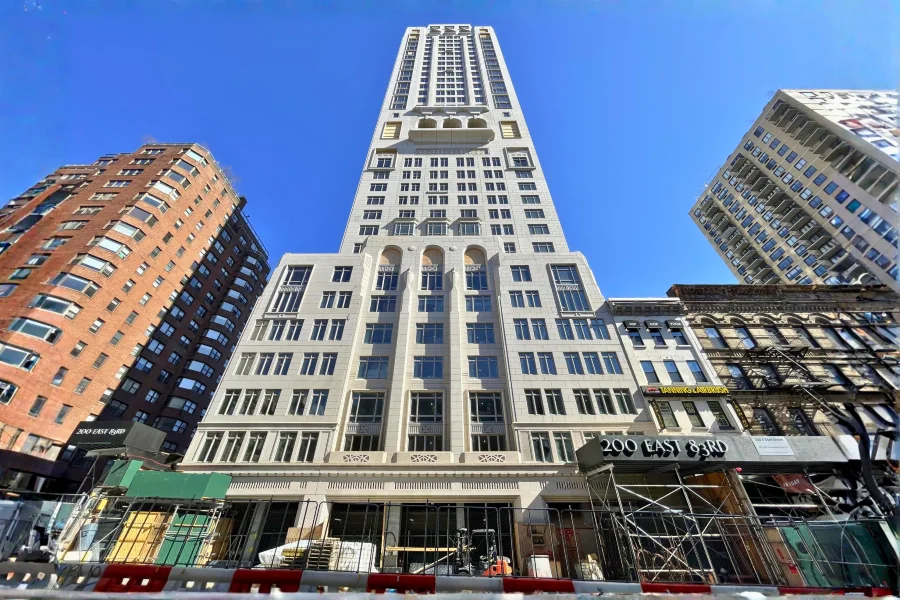
Yorkville’s Third Avenue corridor has become one of the most active new development zones on the entire Upper East Side. Naftali Group, Rockefeller Group, and Douglaston Development have built or are actively building towers including 200 East 83rd Street, 1448 Third Avenue, and 185 East 80th Street. Buyers who want new construction finishes with Q train access and price points below Carnegie Hill’s new development ceiling are consistently finding Yorkville the more active market.
The Decision Framework
Carnegie Hill makes more sense when Central Park access and the Reservoir running path are central to your daily life, your target private school is in the neighborhood, you value the Historic District’s architectural coherence, your budget is above $2 million and you want prewar co-op character, or you want Madison Avenue retail and Museum Mile cultural institutions within immediate walking distance.
Yorkville makes more sense when East River waterfront access and Carl Schurz Park are a priority, you are working with a budget below $1.5 million and want more space per dollar, you prefer the energy of an active street scene, you want new development finishes on the Third Avenue corridor with Q train access, or the East River Esplanade is part of how you plan to use the neighborhood.
Seller Perspective

For Carnegie Hill sellers in 2026, the co-op premium is real but the market is selective. Buyers comparing Carnegie Hill to the core UES blocks to the south are making precise comparisons and will not pay above recent comparable closed sales without a specific reason. Positioning the building’s service depth, architectural character, and school proximity clearly in the marketing is more important than relying on the neighborhood’s general reputation.
For Yorkville sellers, the new development wave has raised the neighborhood’s reference pricing and given sellers in the postwar and older condo stock a stronger market backdrop than existed five years ago. The waterfront positioning, Q train access, and proximity to Carl Schurz Park are genuine lifestyle differentiators worth leading with.
Whether you are drawn to Carnegie Hill’s formal character or Yorkville’s waterfront energy, the right call comes down to your specific priorities and how you actually plan to live. Not sure whether Yorkville or Carnegie Hill is the better fit? Reach out and let’s compare pricing, lifestyle, inventory, and what aligns best with your goals on the Upper East Side.
Frequently Asked Questions
Carnegie Hill runs from 86th to 96th Street between Fifth Avenue and Third Avenue and is defined by its landmark historic district, Central Park adjacency, elite private schools including Dalton, Spence, and Nightingale-Bamford, and prewar co-op buildings with median sale prices around $2 million. Yorkville occupies the northeastern corner of the Upper East Side east of Third Avenue toward the East River, with Carl Schurz Park, the East River Esplanade, a more active dining and bar scene along Third Avenue, and a significant wave of new development since the Q train opened in 2017. Yorkville is more affordable with a broader range of price points, while Carnegie Hill commands a premium for its historic character, Central Park access, and private school concentration.
Yorkville has improved significantly as a residential neighborhood since the Second Avenue Q train opened in 2017. The neighborhood offers Carl Schurz Park and the East River Esplanade as genuine outdoor amenities, a growing dining scene along Third Avenue, new development condominiums along the Second and Third Avenue corridors, and more space per dollar than most comparable Manhattan neighborhoods. The Q train eliminated the transit friction that historically suppressed demand in eastern Yorkville. For buyers and renters who value waterfront access, relative value, and a residential pace with strong transit connectivity, Yorkville is a compelling choice on the Upper East Side in 2026.
Carnegie Hill is consistently regarded as one of the finest residential neighborhoods in Manhattan. The Carnegie Hill Historic District protects the neighborhood’s scale and architectural character. Central Park is directly accessible from Fifth Avenue addresses, Museum Mile cultural institutions are within walking distance, and the concentration of elite private schools including Dalton, Nightingale-Bamford, and St. David’s makes Carnegie Hill a primary target for families. The trade-off is price. Carnegie Hill’s median co-op sale price of approximately $2 million and condo median of approximately $3.1 million reflect the premium the neighborhood commands.
Carnegie Hill is known for the Carnegie Hill Historic District, which protects over 400 buildings and enforces the neighborhood’s low skyline and architectural coherence. It is known for Museum Mile along Fifth Avenue, which includes the Guggenheim Museum, the Jewish Museum, the Cooper-Hewitt Smithsonian Design Museum, and the Museum of the City of New York. It is known for elite private schools including Dalton, Nightingale-Bamford, Spence, and St. David’s. It is known for its prewar co-op buildings and brownstones, Madison Avenue boutique retail, the 92nd Street Y, and a formal residential character that has remained largely consistent for decades. The neighborhood takes its name from Andrew Carnegie, whose mansion at 2 East 91st Street is now the Cooper-Hewitt museum.
Both Yorkville and Carnegie Hill are served by the Q train on the Second Avenue Subway with stations at 72nd Street, 86th Street, and 96th Street, providing direct service to Midtown East, the East Village, and Brooklyn. The Lexington Avenue 4, 5, and 6 trains serve 86th Street and 96th Street, with the 4 and 5 express trains providing rapid service to Midtown and Lower Manhattan. Carnegie Hill’s western blocks are within easy walking distance of the 4, 5, and 6 trains. Yorkville’s eastern blocks, which were historically underserved by transit, are now well-connected via the Q train stops along Second Avenue.
Carnegie Hill is meaningfully more expensive than Yorkville across most property categories. Carnegie Hill’s median co-op sale price has reached approximately $2 million with median condo prices around $3.1 million. Yorkville offers a wider range, with co-op one-bedrooms starting in the $600,000 to $700,000 range and newer condo buildings priced from approximately $800,000 for studios. The Carnegie Hill premium reflects the Historic District protections, Central Park adjacency, private school concentration, and the prestige of its prewar building stock. Buyers who want to remain on the Upper East Side with a budget below $1.5 million consistently find Yorkville the more accessible entry point.