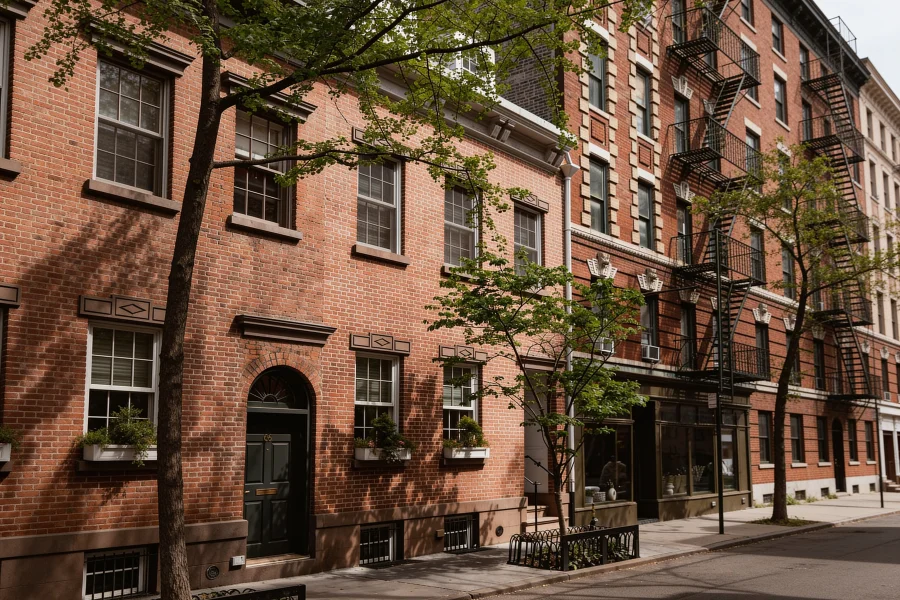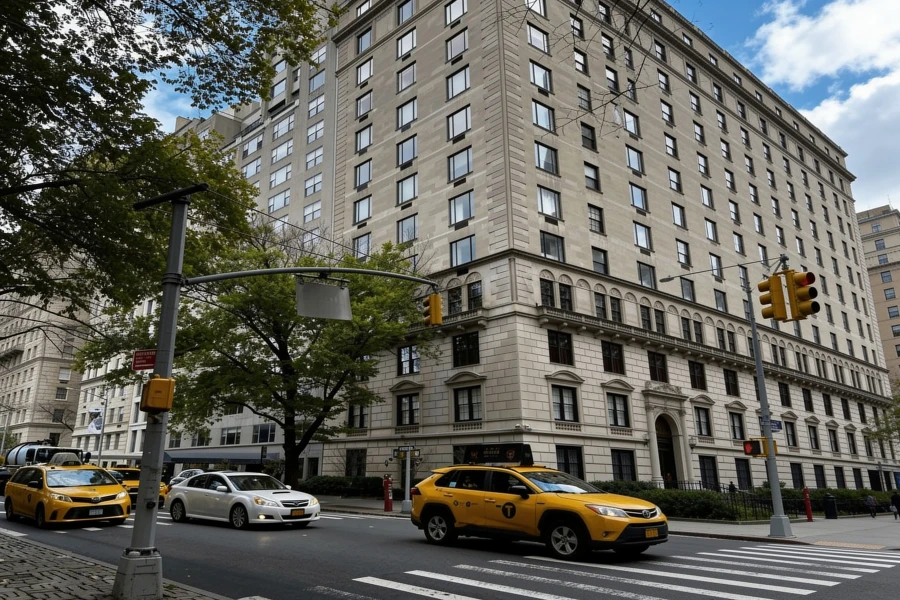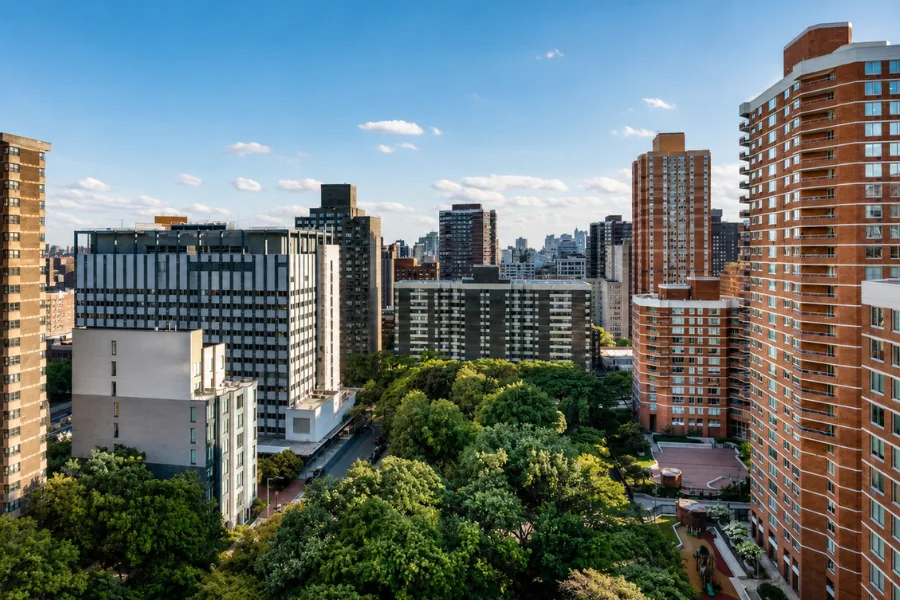

One Wall Street’s filed condominium plan lists 566 residential units, while the New York Attorney General record for 130 William lists 244. That is 810 homes across two projects before a seller counts 125 Greenwich Street, 99 John Street, 15 William Street, 77 Greenwich Street, or Greenwich Club. If you are selling a condo in the Financial District, this is part of the choice many buyers see, and it is why a neighborhood median cannot set your asking price.
Demand deserves attention too. StreetEasy ranked the Financial District first on its 2026 Neighborhoods to Watch list after buyer-and-renter searches rose 46.7% from January through November 2024 to the same period in 2025. That is a strong attention signal, not a promise that every listing will sell quickly or at a premium. Buyers can be interested in the neighborhood and still compare your price, monthly costs, condition, and building against several alternatives.
The Market Number Depends on What You Measure
Ask three sources what a Financial District apartment is worth and you may get three different answers. In Q1 2026, one report covering the combined Financial District and Battery Park City submarket recorded a $1.30 million median sale price and an average price of $1,427 per square foot. PropertyShark’s FiDi-only data for March 2026 showed a $1.2 million overall median and a $1.3 million condo median across 46 condo transactions.
Those numbers are not interchangeable. One combines two adjacent markets and a full quarter; the other covers the Financial District for a single month. A large sponsor project can also shift the mix of closings in a reporting period. For a seller, these statistics show direction and scale. They do not tell you what a specific line, floor, exposure, renovation, or monthly carrying cost is worth.
Start with closed sales in your own building from the last six to twelve months. Give the most weight to the same line or a closely matched layout. Then compare current listings that buyers can choose today. If the closed evidence and active competition point in different directions, the active competition often explains the pressure you will face during the first weeks on market.
What Your Financial District Condo Is Competing With

Knowing the actual inventory matters more than relying on a broad neighborhood average. The buildings below are not interchangeable, but they illustrate the range of inventory buyers may compare. Asking prices are dated snapshots, not appraisals or guarantees, so refresh them immediately before a listing goes live.
One Wall Street
One Wall Street is a 1931 Art Deco office tower redeveloped as a condominium. Its Attorney General filing lists 566 residential units, and the plan became effective on January 11, 2023. The sponsor’s live availability page showed asking prices from approximately $1.195 million to $8.795 million when checked on September 18, 2026. A resale seller here is not competing only on price. Sponsor presentation, concessions, amenities, and available lines shape the buyer’s comparison.
130 William Street
130 William is a 66-story, ground-up condominium. Its Attorney General filing lists 244 residential units, while current developer and architect pages describe 242 residences. That difference is a source-definition issue, not a number to hide. Sellers should use the legal filing for plan data and compare their apartment only with currently available units in the same size, floor, and price band.
125 Greenwich Street
The Greenwich at 125 Greenwich Street began closing residences in 2025. Its effective Attorney General record lists 275 residential units, while later project materials have used 272 and earlier materials used 273. The plan became effective on April 3, 2025. Public 2025 pricing started around $1.1 million for studios. Sellers should compare against the actual units available in the same size and price band, not the full tower.
Established Conversion and Ground-Up Options
Dated inventory checks show how wide the neighborhood range can be. On September 18, 2026, 99 John Street’s building page displayed visible asks from $675,000 to $1.5 million. The 15 William building page showed asks from $980,000 to $2.7255 million; public sources describe that building as 319 or 320 units. The sponsor at 77 Greenwich marketed its Final Collection from $1.999 million. CityRealty’s August 13, 2026 Greenwich Club snapshot showed visible asks from $535,000 to $1.359 million.
These ranges illustrate several distinct submarkets. A studio at Greenwich Club is not a comparable for a two-bedroom at 77 Greenwich, even though both are Financial District condos. Match property type, size, age, amenity level, monthly costs, condition, and buyer use case before treating another listing as competition.
Common Charges Are Part of Your Asking Price
Many buyers compare the monthly number, not only the purchase price. Two apartments listed at the same amount can create very different monthly obligations once common charges and property taxes are included. If one unit costs several hundred dollars more each month, the buyer may ask what the extra cost delivers. A seller who ignores that question is leaving the buyer to answer it alone.
Run the comparison before setting the price. Put your asking price, monthly common charges, property taxes, and any assessment beside the two or three listings a buyer would realistically compare. If your total is higher, either the asking price should reflect it or the marketing should clearly explain the difference in space, condition, light, services, or amenities. This is not about calling one building better. It is about making the trade-off understandable.
If you want a clear read on what your Financial District condo is actually worth before you set a price, reach me at TheNewYorkCityBroker.com/contact-me and I can assist you.
A Pricing Strategy That Holds Up Under Scrutiny

Use closed sales from the last six to twelve months, beginning with the same line and then similar layouts. Adjust for floor, exposure, condition, outdoor space, and material differences in monthly costs. A neighborhood median cannot make those adjustments for you.
Add Today’s Competition
Closed sales explain what buyers paid. Active listings explain what buyers can choose now. If four similar units in your building are for sale at once, you are competing with three neighbors who have the same goal. A strong launch position often belongs to the apartment that looks prepared, is easy to understand, and is priced inside the evidence rather than above it.
For broader context, review the latest Financial District real estate market trends, then bring the analysis back to your building.
Price Inside the Search Band
Many buyers use round-number search caps. A listing at $1,525,000 will not appear in a search capped at $1.5 million, even though the difference is only $25,000. Decide whether entering the larger search pool is worth more than starting above the threshold. Make that decision before launch, not after traffic disappoints.
Set Your Negotiation Plan Early
Choose your target price, acceptable range, preferred closing date, and position on contingencies before the first offer arrives. A seller who knows which terms matter can compare offers as complete packages instead of reacting only to the headline number.
Closing Costs Buyers Compare With Your Resale
As rough Manhattan planning ranges, buyer closing costs may run about 4% to 6% or more for a new-development condo, 2% to 4% for a resale condo, and 1% to 2% for a resale co-op. These are not statutory rates. Price, financing, mansion tax, title and lender charges, sponsor terms, concessions, and building fees can move the total materially.
A sponsor contract may shift transfer taxes, sponsor legal fees, or building contributions to the buyer. A resale condo usually does not shift those same sponsor expenses. That difference can make your resale more competitive even when a sponsor unit has polished presentation or incentives. Spell out the total-cash comparison clearly, but do not promise a specific saving until the buyer’s attorney and lender calculate it.
New York State’s 1% mansion tax and separate supplemental tax on New York City residential conveyances combine to produce buyer rates of 1% from $1 million to $1,999,999; 1.25% from $2 million to $2,999,999; 1.5% from $3 million to $4,999,999; 2.25% from $5 million to $9,999,999; 3.25% from $10 million to $14,999,999; 3.5% from $15 million to $19,999,999; 3.75% from $20 million to $24,999,999; and 3.9% at $25 million or more. The applicable combined rate is charged on the full purchase price. These figures do not include other transfer taxes or financing costs.
Seller Costs to Model Before You List

For a typical individual residential resale condo priced above $500,000 but below $3 million, NYC Real Property Transfer Tax and the New York State base transfer tax generally total 1.825% of the sale price. At $3 million or more, the separate 0.25% New York State additional base tax raises the ordinary combined rate to 2.075%. Add negotiated brokerage compensation, your attorney, managing-agent and move-out charges, mortgage-payoff expenses, prorations, and any unpaid common charges or assessments.
A condo may also have a building-specific transfer contribution or administrative fee, although the term flip tax is more commonly associated with co-ops. Do not assume the fee exists or does not exist from a listing description. Ask the managing agent for the current resale package and review the declaration, bylaws, offering plan, and amendments with your attorney.
Build a Net Sheet Before Choosing the Asking Price
Price and proceeds are not the same number. Before listing, calculate what remains after transfer taxes, negotiated brokerage compensation, legal fees, managing-agent charges, mortgage payoff, and any assessment or building fee due at closing. Then run the same calculation at your target price, at a realistic negotiated price, and at the bottom of your acceptable range. This prevents a seller from agreeing to a number that looks reasonable but does not fund the next move. If another purchase depends on the sale, include the cash needed for that transaction, its closing costs, and a timing cushion. The cleanest strategy is to know the minimum net proceeds you need while keeping that private during negotiation. Your attorney and broker can build the estimates, but the final figures should come from current payoff statements, tax rules, and the building’s resale package rather than a generic online calculator.
Negotiation: Where the Deal Can Move

Price matters, but timing and certainty have value too. After a contract is fully executed, a straightforward financed resale condo commonly closes in about 60 to 90 days. A cash deal can move faster, while financing, title issues, building documents, waiver processing, or another transaction in the chain can extend the timeline. Ask what the buyer needs before deciding whether flexibility should earn a better price or cleaner terms.
A financing contingency deserves the same attention. A slightly lower offer from a buyer with strong financing, adequate cash, and a realistic timeline may be more compelling than a higher offer carrying more execution risk. That does not make the lower offer automatically better. It means the seller should compare probability and timing alongside price.
Bracket edges create another useful conversation. At $2.02 million, the buyer’s combined New York State mansion and supplemental taxes are $25,250. At $1.999 million, the mansion tax is $19,990 and no supplemental tax applies. The tax difference is $5,260, while the price itself falls by $21,000. The buyer’s total reduction is $26,260 before financing effects. That is meaningful, but it is not a $25,000 tax saving, and the arithmetic should be stated correctly.
Prepare the Apartment and Paperwork Together
Have the building’s financial statements, common-charge history, insurance information, and any recent or planned assessment details ready before launch. A buyer’s attorney will typically request them during due diligence. Discovering a capital project late can lead to a renegotiation or delay, while explaining it early lets the market assess the apartment with the right facts.
Presentation matters because much of the competing inventory is professionally marketed. You may not need a renovation. Fresh paint, corrected lighting, thoughtful editing of furniture, clean windows, and strong photography can close much of the presentation gap. Spend where the buyer will see and understand the result.
Selling a Condo in the Financial District: Get the Comparison Right

The strongest Financial District sellers do three things. They price from their building and line, treat common charges and taxes as part of the buyer’s decision, and prepare both the apartment and building documents before launch. They use neighborhood demand as context, not as permission to overprice.
If you’re selling a Financial District condo or planning another New York City real estate move, contact Brett through TheNewYorkCityBroker.com/contact-me to talk through the right next step.
Frequently Asked Questions
Your condo is worth what current buyers will pay after comparing recent building sales, active competition, monthly costs, and the condition of your specific unit. In Q1 2026, the combined Financial District and Battery Park City submarket had a $1.30 million median, while PropertyShark’s FiDi-only March data showed a $1.3 million condo median across 46 condo transactions. Those figures are context, not a valuation. Start with your building and line, then adjust for floor, exposure, renovation, outdoor space, common charges, taxes, assessments, and sponsor competition. A current comparative market analysis should refresh every active and recently closed match before you choose the asking price.
The timeline includes the marketing period plus roughly 60 to 90 days after a resale contract is fully executed in many financed transactions. Cash can close faster, while financing, title review, building documents, waiver processing, or scheduling can add time. The marketing period depends heavily on price and competing inventory. A well-positioned apartment may receive interest quickly, while a listing that starts above comparable options may need more time or a reduction. Sellers can protect the closing phase by preparing financial statements, insurance records, assessment information, and managing-agent requirements before a buyer’s attorney requests them.
A typical individual residential resale condo seller above $500,000 and below $3 million should model 1.825% of the sale price for combined NYC and New York State transfer taxes. At $3 million or more, the ordinary combined rate generally becomes 2.075%. These figures do not include negotiated brokerage compensation, attorney fees, managing-agent charges, move-out costs, mortgage-payoff expenses, prorations, or building-specific fees. Sponsor transactions can allocate taxes differently, and nonresident or foreign sellers may face additional withholding procedures. Your attorney should prepare a property-specific net sheet before you commit the proceeds to another purchase.
Yes, common charges affect value because buyers compare total monthly cost, not only asking price. A unit with higher common charges may still justify its price through size, services, amenities, reserves, or condition, but the difference needs a clear explanation. Compare your monthly common charges, taxes, and assessment with the closest alternatives a buyer can tour. Then decide whether the asking price should absorb part of the gap. Also prepare the building’s budget and recent financial statements, since buyers and lenders may evaluate whether current charges are sustainable and whether another assessment appears likely.
Renovate only when the likely gain in price or speed clearly exceeds the cost, time, and execution risk. Many apartments benefit more from paint, lighting, repairs, decluttering, and strong photography than from a full renovation. Compare your condition with the exact sponsor and resale units buyers will see. If they are newly finished, an untouched apartment may need a price adjustment or a focused upgrade plan. Avoid choosing finishes for an imaginary buyer without testing the numbers. A broker and contractor can help estimate the likely market impact, while your building can confirm alteration rules and approval timing.
Price against the new development a buyer would genuinely cross-shop, not every sponsor unit downtown. Match bedroom count, usable size, floor, exposure, amenities, and monthly cost. Then account for sponsor concessions and the extra closing costs a sponsor contract may place on the buyer. Your resale may offer a lower total cash requirement, an immediate closing path, or a proven building history. The sponsor unit may offer new finishes or incentives. Present those as trade-offs and set a number that makes your resale understandable within that choice. Refresh the comparison before launch because sponsor pricing and concessions can change quickly.