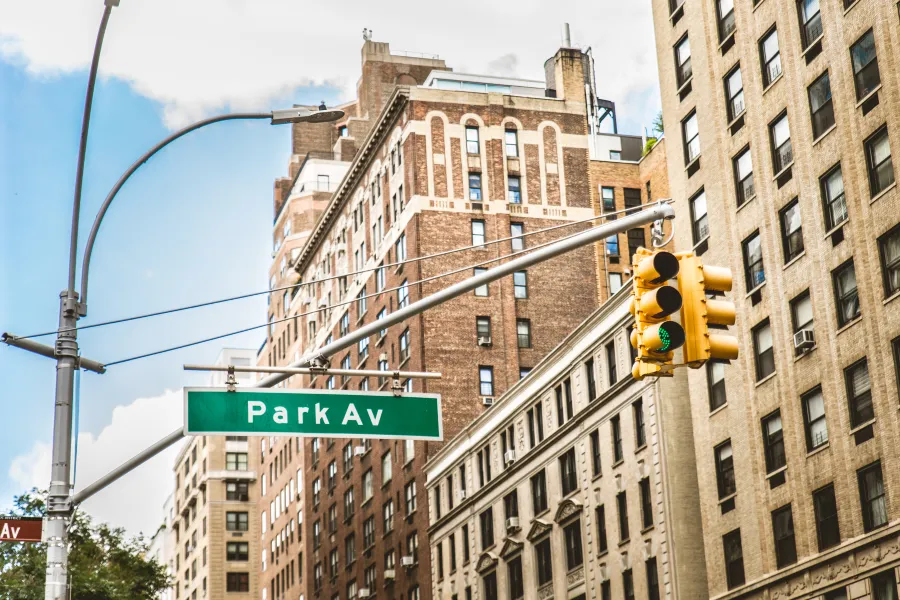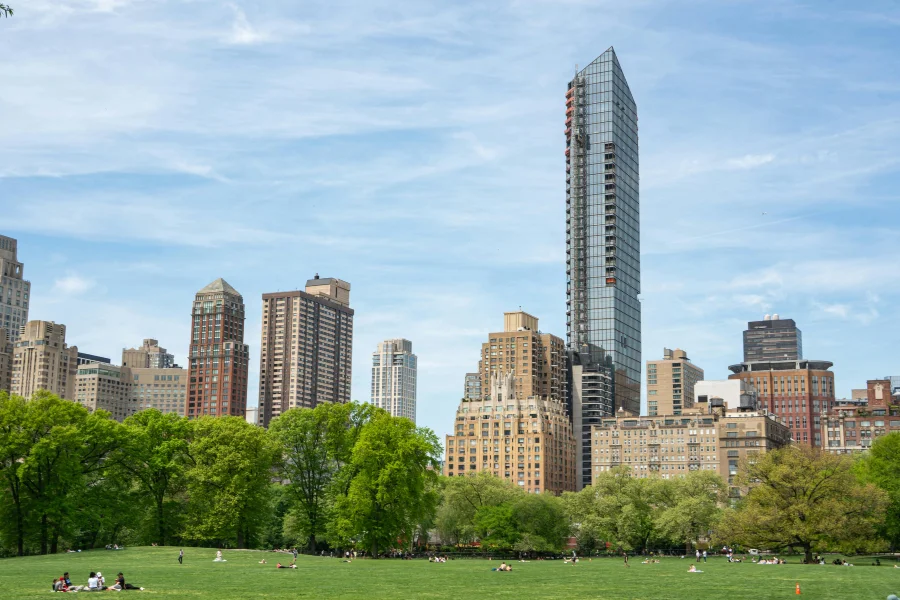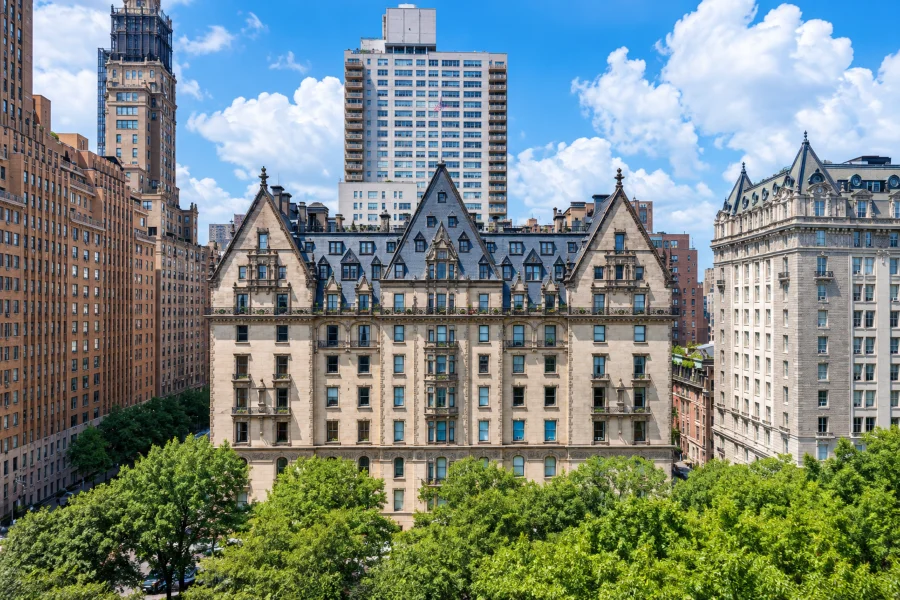

At 1120 Park Avenue, current building information lists financing at no more than 50% of the purchase price. On a $2 million co-op, that means a $1 million down payment before closing costs, buyer transfer taxes, or the liquid assets the board may expect you to retain. That gap between what a lender will finance and what a building will permit is the number that often decides whether buying a co-op in Carnegie Hill works.
A single Carnegie Hill median is less useful than it sounds. Pricing changes sharply by building, apartment size, line, floor, condition, views, outdoor space, and maintenance. Dated 2025 and 2026 examples at 1120 Park Avenue ranged from a $2.27 million closed sale to a $6.45 million closed sale. Recent three-bedroom listings at 1185 Park Avenue were approximately $6.5 million to $7.35 million. The right question is not whether you can afford the neighborhood average. It is which building rules and apartments fit your available cash.
Where Carnegie Hill Starts and Stops
Carnegie Hill is commonly described as running roughly from East 86th to East 98th Streets, from Fifth Avenue to just west of Third Avenue. Neighborhood boundaries are informal, and listings sometimes use broader or narrower versions. The exact address matters because it determines which comparable sales and building rules are relevant.
1050 Fifth Avenue sits at the southern and western edge under those commonly used boundaries. It is also identified by New York City landmark records as part of the Carnegie Hill Historic District. The historic district and the real estate neighborhood are not identical legal geographies, but both support treating the building as a Carnegie Hill example rather than excluding it automatically.
Why the Building Matters More Than a Neighborhood Median
.png)
A co-op purchase gives you shares in the corporation that owns the building plus a proprietary lease granting the right to occupy the apartment. You do not receive a deed to the individual unit. That structure lets each corporation set its own financing limits, transfer fees, application requirements, and financial review standards.
Two similarly priced apartments can therefore require very different amounts of cash. One building may permit 75% financing, another 50%, and another may consider financing case by case. A lender can approve a loan that the building will not allow. Confirm the building’s current cap before offering, then calculate the down payment and reserves from the stricter number.
For the broader approval process, financing limits, and board-package requirements, see the Upper East Side co-op buying guide. The same principles apply across the Upper East Side, but the current documents for the specific Carnegie Hill building always control.
Three Carnegie Hill Buildings and Their Current Terms
The examples below use current 2026 building information where available and dated public listing evidence where management materials do not state the full policy. Financing caps and transfer fees can change, so the proprietary lease, amendments, purchase package, managing-agent instructions, and contract should be checked before relying on any figure.
1120 Park Avenue
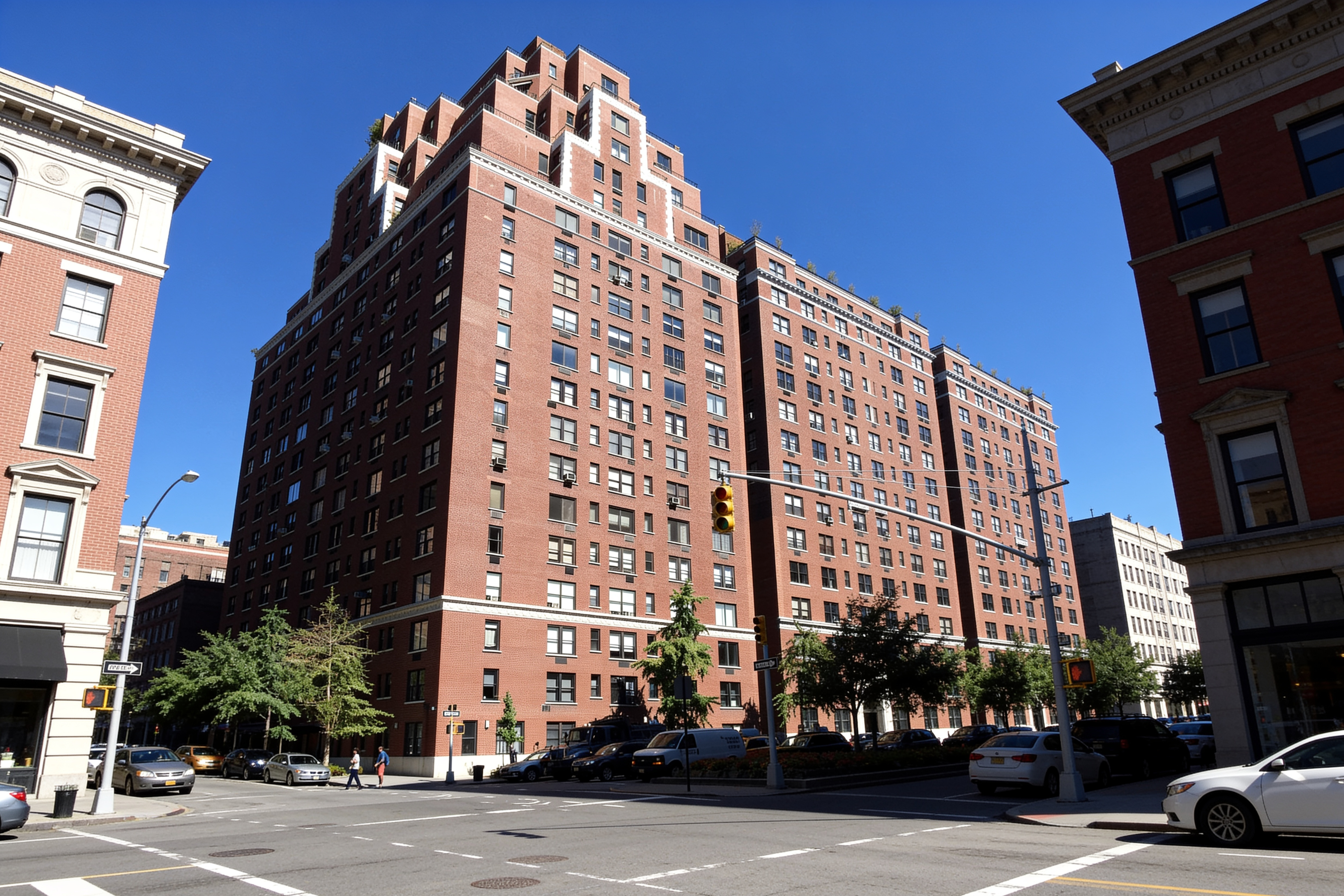
A current building-information page dated May 2026 lists maximum financing of 50% of the purchase price and a transfer fee equal to 2% of gross consideration. The governing documents and closing statement should confirm exactly who pays and how the amount is calculated. On a $2 million purchase, the stated financing cap creates a $1 million minimum down payment.
Dated market examples show why one neighborhood number is not enough. A two-bedroom that had been asking $2.45 million closed for $2.27 million in April 2026, while a larger five-bedroom listed at $6.5 million closed for $6.45 million in December 2025. A separate residence was publicly marketed around $3.8 million. Size and line produce a wide range within one address.
1185 Park Avenue
Current property-management information lists a transfer fee of 2% of the gross sales price, payable by the buyer for qualifying contracts. Public 2026 listing materials report a 50% financing limit, but buyers should confirm that cap with management and the proprietary lease because the management fee schedule reviewed does not state it directly.
Recent three-bedroom listings were approximately $6.495 million and $7.35 million. A larger penthouse has been marketed at a much higher price, which is exactly why penthouse data should not be used as a typical building benchmark. Match layout, size, condition, views, terraces, and monthly maintenance before treating another apartment as a comparable.
1050 Fifth Avenue
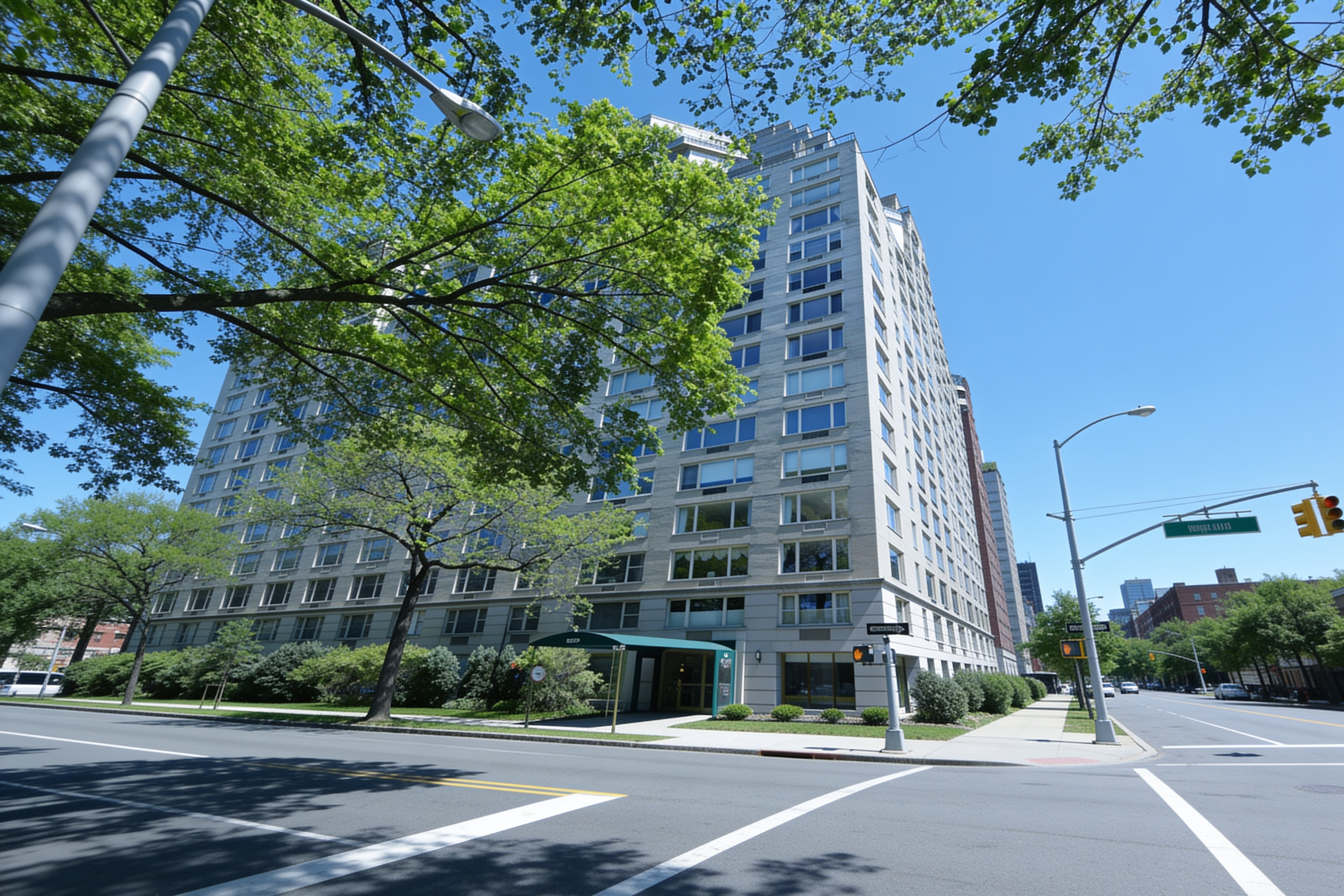
Current building information says financing is not a matter of right. The board may permit no more than 50% of the apartment’s value to be pledged and may approve less. Recent public listings have advertised a 1% purchaser-paid transfer fee, but the current building page does not confirm the rate and instead directs parties to the transfer-fee amendment. Public sources conflict, so the current purchase package must settle the amount and payor.
Recent 2025 and 2026 asks ranged from roughly $2.3 million for a two-bedroom to $8.5 million for a penthouse, with another penthouse initially marketed near $10 million before repricing. These are dated listing examples, not a promise of current availability or a building-wide valuation.
What a $2 Million Purchase Requires in Cash
Assume a $2 million co-op with a 50% financing cap. The down payment is $1 million. Other buyer closing costs can be planned at roughly 1% to 2% of the purchase price before mansion and supplemental taxes, or about $20,000 to $40,000. That range is an estimate, not a fixed rate, and can include attorney, lender, managing-agent, UCC, application, and other transaction charges.
At exactly $2 million, the New York State mansion tax is 1%, or $20,000. New York City’s separate supplemental residential transfer tax adds 0.25%, or $5,000. The combined buyer-side tax is therefore $25,000. Calling the full 1.25% a mansion-tax rate is common shorthand, but the accurate explanation is 1% mansion tax plus 0.25% supplemental tax.
Now add an illustrative reserve calculation. A hypothetical $1 million, 30-year loan at 6.5% produces monthly principal and interest of about $6,321. If maintenance is $3,000, the combined monthly carrying cost is approximately $9,321. Twelve months equals about $111,848, and 24 months equals about $223,696.
Many co-op boards want buyers to demonstrate liquid assets covering a stated period of mortgage and maintenance payments after closing. The requirement varies by building, and boards differ on which assets count. Cash and marketable securities may be treated differently from retirement accounts, trusts, restricted stock, business interests, or overseas assets.
Under these assumptions, the available-cash calculation is approximately $1 million down, $20,000 to $40,000 in other closing costs, $25,000 in buyer mansion and supplemental taxes, and $111,848 to $223,696 retained after closing. That totals roughly $1.16 million to $1.29 million. The retained liquidity is not spent at closing, but you still need to own and document it.
If you want a straight answer on what your cash actually reaches in Carnegie Hill before you start touring, reach me at TheNewYorkCityBroker.com/contact-me and I can assist you.
How Co-op Closing Costs Differ From Condo Costs
A resale co-op buyer often plans roughly 1% to 2% of the price before mansion and applicable supplemental taxes. A new-development condo can run around 4% to 6% or more, depending on financing and which sponsor costs the contract shifts to the purchaser. Both are planning ranges, not guarantees.
A standard individual co-op share loan generally does not create mortgage-recording-tax liability because the buyer is financing shares and a proprietary lease rather than recording a mortgage against a deeded apartment. Co-op buyers also generally do not use the same conventional deed-based title-insurance package as condo buyers. Co-op-specific coverage, lender requirements, UCC filings, lien searches, and recognition-agreement charges can still apply.
Attorney fees may be higher than a simple transaction because counsel reviews the proprietary lease, offering plan, amendments, financial statements, minutes, insurance, litigation, assessments, and underlying mortgage. Ask for a written estimate tied to the specific building rather than relying only on a neighborhood percentage.
The Buyer-Side Tax Thresholds
For NYC residential purchases, the buyer generally pays a 1% mansion tax from $1 million to $1,999,999. A separate NYC supplemental tax begins at $2 million. The combined buyer-side rates are 1.25% from $2 million to $2,999,999; 1.5% from $3 million to $4,999,999; 2.25% from $5 million to $9,999,999; 3.25% from $10 million to $14,999,999; 3.5% from $15 million to $19,999,999; 3.75% from $20 million to $24,999,999; and 3.9% at $25 million or more.
The applicable rate is charged on the full price within the bracket. At $1,999,000, the buyer-side tax is $19,990. At exactly $2 million, it becomes $25,000. That $5,010 change should be understood before negotiating around the threshold. Building-level transfer fees are separate private charges and should never be confused with city or state transfer taxes.
Prepare the Board Package Before You Need It

The board package usually asks for detailed financial information, tax returns, bank and brokerage statements, employment documentation, references, and explanations for unusual items. The building may request additional material. Start assembling it before signing the contract so missing statements or inconsistent figures do not become the reason the application stalls.
A co-op purchase often takes longer than a comparable condo because it adds managing-agent review, a board package, and approval. Do not rely on a fixed six-to-ten-week promise for one building unless current instructions support it. Contract negotiation, financing, board schedules, interviews, and closing coordination all affect the timeline.
Use a lender familiar with co-op share loans and, ideally, the building. Ask whether the lender has reviewed the building’s financials and underlying mortgage. A strong personal approval does not solve a project-level lending problem, and the board’s financing cap can still be stricter than the lender’s approval.
If You Are Selling in Carnegie Hill
Price from your building and apartment line, not a broad Carnegie Hill median. A small number of annual sales can make a neighborhood statistic unstable, while floor, exposure, layout, condition, maintenance, terraces, and renovation history create large differences within one address. Use the most recent closed sales, then compare the active apartments buyers can choose today.
Review buyer strength alongside price. A slightly lower offer from a buyer who comfortably satisfies the building’s financing and liquidity standards may be more compelling than a higher offer that leaves the buyer close to the limits. That does not make the lower offer automatically better, and no screening guarantees board approval. It means execution risk belongs in the comparison.
Before listing, assemble current financial statements, the proprietary lease and amendments, transfer-fee terms, application requirements, insurance information, and details of capital work or assessments. Confirm whether the private building transfer fee is paid by the buyer or seller. Clear documentation reduces late surprises and lets the buyer’s attorney evaluate the transaction without unnecessary delay.
Prepare the apartment and the financial story together. Recent renovations, maintenance increases, assessments, and capital work should be explained with dates and documents rather than vague assurances. Buyers comparing a $2 million apartment with one listed several million dollars higher need to understand what changes across line, floor, room count, condition, views, outdoor space, and monthly carrying cost. Strong photography and a clear floor plan matter, but they cannot replace precise information about the corporation. The seller who answers those questions early gives qualified buyers fewer reasons to pause, while still allowing the board and buyer’s attorney to make their own independent decisions.
Buying a Co-op in Carnegie Hill: Start With Available Cash
Confirm the building’s current financing cap and transfer fee, calculate down payment and buyer taxes separately from other closing costs, and determine how much liquidity must remain afterward. Then use a lender who understands co-op financing and the building’s requirements. That sequence keeps the apartment search inside a realistic cash range.
If you’re weighing a Carnegie Hill co-op or another New York City property, contact Brett through TheNewYorkCityBroker.com/contact-me to talk through the right next step.
Frequently Asked Questions
A $2 million co-op with a 50% financing cap could require roughly $1.16 million to $1.29 million in documented available cash under the assumptions used here. That includes a $1 million down payment, about $20,000 to $40,000 in other buyer closing costs, $25,000 in mansion and supplemental taxes, and approximately $112,000 to $224,000 retained after closing. The reserve is not paid away, but the buyer must still own and document it. Actual requirements depend on the building, loan, maintenance, contract, asset treatment, and board standards, so calculate the complete amount before offering.
The required down payment varies by building. Current information for 1120 Park Avenue lists financing up to 50% of the purchase price, which means at least 50% down. Current information for 1050 Fifth Avenue permits no more than 50% financing but also gives the board discretion to approve less. Public listings at 1185 Park Avenue report 50% financing, though buyers should confirm the current cap directly with management and the proprietary lease. Never assume one Carnegie Hill rule applies everywhere. Use the specific building’s written requirements before setting your budget or submitting an offer.
A resale co-op buyer often plans roughly 1% to 2% of the purchase price before mansion and applicable supplemental taxes. At $2 million, that means about $20,000 to $40,000 in other transaction costs, plus $25,000 in buyer-side mansion and supplemental taxes. Attorney, lender, managing-agent, UCC, lien-search, application, move-in, insurance, and contract-specific charges vary. A co-op share loan generally avoids the mortgage recording tax attached to a deeded condo mortgage, and co-op buyers generally do not use the same conventional deed-based title-insurance package. Ask the attorney and lender for written estimates tied to the building.
Post-closing liquidity is the qualifying liquid wealth left after the down payment and closing costs have been paid. Many boards measure it against a stated number of months or years of mortgage and maintenance payments, but the exact period and eligible assets are building-specific. In the article’s illustration, a $1 million loan at 6.5% plus $3,000 maintenance produces about $9,321 in monthly carrying costs. Twelve months is roughly $112,000 and 24 months about $224,000. A board may discount or exclude retirement accounts, restricted stock, trusts, business interests, or overseas assets, so confirm its definitions.
A co-op flip tax is a private building transfer fee, not a government tax. Its formula and payor come from the proprietary lease, bylaws, amendments, and transaction documents. Current information at 1120 Park Avenue lists a fee equal to 2% of gross consideration. Current management information at 1185 Park Avenue lists 2% of the gross sales price payable by the buyer for qualifying contracts. Public sources conflict at 1050 Fifth Avenue, where recent listings cite 1% but current building information directs parties to the transfer-fee amendment. Confirm the current rule before relying on any listing description.
Compare financing caps, liquidity rules, debt-to-income standards, maintenance, assessments, reserves, underlying mortgage, transfer fees, sublet and renovation policies, and the board-package process. Then compare the apartment itself on line, floor, size, condition, exposure, outdoor space, and recent closed sales. A building with a lower asking price can require more cash if its financing cap is stricter, while a higher-priced apartment may fit a buyer whose liquidity and income align with that building. The goal is not to identify one universally better building. It is to match the apartment and corporate rules to the buyer’s budget, timeline, and ownership plan.