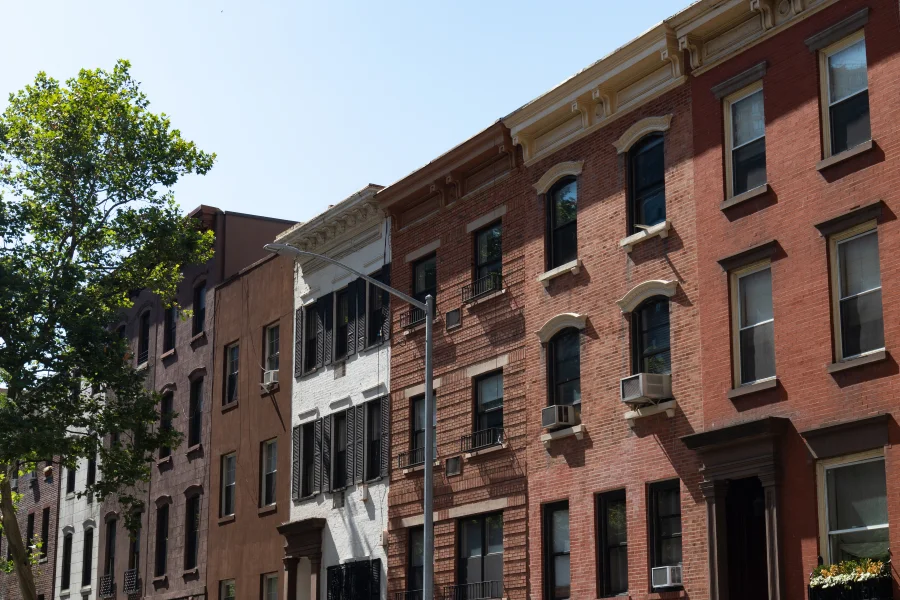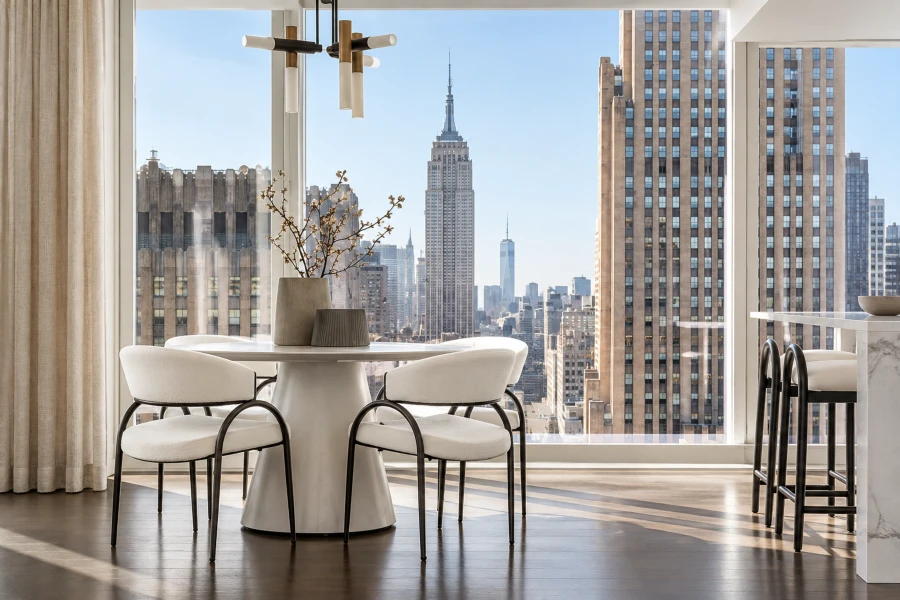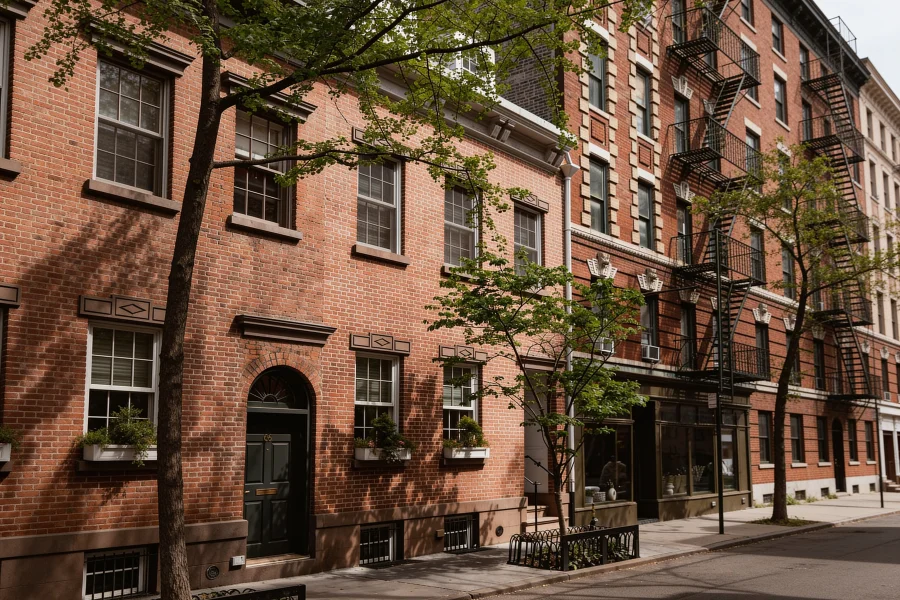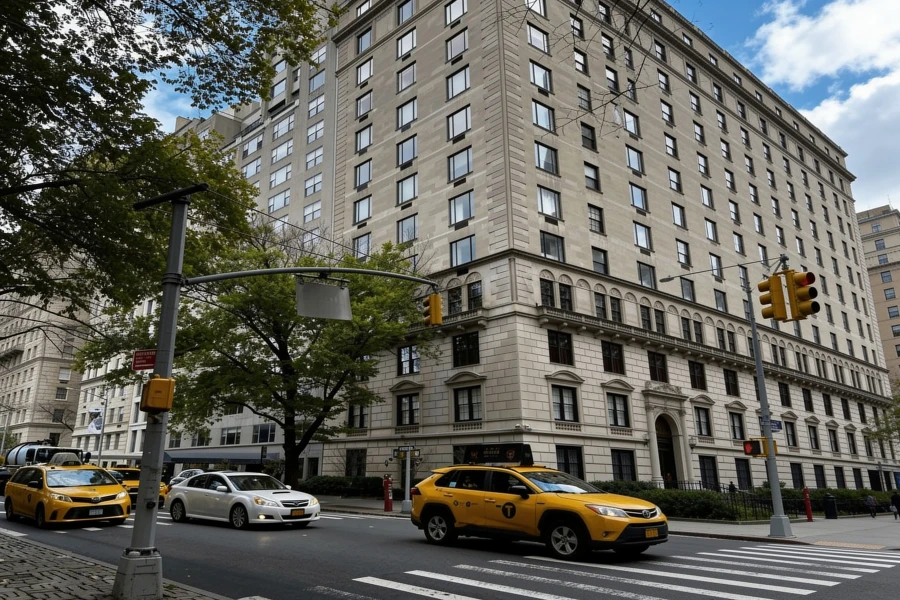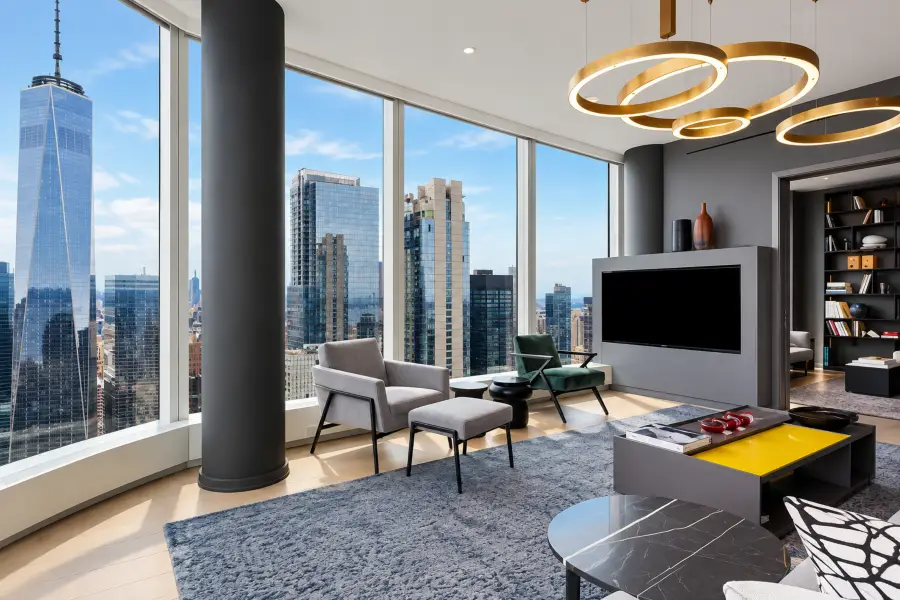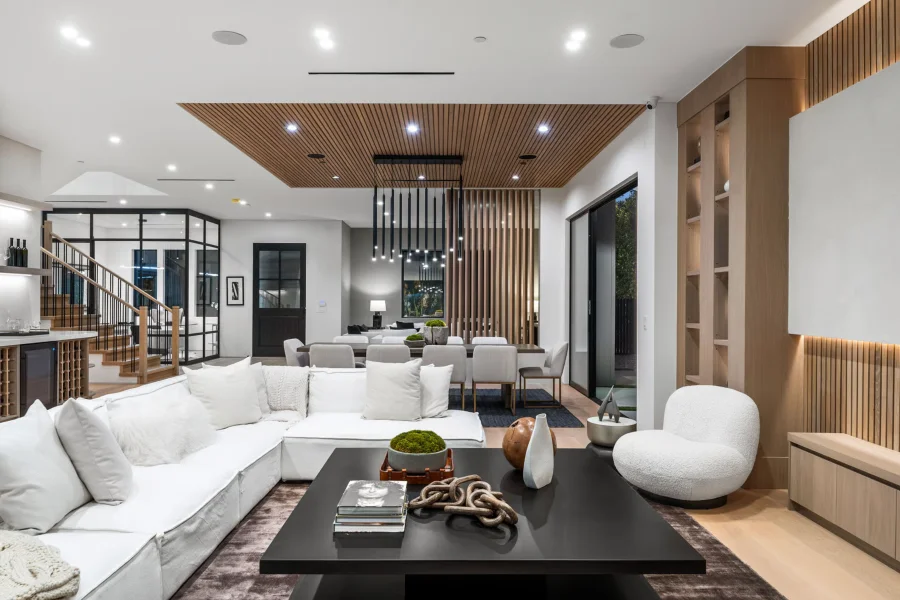
Eastlight Residence 10A, a 558-square-foot studio, recorded a $890,000 sale on July 1, 2026 after a $895,000 last ask. Dated 2026 Kips Bay Towers snapshots showed studios around $700,000 and one-bedrooms around $800,000 to $925,000. That is the useful truth about buying an apartment in Kips Bay at this budget: $890,000 can reach a resale or an occasional newer-development studio, but it does not buy the same product in every building.
Every building named below is a condominium, but the legal counts and public marketing counts are not always identical. Eastlight’s filed plan lists 144 residences, VU’s lists 100, Hillrose28’s lists 43, and Kips Bay Towers’ official site describes 1,118 units. Hendrix House was marketed as 60 residences, while a later developer page describes 59 units. Those details matter because the financing, approval process, closing costs, and resale rules differ from a co-op purchase.
Where Kips Bay Sits
For a common real-estate-market definition, Kips Bay runs approximately from East 23rd Street to East 34th Street, between Lexington Avenue and the East River. Neighborhood boundaries are informal, not legal lines, and sources draw them differently. When a listing is marketed as Kips Bay, confirm the address and compare it with the same data boundary used for the market statistics.
Current Kips Bay figures vary by source, date, boundary, and whether they measure asking prices or closed sales. One public dataset reported a $895,000 median sale price for March 2026, while another showed a $862,500 median asking price on July 2, 2026. Those measures are not interchangeable. Use them as dated context, not as a valuation for a particular unit. The earlier draft’s $715,000 median, $1,326-per-square-foot figure, 57-transaction count, and $785,000 Murray Hill comparison were removed because the underlying dataset could not be independently verified.
What $890,000 Reaches in Specific Kips Bay Buildings

The cleanest way to understand the budget is building by building. The examples below are dated 2025 and 2026 listing or closing snapshots. They are not promises of current availability, so every price and status should be refreshed before touring or offering.
Eastlight at 501 Third Avenue
Eastlight is a 144-residence condominium whose Attorney General plan became effective on May 17, 2022. Public reporting says closings began in late 2022. Residence 10A, a 558-square-foot studio, had a $895,000 last ask and recorded a $890,000 sale on July 1, 2026. Dated April 2026 listing histories placed one-bedrooms at approximately $1.285 million. At $890,000, Eastlight is documented studio territory rather than a general one-bedroom entry point.
Kips Bay Towers
Kips Bay Towers is a two-building condominium complex whose official site describes 1,118 units. Dated 2026 public snapshots showed a studio around $700,000 and one-bedrooms around $800,000 to $925,000, with listing status varying between active and in contract. The cited examples include several units near $890,000, but the breadth of current options changes as listings sell or are withdrawn. Condition, line, floor, common charges, taxes, and renovation needs still decide value.
VU at 368 Third Avenue
VU is a 100-residence condominium whose Attorney General plan became effective on June 30, 2021. Construction was reported complete in June 2022. Dated 2026 one-bedroom listing snapshots showed asking prices of $1.35 million and $1.395 million. At $890,000, a VU purchase would require confirmation of a specific lower-priced studio, its active status, concessions, and contract terms rather than assuming the building is a dependable target at this budget.
Hendrix House at 250 East 25th Street
Hendrix House was marketed at launch as a 60-residence condominium, while a later developer page describes 59 units. Studios were advertised from $895,000 at the 2024 launch. A November 18, 2025 snapshot showed no available studios and two available one-bedrooms from $1.52 million to $1.58 million. The project opened for immediate move-in in 2025, but the earlier statement that closings began that year was removed because a dated government closing record was not verified.
Hillrose28 at 181 East 28th Street
Hillrose28 is a 43-residence condominium, not a co-op. Residence 1402, a 1,267-square-foot two-bedroom, sold for $2.85 million on February 9, 2026. A September 2, 2026 public building snapshot showed no active sale inventory. It is relevant to the neighborhood’s newer condo market, but the verified evidence does not make it an $890,000 option.
What the Purchase Costs at $890,000
Assume a resale condo with 20% down. The down payment is $178,000 and the mortgage is $712,000. At this price there is no mansion tax because New York State’s 1% additional tax starts at $1 million. A preliminary 2% to 4% resale-condo planning range equals $17,800 to $35,600, bringing the down payment plus estimated closing costs to $195,800 to $213,600 before unusual adjustments, prepaids, or building charges. This is a planning range, not final cash to close.
A customary 10% contract deposit would be $89,000, but the contract controls the amount. That deposit is credited toward the $890,000 price. Under the 20%-down assumption, approximately another $89,000 of purchase-price equity would remain due at closing, plus closing costs and adjustments. For a qualifying $712,000 condo mortgage, the illustrative borrower’s 1.925% mortgage-recording-tax share is $13,706. The combined statutory tax is $15,486 before credits or exemptions, including a separate illustrative $1,780 lender component.
Before setting your final cash budget, review Manhattan buyer closing costs for a complete breakdown of taxes, lender charges, title expenses, and building fees.
If you want a straight answer on what your budget actually reaches in Kips Bay before you start touring, reach me at TheNewYorkCityBroker.com/contact-me and I can assist you.
Condo Resale Versus Sponsor Condo
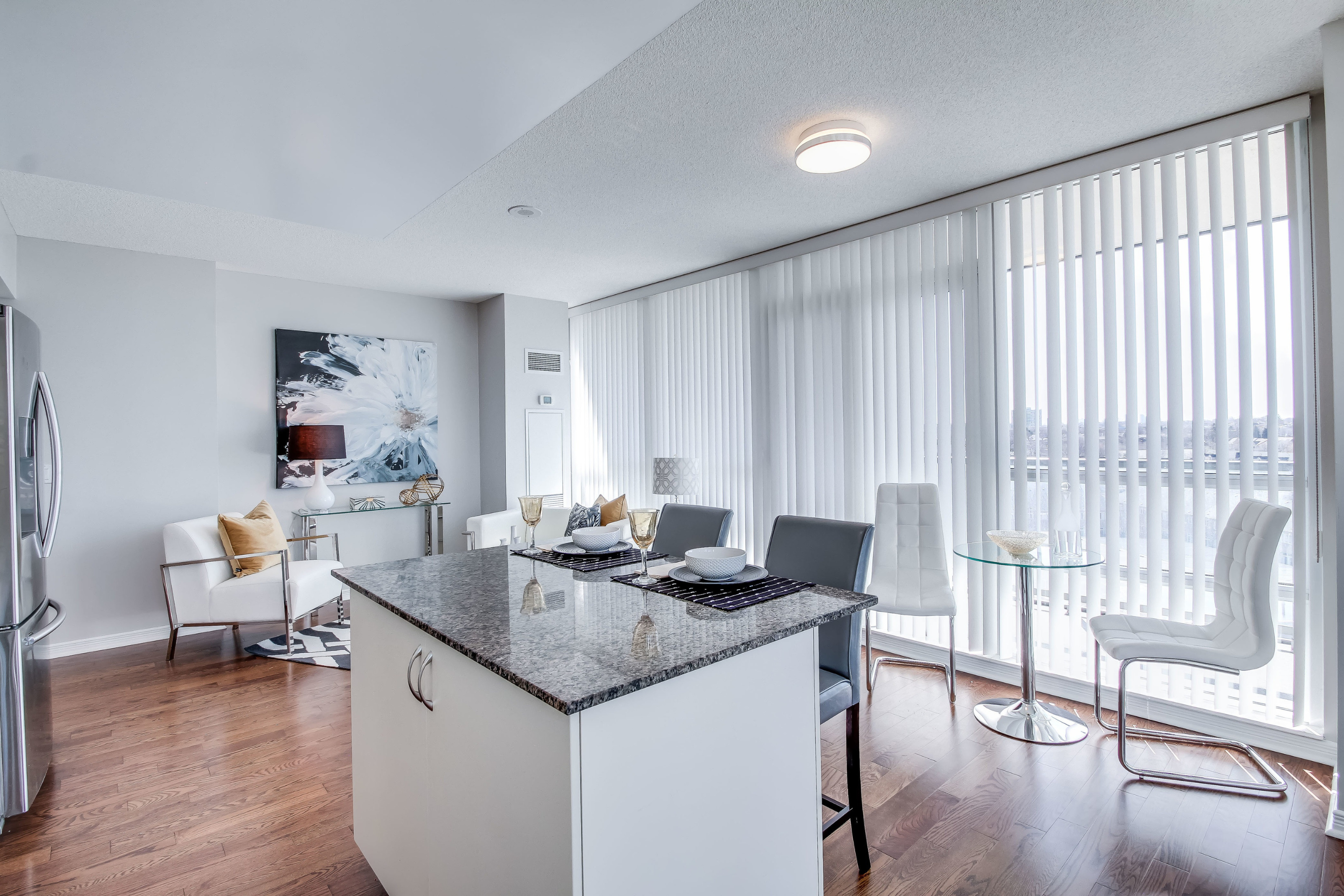
Every named building in this article is a condominium, but that does not make every purchase financially identical. A financed resale condo may use roughly 2% to 4% as an illustrative planning range. A sponsor or new-development purchase may run around 4% to 6% or more when the offering plan and contract shift transfer taxes, sponsor counsel, working capital, or other charges to the buyer. Neither range is statutory, and the itemized contract estimate controls.
The allocation is contractual. Do not assume every sponsor deal shifts every fee, and do not assume the sponsor will pay them. Ask for a transaction-specific closing-cost estimate before making the offer. At a budget close to $890,000, a sponsor studio and a resale one-bedroom can require very different cash even when their asking prices appear similar.
A condo generally lacks a co-op board’s discretionary purchaser-approval process, but the declaration and bylaws may still require an application, building documents, and a waiver of a right of first refusal where the governing documents provide one. The lender may also impose project-level requirements. Confirm the exact procedure for the building rather than assuming every condo uses the same process.
Monthly Costs Matter as Much as the Asking Price
Compare common charges, property taxes, insurance, and any assessment on every apartment. Two $890,000 condos can create very different monthly payments. A smaller new-development studio may carry a different tax and amenity profile from an established one-bedroom that needs renovation. The right comparison is total monthly cost plus the cash needed at closing.
Read the building’s financial statements, budget, insurance information, and assessment history. Look at reserve levels and major capital projects. Thin reserves or planned work do not automatically make a building unsuitable, but they can affect future charges and lender approval. Ask your attorney to explain the financial documents in plain language before the contract becomes binding.
Some co-op boards use roughly 12 to 24 months of post-closing carrying costs as a planning benchmark, but no universal New York rule requires that range and building standards vary. Since the named buildings here are condos, do not apply a co-op formula automatically. A condo lender may still require borrower reserves, while project review can examine the condominium’s budget and replacement reserves. Keep a cash cushion rather than using every available dollar at closing.
Making a Strong Offer

Start by confirming whether the unit is a sponsor sale or resale, then obtain a lender estimate and attorney closing-cost estimate for that structure. Show proof of funds for the down payment and costs. If financing, use a lender familiar with the building and confirm the project meets its underwriting standards.
Timing can strengthen the offer. Allow roughly 60 to 90 days from a fully executed contract for a straightforward financed condo resale, not from the accepted offer. Cash can move faster, while lender, title, building-document, or right-of-first-refusal waiver procedures can add time. Ask what schedule the seller needs before offering flexibility. Terms only help when they solve the seller’s actual problem.
Price matters, but certainty matters too. A slightly lower offer with clear financing, sufficient cash, and a realistic closing schedule may be more compelling than a higher offer carrying execution risk. That is not a rule that the lower number wins. It is a reason to present the offer as a complete package rather than one headline figure.
The $1 Million Tax Threshold
At $890,000, the buyer does not pay New York State’s mansion tax. At exactly $1 million, the 1% tax is $10,000. A separate New York State supplemental tax applies to qualifying residential conveyances in New York City at $2 million or more. The combined mandatory buyer-side mansion and supplemental rates rise from 1% to 3.9% across the statutory thresholds, and the applicable rate applies to the full purchase price within its bracket.
The first cliff is simple: a $999,999 purchase has no mansion tax, while a $1 million purchase creates a $10,000 tax bill. Crossing by one dollar therefore increases purchase price plus this tax by $10,001 before other costs. That does not mean every deal should be forced below the line. It means buyers and sellers should understand the exact cash effect when negotiating near it.
If You Are Selling in Kips Bay
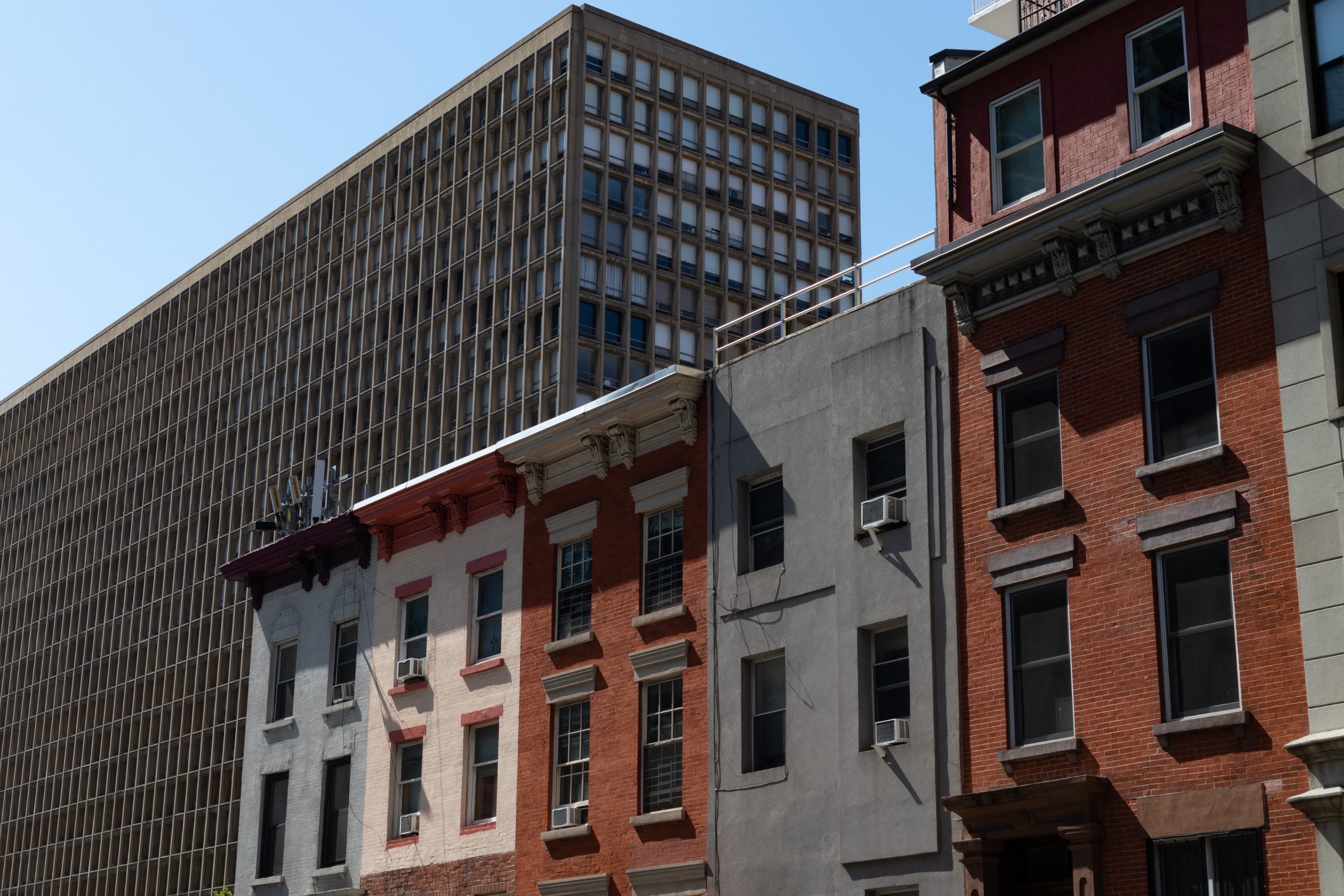
Price against your building, line, condition, and current competition rather than the blended neighborhood median. Kips Bay Towers, Eastlight, VU, Hendrix House, and Hillrose28 are all condos, yet their age, size, finish level, monthly costs, and buyer expectations differ substantially. Averaging them together will not produce a defensible asking price.
If your apartment is near $1 million, consider both the tax cliff and online search bands. A listing just above $1 million creates a buyer tax and may be excluded where a buyer has set a $1 million maximum. That can narrow visibility, but it is not by itself a reason to price below the threshold. The launch strategy should weigh comparable sales, competition, likely negotiation, and the size of the buyer pool.
Presentation should match the competition buyers will see. A resale at Kips Bay Towers may offer more usable space at this budget, while Eastlight, VU, or Hendrix House may offer newer finishes and amenity packages at higher prices. Prepare the apartment so the value difference is obvious rather than implied. Fresh paint, corrected lighting, repairs, uncluttered rooms, and clear photography can matter more than a broad renovation. In the listing copy, explain monthly charges, recent improvements, storage, outdoor space, and any assessment accurately. Buyers comparing an established resale with sponsor inventory need a clean explanation of what they gain, what they may need to update, and how the total monthly and closing costs differ.
Qualify the buyer’s financing and cash without declaring one offer automatically better. A slightly lower offer from a buyer with clear funds and a lender familiar with the building may ultimately be more compelling than a higher offer with more closing risk. Prepare financial statements, assessment information, insurance details, and the building’s application requirements before listing so diligence does not become the first time anyone sees them.
Buying an Apartment in Kips Bay: Work From the Building Out
At $890,000, start with the dated Kips Bay Towers resale examples and watch for an occasional Eastlight studio. Treat documented VU one-bedrooms, the November 2025 Hendrix House inventory, and Hillrose28 as higher-budget comparisons. Then calculate closing cash, monthly carrying costs, condition, and reserves before deciding what the asking price really buys.
If you’re weighing a Kips Bay purchase or another New York City real estate move, contact Brett through TheNewYorkCityBroker.com/contact-me to talk through the right next step.
Frequently Asked Questions
At $890,000, documented examples include Kips Bay Towers studios and some one-bedroom resales, plus an occasional Eastlight studio. Eastlight 10A, a 558-square-foot studio, recorded a $890,000 sale on July 1, 2026. Dated Kips Bay Towers snapshots showed a studio around $700,000 and one-bedrooms around $800,000 to $925,000, with different statuses. The same budget fell below the cited VU and available Hendrix House one-bedrooms, while Hillrose28’s verified resale was much higher. Refresh availability, monthly charges, taxes, condition, and closing costs before offering.
Yes, $890,000 can be enough for a Kips Bay one-bedroom, particularly in established resale inventory such as the dated Kips Bay Towers examples. It is less likely to reach one in the newer buildings reviewed here. Eastlight one-bedrooms were approximately $1.285 million in April 2026, cited VU one-bedrooms asked $1.35 million and $1.395 million, and November 2025 Hendrix House one-bedrooms ranged from $1.52 million to $1.58 million. Compare usable space, renovation needs, monthly costs, amenities, lender requirements, and sponsor closing costs.
With 20% down, the down payment is $178,000 and the mortgage is $712,000. A preliminary 2% to 4% resale-condo range adds $17,800 to $35,600, so the down payment plus estimated closing costs equals $195,800 to $213,600 before adjustments, prepaids, or building charges. A customary 10% deposit of $89,000 is credited toward the price. There is no mansion tax below $1 million. A qualifying $712,000 mortgage produces an illustrative borrower mortgage-recording-tax share of $13,706 before credits or exemptions.
All five are condominiums. Eastlight’s filed plan lists 144 residences, VU’s lists 100, Hillrose28’s lists 43, and Kips Bay Towers’ official site describes 1,118 units. Hendrix House was marketed as 60 residences, while a later developer page describes 59. Condo buyers generally avoid discretionary co-op approval, but governing documents may still require an application and right-of-first-refusal waiver. Lenders can impose project or reserve requirements. Legal type alone does not determine closing costs because sponsor and resale contracts allocate charges differently.
You pay New York State’s mansion tax when a qualifying residential purchase reaches $1 million. At $890,000, it does not apply. At exactly $1 million, the buyer generally owes 1%, or $10,000, on the full price. A separate New York State supplemental tax starts at $2 million for qualifying New York City residential conveyances and increases at higher statutory thresholds. Near $1 million, compare the apartment’s value with the additional cash rather than treating the threshold as an automatic reason to walk away or force the seller below it.
Check monthly common charges and taxes, financial statements and reserves, assessments, insurance, capital work, litigation, and sponsor or resale closing charges. Confirm whether the lender has approved or recently financed the project. Review the application and right-of-first-refusal process, although a condo board generally lacks a co-op board’s broad discretion to reject a buyer. Compare the unit with active and recently closed apartments in the same building or a genuinely similar property. Also confirm alteration history, open permits, move-in rules, storage rights, and any current assessment balance. Neighborhood data is context, but the building, line, condition, and overall monthly carrying cost determine value.