

Two Financial District condos with similar asking prices can carry very different monthly costs. A current $899,000 listing at 75 Wall Street showed $1,112 in monthly common charges plus $1,772 in taxes and a temporary operating assessment. A current $999,999 listing at One Wall Street showed $1,271 in common charges but did not display a tax figure. The listing price alone does not tell you what ownership costs.
That spread is building-specific, not proof that Financial District common charges are higher than every other Manhattan neighborhood. The area includes office conversions, prewar rehabs, hotel conversions, and newer residential towers with different staffing, elevators, amenities, insurance, reserve contributions, and capital plans. Compare the actual building budgets, not a neighborhood stereotype.
The market context also depends on the data set. A March 2026 closed-sale snapshot showed a $1.2 million blended Financial District median and a $1.3 million condo median across 46 condo transactions. The same source showed blended median price per square foot of $1,164 and rounded condo median price per square foot near $1,000. An early-2026 asking-price report showed roughly $1.2 million. Asking and closed-sale figures are not interchangeable. For broader direction, review Financial District real-estate market trends.
What Common Charges Cover
Common charges fund the condominium’s shared operation. Typical budget lines include staff, management, insurance, electricity and utilities for common areas, repairs, cleaning, elevator and mechanical service contracts, legal and audit work, amenities, security, and contributions to reserves or working capital. The precise list comes from the declaration, budget, financial statements, and board decisions.
For a separately taxed condo unit, the owner’s NYC real-estate tax bill is generally separate from common charges. That is the key distinction from a co-op, where the corporation receives the building tax bill and maintenance generally funds building taxes, operating expenses, and any underlying mortgage debt service. A co-op maintenance figure and condo common charge cannot be compared without adding the condo’s separate taxes.
Common charges can also coexist with a separate assessment. An assessment may be billed as a lump sum, monthly installments, or a temporary charge. It is not safe to say assessments always sit outside the monthly number, because a listing may display the installment beside the regular charge.
Run the Real Monthly Number

Compare recurring monthly costs in the same units. Start with mortgage principal and interest, then add common charges, unit property taxes, insurance, assessments, and any known recurring surcharge. Keep the purchase price and down payment in a separate upfront-cash calculation. Adding a one-time price directly to monthly charges mixes two different measurements.
For an illustration, assume a $1.4 million condo with 20% down. The down payment is $280,000 and the loan is $1.12 million. A 30-year fixed loan at a hypothetical 6.5% produces principal and interest of approximately $7,079 per month. That is not the total housing payment. Taxes, insurance, common charges, assessments, and any lender escrow sit on top.
A $400 monthly difference equals $48,000 in nominal payments over ten years. At a 6.5% mortgage rate, $400 per month has a present value of about $63,284 over 30 years. At 80% financing, that is roughly $79,105 of purchase-price capacity. Those are alternative ways to frame the same recurring expense, not figures to add together.
If you want a building-level comparison of monthly ownership costs before offering, contact Brett with the units you are considering.
What Current FiDi Listings Show

Dated listing snapshots make the range concrete. At 75 Wall Street, Residence 32R was marketed at $899,000 with $1,112 common charges, $1,772 taxes, and a $134.18 monthly operating assessment scheduled through January 1, 2027. At 40 Broad Street, Residence 18A was marketed at $965,000 with $1,165 common charges and $1,752 taxes.
One Wall Street Residence 924 was marketed at $999,999 with $1,271 common charges in an August 2026 listing snapshot, although the accessible listing did not show unit taxes. At 15 Broad Street, Residence 3100 was marketed at $1.999 million with $2,245 common charges and $2,842 taxes in a June 2026 snapshot.
These are asking snapshots, not audited operating statements or verified tax bills. They show why every comparison needs the unit size, taxes, common charges, assessments, concessions, and date. A sponsor paying one year of common charges changes short-term cash flow but does not change the building’s underlying cost structure.
Why Building Type Matters
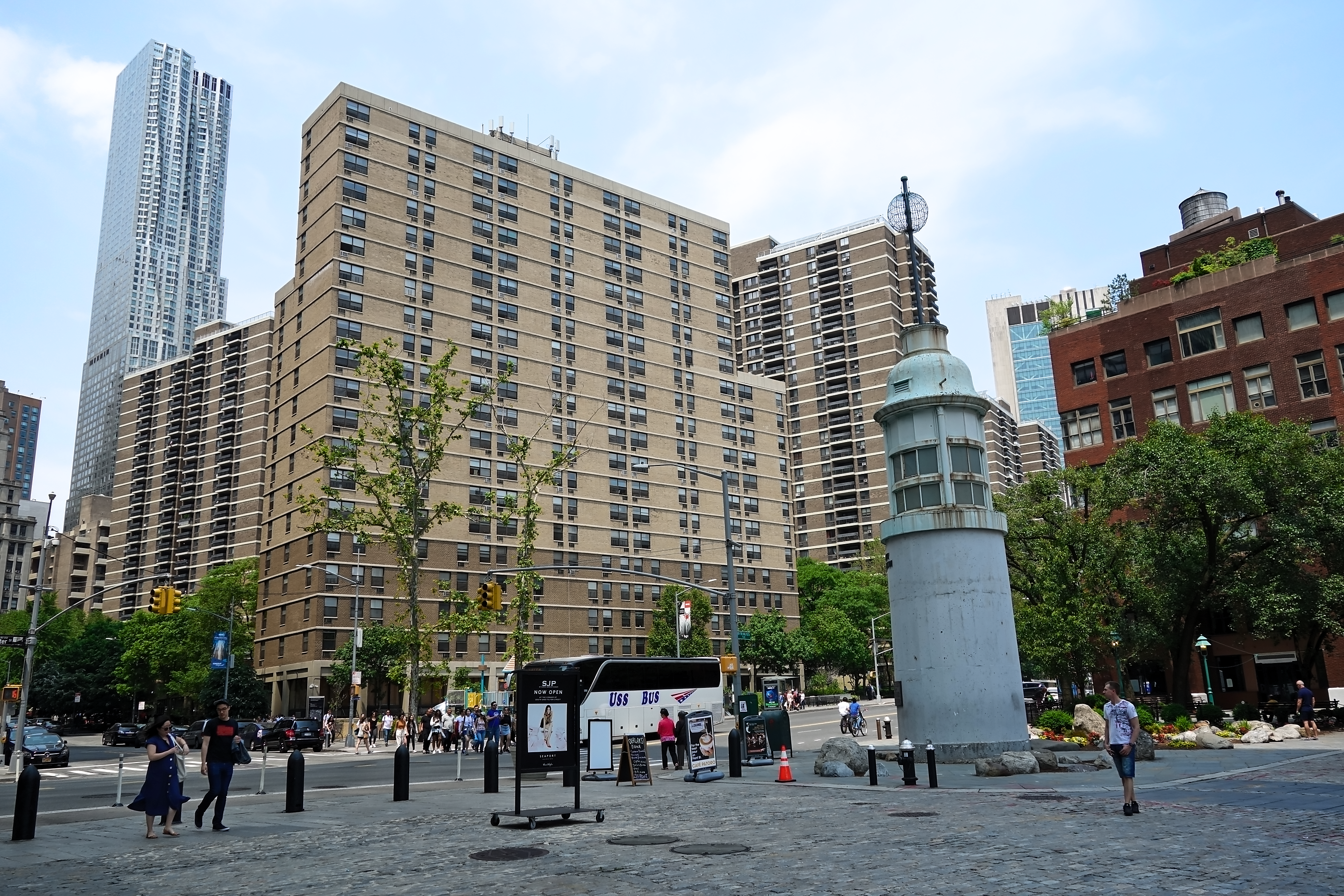
Financial District conversions may retain, adapt, or replace portions of former commercial infrastructure. Elevators, plumbing, electrical systems, HVAC, windows, facade, life safety, and deep floor plates can require expensive conversion or future capital work. Do not assume a converted building retained every old system or that every conversion costs more. Read the offering plan, engineering disclosures, DOB records, capital plan, and financials.
Amenities and staffing are visible cost drivers. A full-time doorman, concierge, resident manager, porters, pool, spa, roof deck, lounge, fitness center, package operation, and multiple elevator banks require payroll, utilities, insurance, cleaning, and service contracts. Staffing is often one of the largest variables, but the mix differs by building.
Scale cuts both ways. More units can spread fixed costs, but a larger tower may also operate a much larger amenity and mechanical program. Cost per square foot is useful only after confirming what the building provides and whether the unit allocation is comparable.
Insurance, Utilities, and Service Contracts
Insurance is a material budget line, and premiums can change quickly. Older or converted structures may face different underwriting depending on construction, claims history, location, replacement cost, flood exposure, and coverage. One Wall Street’s management has publicly described the difficulty of obtaining adequate insurance at a reasonable cost near major Lower Manhattan landmarks. That is an example, not a neighborhood-wide rule.
Utilities for lobbies, corridors, amenity floors, mechanical systems, ventilation, exterior lighting, and elevators also matter. So do maintenance contracts. A building can have modern systems and still carry high costs because the service level is extensive. Another can have modest amenities but rising repair needs.
Ask for the budget comparison across years. The useful questions are which categories increased, whether the increase is recurring, whether a one-time repair is being capitalized or expensed, and whether the board changed reserve contributions at the same time.
Reserves and Assessments

A low common charge is not proof of a low-cost building. Review the reserve balance, annual contribution, capital plan, pending projects, recent financial statements, borrowing, and assessment history. Strong reserves may reduce assessment risk, but they cannot eliminate it. Major work can still exceed the available fund.
A high charge is not proof of financial strength either. The budget may reflect services, operating inefficiency, insurance, utilities, debt, litigation, or a temporary repair. The financial statements and board materials tell you whether owners are funding current operations, reserves, or both.
Ask whether any project is under discussion even if no formal assessment has been set. A project without a fixed amount may not appear as a current assessment. Counsel should review budgets, minutes where available, notices, contracts, engineering reports, and known capital work.
Taxes and Abatements

Condo property taxes are assessed by NYC, not set by the condominium board. Most larger condos are Class 2 property. The published Class 2 tax rate cannot be multiplied directly by purchase price because taxable value depends on assessment methodology, transitional values, exemptions, abatements, and unit allocation.
Some owners may qualify for the cooperative and condominium tax abatement, generally through the board or managing agent and subject to primary-residence and filing rules. Other buildings may have 421-g, 421-a, J-51, or another benefit. These programs are not interchangeable, and an active benefit can affect eligibility for another one.
Confirm the exact program, benefit year, eligibility, phase-out, and projected post-benefit bill. The old 421-g Lower Manhattan conversion program is closed to new applications. The newer 467-m program is aimed at qualifying rental conversions, not a general condo-owner tax benefit.
A Sponsor Budget Is a Forecast

In a sponsor sale, the quoted common charges and taxes usually come from the offering plan’s projected first-year budget. New York Attorney General rules require detailed assumptions for labor, utilities, repairs, service contracts, insurance, management, legal and audit costs, reserves or working capital, and other expenses. The projection is disclosure, not operating history.
Treat it as an underwriting model. Check any sponsor guarantee or subsidy, the staffing assumptions, amenity budget, insurance estimate, projected taxes, reserve funding, and expected occupancy. If the building already operates, request current budgets and actual financial statements and compare them with the original projection.
Charges can rise after the first operating year when actual costs exceed projections, but do not assume every new building increases in year two. The point is to budget from evidence rather than the sales sheet alone.
How Amenities Affect Value

Amenities are neither free nor automatically wasteful. A pool, gym, terrace, lounge, or staffed package room may replace services a buyer would otherwise purchase and can support resale appeal for some buyers. The same amenity can be poor value for an owner who will not use it.
Some buyers overestimate future use, so compare the program with how you actually live. Then compare the charge with alternatives. A building with fewer amenities may still cost more because of insurance, staff, repairs, or unit count. A long amenity list is not a complete explanation of the budget.
Do not assume stronger amenities guarantee stronger appreciation. Resale depends on purchase price, monthly costs, building condition, location, inventory, financing, and demand. The better question is whether the service package justifies the recurring cost for the target buyer pool.
Closing Costs Are a Separate Calculation

Buyer closing costs vary by transaction. A financed resale condo often costs more to close than a resale co-op because the condo can involve mortgage recording tax and title insurance. A sponsor condo can cost more again if the contract shifts seller transfer taxes, sponsor counsel, working capital, and other charges. Percentage ranges must state whether mansion tax is included.
New York State’s mansion tax is 1% on qualifying residential purchases of $1 million or more. A separate New York State supplemental tax applies to qualifying New York City residential purchases at $2 million or more. Combined, the buyer-side rates are 1% from $1 million to under $2 million; 1.25% from $2 million to under $3 million; 1.5% from $3 million to under $5 million; 2.25% from $5 million to under $10 million; 3.25% from $10 million to under $15 million; 3.5% from $15 million to under $20 million; 3.75% from $20 million to under $25 million; and 3.9% at $25 million or more.
At $1.4 million, the mansion tax is $14,000 and no supplemental tax applies. Keep that one-time amount out of the monthly common-charge comparison, but include it in cash to close.
If You’re Selling in a High-Charge Building

Your carrying cost influences value because buyers underwrite a monthly budget. If your common charges, taxes, or assessment installments are higher than competing apartments, either the price reflects the difference or the marketing explains what the buyer receives: staffing, reserves, services, amenities, recent capital work, or a stronger operating record.
Prepare the evidence before listing. Provide current common charges and taxes, the budget, financial statements, reserve information, assessment schedule, capital-project details, insurance, recent increases, amenity costs, and any tax-benefit documentation. Late surprises create renegotiation risk and make an otherwise explainable number look hidden.
Price against closed sales in the building and line, then compare active units on full monthly carrying cost. Higher charges may support a lower offer when a similar alternative offers comparable utility at lower recurring cost, but the effect is not automatic. Condition, services, reserves, taxes, and buyer demand complete the analysis. Show the calculation clearly instead of hoping buyers ignore it.
Financial District Common Charges: What to Establish First

For every apartment, calculate mortgage principal and interest, common charges, unit taxes, insurance, assessments, and any recurring surcharge. Separately calculate down payment and closing cash. Ask what the reserve holds, what capital work is planned, what insurance and staffing cost, and whether the displayed tax includes an abatement.
For a conversion, verify what systems were replaced and what remains. For new development, compare the sponsor projection with actual operations when available. The apartment is what you tour. The monthly budget is what you continue paying.
If you’re comparing a Financial District purchase or another New York City property, contact Brett for an all-in building cost comparison.
Frequently Asked Questions
There is no reliable single neighborhood amount for every Financial District condo. Charges depend on unit allocation, staffing, elevators, amenities, utilities, insurance, management, reserves, service contracts, and assessments. Current listing snapshots illustrate the range: 75 Wall Street #32R showed $1,112 per month plus an assessment; 40 Broad #18A showed $1,165; One Wall Street #924 showed $1,271; and 15 Broad #3100 showed $2,245. These are dated asking-listing figures, not audited building expenses. Compare common charges per unit and per square foot, then add taxes and assessments. The current budget and audited financials matter more than a neighborhood average.
A separately taxed condo unit’s own NYC real-estate tax bill is generally separate from common charges. Common charges fund shared building expenses such as staffing, insurance, management, utilities, repairs, amenities, service contracts, and reserves. A co-op works differently: the corporation receives the building tax bill, and shareholder maintenance generally funds building taxes, operating costs, and any underlying mortgage debt service. Do not compare condo common charges directly with co-op maintenance or add the co-op’s building tax again without checking what maintenance already includes. Also confirm whether a condo listing’s tax figure reflects an abatement, exemption, sponsor estimate, or primary-residence benefit.
The buildings operate different service and physical programs. Financial District housing includes office conversions, hotel conversions, prewar rehabs, and newer residential towers. A building may have full-time staff, multiple elevators, a pool, spa, roof deck, lounges, large common areas, or complex mechanical systems. Another may offer fewer services but face higher insurance, repair, or reserve needs. Conversion history alone does not prove higher costs because systems may have been replaced. Review staffing, amenities, insurance, utilities, service contracts, unit count, reserve contributions, capital work, and assessments in the actual budget. The neighborhood label cannot explain the monthly figure by itself.
No. A low charge can reflect an efficient building with modest services, but it can also coexist with low reserve contributions, deferred work, debt, or future assessments. A high charge is not automatically healthy either; it may reflect services, insurance, utilities, repairs, debt, or inefficiency. Review the reserve balance, annual contribution, capital plan, assessment history, borrowing, audited statements, board notices, and projects under discussion. Strong reserves may reduce assessment risk but cannot eliminate it. Compare what owners are funding today with the building’s known obligations over the next several years rather than treating the lowest monthly number as the best financial result.
Yes. The board adopts budgets and can increase common charges when staffing, insurance, utilities, repairs, service contracts, reserves, or other expenses rise. In sponsor sales, the first-year figure usually comes from a projected offering-plan budget. That projection may differ from actual operations once the building is staffed and occupied. Check any sponsor guarantee or subsidy and compare projections with actual statements when available. Taxes and assessments can also change independently. Signing a purchase contract does not freeze common charges or taxes for the ownership period. Budget for increases, but do not assume every new building automatically raises charges in year two.
Compare the all-in recurring cost with genuinely similar apartments. Add mortgage principal and interest, common charges, property taxes, insurance, assessments, and recurring surcharges. Higher charges may justify a lower offer when another apartment provides similar utility at a lower monthly cost. The adjustment is not automatic because the charge may fund staffing, amenities, reserves, or recent capital improvements. A $400 monthly difference equals $48,000 over ten years. Use that arithmetic as one input, then weigh financial health, condition, competition, and resale demand.