

Selling a tenant-occupied FiDi condo means transferring a home and an existing landlord-tenant relationship. For neighborhood pricing context, see selling a condo in the Financial District. A lease usually survives the deed, so the seller must price, market, document, and close around tenant rights. This guide explains New York rules, timing, and a respectful Financial District strategy.
Selling a Tenant-Occupied FiDi Condo: Start With the Lease
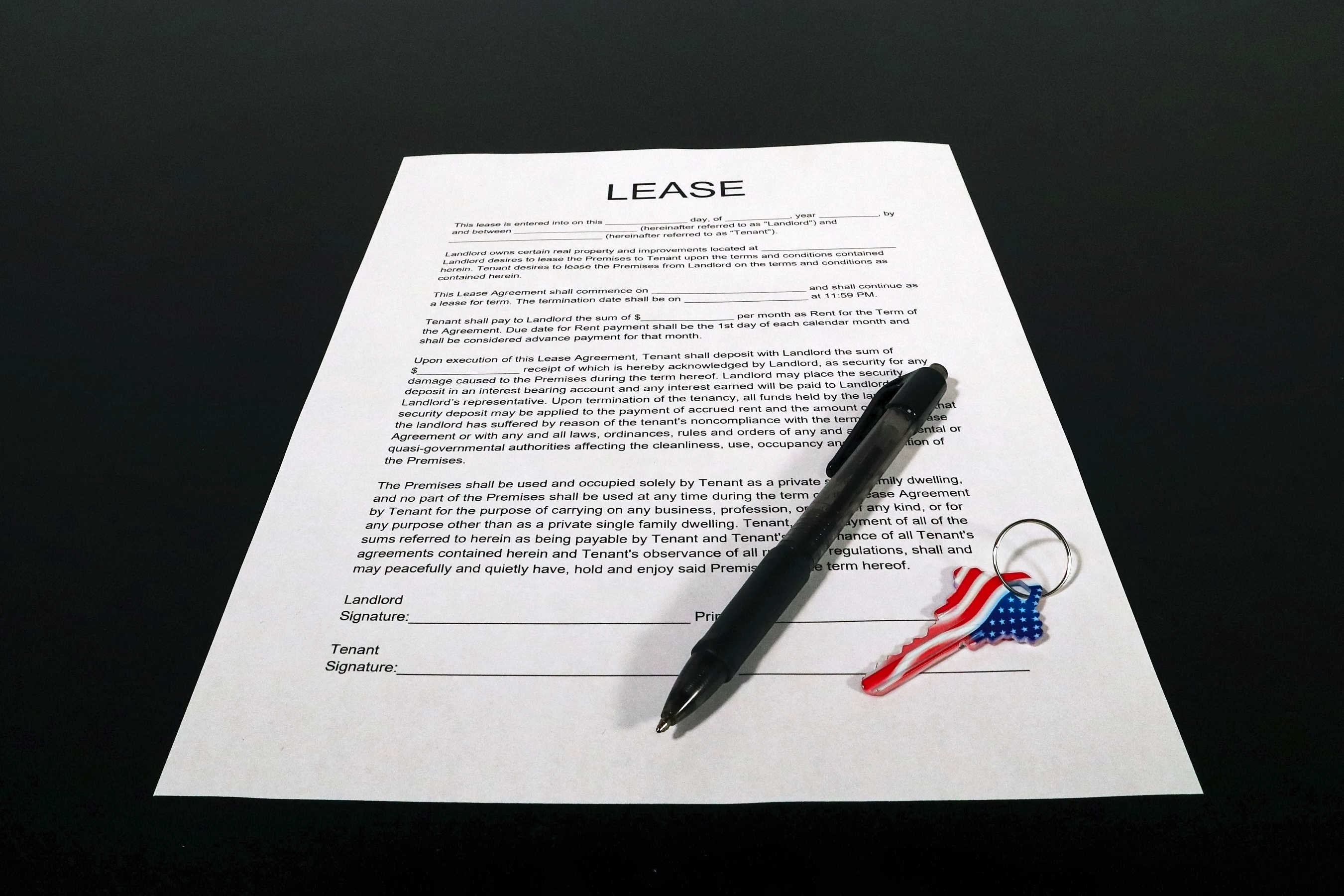
A deed transfers the owner’s interest, not a magic right to vacant possession. Unless the tenant voluntarily agrees to an enforceable surrender, or a lawful termination and court process applies, the buyer generally takes the unit subject to the existing tenancy. The purchase contract must say whether the buyer accepts the tenant, the lease, and its records.
Before advertising, assemble the signed lease, renewals, riders, amendments, notices, payment ledger, security-deposit proof, insurance information, and any pending repair or complaint history. Confirm the exact owner, tenant, occupants, guarantors, concessions, renewal dates, options, and assignment or sublet language. Do not describe a unit as vacant, or promise delivery vacant, without counsel’s review.
A tenant-occupied listing should say clearly whether the tenancy will remain after closing, when the current term ends, and whether an owner-occupant buyer is realistic. Clarity prevents wasted showings and later contract disputes.
Fixed-Term Lease: Plan Around The Expiration Date
A fixed-term residential lease ordinarily binds the parties through its stated end date. A sale during the term does not itself authorize cancellation. Review any early-termination, buyout, relocation, access, showing, assignment, or sale clause, but interpret it narrowly and obtain a New York landlord-tenant lawyer’s advice before relying on it.
A buyer who wants immediate occupancy should not assume that a closing date equals a move-out date. The seller can market to investors who value an in-place tenant, negotiate a voluntary surrender with separate legal advice, or wait for a lawful expiration. A surrender agreement should address timing, consideration, releases, keys, condition, and whether any rent or deposit remains due.
Month-To-Month Tenancy: The 30, 60, Or 90-Day Rule
In New York City, Real Property Law 232-a points to RPL 226-c notice periods for ending a residential month-to-month tenancy. RPL 226-c also governs nonrenewal and proposed increases of at least 5 percent.
The period is based on the longer of occupancy length or lease term: at least 30 days for occupancy under one year without a lease of at least one year; at least 60 days when occupancy exceeds one year but is under two, or the lease term is one to under two years;
and at least 90 days when occupancy exceeds two years or the lease term is two years or longer.
Ask counsel to calculate exact-anniversary cases conservatively.
That rule is not a shortcut around rent regulation, a fixed term, a court proceeding, or defective service. The notice must be written and properly served, and its effective date must be calculated carefully. If timely notice is missing, the tenancy continues under existing terms until the required period runs. Have counsel prepare and serve it.
Have counsel also check whether the RPL 231-c Good Cause applicability or exemption notice must accompany a nonrenewal notice; an exempt condo still has a notice obligation where the statute applies. Do not serve a termination notice merely to make marketing easier. Confirm month-to-month status, regulatory status, occupancy history, renewal language, and the owner’s objective.
A discriminatory or retaliatory notice can create separate exposure and derail a transaction.
Know the Tenant’s Regulatory Status
Rent Stabilization and the 421-a Question
Condominium form does not answer whether a rental is regulated. Check the lease and riders, DHCR registration and rent history, benefit records, the building’s construction and conversion history, and any regulatory agreement. A rent-stabilized tenant generally has renewal rights and may not be treated as a market tenant simply because the unit is individually owned as a condo.
NYC renewal offers generally must be served 90 to 150 days before lease expiration.
421-a is especially fact-sensitive. Depending on the subdivision, construction dates, affordability designation, riders, benefit period, lawful rent, vacancy history, and other programs, a unit may be stabilized during benefits, remain stabilized afterward, or qualify for a statutory exemption. Never promise deregulation based only on a benefit expiration date or a broker’s understanding.
For 421-a (1-15), check the required lease and renewal riders, including the 12-point notice where applicable, and the tenant in occupancy at benefit expiration. A missing required notice can preserve stabilization. Affordable units may carry longer affordability and stabilization obligations. Under 421-a (16), market and income-restricted units follow different rules.
HCR lists a 2026 market-rate threshold of $3,217.40 for the specific 421-a(16) market-unit framework, not a universal deregulation threshold. Obtain a current HCR and HPD analysis for the specific apartment.
Good Cause Does Not Replace Stabilization Analysis
Real Property Law 214(7) exempts a unit owned as a condominium or cooperative, or subject to an Attorney General offering plan, from Article 6-A Good Cause Eviction coverage. The exemption is limited: the statute says it does not abrogate or limit rights or obligations under other state law. It therefore does not override rent stabilization, 421-a restrictions, a regulatory agreement, or the lease.
The statutory condo exemption is separate from the owner-occupied small-building exemption. Verify the current notice form and cite the condo basis accurately; do not use the exemption as a claim that the lease ends. Treat the condo exemption as a Good Cause question, not as a vacant-possession guarantee, and have counsel identify the law in force at service and closing.
Good Cause can matter for a covered non-regulated rental, but a condominium exemption may remove the unit from that article. Other grounds for possession have their own requirements. A proposed buyer’s wish to live in the unit does not itself create a termination right, and a rent-stabilized owner-occupancy claim has a separate statutory notice and court process.
Do not select a legal theory from a checklist without matching the tenant, unit, building, and evidence.
Market the Occupied Condo Respectfully

Showing Access: Lawful, Predictable, and Humane
New York has no universal 24-hour showing rule for every residential lease. Start with the lease, condo rules, and any applicable regulation. Access should be for a legitimate purpose, during reasonable times, with appropriate reasonable notice and coordination. Emergency entry and repair access can follow different rules. A tenant’s privacy and quiet enjoyment remain central.
Give advance written notice identifying the date window, expected duration, attendees, and purpose. Offer multiple choices, avoid repeated disruption, protect personal information, and never photograph documents, medication, children, or private spaces without permission. Use a licensed representative, keep a sign-in record, and stop if a safety or privacy concern arises.
A tenant may not unreasonably refuse access for showing the home to a prospective purchaser, but that principle does not authorize surprise visits, harassment, forced entry, or an unlimited stream of strangers. If access is refused, document reasonable requests and seek legal advice rather than escalating. A court order or other remedy may be appropriate in a particular case.
Security Deposit Transfer At Closing
General Obligations Law 7-105 generally requires the seller, at conveyance or within five days, to transfer the security deposit to the successor and notify the tenant by registered or certified mail of the transfer and the new owner’s name and address. The statute states an exception where the lease agreement is inconsistent with it; counsel should review the actual lease.
The buyer then becomes responsible for the deposit under the applicable statute and lease. If the tenant later vacates, separate inspection, itemization, and 14-day return rules may apply under GOL 7-107 or 7-108.
The closing file should show the deposit amount, account treatment, accrued interest when applicable, prepaid rent, deductions, and the transfer receipt. Do not silently net the deposit against sale proceeds. Give the tenant a clear written notice, retain proof of mailing, and ensure the buyer’s management contact is identified.
If the deposit is not transferred as required, the seller can remain exposed, and a buyer with actual knowledge may have obligations to the tenant. The statute also contains specific protections and liabilities for successor owners. Counsel should reconcile the lease, account records, and closing statement before funds are released.
Match the Buyer to the Lease

Owner Occupancy Versus an Occupied Unit
An owner-occupant buyer may want possession for a principal residence, but desire alone does not terminate a fixed-term or stabilized tenancy. The buyer’s lender, attorney, and broker should confirm whether the intended occupancy is legally and contractually possible. If the transaction depends on vacancy, make that condition explicit before accepting an offer.
Owner-occupancy rules can require a good-faith basis, formal notice, and a court proceeding. Protected tenants, including some older or disabled residents, may receive additional protection. A buyer must not make a representation about future occupancy that the evidence cannot support. Fraudulent or pretextual claims can create liability for both a landlord and a purchaser.
For a rent-stabilized unit, a buyer’s primary-residence plan is not a general override. Stabilized renewal rights, succession rights, senior or disability protections, and specific statutory grounds must be analyzed separately. If vacancy is essential, a negotiated relocation may be possible, but it must be voluntary, documented, and reviewed by counsel for both sides.
Investment Buyers And Rental Income
An occupied condo can appeal to an investor because the buyer sees continuity, operating history, and immediate rent. Present the actual lease, payment record, expenses, common charges, taxes, insurance, and restrictions on leasing. Do not inflate projected rent or imply that a regulated apartment can be reset to market merely because title changes.
For an eligible Fannie Mae investment-property purchase, the lender reviews a transferred lease, market rent evidence, and the buyer’s management experience. Its current subject-property guidance generally starts with 75 percent of documented gross rent and subtracts the property’s principal, interest, taxes, insurance, and association dues.
Positive adjusted rent is generally usable in full only with at least 12 months of management experience; otherwise it may merely offset the property’s housing expense. The buyer should obtain a lender-specific decision.
The seller can support financing with the executed lease, amendments, rent ledger, payment history, deposit records, and a realistic expense schedule. The buyer must separately supply tax returns, assets, management experience, and other borrower records. The seller cannot guarantee loan approval. A buyer’s lender may underwrite differently from another lender, especially when the lease is short, non-arm’s-length, preferential, disputed, or subject to regulation.
Prepare the Buyer File

Condo Documents and Due Diligence
A condominium resale is governed by the declaration, bylaws, rules, amendments, and building records as well as the lease. Ask the managing agent for the resale package, questionnaire, financial statements, budget, reserve information, insurance, assessments, litigation disclosure, violations, alteration records, leasing restrictions, application process, move rules, and required fees.
Review the offering plan and amendments when available. The New York Attorney General’s official database identifies plan filings, units, sponsors, dates, and posted documents. A plan is evidence about a project, not proof of a particular unit’s tenancy, rent status, condition, or present financial performance. Unit-specific records must come from the owner, tenant, managing agent, and public agencies.
One verified FiDi identity is 130 William Street Condominium, identified in Attorney General plan record CD180040 at 130 William Street, Manhattan. The record describes a condominium offering plan and lists residential units. It does not establish that any particular unit is tenant-occupied, and this article makes no such claim.
For a tenant-aware FiDi pricing plan, contact TheNewYorkCityBroker.com/contact-me.
Pricing And Positioning An Occupied Sale

Price the legal asset being offered, not a vacant fantasy. An investor may value rent and term, while an end user may discount for delay, access limits, or uncertainty. Compare occupied and vacant sales only after adjusting for lease economics, regulatory status, carrying costs, condition, common charges, assessments, and the buyer’s likely cost of obtaining possession.
Describe the offer in plain language. State the lease end date, current rent, security deposit, major concessions, access protocol, and whether the sale is offered subject to tenancy. Avoid tenant names, photographs of personal items, and speculative statements about a future move-out. A transparent listing attracts the right pool and preserves leverage with serious buyers.
Seller Strategy: A Controlled, Respectful Process
Start with a legal and financial audit before choosing a launch date. Have counsel classify the tenancy, confirm stabilization and 421-a facts, review owner-occupancy possibilities, and draft disclosures. Have the broker build two pricing cases: sale subject to the lease and sale after a lawful or voluntary vacancy. Do not serve notice until the strategy is approved.
Meet the tenant early and explain the timetable, access windows, safety rules, and single point of contact. Listen for constraints and document any agreed showing protocol. If relocation is discussed, make clear that no decision is required on the spot, provide time for independent advice, and avoid pressure. A tenant who feels respected is more likely to cooperate with orderly access.
Prepare a digital diligence room with the lease, rent ledger, deposit details, condo documents, operating costs, repair history, and a concise schedule of known issues. Screen buyers for their intended use without steering or discrimination. Keep all material representations consistent across the listing, offers, contract, lender package, and closing statement.
During marketing, schedule fewer, better showings and share feedback without identifying the tenant. During negotiation, allocate rent, deposit, risk, access, and possession expressly. At closing, transfer records and deposit properly, send the required tenant notice, and deliver the buyer’s contact information. After closing, introduce the new owner professionally and preserve the tenant’s ordinary privacy.
The strongest result is not always the fastest vacancy. A documented occupied sale can reach an investment buyer, protect the seller, and give the tenant a predictable experience.
Common Transaction Mistakes To Avoid

If the apartment’s lease, deposit, or intended buyer use is complicated, slow down before accepting a vacancy-dependent offer. A coordinated broker, real-estate attorney, managing agent, and rent-regulation lawyer can identify the issue early. For a FiDi sale or another New York City seller plan, contact TheNewYorkCityBroker.com/contact-me.
Frequently Asked Questions
No. A sale generally transfers the seller’s ownership interest while the existing lease remains in force. A fixed-term tenant ordinarily stays through the term unless the lease supplies an enforceable early-termination right or the tenant voluntarily agrees to surrender.
A month-to-month tenancy still requires proper written notice, service, and timing. A rent-stabilized lease adds renewal and eviction protections that title transfer does not erase. The contract should say whether the buyer accepts the tenant, lease, rent, deposit, and pending obligations. Counsel should verify any vacancy promise. The buyer should receive written notice of the ownership change and updated payment instructions.
RPL 232-a directs New York City residential month-to-month termination notices to the periods in RPL 226-c.
The period is based on the longer of occupancy length or lease term: at least 30 days for under one year and no lease of one year or longer; at least 60 days for occupancy over one but under two years, or a lease term of one to under two years;
and at least 90 days for occupancy over two years or a lease term of two years or more.
Counsel should calculate exact anniversaries conservatively.
Written notice must be properly served and calculated. These periods do not terminate a fixed lease or override rent stabilization, and a court proceeding may still be required. Service defects can extend the tenancy and create a costly holdover dispute, so the seller should not calculate a move-out date from the notice date alone.
No. RPL 214(7) excludes a condominium or cooperative unit, and certain offering-plan units, from Article 6-A Good Cause Eviction coverage. The statute expressly preserves other rights and obligations.
That exemption does not cancel a rent-stabilized lease, 421-a requirements, a regulatory agreement, or contractual duties. Determine status from the lease, riders, DHCR history, benefit records, and governing documents. Confirm current law before serving notice. Good Cause analysis is not a vacancy opinion. The exemption addresses one statutory article only.
No. The result depends on the 421-a subdivision, construction and benefit dates, affordability designation, riders, lawful rent, vacancy history, and other regulatory programs. Some 421-a (1-15) units may remain stabilized for the tenant in occupancy or longer under affordability restrictions.
Under 421-a (16), market and income-restricted units follow different rules, including a threshold framework. Required notices and registrations can matter. Obtain current HPD and HCR records and legal advice for the exact unit. Never promise that benefit expiration alone creates a vacant, market-rate condo.
Underwrite the lawful rent and renewal rights, not an advertised future rent.
Usually, a landlord may seek reasonable access for a legitimate sale, but New York has no universal 24-hour showing rule covering every lease. Check the lease, condominium rules, and applicable regulations. Give appropriate reasonable notice, propose reasonable times, identify attendees, protect privacy, and avoid repeated or coercive visits.
A tenant may not unreasonably refuse legitimate showing access in some circumstances, yet that principle does not authorize surprise entry or harassment. If access is refused, document requests and seek legal advice. Emergency, repair, inspection, and showing access can involve different standards.
Under GOL 7-105, on conveyance or within five days, the seller must turn over the security deposit to the buyer and notify the tenant by registered or certified mail of the transfer and the new owner’s name and address. The successor then assumes responsibility for returning the deposit, subject to applicable law and the lease.
Document the amount, account and interest treatment when applicable, transfer receipt, mailing proof, and any lawful adjustment. The closing statement should not silently absorb the deposit. Counsel should reconcile records with the lease and buyer’s management instructions.