
Selling new development before amenities open in Manhattan requires precise positioning. The key question is what the offering plan, amendments, contract, occupancy documents, and lender review establish.
For sponsor transaction context, see Brett Ari Fischer’s How New Development Condos Work in Manhattan: Complete Buyer’s Guide 2026. Never turn a projected amenity or temporary certificate into an unsupported promise.
Selling New Development Before Amenities Open: Verify the Promise
Start With the Offering Plan
A New York condominium offering plan is the sponsor’s disclosure document for the public offering. The Attorney General’s buyer guidance says the plan governs obligations concerning the building, units, recreational facilities, parking, and ancillary spaces. A brochure, verbal statement, or rendering is not a substitute.
Review each amenity, its specifications, completion timetable, substitution rights, and separate fees. Compare those promises with filed amendments and the purchase agreement rider before describing the property.
Part 20 addresses disclosure of a new or vacant condo’s recreational facilities and amenities and, where applicable, an approximate completion timetable. A timetable is a projection, not automatically a guaranteed opening date.
Some facilities are not common elements owned by unit owners. A lounge may be commercial space, a fitness club may require a license, and parking may be a separate unit. Describe the legal category and cost structure instead of saying “full amenities.”
Sponsor Sale Versus Owner Resale
A sponsor sale is a direct offering by the sponsor or successor sponsor. It is tied to the accepted offering plan, filed amendments, sponsor purchase agreement, and continuing sponsor obligations. Sponsor inventory can remain after a building opens, so “sponsor unit” does not always mean construction is unfinished.
An owner resale is a later sale by an individual unit owner or non sponsor owner. The Attorney General explains that a resale is not regulated through the offering plan process in the same way, and no new offering plan is required merely because a unit is resold. The resale contract and applicable law control.
If the sponsor withholds units from an initial offer, Attorney General guidance calls for disclosure of the anticipated amenity timetable and whether withholding affects it. A sponsor must be precise about the plan and amendments. An owner should provide current facts about operations, charges, assessments, restrictions, and amenity access, rather than repeating an old sponsor projection as a present fact.
It also affects pricing. A sponsor can offer concessions or credits within the offering framework. An owner resale is priced against comparable sales, current carrying costs, building performance, and buyer perception of unfinished or underused spaces.
Occupancy Is Not Amenity Access

CO, TCO, and ICO
NYC Buildings states that a new building needs a certificate of occupancy, and no one may legally occupy it until a CO or temporary certificate of occupancy is issued. A final CO confirms that completed work matches approved plans and that required paperwork, fees, inspections, and approvals are complete.
A TCO is different. DOB explains that it may be issued when a property is safe to occupy but outstanding issues remain before a final CO. TCOs typically expire after 90 days and may be renewed. A TCO addresses legal occupancy, not necessarily readiness of every amenity.
An interim certificate of occupancy can authorize completed portions before the entire project is complete. The covered area and permitted use control. Do not infer that an ICO authorizes occupancy everywhere or proves every amenity is operating.
A seller’s language should distinguish status: “The unit is available for lawful occupancy under the applicable certificate. Certain common facilities remain subject to the offering plan timetable.” Use that only when accurate, and have counsel review any specific promised date.
A CO does not certify that a lifestyle package is operating. Ask whether each facility is complete, open, restricted, licensed, or awaiting inspection.
Amendments, Concessions, and Costs

What the Offering Plan Controls
The Attorney General requires the plan to set out material terms and permits amendments when material facts change. A buyer should receive the accepted plan and filed amendments that apply to the contract. Keep a dated record showing which version was delivered and when.
Material changes cannot be hidden in a revised exhibit. Attorney General guidance says an amendment must describe pertinent changes in its body, not merely attach an updated schedule. Changes to common elements, prices, budgets, ownership, or construction facts may require substantive disclosure.
When an opening date moves, distinguish sequencing, delay, redesign, and removal. Counsel should determine whether it affects a common element, budget, closing condition, or rescission right. Do not suggest every delay permits cancellation.
Part 20 also governs price amendments. An offering price change across a line of units, an advertised new price, or an individual price increase may require a duly filed amendment. A negotiated concession may change effective economics without changing Schedule A, but it should be documented in the contract and reviewed for compliance.
The Attorney General database identifies plan status, sponsor, units, amendments, and documents. It does not replace review or mean the Attorney General approved construction quality or amenity performance.
Shared Facilities and Costs
Check the declaration, bylaws, budget, management agreements, and any shared facility agreement before describing access as included. New York’s Condominium Act generally charges common expenses according to common interest, but permits special allocations based on exclusive use, availability, or control of particular areas when governing documents authorize them.
A roof terrace may be a common element, a spa may have a membership fee, and a garage may be a separate unit. A shared facility may involve payments, staffing, insurance, repairs, and capital obligations not obvious from a brochure.
Disclose who owns the facility, controls access, pays operating and capital costs, and whether use is mandatory, optional, or separately licensed. If it is not open, state its current status and contractual timetable instead of relying on a sales representative’s estimate.
Fannie Mae generally requires owner use rights in project facilities. Shared amenities require an association arrangement covering access, funding, management, upkeep, and disputes. Under that Fannie Mae Full Review shared-facility rule, developer-retained ownership can make the project ineligible.
Financing While Amenities Are Pending

Fannie Mae Project Review in 2026
For a new condominium, Fannie Mae requires the project or legal phase to be substantially complete unless an alternative completion arrangement has been approved through PERS. Substantial completion includes a CO or similar governmental document and completion of units and buildings in the phase where the financed unit is located, subject to ordinary buyer selection items.
Full Review also requires the applicable presale test, generally at least 50 percent of units conveyed or contracted to principal-residence or second-home purchasers. The financed unit must be available for immediate occupancy. That concerns the unit and phase, not every amenity shown in a gallery.
If the project is not 100 percent complete, the lender must verify completion assurances for future facilities and common elements.
Fannie’s postponed improvements policy is not a general amenity grace period. Items must be in the contract, postponed for a valid reason, and unable to affect the occupancy permit.
Under the applicable rule they must be completed within 180 days after the note date, cannot exceed 10 percent of the completed appraised value, and normally require a 120 percent completion escrow. A qualifying guaranteed fixed-price contract can change the escrow amount.
The current 2026 Full Review page states a 10 percent replacement reserve standard, subject to its alternatives. Lender Letter LL 2026 03, issued March 18, 2026, announced a move from 10 percent to 15 percent. Announcement SEL 2026 07, issued August 5, 2026, says the new reserve standard is not incorporated until after January 4, 2027 for new loan applications.
Do not tell a seller every 2026 loan requires 15 percent reserves. Loan application date, review path, Selling Guide version, and lender requirements control. A lender may also require current evidence about amenities, budgets, insurance, legal documents, or completion assurances.
Advertise the Status, Not the Rendering
The Martin Act requires advertising connected with a real estate securities offering to be consistent with offering disclosure. The Attorney General also says sponsor and representative statements must conform to the plan, and material extra terms should be written into a purchase agreement rider.
FTC advertising principles require objective claims to have a reasonable basis before dissemination. “Amenities open,” “included,” “guaranteed,” “no extra fee,” and “immediate occupancy” are objective claims when a buyer would rely on them.
New York Department of State rules govern broker identity and online disclosures. Retain support for claims about completion, availability, pricing, concessions, financing, and occupancy.
Avoid “amenities now open” unless verified. Better wording identifies what is open, what is pending, and which plan, amendment, license, or building notice controls. A small disclaimer does not cure a contradictory headline.
A Verified Manhattan Plan Example
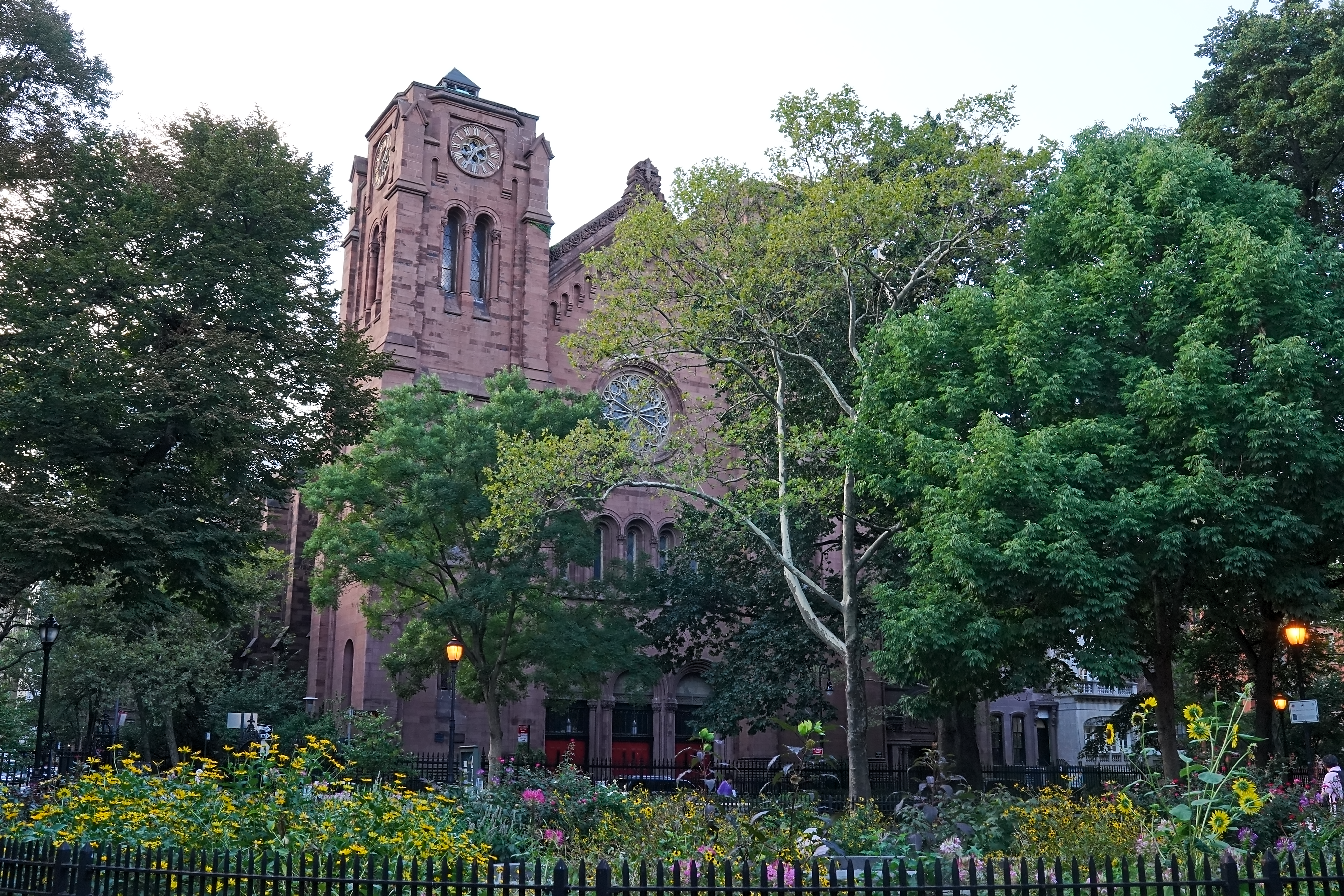
350 East 18th Street
The Attorney General’s official database identifies 350 East 18th Street Condominium in Manhattan under Plan CD240326. It names sponsor 305 First Ave Owners LLC, identifies a new construction or vacant condominium offering, lists 54 residential units and 17 parking units, and shows acceptance on June 3, 2025 and an effective date of November 5, 2025.
The live database has separate price fields that are not unit sale prices. Rather than rely on a changing total, check the accepted Schedule A and latest amendments for the unit’s current offer. This example shows how to verify sponsor, plan status, and amendments.
The project is marketed as The Florian. Its project legal page identifies File No. CD24-0326 and advises buyers to review the complete offering plan. This is an example of how to verify a plan, not evidence about the current operational status of any amenity there.
A Practical Pricing and Closing Example

Separate the Documented Price From the Effective Price
Suppose a sponsor’s accepted offering documents show a $1,500,000 unit offer, and the sponsor proposes a hypothetical $15,000 credit while a roof terrace is not yet open. The credit is 1 percent of that example price. It does not prove that the unit’s filed offering price fell to $1,485,000, or that the amenity has a $15,000 value.
The buyer’s lender may treat a credit differently from a lower contract price. The agreement must state the credit, its purpose, and any lender limitations. Counsel should check whether the advertised claim and Schedule A require an amendment. For an owner resale, the seller should distinguish a negotiated contract credit from a sponsor’s offering-plan price.
Put Delivery Terms in the Right Document
An interested buyer may accept a precise, limited delay but balk at an undefined promise. Provide the relevant plan section, amendment, amenity description, and anticipated completion terms. The purchase agreement should address any outside date, extension rights, access restrictions, and responsibility for unresolved work.
If the buyer asks whether common charges start before the facility opens, answer from the governing budget and contract. A monthly charge need not fall merely because a room is unavailable. Do not offer a credit equal to an imagined amenity value without a documented rationale.
Keep Resale and Sponsor Claims Apart
A first owner reselling in an unfinished project does not control the sponsor’s construction schedule. The owner can supply received notices and current observations, but should not guarantee a completion date that only the sponsor or association can document. The resale contract can allocate a known assessment or credit without changing the sponsor’s duties under its plan.
Show buyers what they can use today and what is contingent. That is not timid marketing. It is how a credible listing preserves momentum through legal review, project underwriting, appraisal, and closing.
Seller Strategy

Price the present product
Separate value attributable to the completed apartment from value attributable to an amenity that is projected, restricted, or not open. Buyers may discount uncertainty even when the eventual package is attractive. Transparent disclosure protects credibility and reduces late renegotiation.
Prepare documents before launch
Assemble the plan, amendments, agreement, budget, declaration, bylaws, CO or TCO, amenity timetable, and access rules. Record the version delivered to each buyer.
Use exact listing language
Say “fitness center complete and open,” “roof terrace pending approval,” or “access governed by a separate license.” Do not collapse those facts into “full amenities.” If status changes, update marketing promptly and review pending contracts.
Anticipate lender questions
A buyer’s lender may request project approval, completion reports, budget information, insurance, legal documents, and evidence of common element completion. Producing those materials quickly helps preserve price and closing timing.
Negotiate economics transparently
A credit for common charges, taxes, storage, or financing can address uncertainty without calling an unfinished amenity complete. Put it in the contract and do not suggest it changes legal completion status.
For a document first review before publishing a Manhattan new development listing, TheNewYorkCityBroker.com/contact-me is the right place to reach Brett.
Frequently Asked Questions
Often, yes, if the unit and applicable project phase can lawfully close and the plan and contract permit remaining work. A CO or TCO addresses occupancy, not automatic completion of every gym, roof deck, lounge, pool, spa, or playroom. The contract may contain a timetable, extension right, or completion assurance.
Compare the amenity promise with the current plan, amendments, declaration, and rider. The lender may impose separate requirements. Do not say all amenities are complete merely because residential closings began. Identify what is open, pending, and governed by contract.
No. DOB says a TCO may allow occupancy while issues remain before a final CO. TCOs typically expire after 90 days and may be renewed. An interim certificate may cover particular floors before all permit work is complete.
Amenity readiness is separate. A facility may still need inspections, permits, licensing, equipment, staffing, or association approval, depending on its use and status. Confirm the area covered by the occupancy document and the current operating status before advertising access. Ask management whether access depends on a separate amenity agreement and whether fees start before opening.
Review the timetable, force majeure language, extension rights, amendment history, common element provisions, and purchase agreement. A revised date may be permitted, or it may be a material change requiring fuller disclosure and potentially a contractual remedy.
Do not promise rescission automatically. Counsel should determine whether the change affects common element quality, budget, closing conditions, or a specific plan right. Disclose the revised status before accepting an offer. Keep a copy of the written sponsor or board notice and send it to counsel, rather than relying on an informal estimate relayed by a salesperson.
The declaration, bylaws, budget, management agreements, and shared facility agreement control. Common expenses may follow common interests, but special allocations can be authorized for exclusive use, availability, or control.
Ask whether the facility is a common element, limited common element, separate unit, commercial space, or licensed club. Identify operating fees, capital costs, staffing, insurance, repairs, reserves, and access restrictions. Fannie Mae may require additional shared amenity documentation.
A sponsor should not shift an unfinished capital obligation to owners merely by saying a facility will eventually become a common element; the plan and agreement must be checked.
Yes. A sponsor sale is tied to the plan, amendments, purchase agreement, and sponsor obligations. An owner resale is a later transaction by a non sponsor owner governed mainly by the resale contract and applicable law. The Attorney General says a resale does not require a new offering plan simply because the unit is sold again.
A sponsor may offer concessions or control unsold inventory, and the sponsor’s contract may allocate unusual closing costs. An owner should market current building facts, not stale sponsor projections. In either transaction, accurately describe restrictions, charges, assessments, and amenity access, and disclose whether amenities require a separate license or fee.
Review the treatment carefully. Part 20 requires a duly filed amendment for specified Schedule A changes, including an advertised price change, an across-the-board change for a line or model, or an individual price increase.
A negotiated credit may change effective economics without changing Schedule A, but counsel must check the plan’s price-negotiation terms and record the credit clearly in the purchase agreement.
Do not call a concession a price reduction if the filed price remains unchanged. Identify whether the credit covers transfer taxes, mansion tax, common charges, storage, parking, financing, or another cost. State any closing deadline or lender condition. Confirm that advertising, the purchase agreement, and offering documents remain consistent.
For selling new development before amenities open, or another NYC sale, use TheNewYorkCityBroker.com/contact-me before publishing a listing.