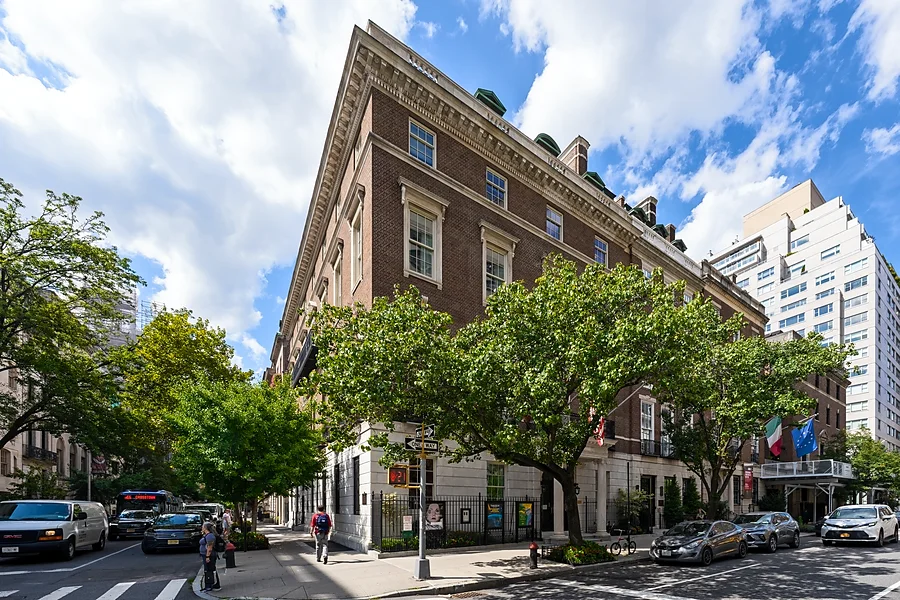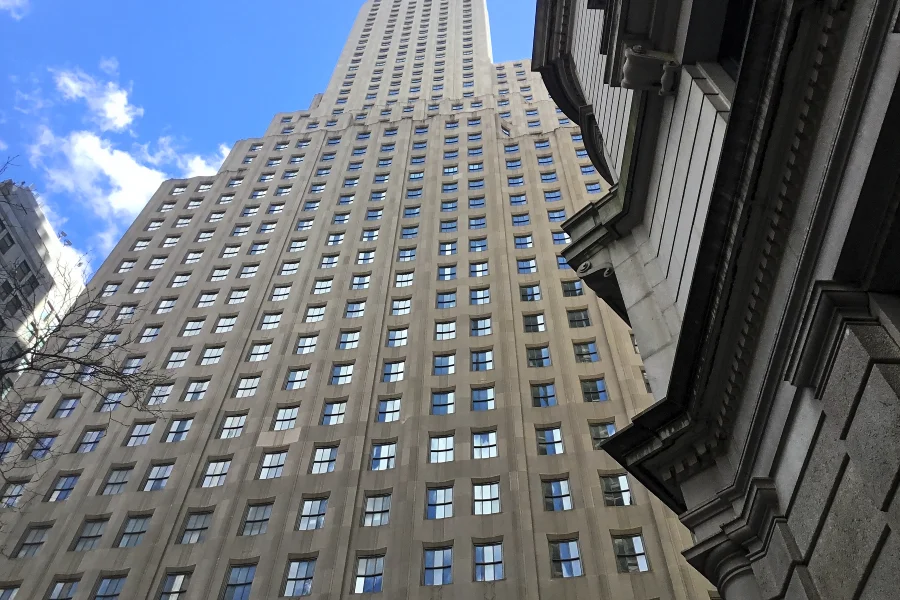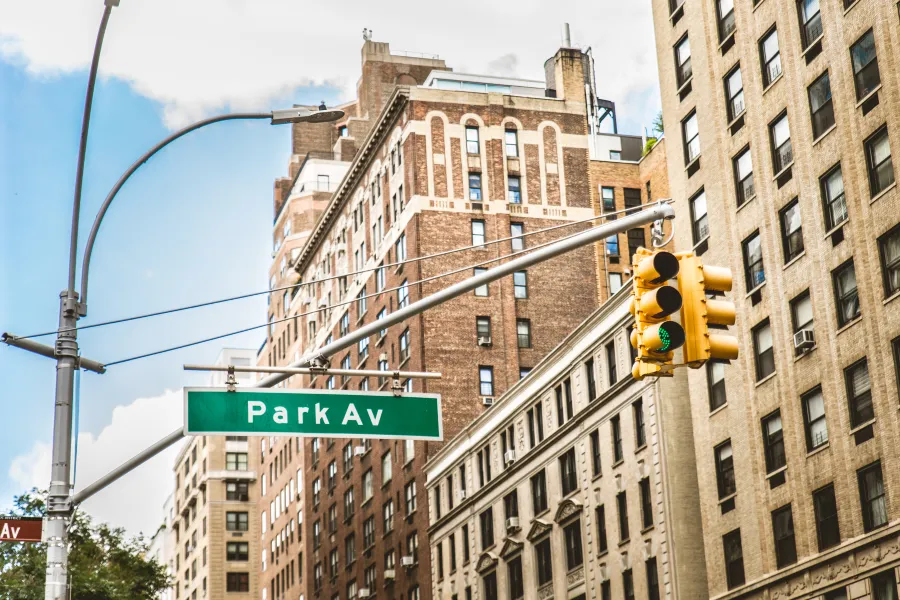

At 740 Park Avenue, the current building record lists a 3% buyer-paid transfer fee based on the purchase price. At 1185 Park Avenue, the current schedule lists 2% of the gross sales price, also paid by the buyer. On a $2 million transfer, that is $60,000 versus $40,000 before government taxes or other closing costs. An Upper East Side co-op flip tax can change the real price even when the listing price stays the same.
The name is misleading. A flip tax is a private fee charged by the cooperative corporation when shares and the proprietary lease transfer. It is not a New York City or New York State tax. The building documents determine the formula, amount, and responsible party, and current records show why buyers and sellers should never assume the seller always pays.
What an Upper East Side Co-op Flip Tax Actually Is
A co-op buyer purchases shares in the corporation that owns the building and receives a proprietary lease for the apartment. A transfer fee must be provided for in the proprietary lease, occupancy agreement, offering plan, or a properly approved amendment and must satisfy the conditions in New York Business Corporation Law Section 501(c). The governing documents and applicable law control.
A co-op may use a percentage of gross consideration or sale price, a percentage of profit, a dollar amount per share, a flat charge, or another formula if it is properly authorized and satisfies Business Corporation Law Section 501(c). The statute does not make any one formula automatically valid. There is no citywide or Upper East Side-wide rate.
The money goes to the cooperative, not the government. It may support reserves, capital projects, repairs, or other purposes allowed by the building documents. That can reduce pressure for future maintenance increases or assessments, but it does not prove the building is financially healthy. Transfer income changes with sales activity, so buyers still need to review reserves, operating results, underlying debt, assessments, and capital plans.
Current Terms at Four Upper East Side Building
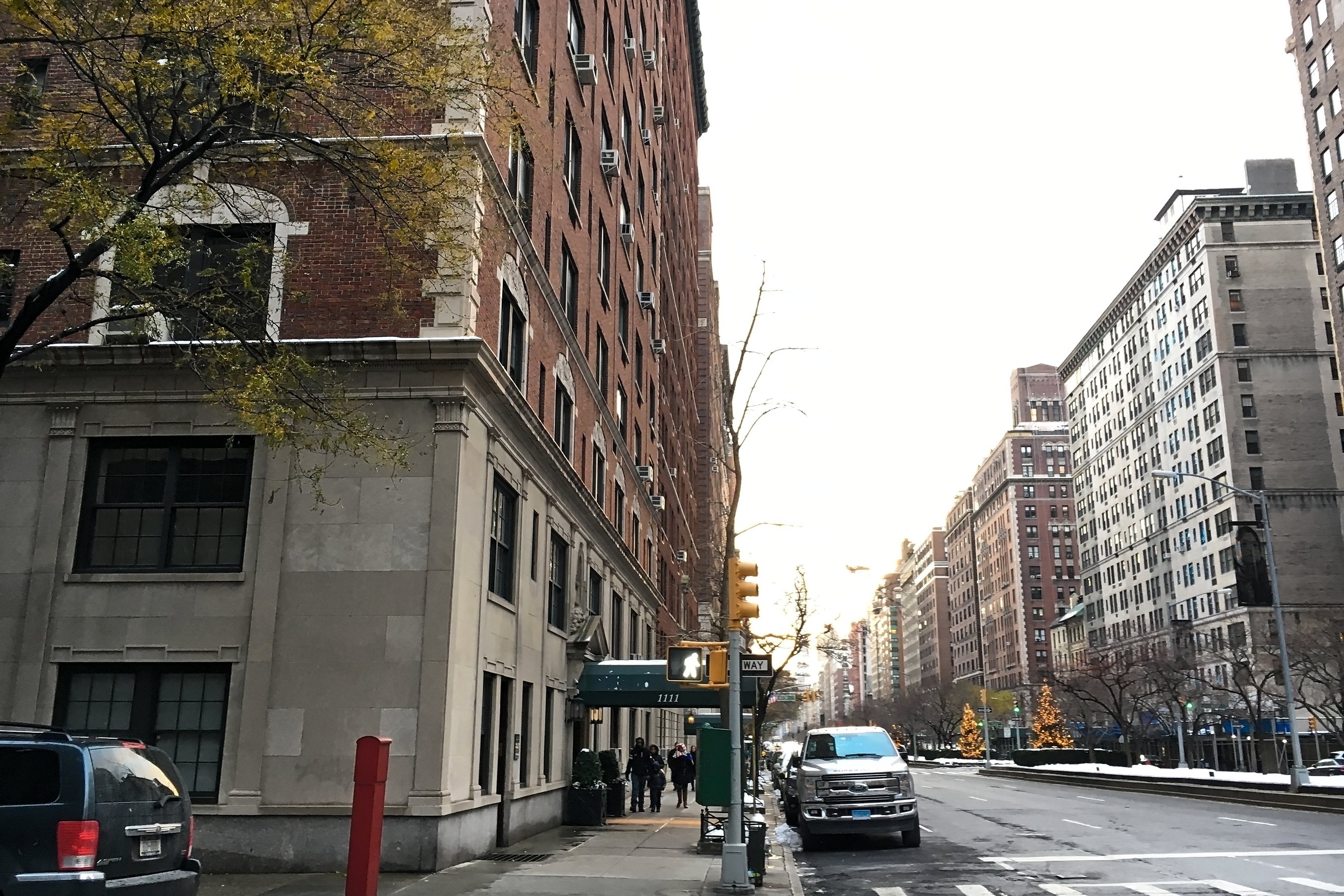
The following terms come from current 2026 management-provided records where available. The proprietary lease, transfer-fee amendment, purchase package, contract, and managing agent’s closing statement should still control the actual transaction. Dated listing and sale examples show price scale, not guaranteed current availability.
740 Park Avenue
The current public building schedule dated April 29, 2026 states that financing is not permitted and lists a transfer fee equal to 3% of purchase price, payable by the buyer. On a $2 million transaction, that formula produces a $60,000 private building fee. The contract, governing documents, and managing agent must confirm the base, payor, and final amount in a specific closing.
At $15 million, a 3% fee would be $450,000. At $45 million, it would be $1.35 million. These are formula illustrations only, not claims about the fee or taxable base in a particular sale. At those price points, the buyer’s separate mansion and supplemental taxes can also be substantial.
1120 Park Avenue
The current public building schedule dated May 7, 2026 lists maximum financing of 50% of purchase price and a transfer fee equal to 2% of gross consideration. The schedule labels the payor as the shareholder rather than expressly assigning the economic burden to buyer or seller. The contract and closing statement should state who pays.
A recorded May 2026 sale at $3.7 million provides a dated scale example. At that price, a straight 2% calculation is $74,000, assuming the full sale price is the applicable gross-consideration base. That illustration shows why the fee belongs on both the buyer’s closing estimate and the seller’s net sheet before contract.
1185 Park Avenue
The current public transfer schedule dated August 14, 2026 lists 2% of gross sales price, paid by the buyer for qualifying contracts signed on or after January 1, 2009. Public 2026 listings report 50% financing, but the management schedule reviewed does not state that cap, so the current package and proprietary lease should confirm it.
Dated 2026 asks included approximately $6.495 million and $7.35 million. At those prices, a 2% fee would equal $129,900 and $147,000. These are asking-price illustrations, not closing statements. The buyer also faces applicable government buyer taxes and other closing costs, so the private fee should remain separate from the mansion and supplemental tax calculation.
1050 Fifth Avenue
The current public management schedule dated August 12, 2026 confirms that a transfer-fee amendment exists but does not publish its rate. It directs parties to the purchase package for the calculation and says the fee may be payable by seller or buyer. Public listing sources conflict: some advertise a 1% fee while another says there is no flip tax.
That conflict means neither 1% nor zero should be published as settled current fact without the amendment. If the applicable amendment imposed 1%, a $2.3 million transfer would produce $23,000 and an $8.5 million transfer would produce $85,000. Those figures are conditional illustrations only. Obtain the current amendment and a written managing-agent calculation before relying on any listing field.
Who Pays the Flip Tax

The seller often pays by market custom, but the building documents and contract control. Current records for the four examples do not support a seller-only rule. The 740 Park schedule names the buyer. The 1185 Park schedule names the buyer. The 1120 Park record labels the payor as shareholder, requiring contract-level confirmation. The 1050 Fifth record says seller or buyer under the amendment.
The building generally cares that the fee is paid as a condition of transfer. The contract allocates the economic burden between the parties. Depending on the documents and negotiation, the buyer may pay, the seller may pay, the parties may split it, or one side may give a credit elsewhere. Put the allocation in writing before contract execution.
If you want a straight answer on what a specific building’s transfer fee will cost on the way in and out, reach me at TheNewYorkCityBroker.com/contact-me and I can assist you.
How the Flip Tax Fits With Other Closing Costs

There is no universal resale-co-op closing-cost percentage. Build the estimate by line item: attorney, lender, UCC and lien searches, application, managing-agent, recognition-agreement, move-in, and other building charges. Then add mansion and supplemental taxes, any buyer-paid private transfer fee, financing costs, and refundable deposits separately. A buyer-paid flip tax can materially reduce the usual cost advantage of a co-op purchase.
Government transfer taxes are separate. In a typical NYC residential resale above $500,000 and below $3 million, the seller ordinarily pays NYC Real Property Transfer Tax at 1.425% and New York State base transfer tax at 0.4%. At $3 million or more, New York State’s additional base tax adds 0.25% for qualifying NYC residential conveyances. Contract terms and transaction facts can change the economic allocation, so counsel should calculate the actual amount.
The buyer generally pays the 1% New York State mansion tax on residential consideration of $1 million or more. NYC residential purchases of $2 million or more also face a separate supplemental tax. Together, the buyer-side rates are 1% from $1 million to $1,999,999; 1.25% from $2 million to $2,999,999; 1.5% from $3 million to $4,999,999; 2.25% from $5 million to $9,999,999; 3.25% from $10 million to $14,999,999; 3.5% from $15 million to $19,999,999; 3.75% from $20 million to $24,999,999; and 3.9% at $25 million or more. These apply to the applicable entire consideration, not marginal slices.
Assuming taxable consideration is exactly $2 million, the buyer-side government amount is $20,000 in mansion tax plus $5,000 in supplemental tax, or $25,000 combined. A 2% private building fee adds $40,000, bringing those two buyer-paid categories to $65,000 before attorney, lender, application, and other charges. Do not call the full $65,000 mansion tax, and do not count the private fee again as government transfer tax.
How a Flip Tax Can Be Created or Changed

A co-op cannot create or change a revenue-producing transfer fee through an informal announcement. The charge must be authorized in the proprietary lease, occupancy agreement, offering plan, or a properly approved amendment and must satisfy Business Corporation Law Section 501(c). A clause allowing reimbursement of reasonable legal, administrative, or actual transfer expenses should not be treated as authority for a revenue-producing flip tax unless the governing documents clearly authorize it.
There is no universal two-thirds voting rule for co-ops. The required approval depends on the instrument being amended and the corporation’s certificate, bylaws, proprietary lease, offering plan, delegated board authority, and applicable statutes. Some amendments require shareholder or leaseholder approval; others may be adopted under properly delegated board authority. Counsel should review both the current amendment and the adoption record.
A new or higher fee may be intended to strengthen reserves or fund capital work, but it is not proof of a problem or proof of good management. Ask what changed, when it took effect, which transactions are covered, how proceeds are used, and whether another amendment is under discussion. Then verify the answer in the documents and financial statements.
A Holding-Period Example
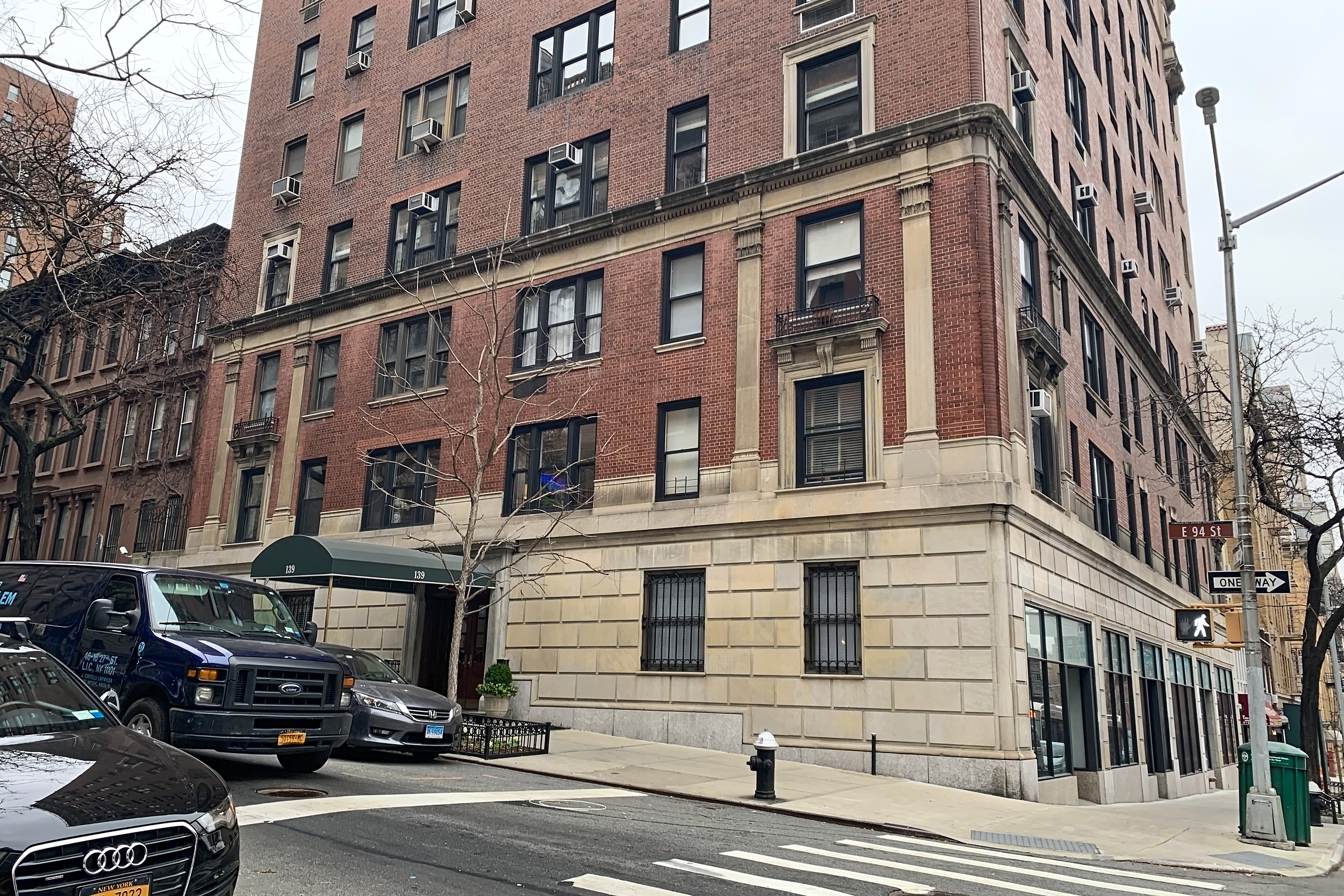
Assume a $2 million transfer with a 2% private fee. The fee is $40,000. Spread as a simple planning equivalent over a five-year hold, that is $8,000 per year or about $667 per month. Over 20 years, it is $2,000 per year or about $167 per month. The fee is still paid at transfer, not monthly; this is only a way to compare its weight across holding periods.
Holding period matters, but it is not the only factor. A buyer should also compare financing limits, maintenance, assessments, reserves, underlying debt, apartment condition, and likely resale market. A lower fee does not automatically make one building a better purchase, and a higher fee does not automatically make another building financially stronger.
Because the fee changes the cost of exiting a co-op, it belongs in the broader ownership comparison covered in Upper East Side Co-ops vs Condos: Which Is the Better Investment?.
Do Condos Have Flip Taxes

Some condominiums may impose a transfer-related fee, resale contribution, working-capital contribution, or administrative charge when authorized by the declaration, bylaws, or a properly adopted amendment. Condo fees should not automatically be called flip taxes. The governing documents, amendment vote, current transfer schedule, and contract should be checked.
The legal structure and formula may differ from a co-op fee. A condo may use a working-capital contribution, resale contribution, administrative charge, or another authorized transfer-related fee. Name the charge accurately and keep it separate from government taxes.
If You Are Selling in a Building With a Flip Tax
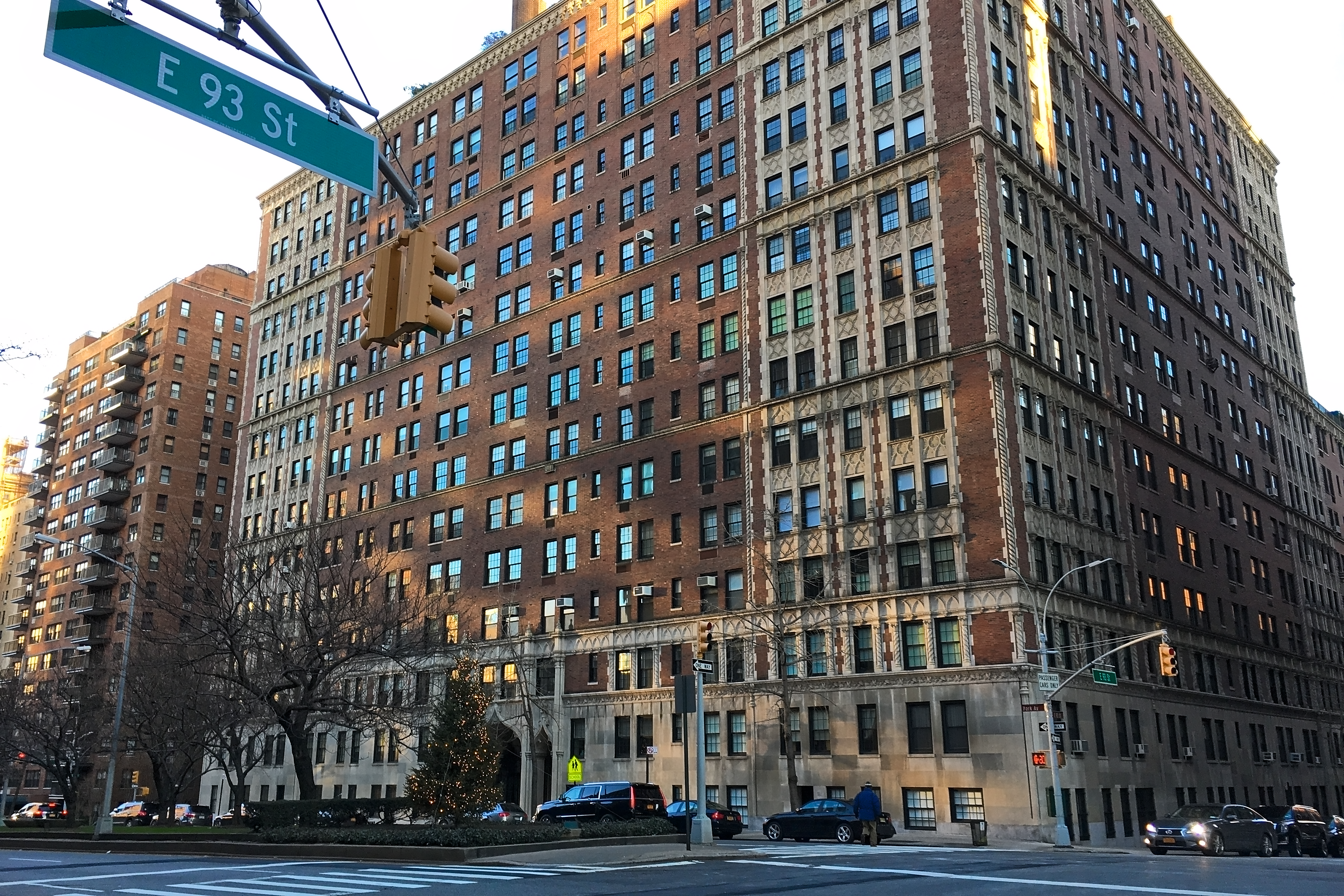
Obtain the current transfer-fee calculation in writing before setting the asking price. Have the attorney review the proprietary lease, bylaws, offering plan, amendments, and contract allocation. A listing database field is not enough when the fee can move net proceeds by tens or hundreds of thousands of dollars.
Build a line-item seller net sheet at several likely sale prices. Separately show negotiated brokerage compensation, NYC RPTT, New York State base and any additional base transfer tax, the actual building fee, attorney and managing-agent charges, UCC termination or lender-payoff expenses, move-out costs, maintenance adjustments, assessments, and seller credits. Show mortgage payoff separately from transaction expenses, and keep potential capital-gains tax or nonresident withholding as separate tax-planning items.
Price against your building and apartment line, not a neighborhood median. Floor, exposure, layout, condition, maintenance, terraces, and renovation history can create large differences within one address. The private transfer fee affects proceeds, but it does not establish market value by itself.
If the buyer is responsible for the fee, disclose it early and include it in the total-cash conversation. A buyer who discovers a six-figure building charge during diligence may renegotiate or withdraw. Clear disclosure does not reduce the fee; it reduces avoidable transaction risk.
Review buyer strength alongside price, especially where the building also limits financing. A slightly lower offer from a buyer with sufficient cash and a realistic approval path may be more compelling than a higher offer carrying more execution risk. That does not make the lower offer automatically better, and no screening guarantees board approval.
Upper East Side Co-op Flip Tax: Confirm Before Contract
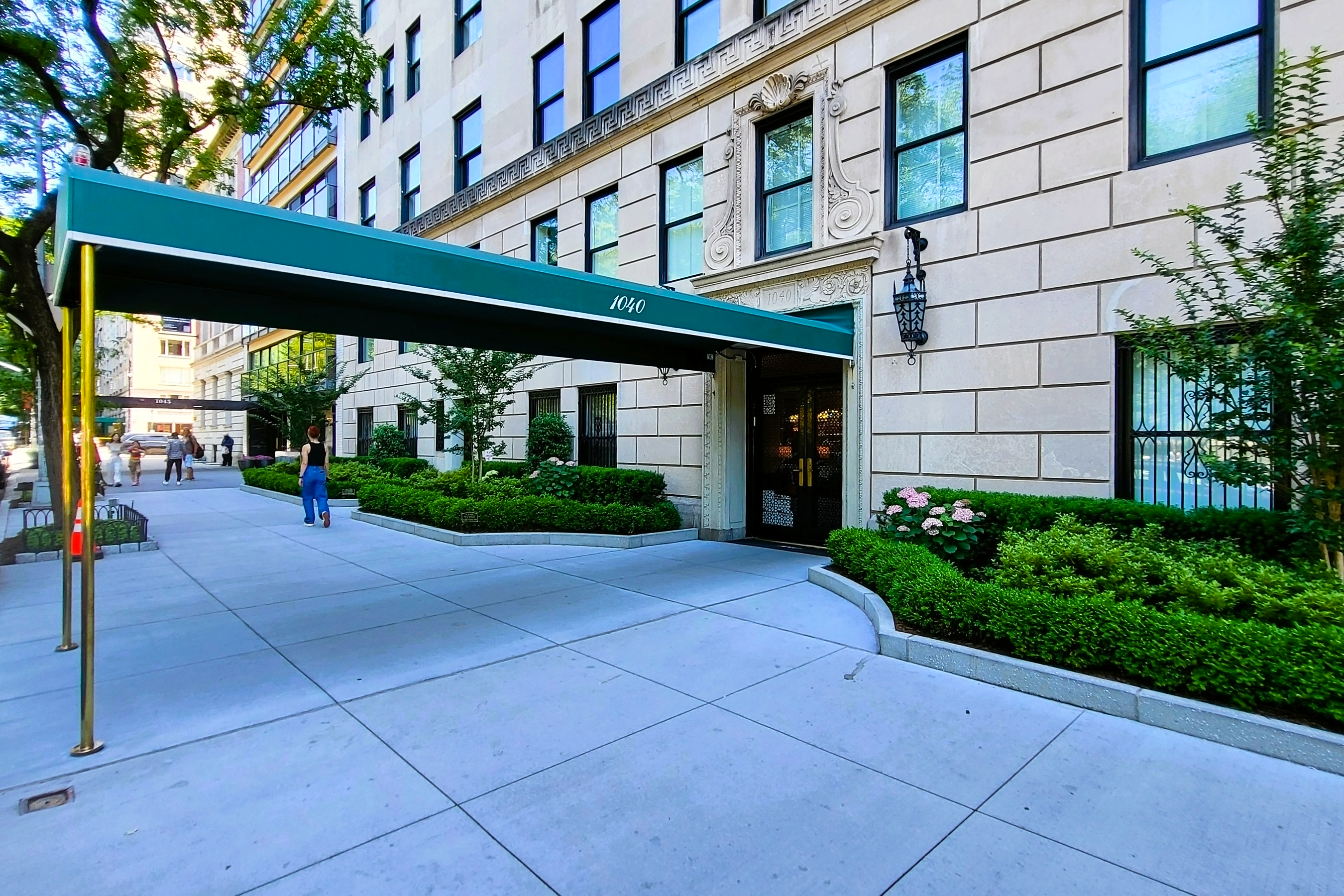
Ask four questions before relying on a number: what is the current formula, what amount or base does it use, who pays under the building documents and contract, and when was it last amended? Then request the amendment and a written managing-agent estimate. That is the only reliable way to turn a listing-level assumption into transaction math.
If you’re weighing an Upper East Side co-op or another New York City property, contact Brett through TheNewYorkCityBroker.com/contact-me to talk through the right next step.
Frequently Asked Questions
A co-op flip tax is a private transfer fee charged by the cooperative corporation when apartment shares and the proprietary lease change hands. It is separate from NYC and New York State transfer taxes, although the same transaction may trigger both private and government charges. The fee must be authorized in the proprietary lease, occupancy agreement, offering plan, or a properly approved amendment and satisfy Business Corporation Law Section 501(c). The formula, base, payor, timing, exemptions, and use of proceeds are building-specific. Confirm the current documents and written managing-agent calculation rather than relying on a listing field.
There is no neighborhood-wide rate. Current 2026 records list 3% of purchase price paid by the buyer at 740 Park Avenue, 2% of gross consideration at 1120 Park Avenue with the payor labeled shareholder, and 2% of gross sales price paid by the buyer at 1185 Park Avenue. The current 1050 Fifth Avenue record confirms a transfer-fee amendment but does not publish its calculation, and public listing sources conflict. Many Manhattan co-ops use percentage structures around 1% to 3%, but some use different formulas or no fee. The current building documents control.
The seller often pays by custom, but the building documents and contract control. Some buildings assign the charge to the buyer, some to the seller, some identify the shareholder, and some allow the parties to negotiate the economic allocation. Current records list the buyer at 740 Park Avenue and 1185 Park Avenue. At 1120 Park Avenue, the schedule labels the payor shareholder, so the contract should clarify which side bears the cost. At 1050 Fifth Avenue, the current management record directs parties to the transfer-fee amendment and says seller or buyer may pay. Never assume from neighborhood practice.
Some condos do impose transfer-related fees, even though flip taxes have historically been more closely associated with co-ops. A condo charge may appear as a resale contribution, working-capital contribution, transfer fee, or administrative charge. It must be supported by the declaration, bylaws, or a properly adopted amendment, and the applicable voting rule should be checked. Keep every private building charge separate from NYC and New York State transfer taxes. Ask the managing agent for the current resale schedule and have the attorney review the governing documents before estimating proceeds or cash to close.
A flip tax may be calculated as a percentage of gross sale price or consideration, a percentage of profit, a dollar amount per share, a flat fee, or another clearly authorized formula. These methods can produce very different results. A 2% gross-price fee on a $2 million transfer is $40,000 regardless of the seller’s gain. A profit formula depends on the building’s definition of profit and permitted deductions, while a per-share formula depends on the apartment’s share allocation. No formula is automatically valid; the governing documents, statutory conditions, amendment procedure, and closing calculation all matter.
Yes, especially if you may sell within a shorter holding period, but it should not decide the purchase by itself. A $40,000 fee on a $2 million transfer equals a simple planning equivalent of about $667 per month over five years and about $167 per month over 20 years. The fee is still paid at transfer, not monthly. Compare it with financing limits, maintenance, assessments, reserves, underlying debt, apartment condition, and resale prospects. A lower fee does not automatically make a building better, and a higher fee does not prove stronger finances. Confirm the current formula and payor first.